





 Portuguese
  English
  Spanish
 3 min of reading
  0 comments



In Surucucu (RR), The Ministry of Mines and Energy Expands the Light for All Program, Installing Solar Systems That Ensure Sustainable Energy and Social Inclusion for Yanomami Indigenous Communities
The Light for All Program has been expanding its impact in the Amazon by integrating sustainability, citizenship, and technological innovation, according to a report published.
In October 2025, the Ministry of Mines and Energy (MME) delivered three new photovoltaic solar generation systems in Surucucu, in the municipality of Alto Alegre, Roraima.
The initiative brings clean and constant energy to the Indigenous Health Reference Center of SESAI, responsible for serving 46 Yanomami villages and directly benefiting 2,700 people.
-
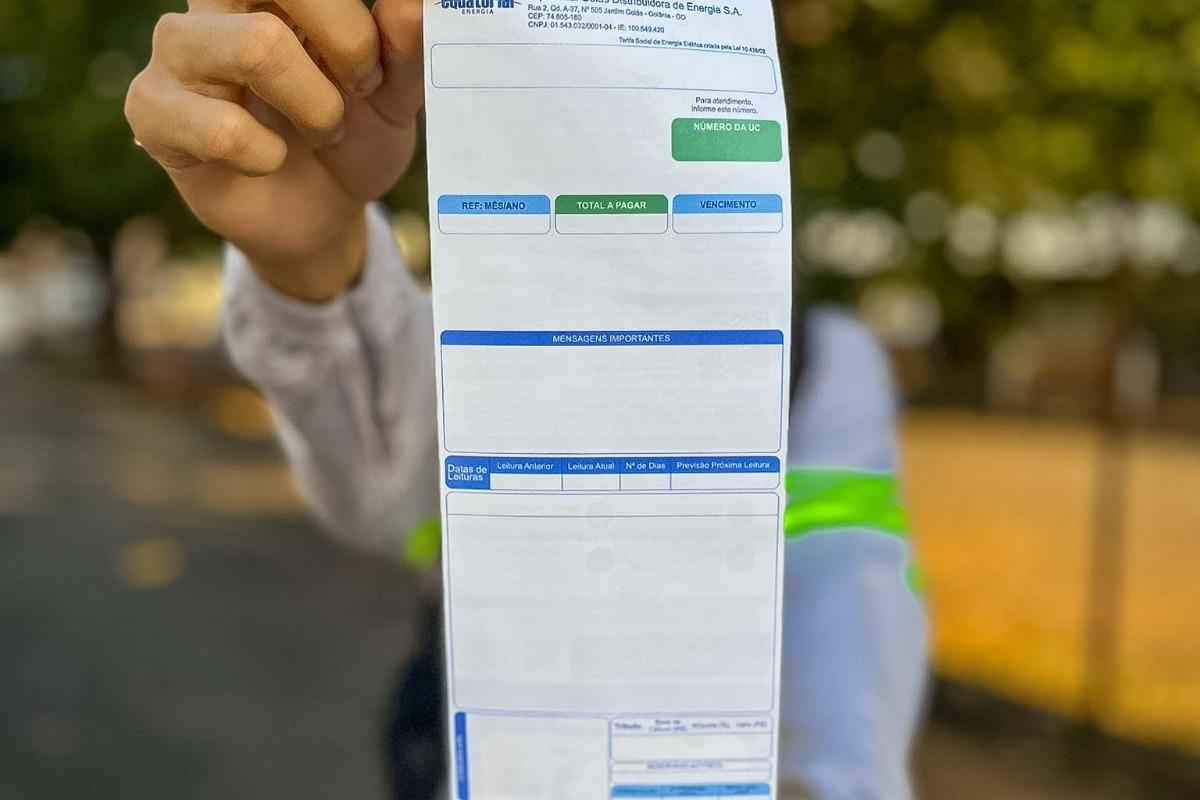
Equatorial adopts new national number for consumer units on electricity bills starting in April, following ANEEL standards and modernizing energy bills in several states.
-
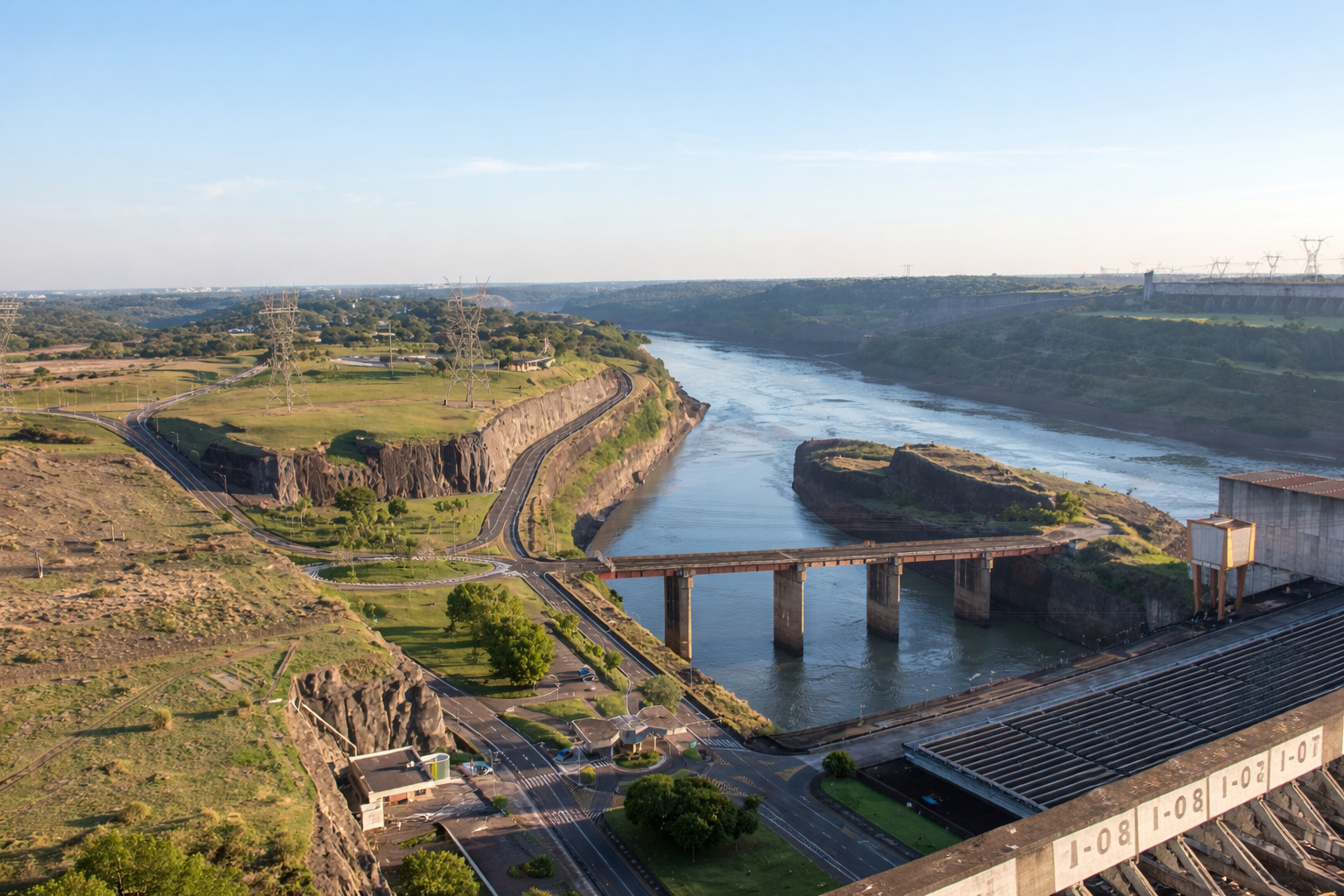
Itaipu Impresses the World: Hydroelectric Plant with 20 Turbines and 14,000 MW Generates Over 2.9 Billion MWh and Leads Global Clean Energy Production
-
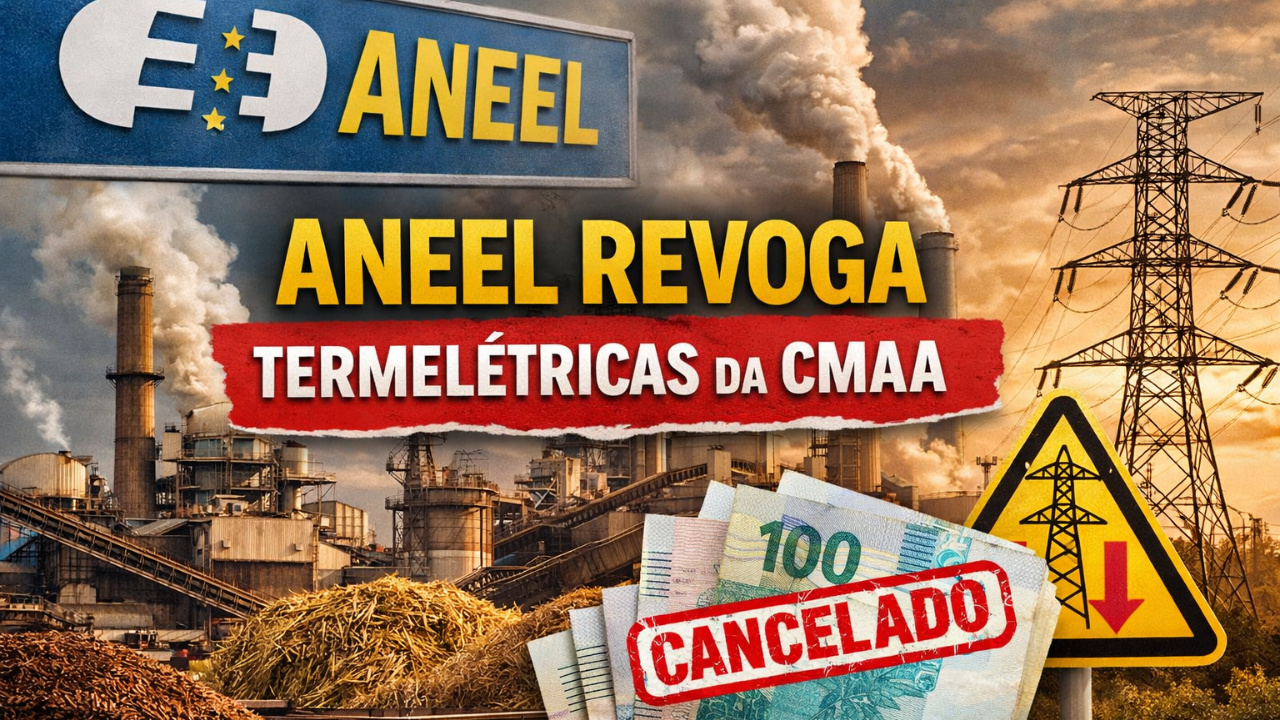
Aneel Revokes CMAA Thermal Power Plants After Network Restrictions and Excess Energy in the System
-
13-Year-Old Scientist Creates Clean Energy Device For Just R$ 16, Wins $25,000 Prize And Surprises The World With Affordable Solution


The action represents more than electricity; it symbolizes inclusion, autonomy, and hope for historically isolated communities.
Solar Energy in the Amazon Strengthens Energy Inclusion and Indigenous Health
The solar systems installed by the Light for All Program mark a step forward in integrating renewable sources in the heart of the Amazon rainforest.
Each photovoltaic panel installed in Surucucu reinforces the government’s commitment to the sustainable use of natural resources and the social development of local communities.
According to the MME, the energy supplied to the Indigenous Health Reference Center ensures the uninterrupted operation of essential medical equipment, enhancing the quality of care and the safety of Yanomami patients.
The National Secretary of Electric Energy, João Daniel Cascalho, emphasized that bringing energy to these regions means illuminating lives and creating opportunities. “Each system represents a concrete step towards a fairer and more sustainable Brazil,” he stated.
The initiative is part of other fronts of the program, such as Light for the People, which already benefits 45,700 consumer units in Roraima, equivalent to 23% of the state’s households.
Light for All Program: Sustainability and Clean Energy Transform Isolated Indigenous Communities
The Light for All Program has established itself as one of the main vectors of Brazil’s energy transition by prioritizing universal access to clean energy.
In Roraima, over 100,000 people have already benefited, with investments exceeding R$ 332 million.
The new installations in Surucucu show that sustainability and social development can go hand in hand, respecting the environment while strengthening the autonomy of indigenous communities.
In addition to the delivered systems, the construction of a solar plant with a generation capacity of 12,744 kWh is planned for 2025.
The investment, estimated at R$ 31 million, will ensure continuous energy supply and expand indigenous hospital infrastructure in the region.
This advancement demonstrates the MME’s effort to ensure that energy transition actions also reach the most remote areas of the country.
Energy Transition and Sustainable Development in the Heart of Roraima
The strengthening of the Light for All Program in Surucucu reflects the alignment between public energy policies and sustainability goals.
By promoting energy inclusion for indigenous communities, the MME reinforces the importance of solar energy as a driver of regional development.
Access to electricity enables better health, education, and communication conditions, enhancing the quality of life for thousands of people.
Focusing on reducing inequalities and valuing the Amazon, the initiative also contributes to environmental preservation by replacing polluting sources with renewable and low-impact alternatives.
This transformation reinforces the view that Brazil’s energy future lies in integrating sustainable solutions, connecting citizenship, technology, and respect for indigenous territory, with the help of the Light for All Program.








Seja o primeiro a reagir!