





 Portuguese
  English
  Spanish
 3 min of reading
  0 comments



During COP 30, Alexandre Silveira Confirmed R$ 1.4 Billion in Investments from the Light for All Program in Pará, Bringing Solar Energy and Inclusion to Indigenous and Rural Communities
The Light for All Program in Pará was highlighted during COP 30 in Belém (PA), with the announcement of R$ 1.4 billion in new investments aimed at expanding access to electricity in remote and indigenous areas, according to a report published.
The Minister of Mines and Energy, Alexandre Silveira, revealed that approximately 150,000 people will be directly benefited through the installation of solar kits with batteries, in an effort that reinforces Brazil’s role in the global energy transition.
The investment will allow for the execution of 43,000 new services in 47 municipalities in Pará, resulting from contracts signed between the Brazilian Company for Nuclear and Binational Energy Participation S.A. (ENBPar) and Equatorial Energia.
-
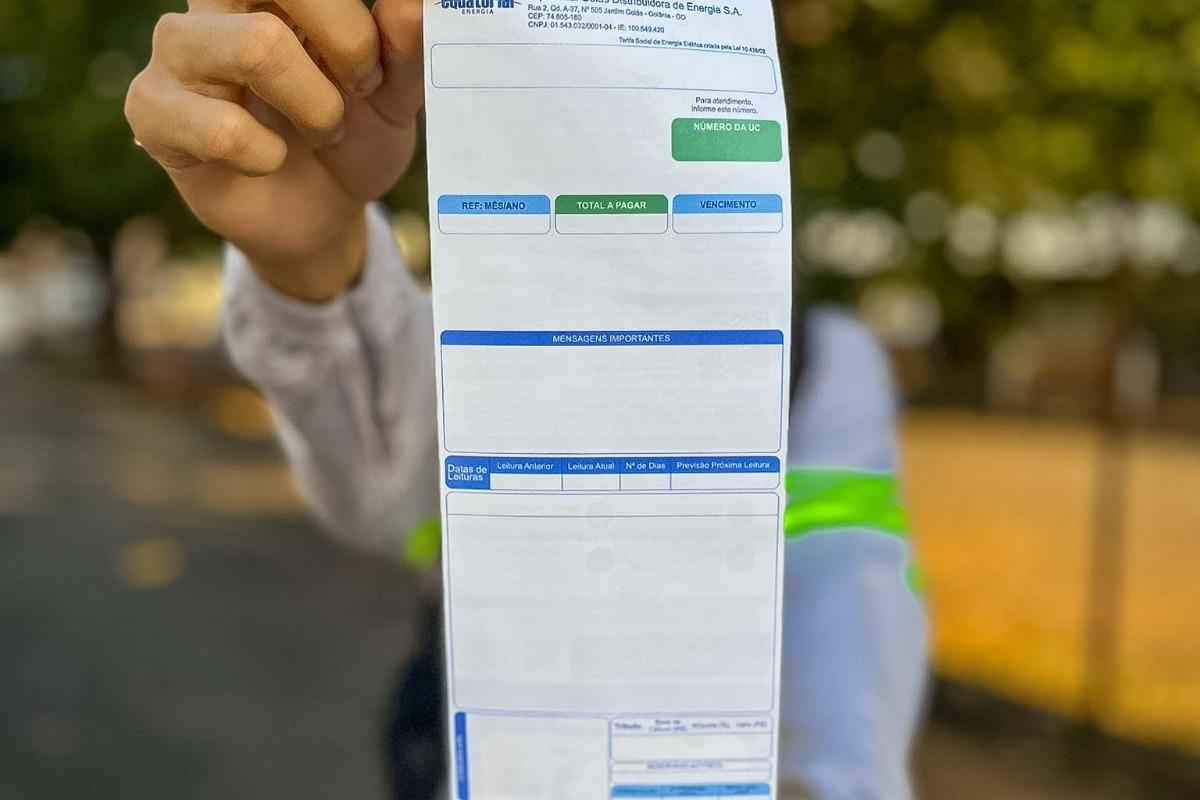
Equatorial adopts new national number for consumer units on electricity bills starting in April, following ANEEL standards and modernizing energy bills in several states.
-
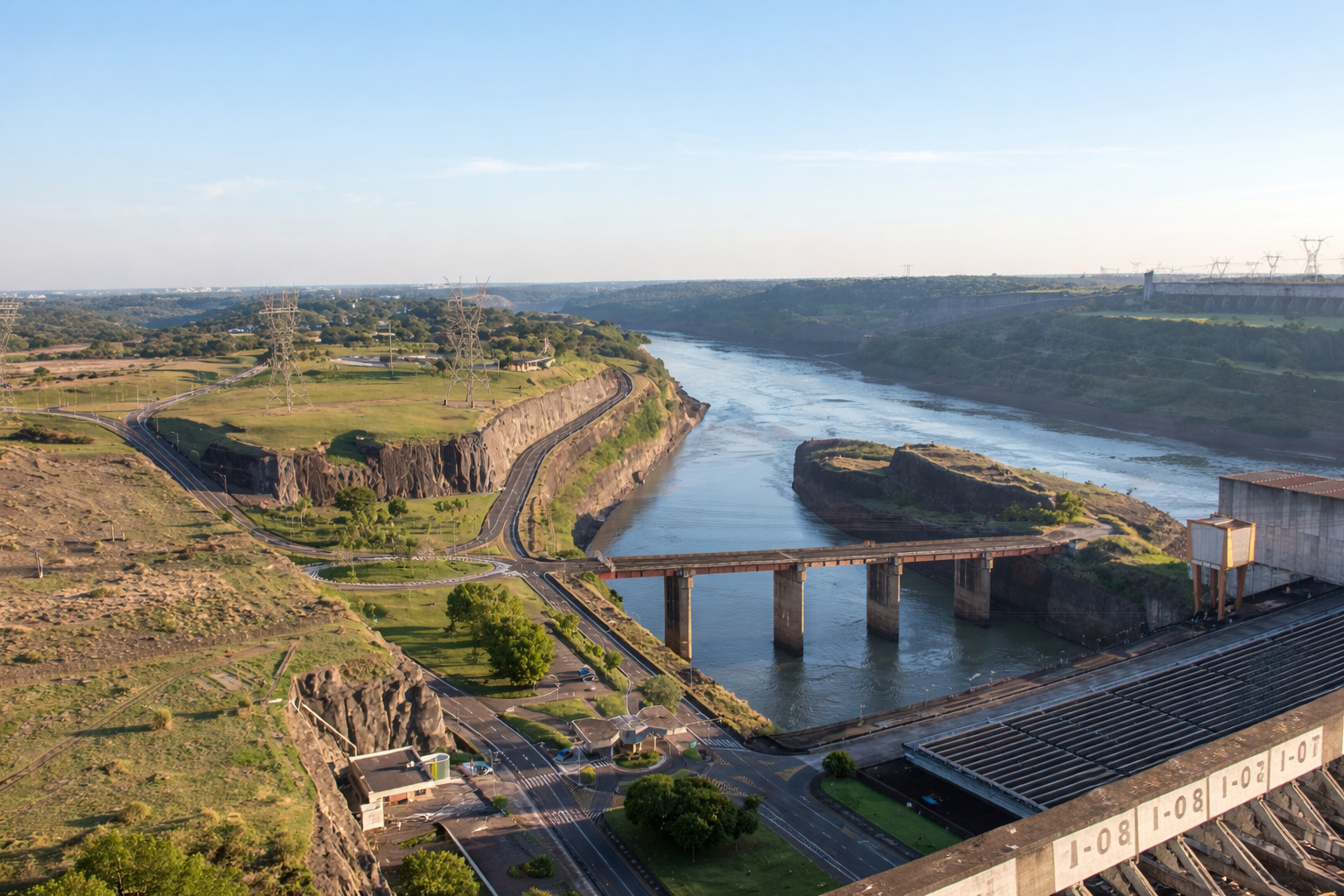
Itaipu Impresses the World: Hydroelectric Plant with 20 Turbines and 14,000 MW Generates Over 2.9 Billion MWh and Leads Global Clean Energy Production
-
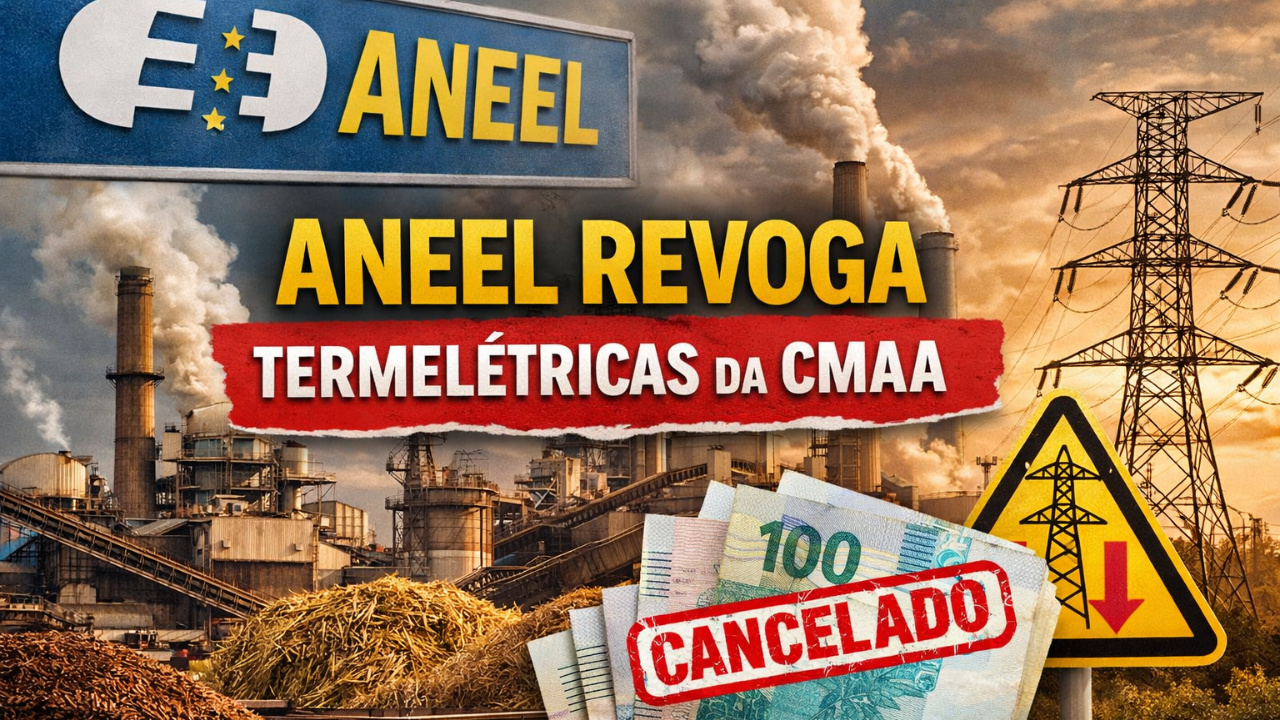
Aneel Revokes CMAA Thermal Power Plants After Network Restrictions and Excess Energy in the System
-
13-Year-Old Scientist Creates Clean Energy Device For Just R$ 16, Wins $25,000 Prize And Surprises The World With Affordable Solution


The execution schedule foresees a period between 22 and 34 months, demonstrating the urgency and scale of the project.
Rural Solar Energy and Sustainable Development in Interior Pará
The government’s focus is to ensure that the Light for All Program in Pará brings clean and accessible energy to populations that have historically been outside the conventional electricity grid.
The locations covered include indigenous communities located in municipalities such as Altamira, Bannach, Cumaru do Norte, Faro, Itupiranga, Novo Repartimento, Oriximiná, Ourilândia do Norte, and São Félix do Xingu.
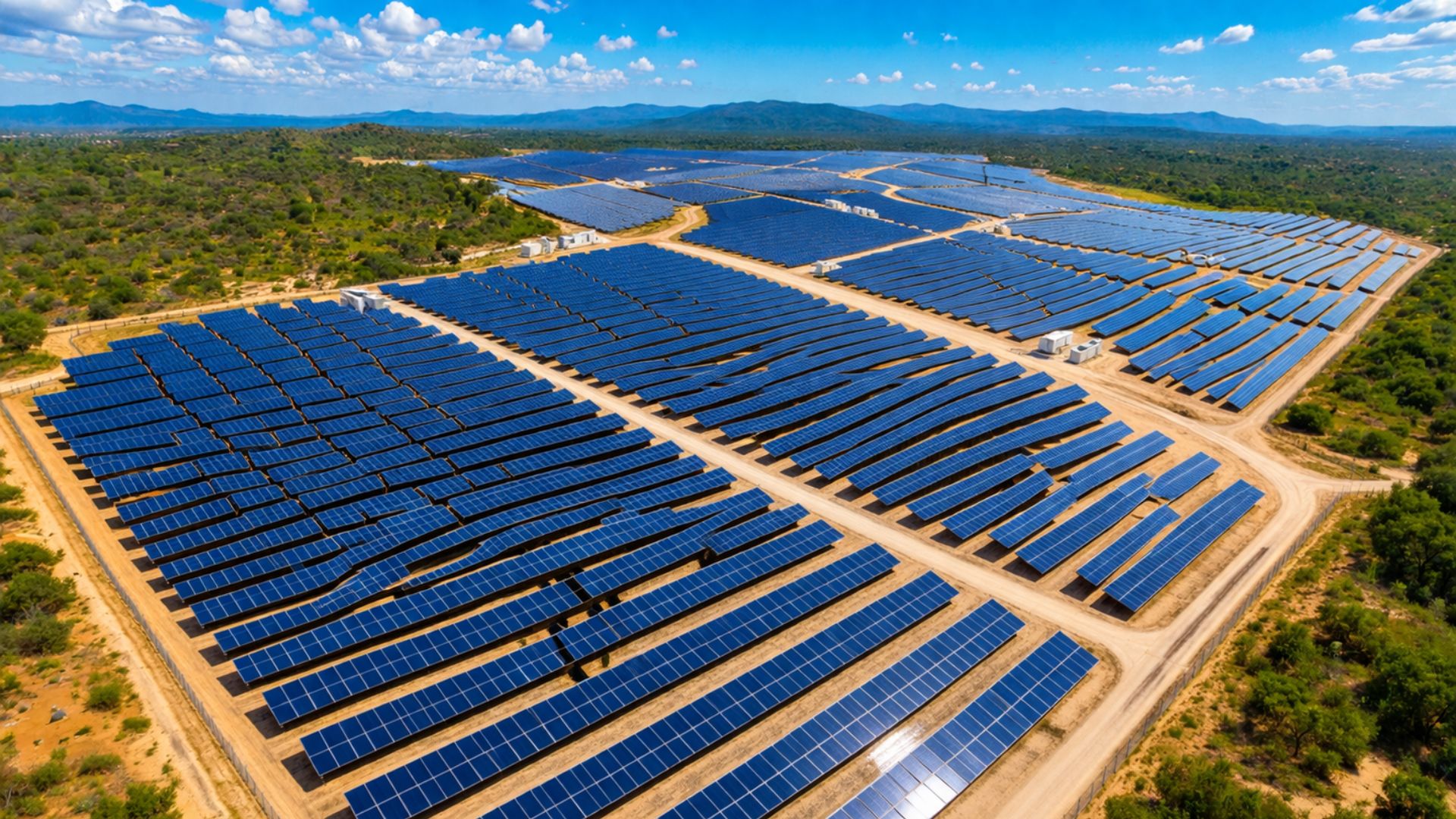
These regions, marked by long distances and logistical challenges, will have solar energy systems, reducing reliance on diesel generators and promoting energy autonomy.
According to the Ministry of Mines and Energy (MME), about three thousand photovoltaic kits will be installed in these communities, ensuring constant electricity and contributing to local development.
Social Inclusion and Clean Energy in Indigenous and Remote Communities
The Light for All Program in Pará has been an essential tool in promoting social inclusion and combating energy poverty.
Since its creation in 2003 by President Luiz Inácio Lula da Silva, the program has already served 17.7 million Brazilians.
The resumption of actions in 2023 expanded its reach in the state of Pará, where 2.6 million people have benefited from access to electricity.
Alexandre Silveira emphasized during the event that the program’s expansion is a milestone of Brazilian leadership in the energy transition, combining social justice, sustainability, and technological innovation.
The project was announced at a symbolic moment at COP 30, where Brazil seeks to consolidate its image as a global reference in clean energy policies.

Energy Transition and Environmental Commitments Presented at COP 30
During the international meeting, the minister emphasized that the Light for All Program in Pará integrates Brazil’s commitments to sustainable development, reinforcing goals of decarbonization and inclusion.
The investments of R$ 1.4 billion reflect not only the social dimension of the project but also the country’s commitment to the Sustainable Development Goals (SDGs), especially number 7, which addresses universal access to clean and accessible energy.
ENBPar and Equatorial Energia will be directly responsible for the execution of the works, ensuring that the most isolated communities receive modern, safe, and environmentally responsible infrastructure.
The initiative therefore represents a significant advance in the universalization of access to energy and in strengthening public policies aimed at sustainability.
With the new cycle of investments, the federal government reaffirms that the Light for All Program in Pará is more than an electrification policy: it is a pillar of social, environmental, and economic transformation, aligned with the goals of reducing inequalities and building a greener and more inclusive energy future.







Seja o primeiro a reagir!