





 Português
  Inglês
  Espanhol
  3 min de leitura
  0 comentários


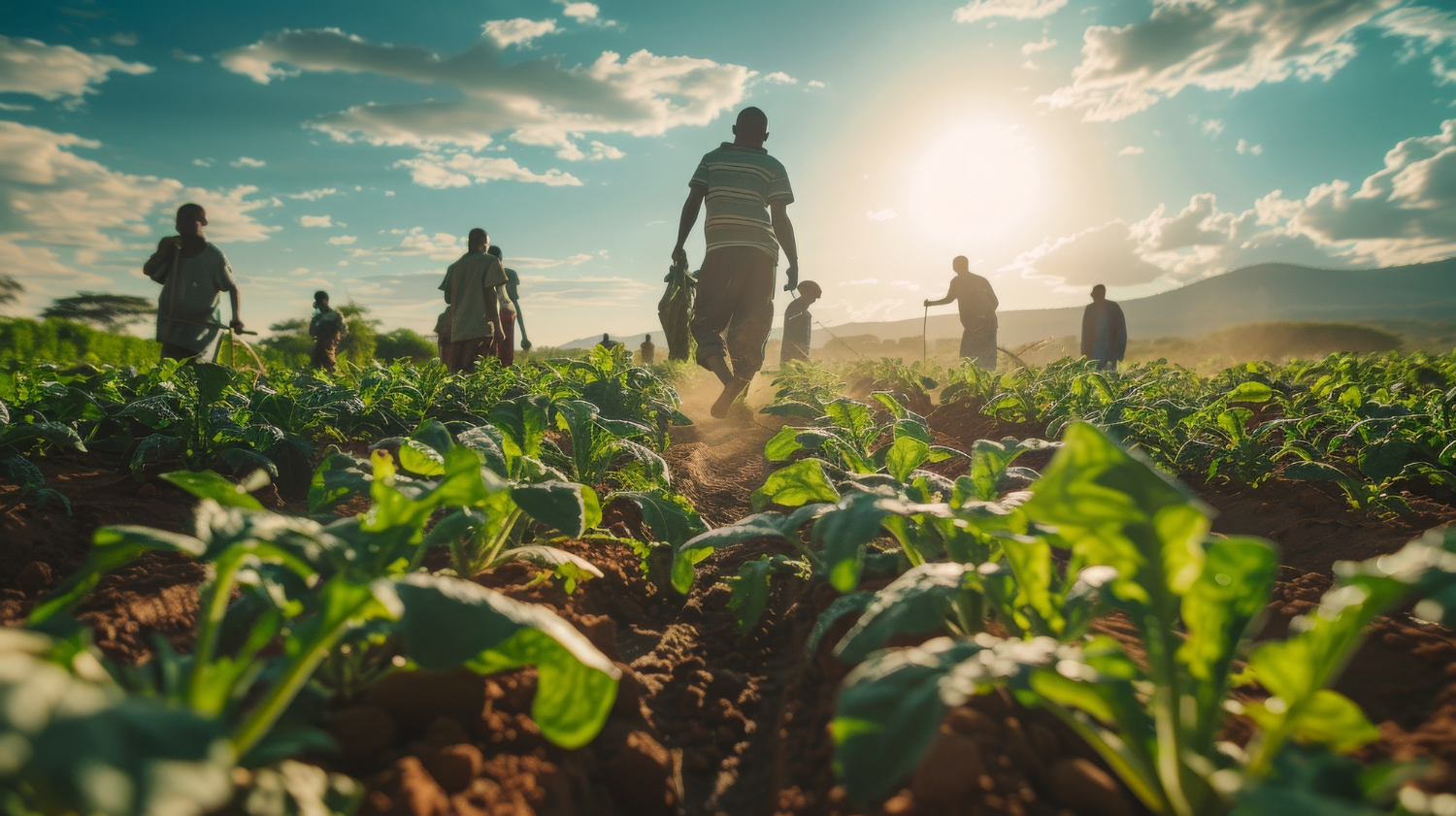
With Unprecedented Results and Renewed Policies, the National Land Credit Program Expands Access to Land, Promotes Sustainability, and Strengthens Family Farming Throughout Brazil
The National Land Credit Program (PNCF) achieved, in 2025, the best performance in the last ten years, marking a new cycle of land democratization and strengthening family farming, according to a report published.
By September, 1,506 families acquired rural properties subsidized by the Federal Government. Since 2023, the program has benefited 4,719 families, with a total investment of R$ 764 million, almost double the R$ 401 million invested in the previous administration.
The progress reflects the resumption of land policy and the country’s commitment to productive inclusion, food security, and rural sustainability, which are fundamental pillars for the dignified permanence of families in the countryside.
-
Alone, the producer applies 7,400 hectares with the T100 drone in an optimized structure, replaces the generator with a silent battery, and demonstrates how technology reduces costs, increases productivity, and even challenges the uniport in the field.

-
China banned the export of 22 tons of meat from Argentina.

-
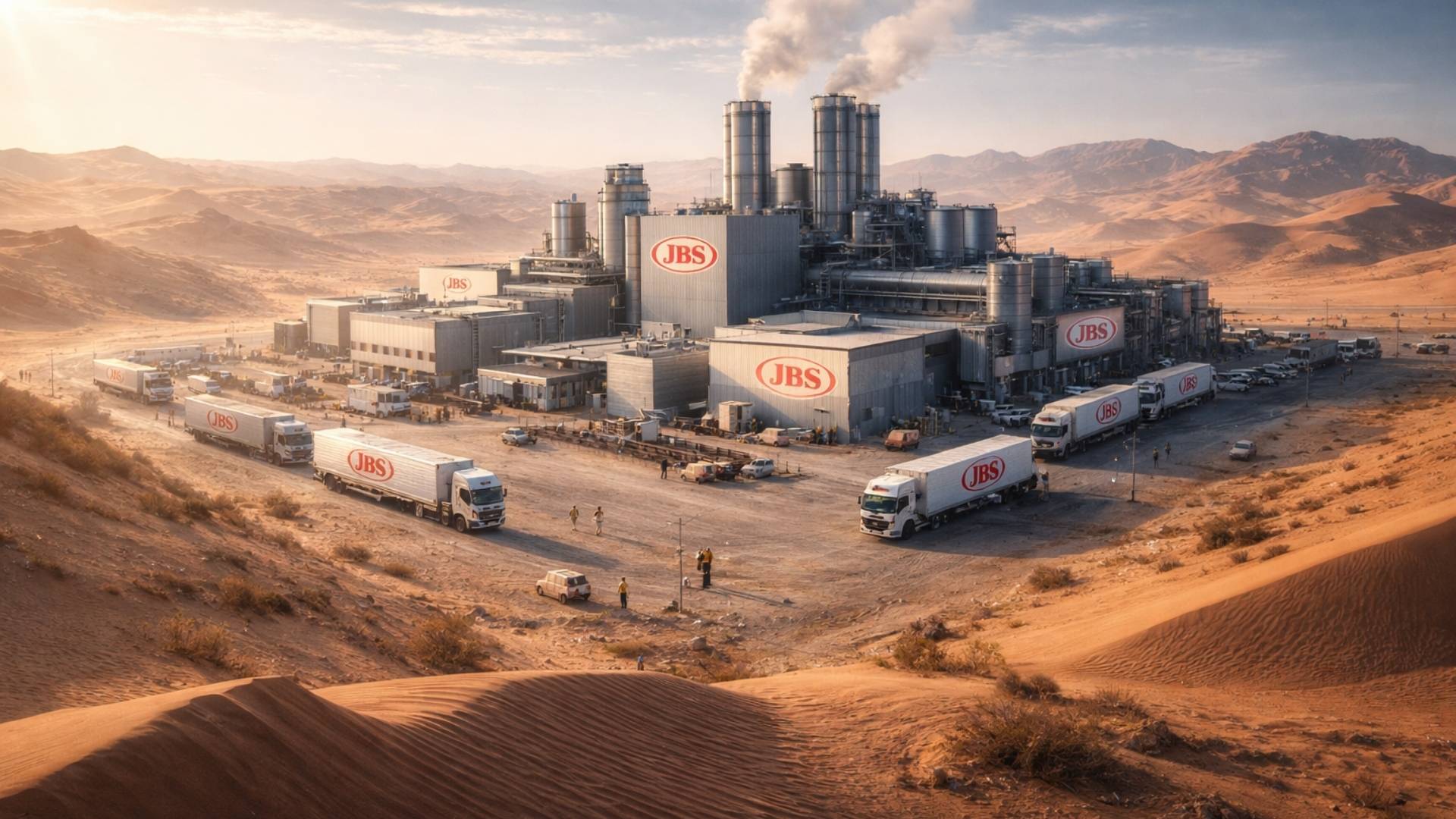
JBS, founded by the Batista brothers, continues to conquer the world: entrepreneurs built a ‘factory in the desert’ creating 3,000 jobs.
-
With only 1% of Brazil’s territory, Santa Catarina has built one of the most competitive industrial parks in the country, with 64,000 companies, nearly 1 million jobs, and a growth rate of 5.3% while the national industry is practically stagnant.


Expansion of Family Farming and Strengthening of Land Policies
The recent restructuring of the National Land Credit Program significantly expanded access to credit for family farmers throughout the country.
The partnership between the federal government, states, and municipalities ensured a more efficient governance model, making the land acquisition process faster and more inclusive.
With increased targets, reinforcement in Technical Assistance and Rural Extension (ATER), and greater support for strategic audiences, such as young farmers, the program has established itself as a driver of regional development.
This expansion has ensured the continuity of family production and strengthened local economies based on sustainable and cooperative practices.
Productive Inclusion and Rural Sustainability with the National Land Credit Program
According to the Secretary of Land Governance of the MDA, Moisés Savian, the strengthening of the National Land Credit Program demonstrates the government’s commitment to land democratization and social justice in the countryside.
The current focus goes beyond purchasing properties: it also seeks to consolidate sustainable and profitable productive projects.
This integration of accessible credit, technical training, and ongoing support strengthens income generation and stimulates environmentally friendly agricultural practices.
The result is a more resilient agriculture, combining land security, social inclusion, and territorial development.
Young Farmers, Rural Succession, and Credit for Small Producers
Among the differentiating factors of the new phase of the National Land Credit Program is the incentive for young rural workers.
The policy offers facilitated credit for the acquisition of productive areas and the implementation of agricultural innovation projects.
This strategy combats rural exodus, values work in the countryside, and ensures the continuity of family activities.
The increase in budget and greater efficiency in executing public resources resulted in significant growth in contracts and strengthened rural income.
Thus, the National Land Credit Program reaffirms its essential role in generating opportunities and stimulating sustainable agriculture throughout the national territory.









Seja o primeiro a reagir!