





 English
  Francês
  Alemão
  Italiano
  Japonês
  Norueguês
  Portuguese
  Spanish
  4 min of reading


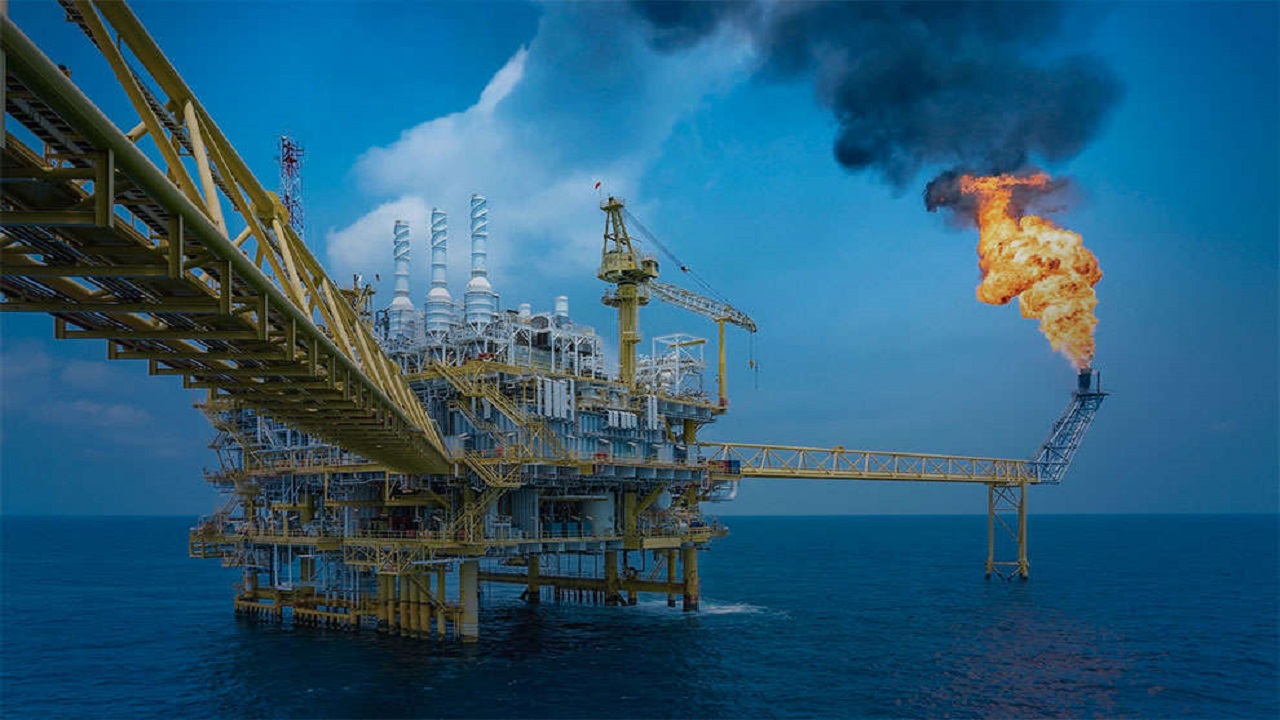
The Brazilian Institute of Oil and Gas (IBP) Projects Thousands of Job Openings in Onshore and Offshore Sectors Next Year. The Estimate is That US$ 50 Billion Will Be Invested by 2024
The oil and gas sector, affected by the pandemic, is showing signs of recovery, with the prospect of generating 30 to 50 thousand onshore and offshore job openings for next year. The survey was conducted by the Brazilian Institute of Oil and Gas (IBP), an entity comprised of the leading companies in the segment. The optimistic outlook is being driven by the sale of Petrobras assets and also by the stabilization of oil prices.
Read Other Related News
IBP Predicts Investments of US$ 50 Billion by 2024
According to Eberaldo Almeida, President of the Brazilian Institute of Oil and Gas at IBP, oil production in the country has grown by 140% over the past two decades. There are about 3 million barrels produced daily.
The estimate made by IBP is that this production will reach 5.4 million barrels per day by 2030. For this to be possible, many investments must be made.
-
Brazilian giant expands borders in the Southeast: Petrobras confirms new oil discovery in ultra-deep waters in the pre-salt of the Campos Basin.

-
Alert in the global energy market: Severe tropical cyclone hits the coast and disrupts gas production at major plants in Australia, threatening global supply.

-
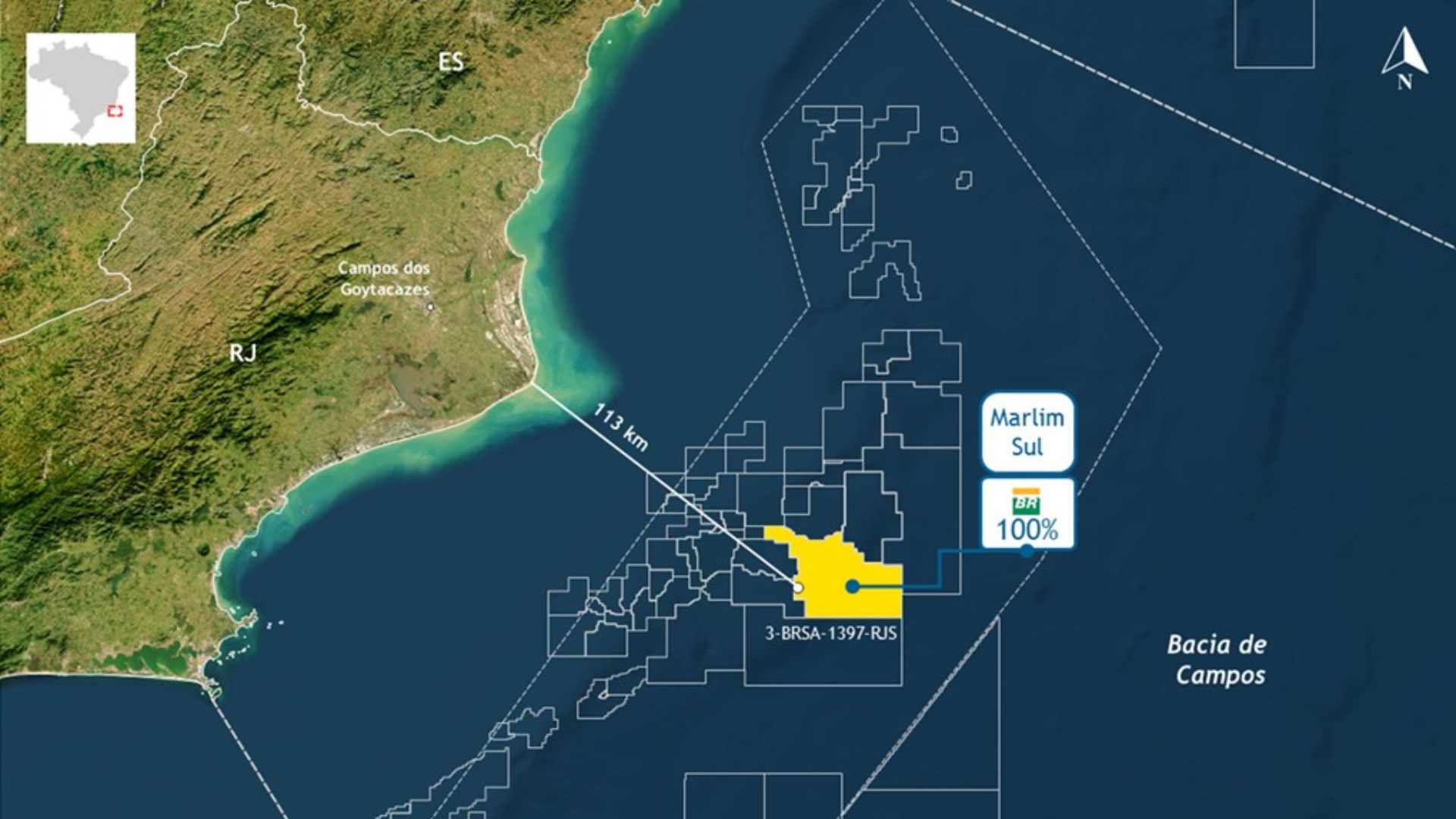
Petrobras finds high-quality oil in the pre-salt at 113 km from RJ and reignites expectations about strategic reserves in the Campos Basin.

-
Ocyan opens registrations for startups focused on innovation in the oil and gas sector and will select projects for Innovation Day with the support of Nexio.


By 2024, the institute estimates that US$ 50 billion will be invested in the sector, which will also create various onshore and offshore job openings. The increase in hiring and production is being driven by the auction of pre-salt surplus held last Friday (17), which generated R$ 11 billion for public coffers.
The projection, according to the Brazilian Institute of Oil and Gas (IBP), is that the oil and gas production sector will jump from 330 thousand onshore and offshore job openings to 610 thousand by 2025.
Salaries Increase in Oil and Gas Sector Job Openings
Almeida points out that among the factors contributing to this scenario is the movement of Petrobras assets. According to the director of the Brazilian Institute of Oil and Gas (IBP), this causes essential movements in states such as Bahia and Rio Grande do Norte.
In addition to private sector companies, some of which had to build teams from scratch, Petrobras opened a public competition after a voluntary dismissal program.
Last Friday (17), a public notice was released offering about 750 job openings and 3,780 for a reserve list. The current base salary is R$ 6 thousand, with a minimum remuneration of R$ 11.7 thousand.
Extraction Sector Had 13 Consecutive Months of Negative Balance
A study conducted by LCA Consultores, based on information from the Ministry of Labor and Social Security, states that only the extraction sector had a consecutive year and a month of negative balance, between last year and this year, with more dismissals than hiring.
Starting in April, the sector began to show a reaction and recorded a positive balance in the months of July and October this year. However, the approximately 1.88 thousand job openings lost have not yet been recreated.
According to Bruno Imaizumi, economist at LCA Consultores, the recovery of job opportunities is driven by the pre-salt, with private operators purchasing projects, the beginning of operation of the FPSO Carioca platform by Petrobras, and also by the increase in natural gas extraction to supply thermoelectric plants.
To Achieve the Global Zero Emissions Target, a 75% Cut in Crude Oil Demand Will Be Necessary
There are some scenarios indicating that to achieve the zero emissions target, a 75% cut in crude oil demand will be necessary from now until 2050, says Francisco Monaldi, director of the Latin American Energy Program at the Baker Institute at Rice University in the U.S. state of Texas. However, other analysts believe there will be little fluctuation in demand and that by 2050 it will even be slightly above current levels.
“This last scenario indicates that we will reach a peak in demand and that from there it will start to decline, but obviously, it would not be a scenario even remotely as catastrophic. In any case, it is inevitable that the energy transition will occur, and that the demand for oil will not continue to grow as it has in the past,” he concludes.
The uncertainties surrounding the pace of execution of the energy transition will affect, for example, the ease of obtaining resources to finance new projects in the oil and gas sector, since some require high amounts and entail decades of production, with oil extraction lasting 20 or 30 years.
“Imagine, for example, a deep-water exploration project in the Gulf of Mexico. We will see fewer and fewer of these types of projects. Those already underway, like those Brazil has in the pre-salt, will be developed, but new ones will face more difficulty.”







Seja o primeiro a reagir!