





 English
  Francês
  Alemão
  Italiano
  Japonês
  Norueguês
  Portuguese
  Spanish
  6 min of reading
  0 comments


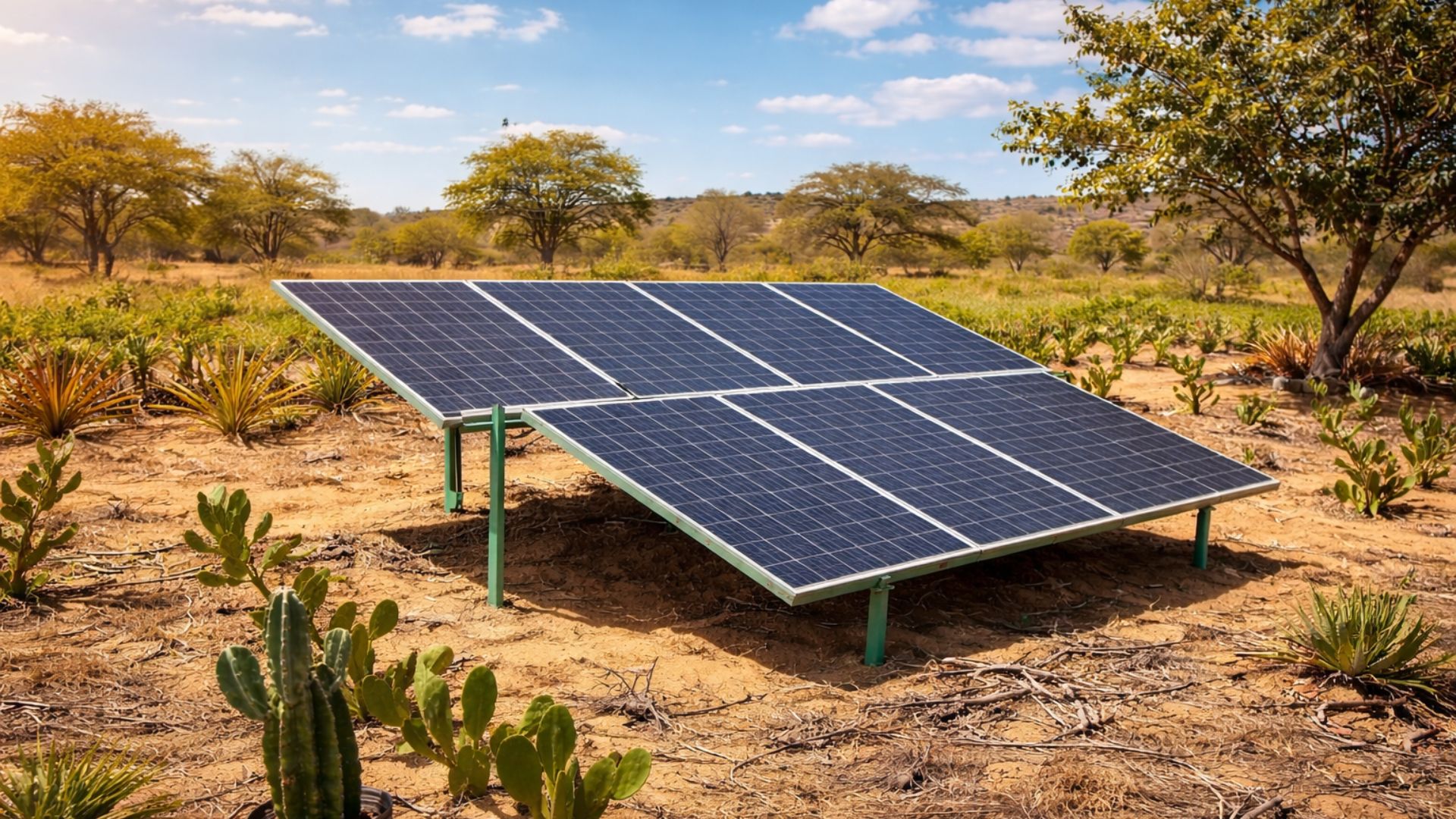
Initiative Aims to Install Solar Panels on Family Farming Properties in the Semiarid Region, Expanding Access to Solar Energy, Reducing Costs and Strengthening Rural Producers Through a New Sustainable Project.
A new project aimed at expanding solar energy in family farming promises to transform the reality of thousands of families in the Brazilian semiarid. The initiative aims to install solar panels on rural properties to reduce electricity costs, increase energy autonomy, and strengthen agricultural production in regions historically marked by climatic and economic challenges.
According to a report published by Globo Rural on Thursday (12), the proposal, called One Million Solar Roofs, will be launched by the Articulação do Semiárido Brasileiro (ASA) with funding from the Banco do Brasil Foundation. Still in the pilot phase, the project aims to install photovoltaic systems capable of generating up to 300 kWh per month on family farming properties initially located in Paraíba, Pernambuco, and northern Minas Gerais.
Inspired by the One Million Cisterns program, which increased access to water in the early 2000s, the initiative now bets on the expansion of solar energy as a tool for rural development. The expectation is that the installation of solar panels will allow farmers to reduce expenses, improve productive infrastructure, and strengthen the local economy.
-
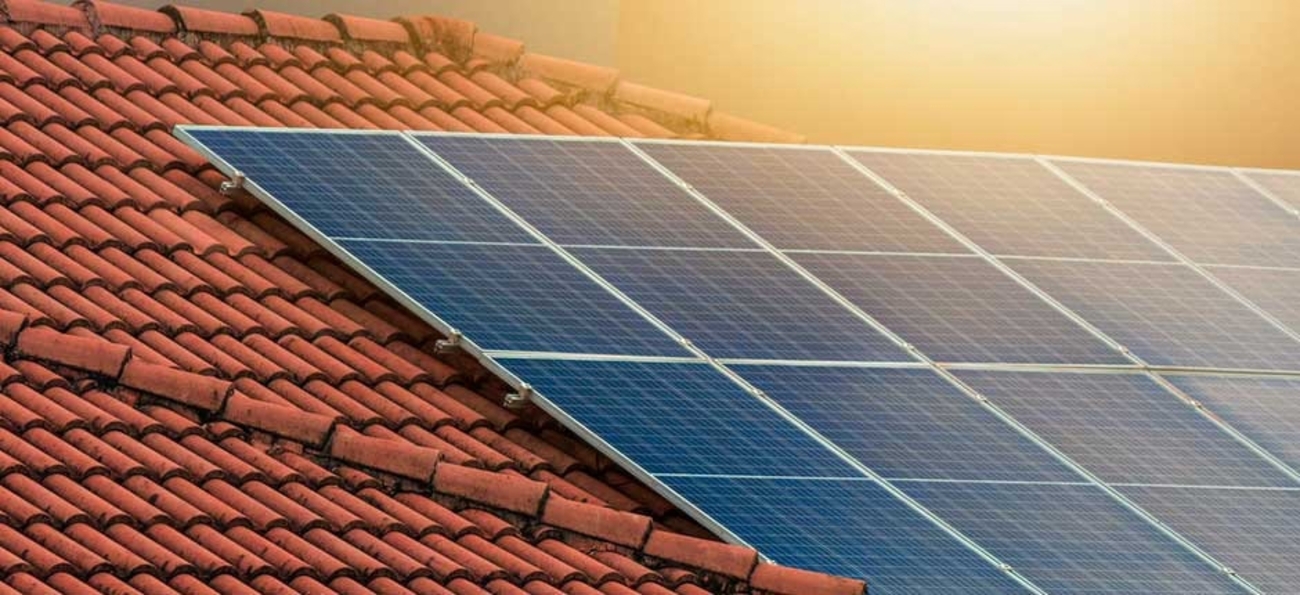
Roraima bets on the sun to escape high tariffs: Amid the energy crisis and price hikes, solar energy is growing in Roraima and transforming consumption in the North region.
-
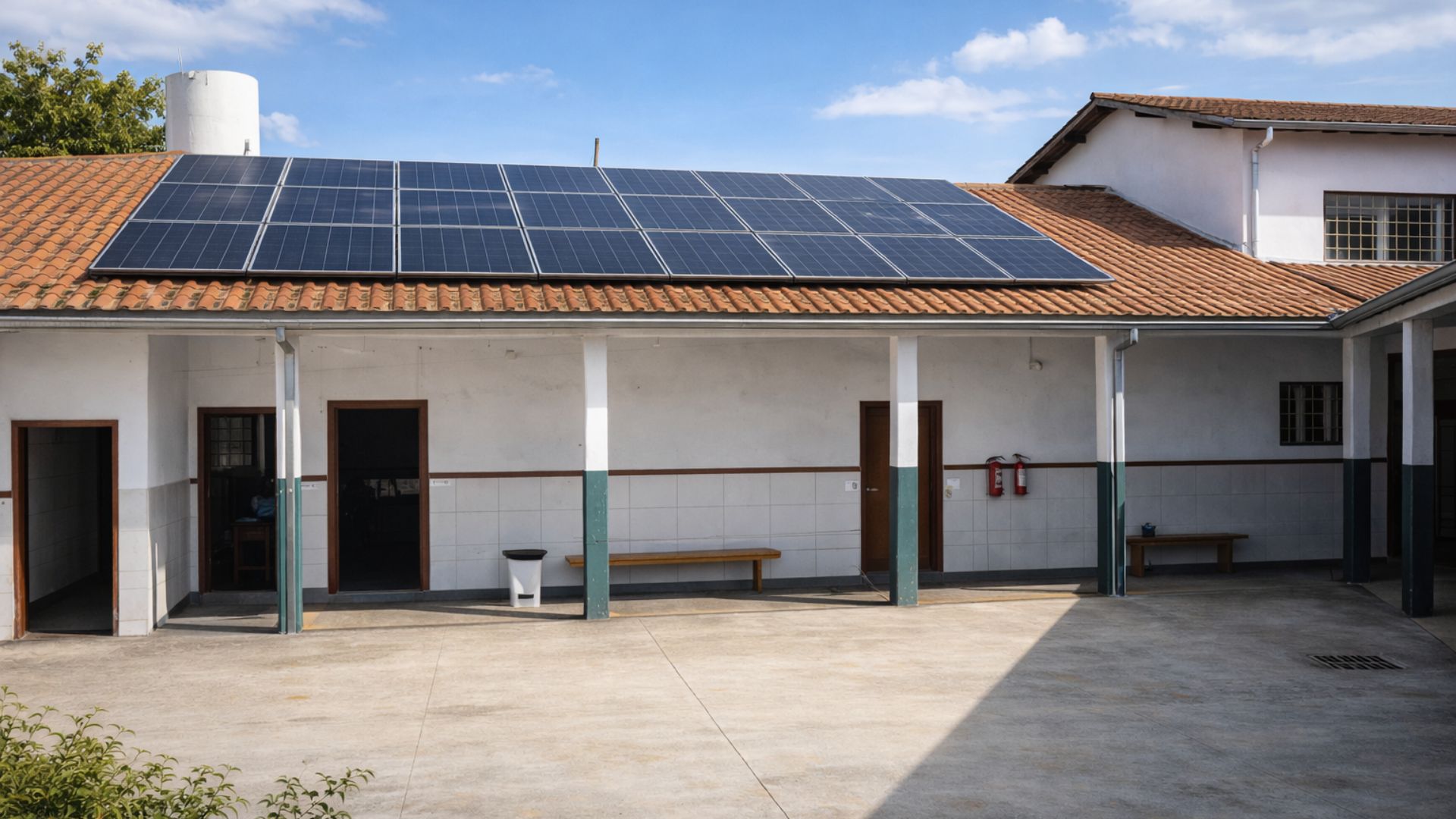
Copel boosts solar energy in Paraná and brings innovation to public schools, promoting savings on electricity bills, energy efficiency, and a direct impact on the quality of education.
-
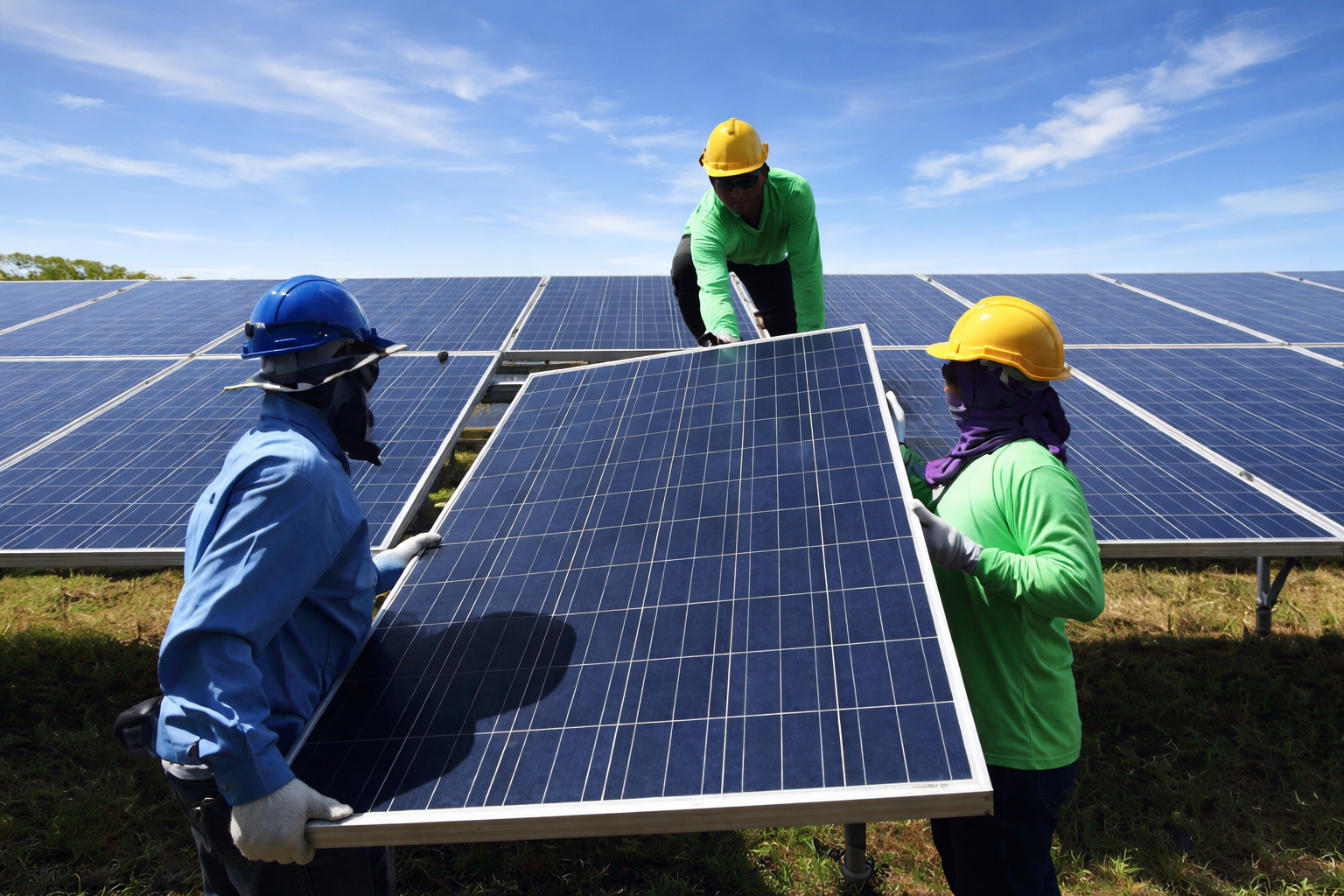
Brazil reaches historic milestone in solar energy: Sector surpasses 2 million accumulated green jobs and generates billions in the national economy even under market pressure.
-
Minas Gerais takes the lead in renewable energy: State surpasses historic mark of 14 GW in solar energy generation in MG and consolidates dominance in the Brazilian electric sector.
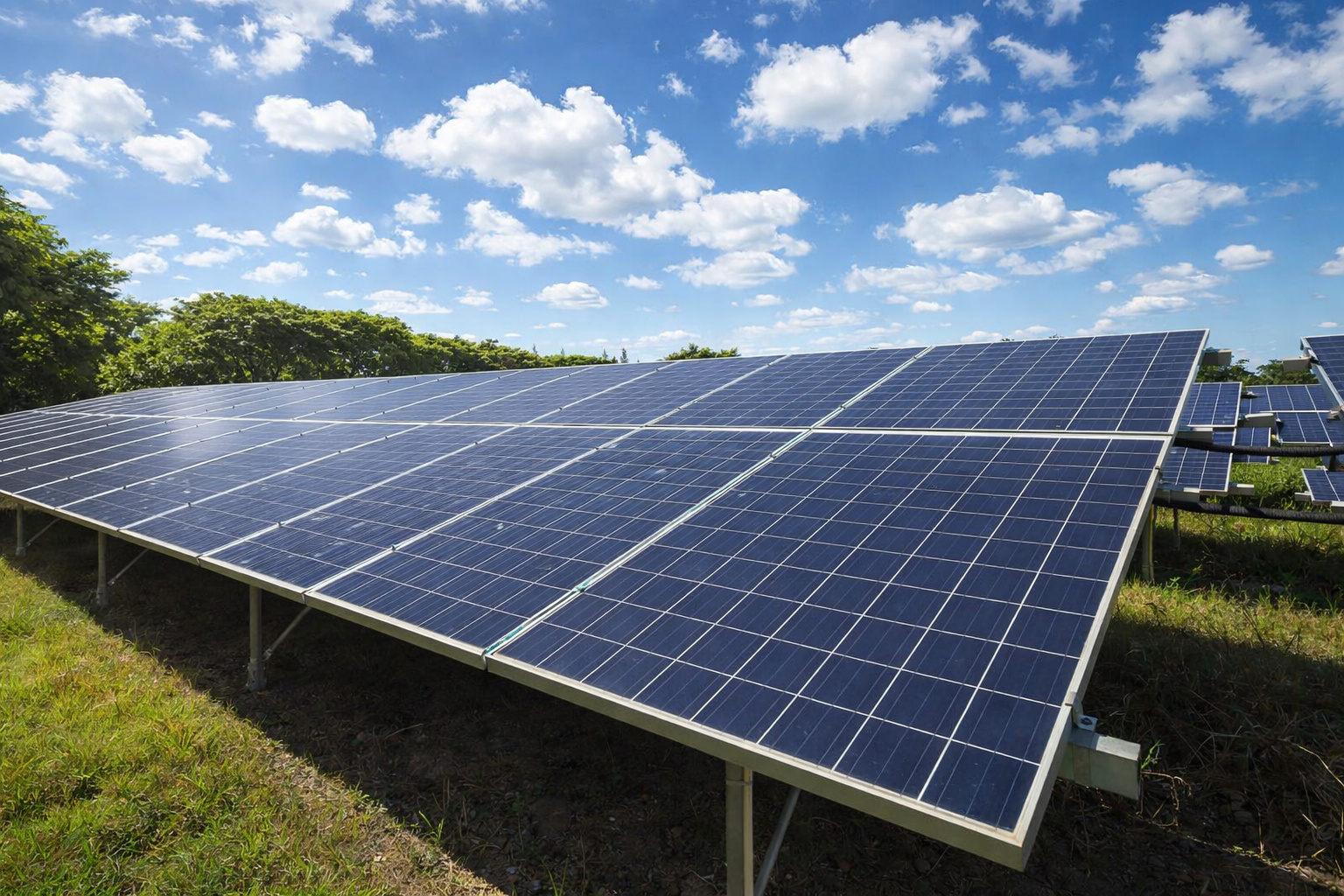

Project Seeks to Expand Solar Panels in the Semiarid and Democratize Access to Energy in the Countryside
The new project arises at a time when access to electricity still represents a challenge for part of family farming in the semiarid. Although the region concentrates large renewable energy enterprises, many rural communities still face structural limitations in energy supply.
The installation of solar panels on the properties aims to change this scenario. By generating solar energy directly on productive units, the project intends to reduce dependence on the conventional electrical grid and increase farmers’ energy autonomy.
According to Adriana Galvão, a member of the NGO Agriculture and Agroecology (AS-PTA), an organization that has been active for 33 years in the region, the initiative aims to reach a significant scale over time.
The proposal, according to her, is to ensure enough energy for rural families and make access to electricity fairer and more inclusive for those living in the countryside. The central objective of the project is to bring solar panels to agricultural properties and enable the potential of solar energy in the semiarid to directly benefit family producers.
Brazilian Semiarid Has High Potential for Solar Energy Generation
The Brazilian semiarid has one of the highest solar radiation incidences on the planet, a condition that favors the development of solar energy systems. According to studies from the National Institute for Space Research (INPE), the Northeast region exhibits high irradiation levels for practically the entire year.
Despite this potential, much of the renewable energy production in the region is concentrated in large wind farms or large-scale solar plants. These enterprises help supply the national electrical system, but do not always directly benefit rural communities.
The project to expand solar panels aims precisely to reduce this energy inequality. By installing photovoltaic systems on the properties, the generation of solar energy directly serves the family farming of the semiarid.
In addition to reducing costs, this strategy can also enhance energy security on rural properties. With self-generated electricity, farmers become less dependent on fluctuations in the conventional system and can better plan their productive activities.
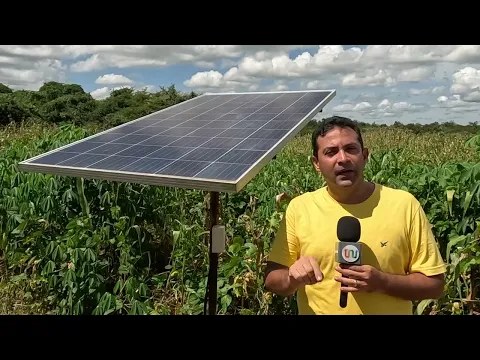

Solar Energy Reduces Costs and Expands Productive Capacity of Family Farming
One of the main benefits of the project is related to the reduction of electricity expenses. According to the Articulação do Semiárido Brasileiro, the cost of energy can compromise more than 10% of family income in various rural properties in the region.
This financial impact often limits farmers’ ability to invest in technology, infrastructure, or expansion of agricultural production. In this context, the installation of solar panels emerges as a strategic solution.
With self-generated solar energy, families can significantly reduce their electricity bills. This relief in the budget allows them to allocate resources to other areas of rural production.
In addition, the use of solar panels can ensure the continuous operation of essential equipment for work in the field, such as irrigation systems, processing machines, and storage structures.
In the semiarid, where climatic conditions demand efficient solutions for agricultural production, access to solar energy can represent a decisive factor in increasing productivity and improving the sustainability of properties.
Experience in the Interior of Paraíba Shows the Impact of Solar Panels in the Field
Experiences already conducted in rural communities demonstrate that the use of solar panels can bring concrete benefits to farmers in the semiarid. One example comes from the municipality of Esperança, located in Paraíba.
In the region, farmers participated in a project developed with the support of the Federal Institute of Education, Science and Technology of Paraíba (IFPB). The initiative installed solar energy systems on rural properties to support agricultural production processing activities.
Among the beneficiaries is farmer Maria das Graças Domingos Vicente. She was one of the first to receive a system with an initial capacity of 300 kWh per month through solar panels installed on her property.
Subsequently, Maria das Graças expanded the system with financing obtained through the National Program for the Strengthening of Family Agriculture (Pronaf), operated by the Bank of the Northeast.
Today, the system installed on her property has a capacity of approximately 1000 kWh. The financial impact was significant. According to the farmer, the electricity bill fell from about R$ 2,5 thousand to approximately R$ 400 per month.
This result demonstrates how the adoption of solar energy can transform the economic reality of rural properties in the semiarid, reducing costs and increasing productive capacity.
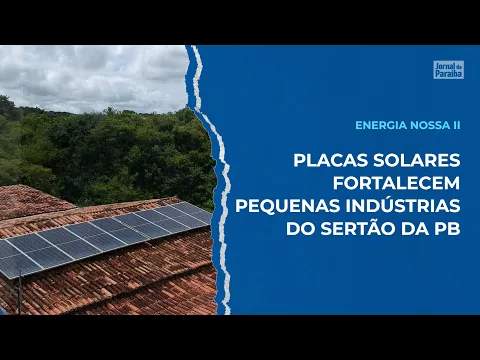
Semiarid Communities Begin to Invest in Collective Solar Energy Generation
In addition to the individual systems installed on properties, the project has also inspired collective solar energy generation initiatives in rural communities.
In the Resilient Community of Benefício, also located in Esperança, farmers organized the construction of a micro power plant formed by solar panels to produce energy collectively.
The proposal is for the production of solar energy to be managed collectively by the community residents. This model allows several families to access locally generated electricity, reducing costs and strengthening cooperation among producers.
According to the ASA, this type of initiative can become a reference for other communities in the semiarid. The experience shows that the installation of solar panels not only reduces electricity expenses but also strengthens the social and economic organization of rural communities.
Energy, Autonomy, and Rural Development Go Hand in Hand in the Semiarid
Although the semiarid is currently one of the regions producing the most renewable energy in Brazil, many farming families still face difficulties accessing suitable electrical infrastructure.
In various localities, for example, the available grid does not provide sufficient three-phase energy to operate more powerful agricultural equipment. This limitation hinders the use of more efficient irrigation systems and restricts the productive potential of properties.
In this scenario, the project that encourages the installation of solar panels represents a concrete alternative to expand access to solar energy in the countryside.
With greater energy autonomy, farmers are better positioned to modernize their properties, increase productivity, and reduce dependence on external energy supply systems.
By integrating solar energy, technological innovation, and family farming, the project points to a new model of rural development in the Brazilian semiarid, based on sustainability, social inclusion, and strengthening of the local economy.








Seja o primeiro a reagir!