





 Portuguese
  English
  Spanish
 4 min of reading
  0 comments


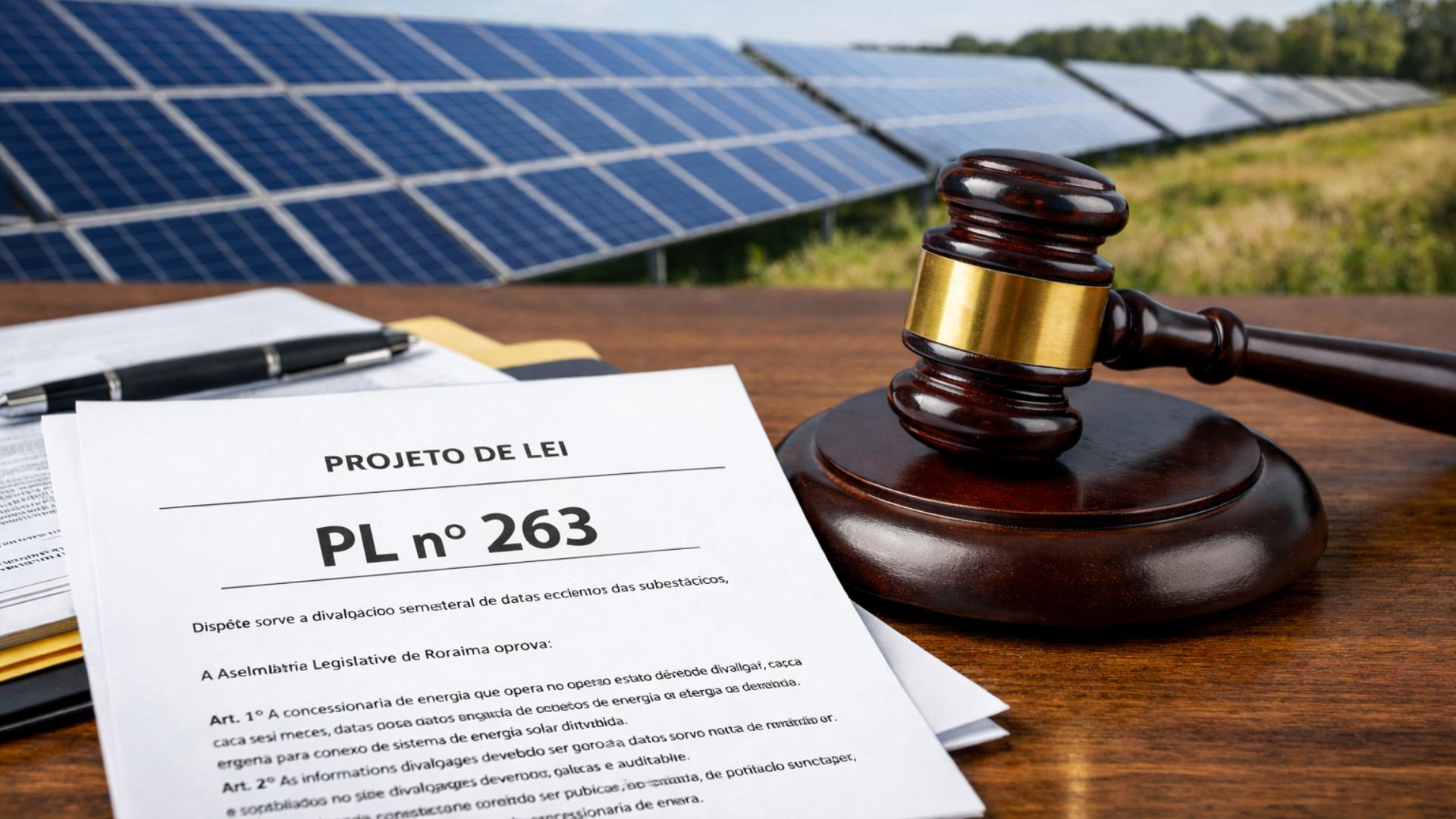
Bill Approved in Roraima Requires Energy Company to Disclose Technical Data of Power Grid, Increasing Transparency, Legal Security and Growth of Distributed Generation with Solar Energy
On December 22, 2025, the Legislative Assembly of Roraima approved a Bill that significantly changes the relationship between consumers, investors, and the energy company operating in the state. According to an article published by Folha BV, the proposal requires the periodic disclosure of technical data regarding the capacity of electric substations for the connection of solar energy, especially aimed at distributed generation.
The measure aims to increase transparency, reduce financial losses, and create a safer environment for those investing in clean energy. In addition, the approved text is aligned with the guidelines of the National Electric Energy Agency (Aneel), reinforcing access to information and predictability in the state’s electric sector.
Bill Approved in Roraima and What Changes in Practice
The Bill No. 263, authored by state deputy Jorge Everton (União Brasil), establishes that the energy company must disclose detailed technical data on the capacity of the state’s electric substations every six months.
-
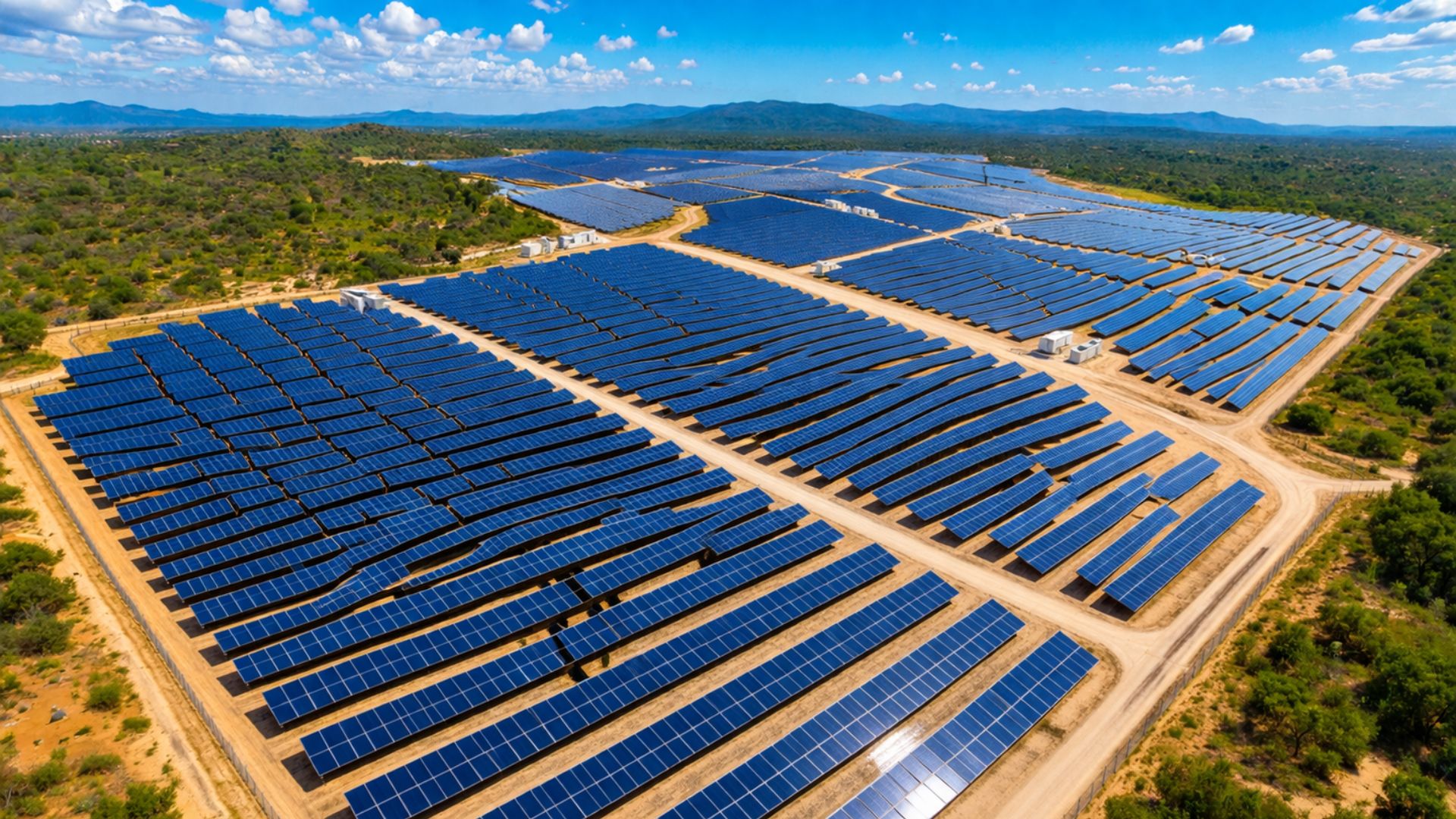
The Sol do Agreste Photovoltaic Complex begins operations in Pernambuco and accelerates the expansion of solar energy in Brazil, directly impacting the reduction of emissions and strengthening the sustainable energy matrix.
-
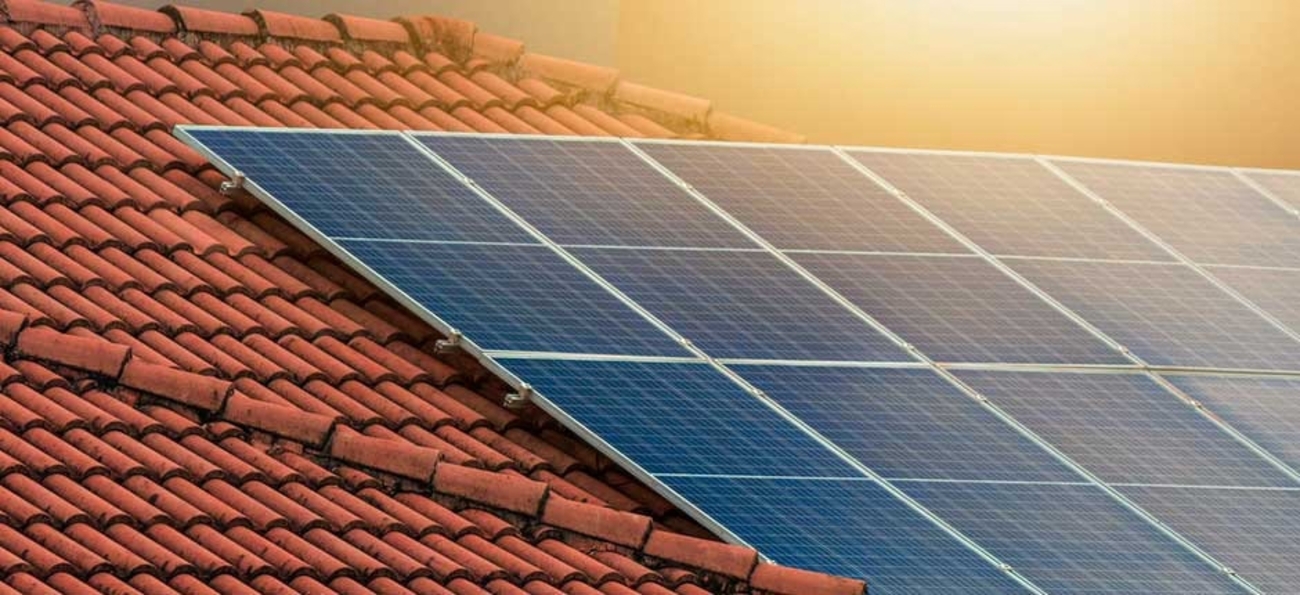
Roraima bets on the sun to escape high tariffs: Amid the energy crisis and price hikes, solar energy is growing in Roraima and transforming consumption in the North region.
-
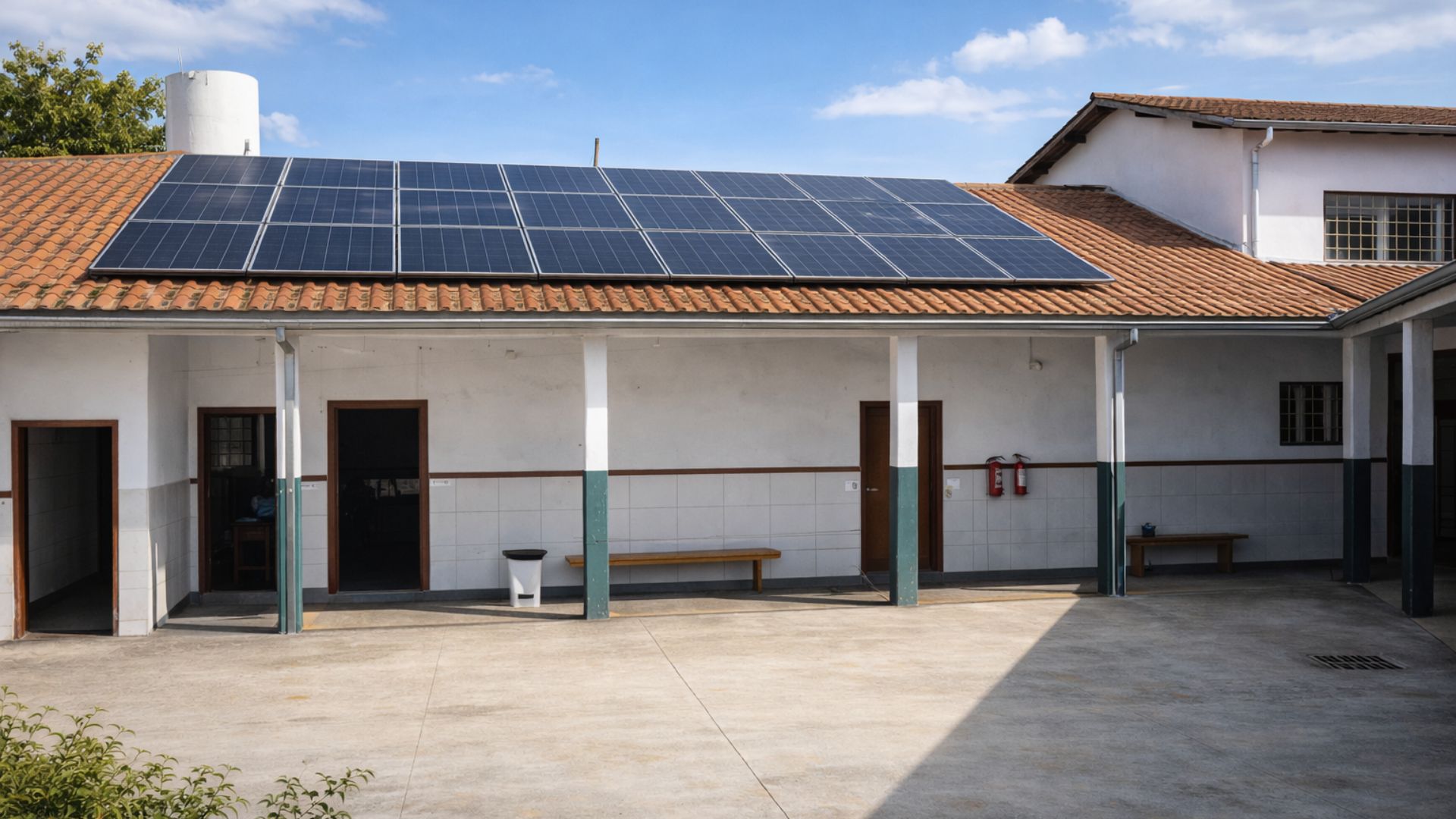
Copel boosts solar energy in Paraná and brings innovation to public schools, promoting savings on electricity bills, energy efficiency, and a direct impact on the quality of education.
-
Brazil reaches historic milestone in solar energy: Sector surpasses 2 million accumulated green jobs and generates billions in the national economy even under market pressure.
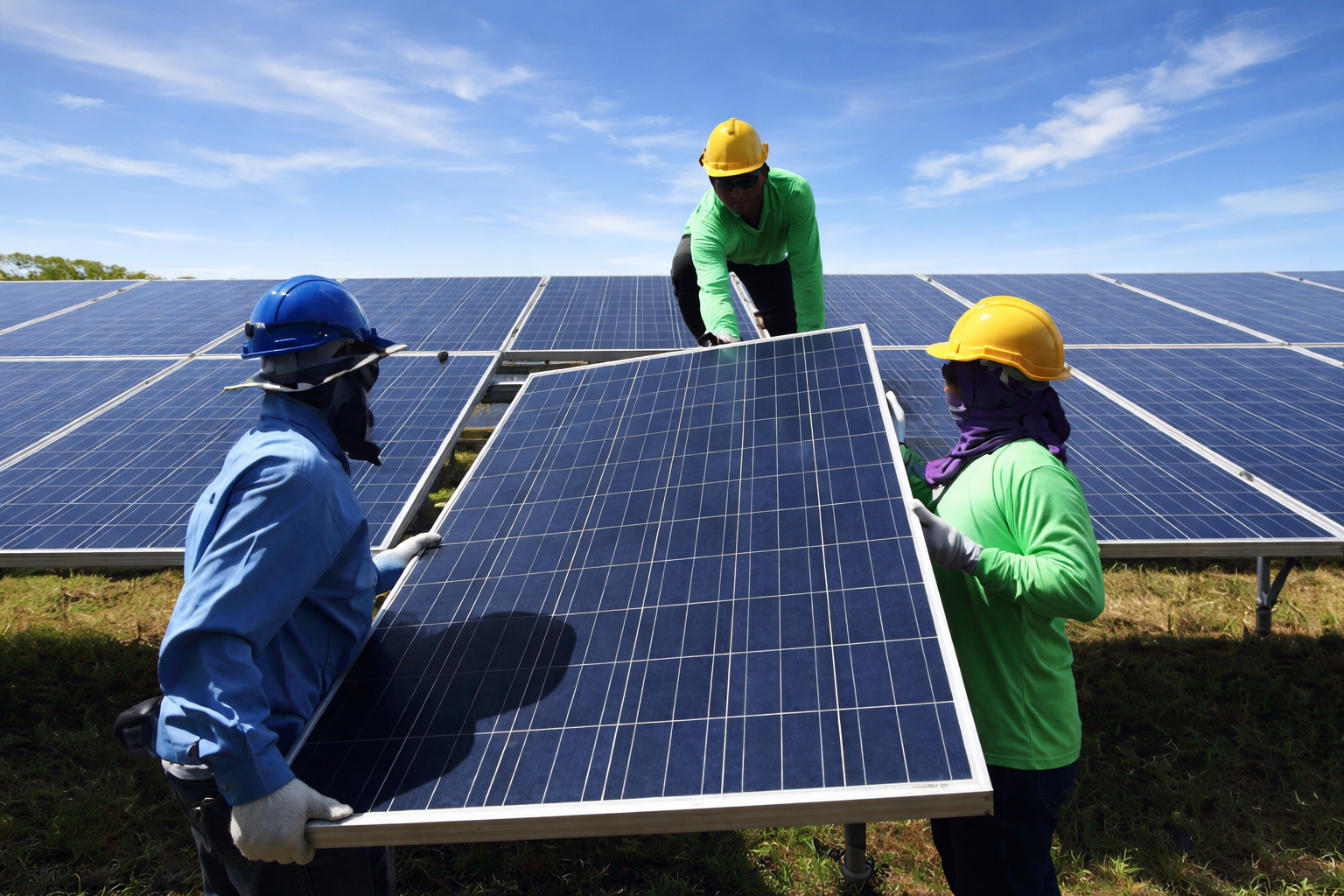

This information must be public, clear, and auditable, as well as available on the official website of the company responsible for supplying power in Roraima. The goal is to allow consumers, businesses, and investors to assess the technical feasibility of new solar energy projects connected to the grid in advance.
Furthermore, the data may also be monitored by the Procon Assembly, enhancing social and institutional control over the quality of the information disclosed.
Solar Energy and Distributed Generation Gain More Transparency
The expansion of solar energy in Brazil directly depends on the clarity of technical information regarding electrical infrastructure. In Roraima, this need is even greater due to the historical limitations of the grid and the high demand for distributed generation.
Until now, many consumers and entrepreneurs invested in solar systems without knowing if the local substation had the capacity to absorb the generated energy. In many cases, this resulted in delays, additional costs, or even project unfeasibility post-installation.
With the new Bill, the energy company is now required to provide reliable and updated data, reducing risks and avoiding financial losses.
Alignment with Aneel Guidelines on Solar Energy
The text approved in Roraima follows guidelines already established by the National Electric Energy Agency. Aneel advocates that the disclosure of technical data about the power grid is essential for ensuring fair competition, legal security, and sustainable growth of distributed generation.
According to the regulatory agency, access to information allows consumers to make more informed decisions and enables the solar energy market to develop in an organized manner, avoiding overloads and conflicts with the energy company.
By turning this guideline into a legal obligation, the Bill strengthens the state regulatory environment and brings Roraima closer to best practices adopted in other regions of the country.
Direct Impacts for Consumers, Companies, and Investors
In practice, the new legislation brings immediate benefits for those looking to invest in solar energy. With access to technical data of the substations, it will be possible to identify regions with greater or lesser capacity for distributed generation even before starting the project.
This avoids unnecessary expenses with equipment, reduces technical rework, and improves financial planning for residences, businesses, and industries in Roraima.
According to deputy Jorge Everton, author of the Bill, the proposal provides legal security and economic predictability, two essential factors for attracting investments and stimulating sustainable growth in the sector.
Energy Company Takes on a Strategic Role
With the approval of the Bill, the energy company takes on an even more strategic role in the development of the state’s electrical sector. Besides operating the grid, it becomes responsible for the transparent disclosure of technical information fundamental for the market.
The data must be presented clearly, in a standardized and auditable manner, avoiding misinterpretations that could harm consumers or investors interested in solar energy and distributed generation. This new scenario strengthens the relationship between the energy company, the public authorities, and society, increasing trust in the electric system of Roraima.
Protection of Jobs and Strengthening of the Solar Energy Chain
Another relevant point of the Bill is the direct impact on the production chain of solar energy in the state. According to the legislator, about 3,500 direct and indirect jobs linked to the sector may be protected by this measure.
The technical predictability reduces project cancellations, preserves contracts, and strengthens local companies that work with distributed generation, from integrators to equipment suppliers.
In a state with historical energy challenges, such as Roraima, regulatory stability is viewed as essential for economic and social development.
Solar Energy as a Vector for Sustainable Development in Roraima
Solar energy is considered strategic for the Brazilian energy transition, especially in regions with high solar incidence. In Roraima, the expansion of distributed generation represents savings on electricity bills, reduced dependence on more expensive sources, and less environmental impact.
By demanding technical transparency from the energy company, the Bill creates fairer conditions for clean energy to advance in an organized, safe, and sustainable manner. The approval of Bill No. 263, in December 2025, marks a regulatory milestone for the electric sector in Roraima.
The requirement for semi-annual disclosure of technical data enhances transparency, reduces risks, and strengthens distributed generation based on solar energy. The initiative benefits consumers, investors, businesses, and workers, in addition to aligning the state with national regulatory guidelines and access to information.







Seja o primeiro a reagir!