





 Portuguese
  English
  Spanish
 5 min of reading
  0 comments


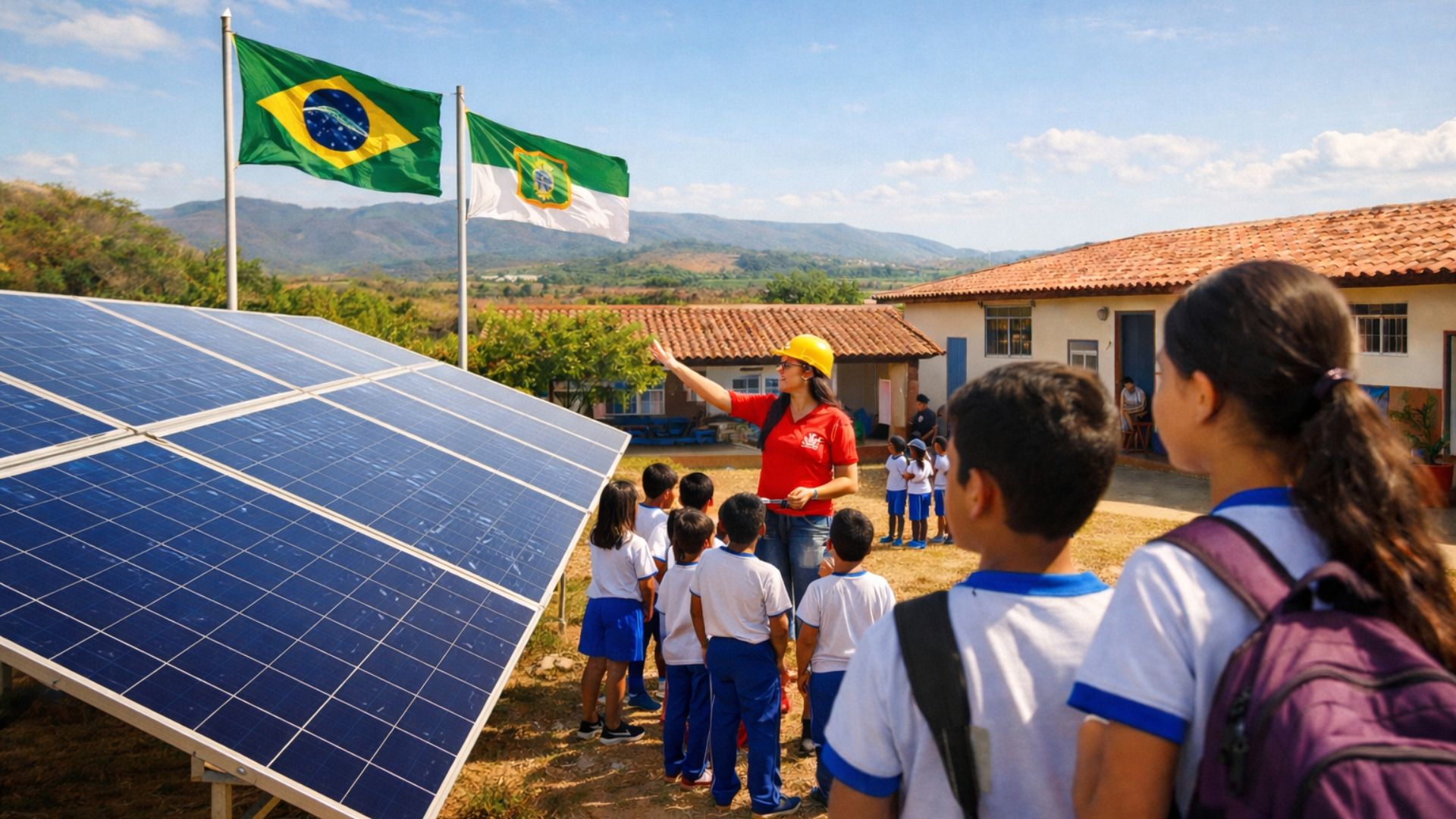
EDP Project Installs Solar Energy in Schools in Rio Grande do Norte, Reducing Public Expenses and Strengthening Sustainable Education with Direct Benefits for Students and Local Communities.
EDP has completed the implementation of a project that brings solar energy to public schools in Rio Grande do Norte, combining renewable generation with actions of sustainable education and social inclusion. According to a publication made by EDP itself this Wednesday (25), the initiative is part of the Women Mil program and received an investment of approximately R$ 270 thousand, with the installation of photovoltaic systems in four educational institutions located in the municipalities of Lajes, Pedro Avelino, Caiçara do Rio do Vento, and Pedra Preta.
EDP Initiative Will Bring 50% Savings for the Units
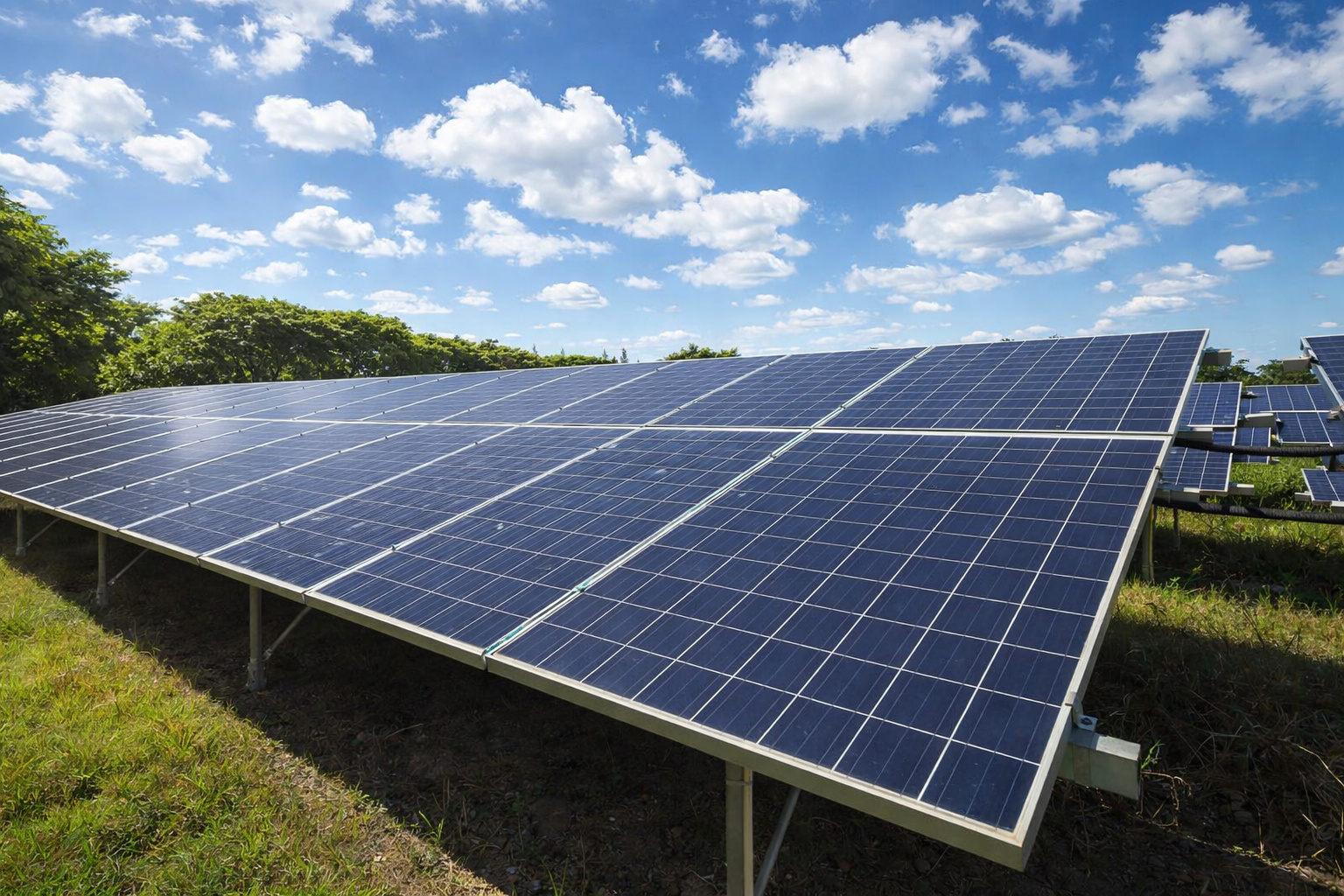
The systems have been operational since December 2025 and have a total installed capacity of 49 kWp, with more than 30 solar panels distributed among the participating units. The expectation is that self-generation will allow for approximately 50% savings on electricity bills for these institutions.
The savings obtained will be directed to Municipal Educational Funds, created and approved by local councils. These resources can be used for structural and pedagogical improvements in other institutions within the public network, expanding benefits beyond the initially contemplated units.
-
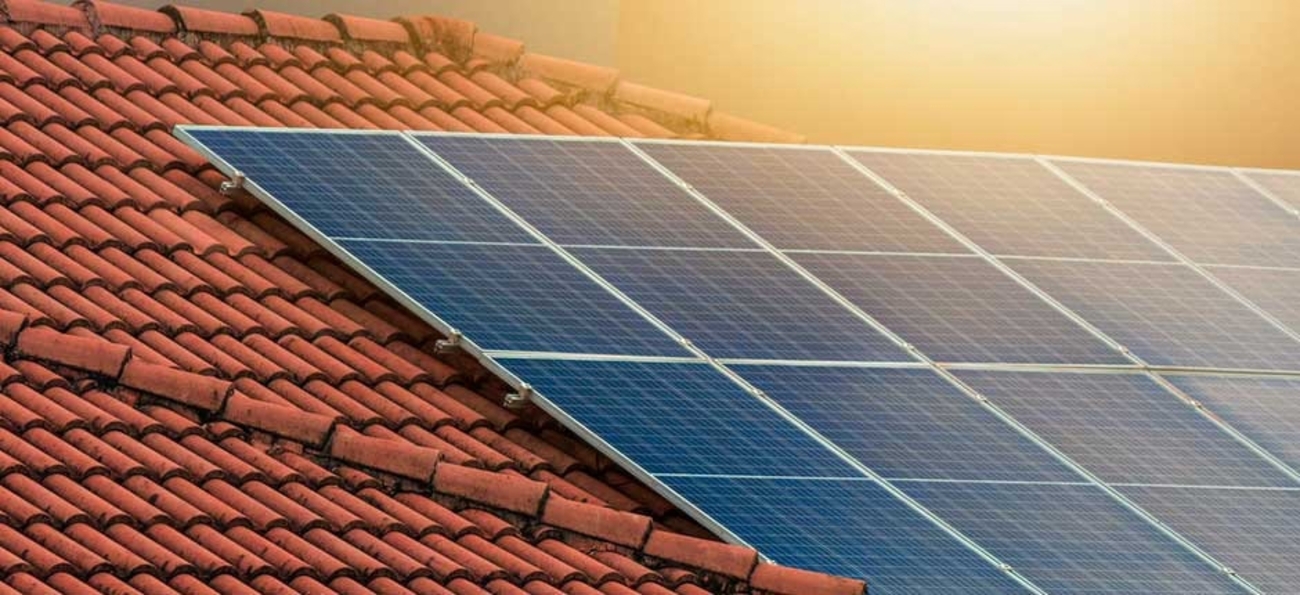
Roraima bets on the sun to escape high tariffs: Amid the energy crisis and price hikes, solar energy is growing in Roraima and transforming consumption in the North region.
-
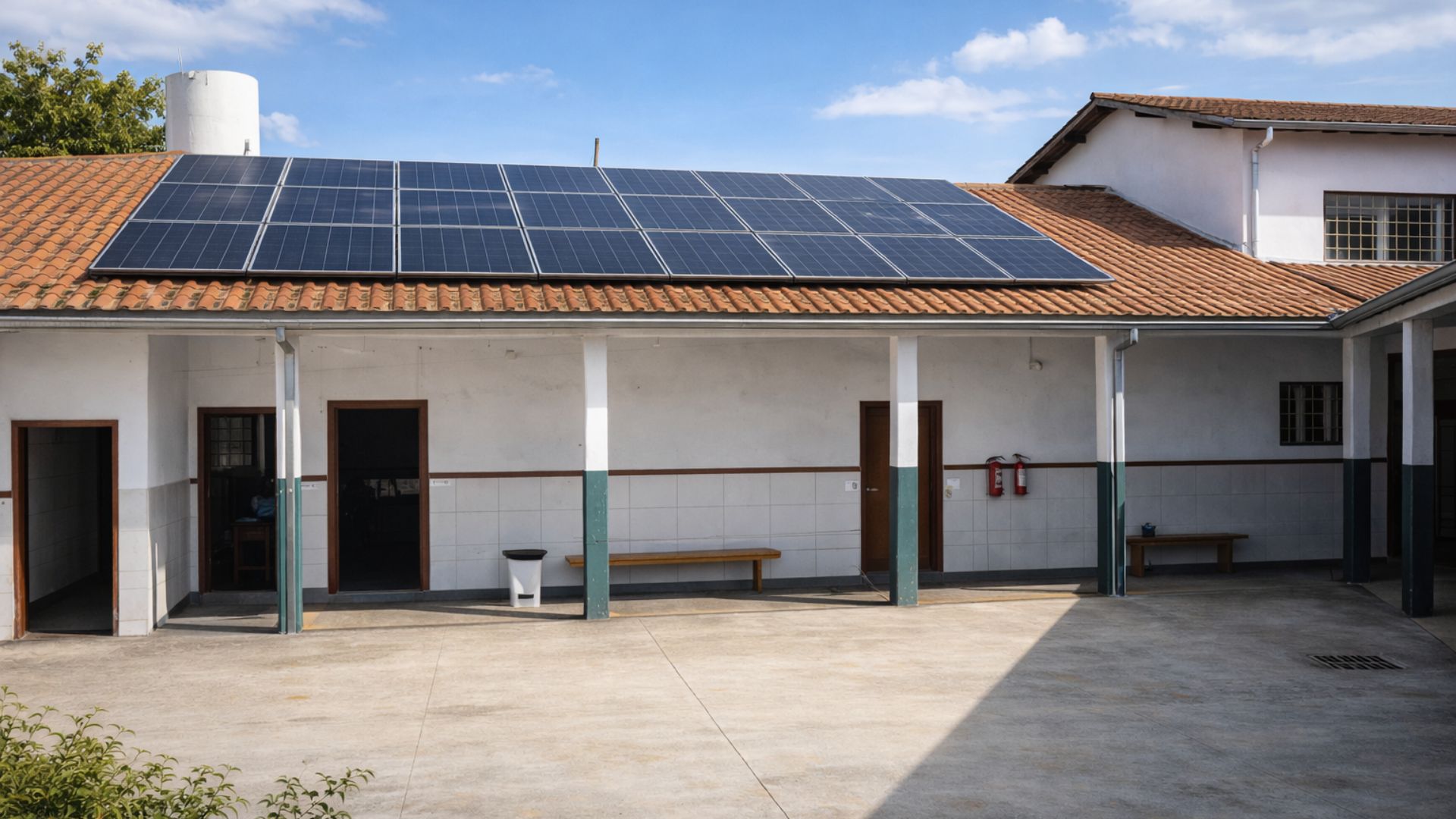
Copel boosts solar energy in Paraná and brings innovation to public schools, promoting savings on electricity bills, energy efficiency, and a direct impact on the quality of education.
-
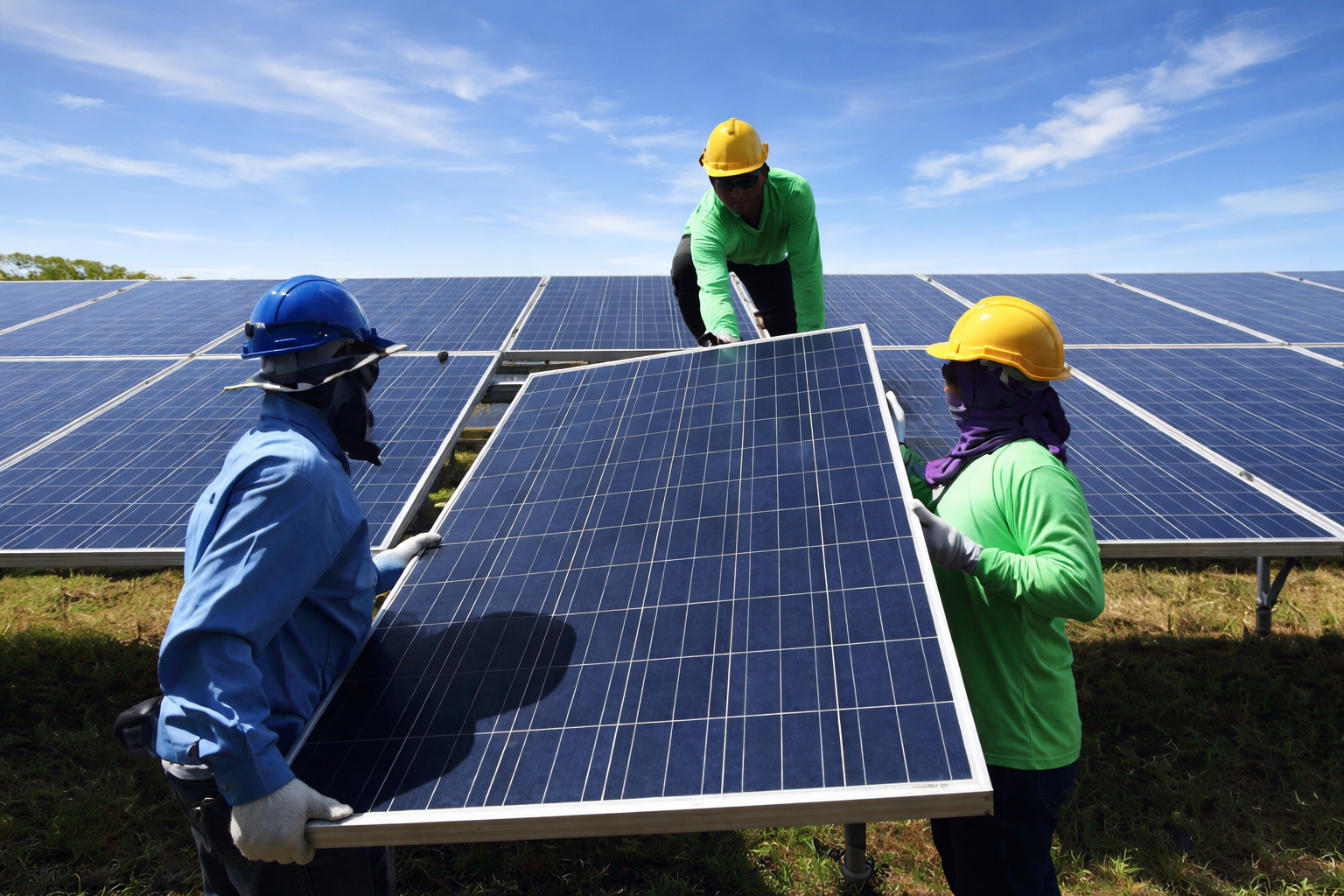
Brazil reaches historic milestone in solar energy: Sector surpasses 2 million accumulated green jobs and generates billions in the national economy even under market pressure.
-
Minas Gerais takes the lead in renewable energy: State surpasses historic mark of 14 GW in solar energy generation in MG and consolidates dominance in the Brazilian electric sector.

In addition to renewable generation, the project also includes professional training for women in situations of social vulnerability, strengthening local development and expanding job opportunities in the energy sector.
Solar Energy in Schools Transforms Public Spending into Educational Investment
The implementation of solar energy in schools in Rio Grande do Norte represents a concrete strategy for reducing public costs allied with sustainable education, an initiative led by EDP in partnership with the Federal Institute of Rio Grande do Norte (IFRN).
The four institutions served by the project have around 1,100 students, including students from Early Childhood Education, Elementary School, and Youth and Adult Education. The participating units are:
- Municipal School Centro Educacional Rio dos Ventos – Caiçara do Rio do Vento
- Municipal School João Bandeira Sobrinho – Pedra Preta
- Municipal School Raimundo Cavalcanti – Pedro Avelino
- Municipal School Doutor Eloy de Souza – Lajes
The selection was made by IFRN based on technical and social criteria. Among the factors analyzed were the degree of vulnerability of the served communities, the number of students, and the weight of electricity bills in school budgets.
The institutions are located around the Monte Verde complex, an area where the company maintains wind and solar generation. The proximity facilitates the integration between energy production and social actions in neighboring communities.
Women Mil Project Unites EDP and Sustainable Education with Renewable Generation
The project developed by EDP uses solar energy as a tool to strengthen sustainable education in schools in Rio Grande do Norte, going beyond the simple installation of photovoltaic systems.
The installed systems total 49 kWp of power, with more than 30 solar panels, allowing energy production capable of significantly reducing operational costs for the participating institutions.
The estimated savings of approximately 50% on the electricity bill represents an important relief for municipal budgets. Instead of remaining committed to fixed electricity expenditures, these resources can be redirected to educational actions.
The Municipal Educational Funds created to receive the financial savings have been approved by the municipal councils. This measure allows the saved amounts to be applied to structural improvements, acquisition of educational materials, and pedagogical investments in other schools in the local networks.
This model creates a multiplying effect, where clean energy generation benefits not only the institutions that received the solar systems but also other educational units.


EDP Professional Training Expands Social Impact of Solar Energy in Schools
The initiative by EDP involving solar energy in schools in Rio Grande do Norte also includes direct actions for sustainable education aimed at professional development.
A total of 29 women in situations of social vulnerability participated in a technical qualification course in the installation and maintenance of photovoltaic systems. The training took place between June and September 2025, with classes held at the Federal Institute of Rio Grande do Norte.
The graduation took place in November 2025, consolidating the training process. During the training, participants were exposed to practical activities and participated in some stages of the installation of solar systems in the four public schools involved.
Technical qualification increases job market insertion possibilities, especially in a sector that is rapidly growing in Brazil. Access to vocational training also helps reduce socioeconomic inequalities and widen opportunities for historically underrepresented groups.
In addition to directly benefiting participants, the initiative helps to form qualified labor in the renewable energy field, strengthening the local economy.
Energy Savings Strengthen Schools and Local Communities
The use of solar energy in schools in Rio Grande do Norte supported by EDP demonstrates how sustainable education can generate economic and social benefits simultaneously.
The estimated savings of 50% on electricity bills has a significant impact on municipal budgets, especially in small cities. The reduction in fixed expenses allows public managers to direct resources to educational priorities.
Among the possible investments with the saved amounts are:
- Renovations and structural improvements
- Acquisition of school equipment
- Expansion of pedagogical activities
- Purchase of teaching materials
- Modernization of infrastructure
In addition to financial benefits, the adoption of renewable energy also reduces the environmental impact of school activities. Photovoltaic generation emits no pollutants during electricity production, contributing to the reduction of greenhouse gas emissions.
Another important effect is the educational nature of the project. The presence of solar systems in schools allows teachers to use the technology as a didactic tool, bringing students closer to themes related to sustainability and the energy transition.
Solar Energy and Sustainable Education Point to the Future of Public Schools
The experience led by EDP with solar energy in schools in Rio Grande do Norte demonstrates that sustainable education can become a strategic element for the development of public education.
The project shows that the adoption of renewable technologies can generate concrete and measurable benefits, including financial savings, social development, and professional training. The installation of the solar systems represents a relatively small initial investment compared to the long-term benefits.
With an investment of R$ 270 thousand, the project managed to install systems with 49 kWp of installed power, benefit around 1,100 students, and train 29 professionals with technical qualifications in solar energy.
The initiative also highlights the potential for replication in other Brazilian regions. Municipalities facing budgetary difficulties can use similar projects to reduce electricity spending and increase educational investments.
By integrating renewable generation, social inclusion, and improvement of public education, the project shows that clean energy can be a practical tool for social transformation. The combination of cost reduction and educational development reinforces the importance of initiatives that connect sustainability and public policies.








Seja o primeiro a reagir!