





 Portuguese
  English
  Spanish
  3 min of reading
  0 comments



With Billions in Investment and Support from African Banks, Construction Project Aims to Boost Regional Trade, Create Jobs, and Connect Over 500 Million People by 2030
The African continent is about to embark on one of the largest infrastructure projects ever planned in the region: the construction of the Abidjan-Lagos Highway, an ambitious project that will link five West African countries—Ivory Coast, Ghana, Togo, Benin, and Nigeria—through a road of more than a thousand kilometers. Designed to boost economic development and integration among the members of the Economic Community of West African States (ECOWAS), the initiative also represents a commitment to social inclusion, efficient logistics, and new investment opportunities for the continent.
The Abidjan-Lagos Highway will be approximately 1,080 km long, directly connecting major urban centers such as Abidjan, Accra, Lomé, Cotonou, and Lagos. The proposal goes far beyond mobility: it is a high-impact logistics corridor that is expected to transform the transportation of goods and passengers between the countries in the region. According to ECOWAS, the goal is to drastically reduce travel times and facilitate the flow of goods and services in one of the most populous and economically active areas of the African continent. Additionally, the project is deemed essential for consolidating the African Continental Free Trade Area (AfCFTA), connecting economies and promoting long-term sustainable growth.
Economic Development and Opportunities for Millions of People

The transformative potential of the Abidjan-Lagos Highway construction is enormous. According to the African Development Bank, the highway will become a true economic and industrial hub in West Africa, stimulating trade between countries and attracting both public and private investments. The project is estimated to directly benefit over 500 million people, facilitating access to markets, services, and jobs. The modern infrastructure is also expected to boost the creation of industrial zones along the corridor, increasing local competitiveness and strengthening the region’s position in the African and global economic landscape.
-
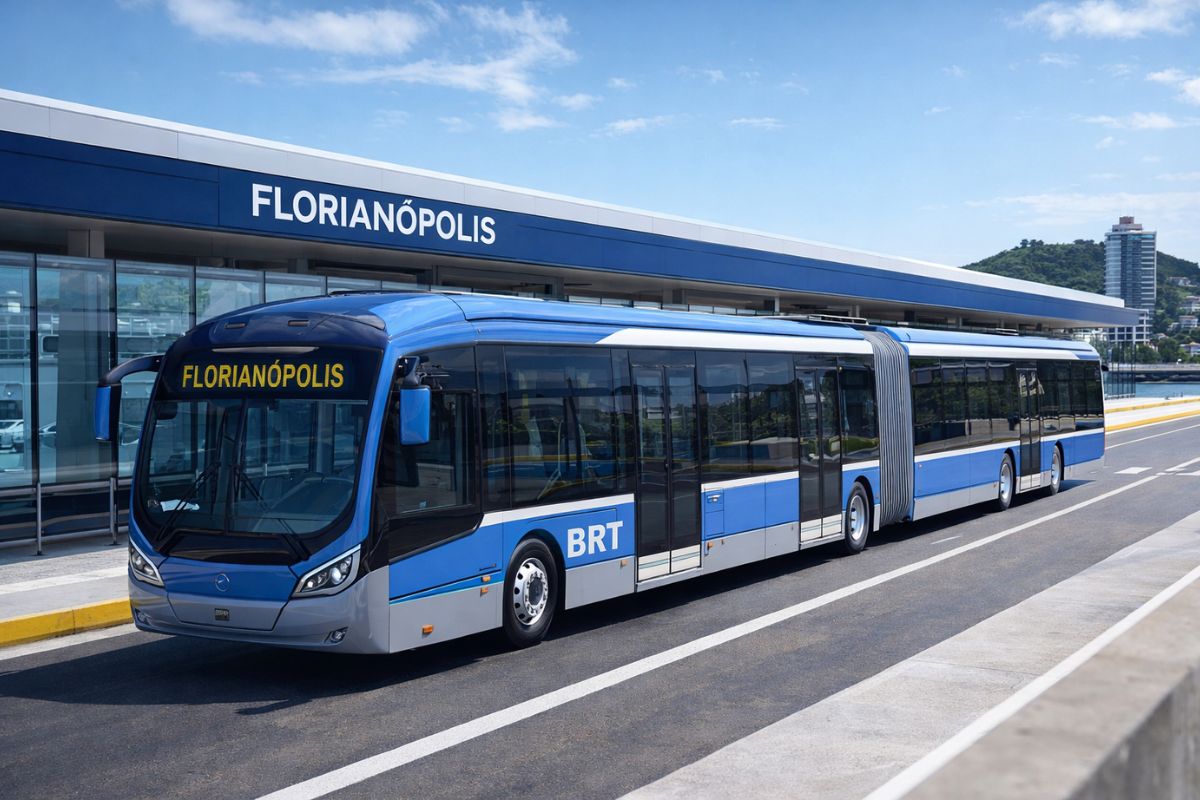
Florianópolis will receive a million-dollar BRT that will begin construction in 2026 with nearly 400 million in funding from the federal government and the Inter-American Development Bank, and the map already shows the routes for the exclusive bus corridors.
-
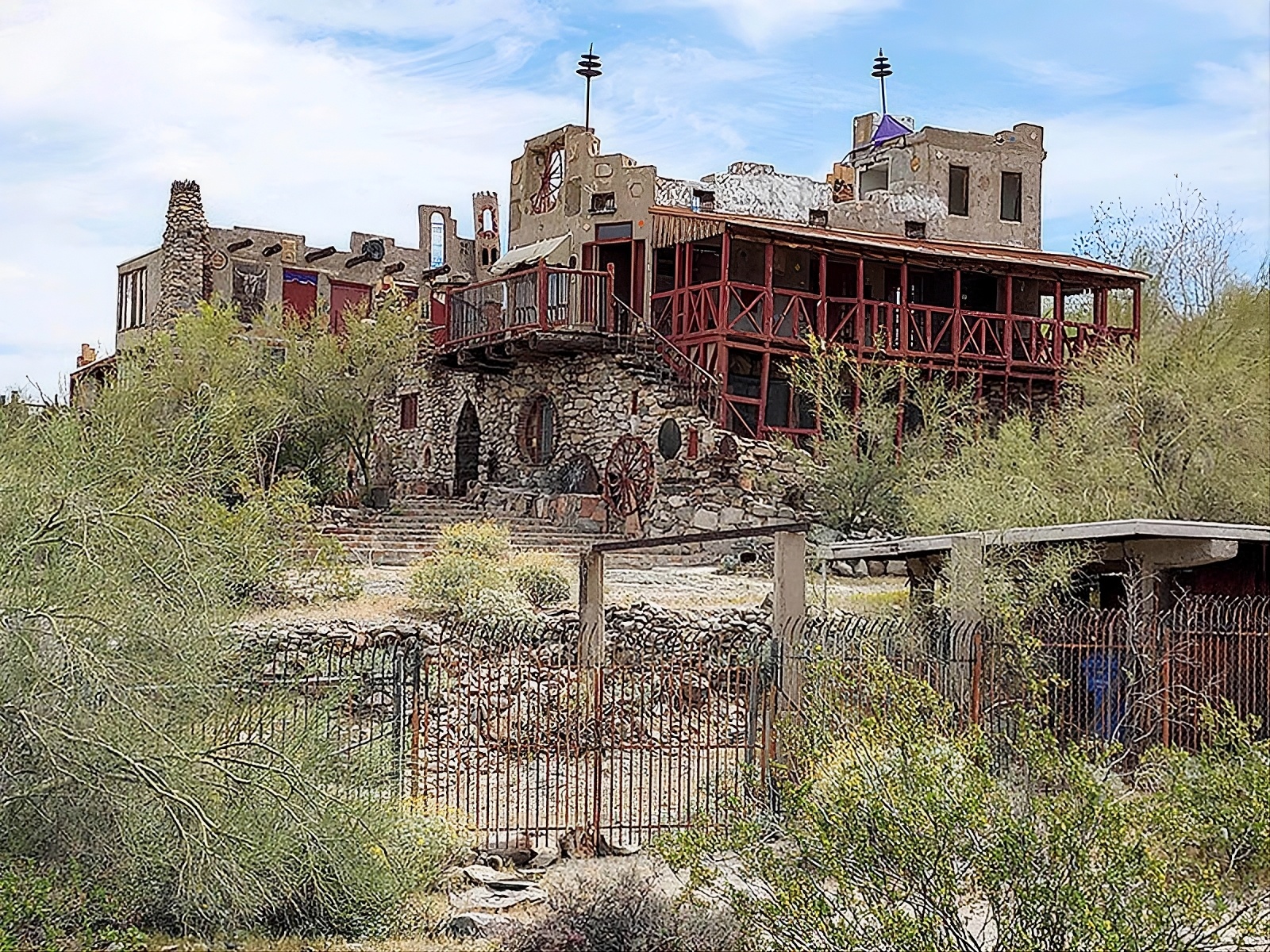
Without a blueprint, without an engineer, and using scrap from the dump, a father spends 15 years building an 18-room castle for his daughter, featuring tram tracks, 13 fireplaces, and over 700 m², which may now be demolished.
-
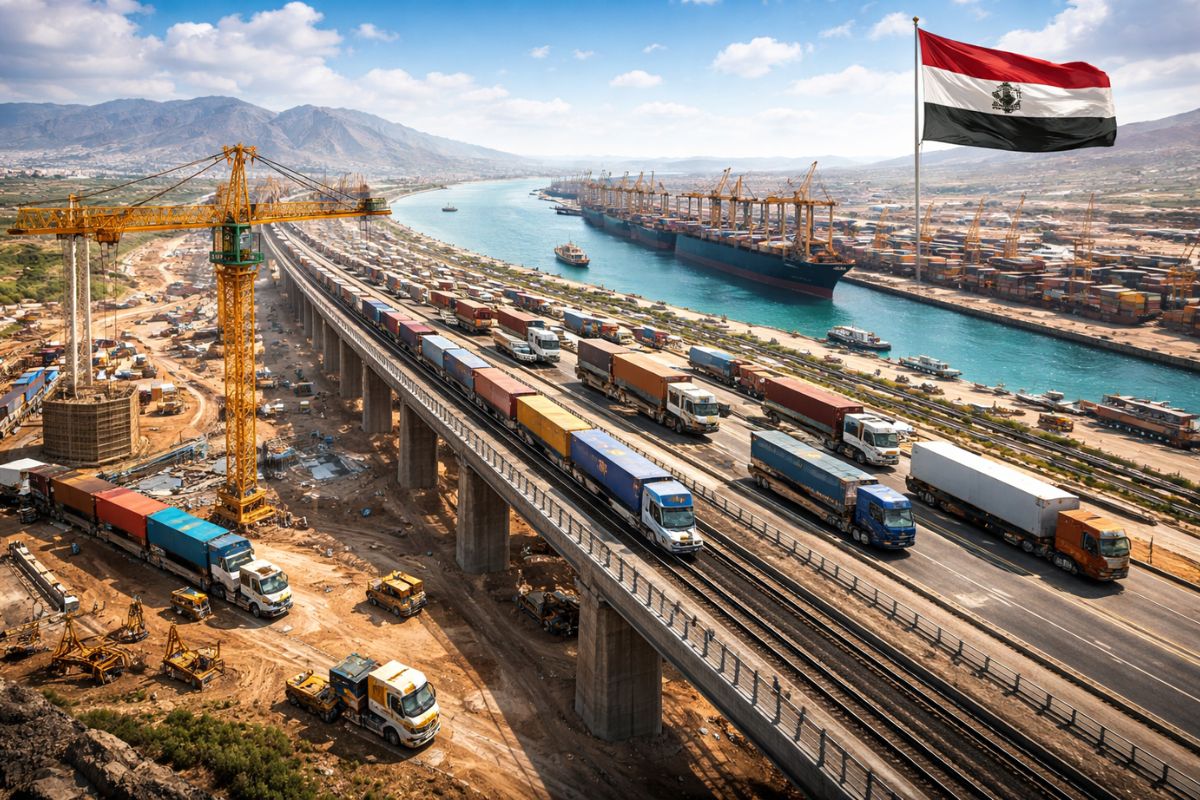
A megaproject worth R$ 89 billion is advancing in Iraq and promises to change the game in global trade by creating a new corridor between Asia and Europe, reducing traditional routes and repositioning the country as a logistics powerhouse.
-
Goodbye bedside table: floating shelves become a trend in 2026 by freeing up space in the bedroom, improving circulation, bringing visual lightness, and integrating technology without taking up floor space.


Start of Construction and Multilateral Financing
With construction set to begin in 2026, the highway is expected to be completed by 2030, according to information published by the specialized portal ConstructAfrica. The total estimated cost is $15.6 billion, and financing will be made possible through partnerships with the African Development Bank and other multilateral institutions. Engagement from entities such as the African Union and the West African Development Bank reinforces the geopolitical relevance of the project, which is treated as a priority within the continental African infrastructure plan. The governments of the involved countries are already coordinating regulatory and environmental efforts to ensure the progress of the work within the established timelines.
Involvement of Local Communities and Social Impact
In addition to economic benefits, the project seeks to promote social inclusion and community participation. ECOWAS has already initiated awareness and engagement programs with populations living in areas affected by the future highway. These meetings aim to ensure that development occurs transparently, fairly, and sustainably, respecting residents’ rights and creating job opportunities during the construction and operation phases. According to reports from the Voice of Nigeria portal, many communities see the highway as a real chance to escape isolation and gain easier access to health, education, and essential services.
Challenges and Risks of Construction: Financing, Environment, and Political Cooperation
Despite the enthusiasm, the Abidjan-Lagos Highway project also presents significant challenges. One of the main issues relates to the need to harmonize laws and regulations among the five countries involved, each with its own legal and political system. There are also concerns regarding the environmental impacts of the construction, which will traverse ecologically sensitive areas. International planning organizations warn that the project’s success will depend on effective cooperation among governments and the implementation of robust governance and oversight mechanisms. Continued support from local populations and ensuring that benefits are shared fairly are also critical factors for the project’s feasibility and acceptance.






Seja o primeiro a reagir!