





 English
  Francês
  Alemão
  Italiano
  Japonês
  Norueguês
  Portuguese
  Spanish
 2 min of reading


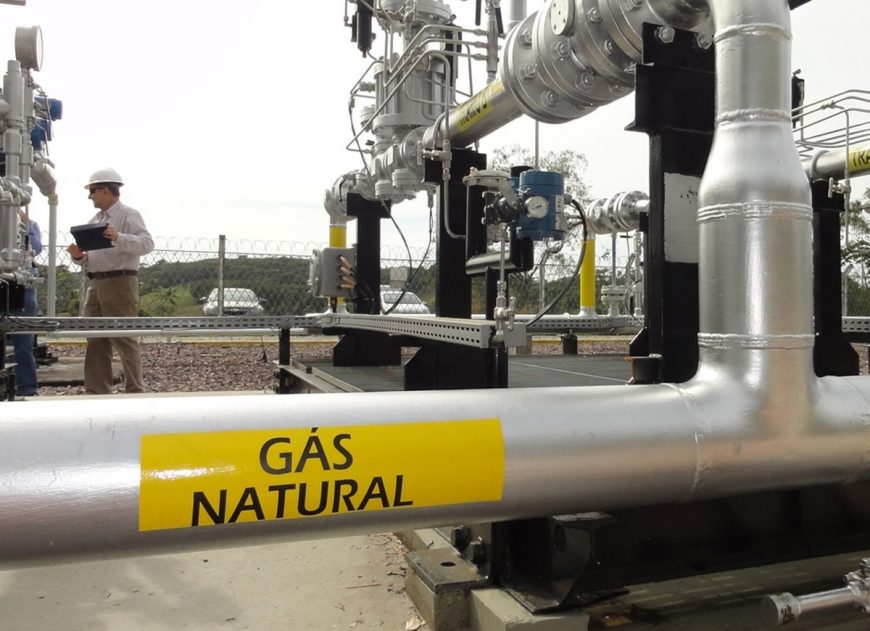
With The New Gas Law, Many Projects May Finally Come To Life And Benefit The State
After 20 years of attempts to expand the natural gas market in Rondônia, the fuel may finally reach local homes and industries if the New Gas Law, a proposal currently in the National Congress since 2013, is approved. This is because one of the main points of the new regulatory framework is the expansion of the gas pipeline network, which is currently concentrated mainly in the Central-West, Southeast, and South regions.
Also Read
- Free Online Administration Course Vacancies Available In MG Until October 30, Find Out How To Enroll
- JBS Announces Opening Of 80 Job Vacancies For Professionals With Or Without Experience In Campo Grande – MS
- Over 8,000 Vacancies In Free Online Courses Offered By The Municipality Of Rio de Janeiro – Digital Marketing, EXCEL, Power BI And Much More
- Siemens Creates Technology Capable Of Preventing Cyber Attacks In The Energy And Oil And Gas Industry Networks
The Solution To A Historical Natural Gas Problem
The solution to the historical problem only began to gain momentum last year, with the entry of private resources. Unable to bear the necessary investments, representatives of Petrobras and the state government agreed to relinquish the service to prioritize the long-desired arrival of natural gas.
As a result, the state-owned company, which currently holds the monopoly on distribution service in Rondônia and the rest of the country, paves the way for commercial exploration by other companies.
-
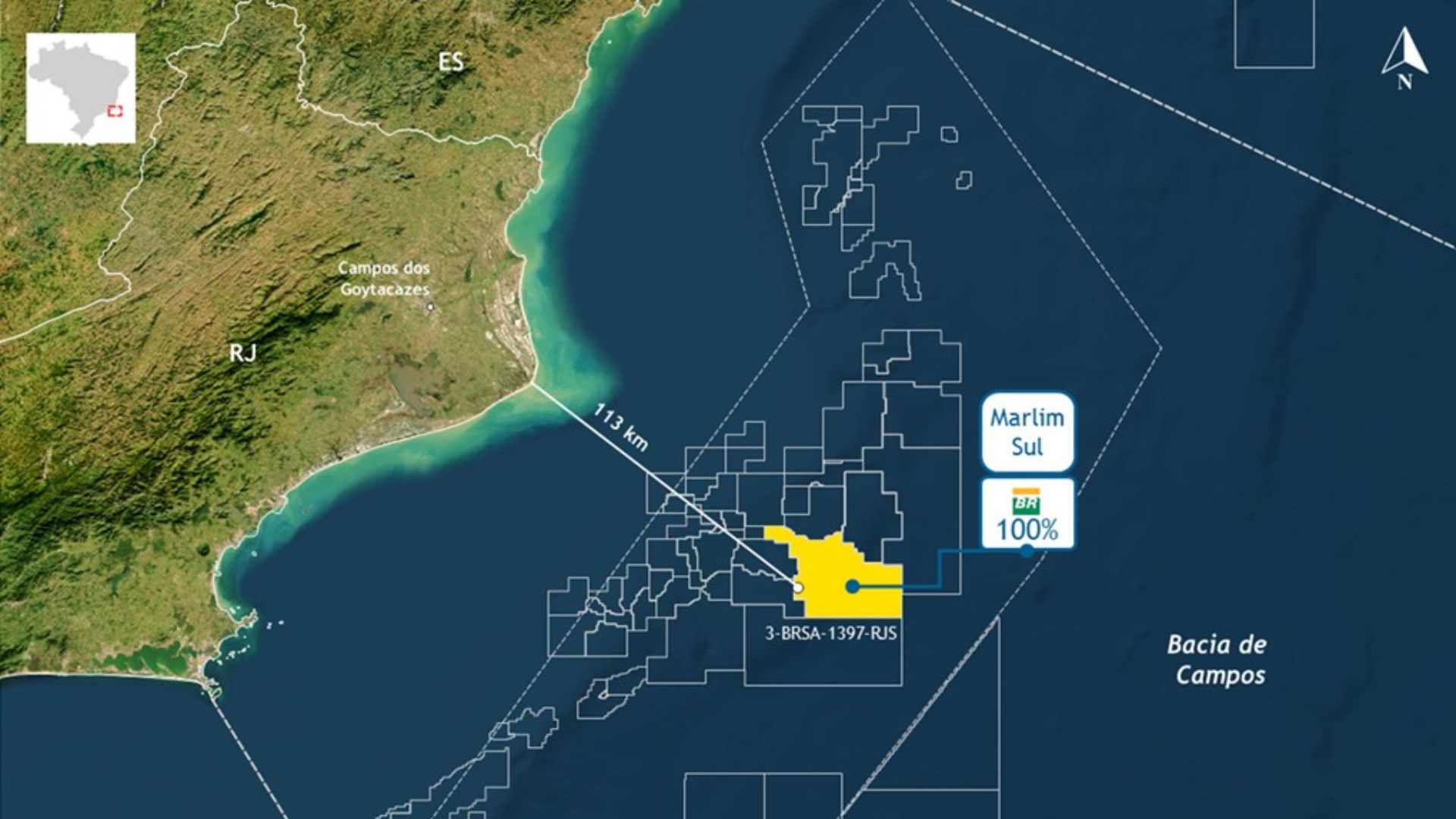
Petrobras announces new oil discovery in the pre-salt of the Campos Basin and reinforces Brazil’s prominence with high-quality reserves that can increase production and energy revenues.
-
Alert in the fuel market: Analysts and a former director of ANP warn that oil prices may worsen in the coming months due to global instability.

-
Ocyan brings executives and digital solutions to Macaé Energy 2026 and highlights offshore expansion with Nexio and a new base in Macaé.

-
Petrobras advances 4.6% with rising oil prices and the dollar, reigniting the debate on macro risks, pricing policy, and fiscal impact in Brazil.

“The current market is extremely closed and cartelized, with virtually 100% control by Petrobras and other state-owned companies. There are no investments, for example, to expand the gas pipeline network in Brazil. With the new law, we will provide legal security for the private sector to participate actively, build pipelines, and, more than that, the possibility of taking these pipelines to various parts of the country, generating new investments,” argues Federal Deputy Domingos Sávio (PSDB-MG), one of the authors of PL 6407/2013.
The New Gas Law
The bill seeks to facilitate the entry of companies through changes in the contracting process, requires the sharing of existing structures with third parties for a fee, authorizes large consumers to construct their own pipelines, and makes it difficult for the same agents to act at different stages of the production process.
The text was approved in the Chamber last Tuesday (September 1st), by 351 votes to 101. It was approved without changes compared to the version validated in 2019 by the House’s Mines and Energy Committee.









Seja o primeiro a reagir!