





 English
  Francês
  Alemão
  Italiano
  Japonês
  Norueguês
  Portuguese
  Spanish
 3 min of reading


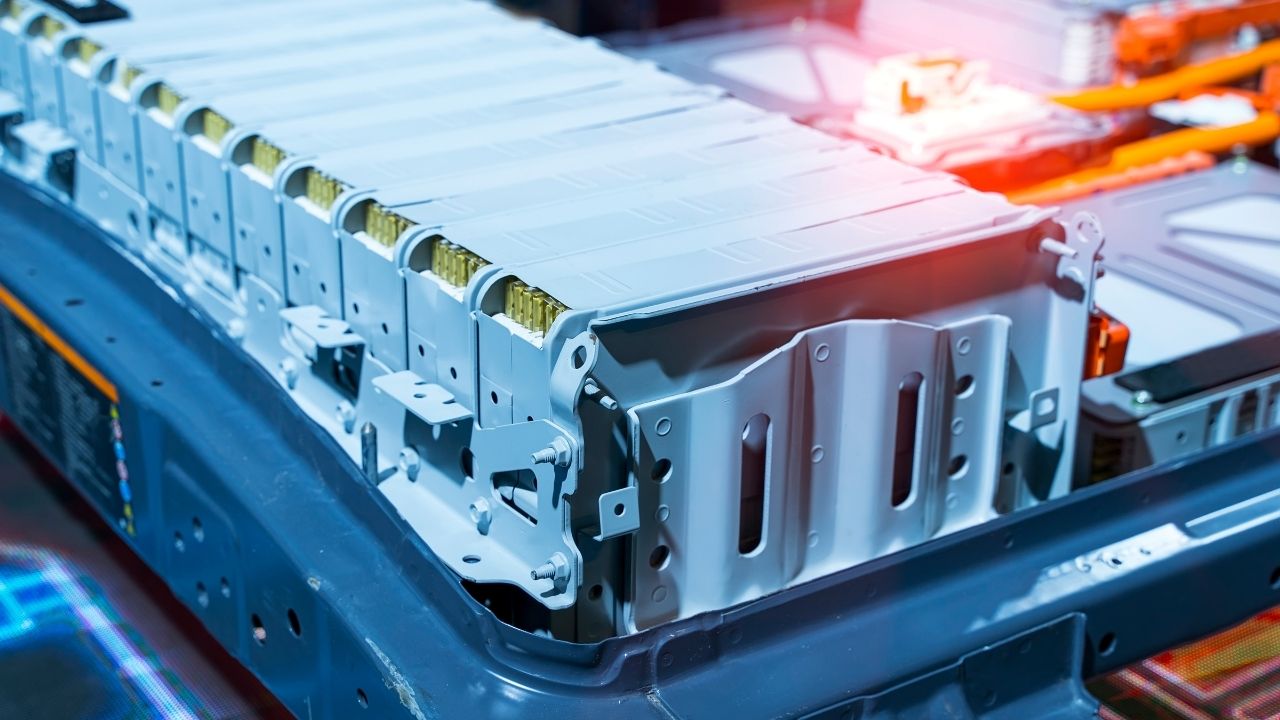
Senai Paraná Project in Partnership with Companhia Brasileira de Alumínio Will Bring Innovation to Lithium-Ion Battery Production in Brazil
Another victory for science in Brazil! Researchers from Senai Paraná partnered with Companhia Brasileira de Alumínio (CBA) and successfully developed lithium-ion batteries 100% manufactured with national aluminum. This is the first time we have achieved this feat in the country, and it promises to bring greater innovation and independence in the production of this product.
This type of battery is used in various devices and electronic equipment such as laptops, tablets, smartphones, and even electric vehicles, and one of its main components is aluminum foil. The innovation of this study will make Brazil one of the producers of this type of battery at a global level and also increase independence within the national territory.
But after all, what is the function of this aluminum foil in lithium-ion batteries? It is used as a type of current collector placed on the battery’s positive electrode and helps contribute to stability, increasing the battery’s lifespan. However, the components must be of high quality, including the aluminum that plays one of the most important roles in the operation of the batteries. With aluminum supplied by CBA, quality is guaranteed, resulting in high energy efficiency of the produced battery.
-
Engineers propose a fourth traffic light for intersections – the change promises to affect crossings, queues, and waiting times.

-
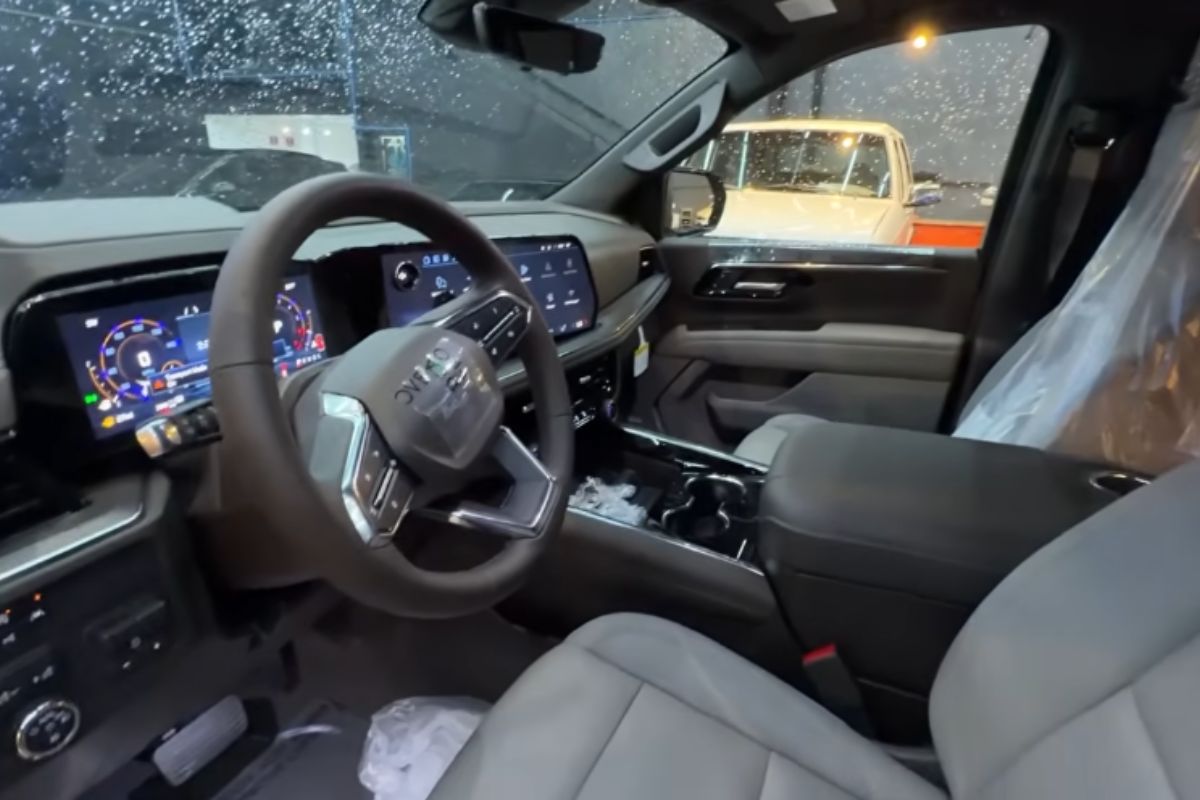
Chevrolet Suburban Z71 lands in Brazil with a V8 engine, off-road design, air suspension, seven seats, and colossal size, a rare version imported for around R$ 1.3 million with luxury and exclusivity.
-
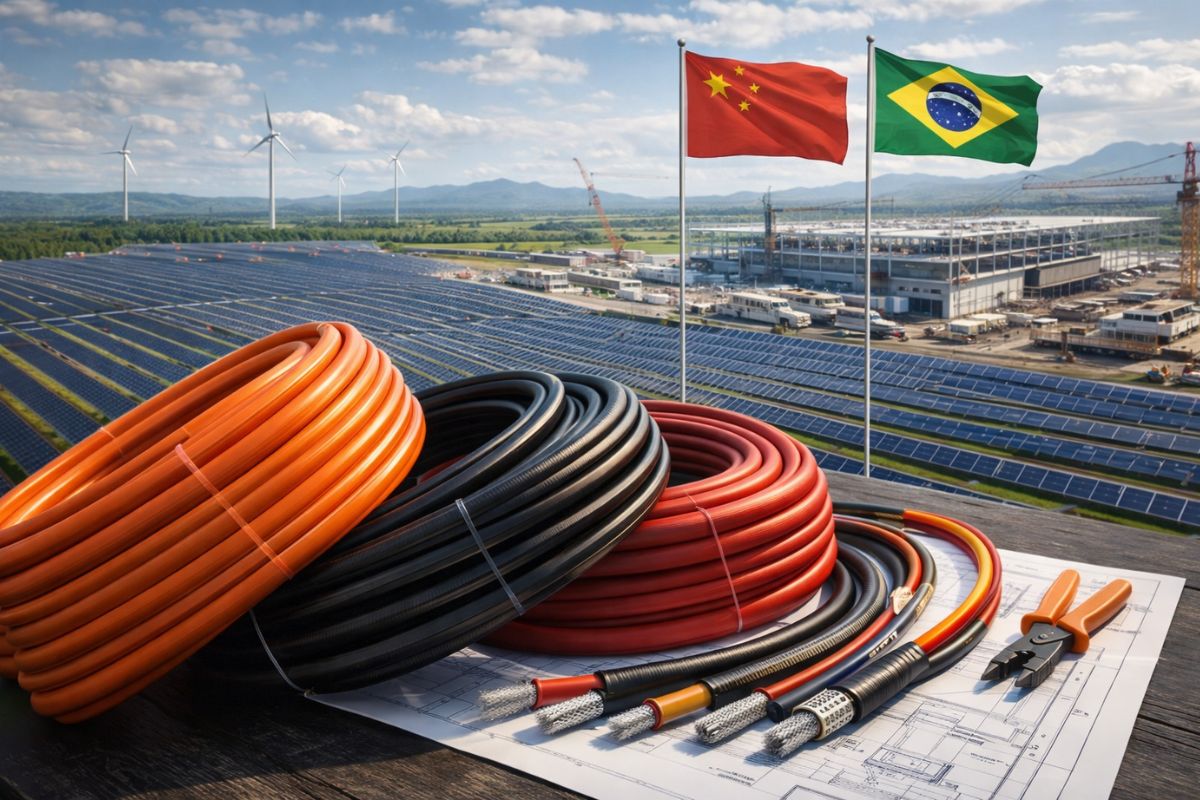
Chinese giant worth nearly R$ 4 billion that manufactures cables for electric cars, solar energy, and robotics wants to open a factory in SC.
-
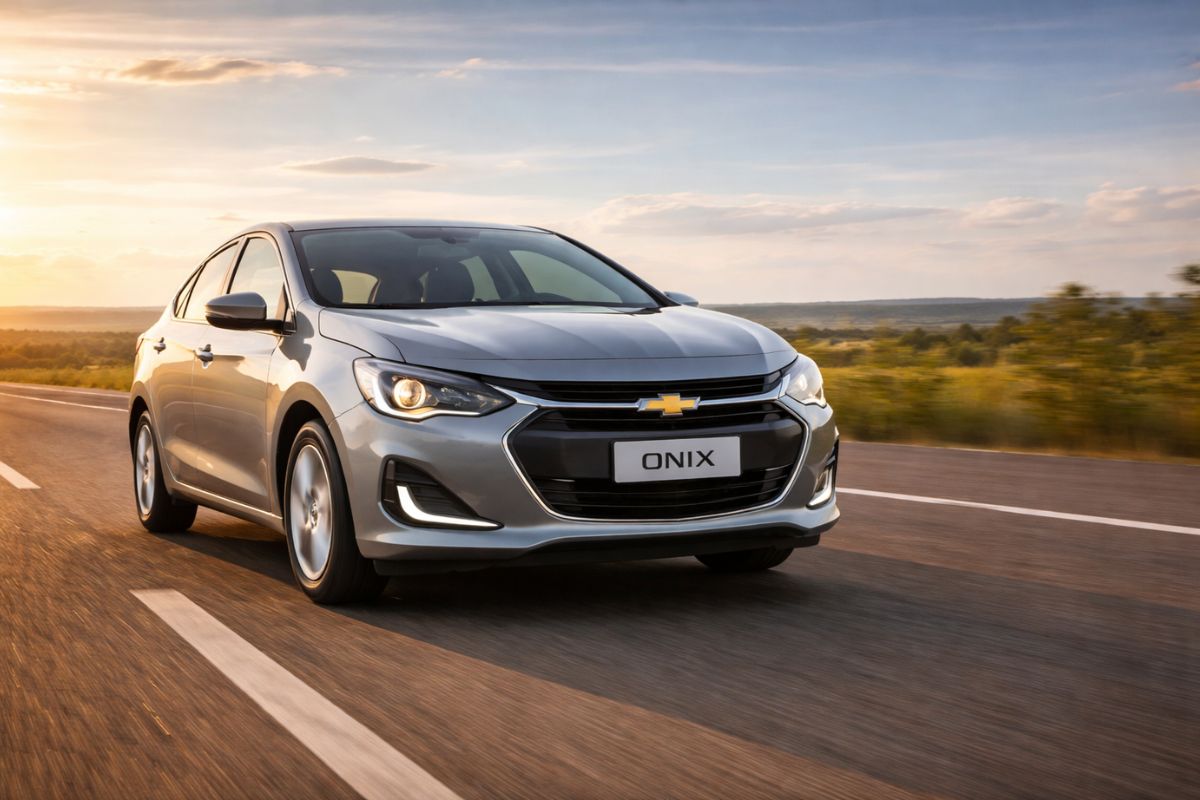
The Chevrolet Onix 1.0 turbo achieves 17.7 km per liter on the highway and ranks among the three most economical cars in Brazil in 2026, alongside two more expensive Toyota hybrids available at dealerships.

By using 100% national raw materials, batteries produced in Brazil could gain prominence in the international scenario and increase profits, as the supply chain provides lower production costs. This project brings innovation and greater visibility for Brazil in the international lithium-ion battery market.
Learn More About The Lithium-Ion Batteries Produced Entirely In National Territory By Senai Paraná Researchers In The Video Below
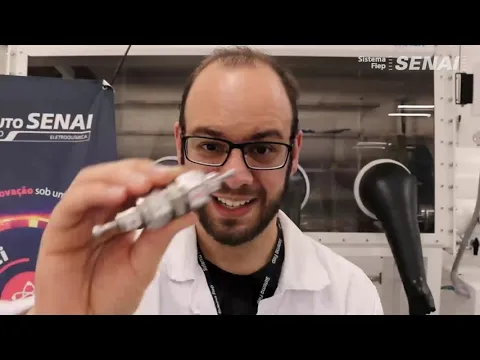

Million-Dollar Investment for the Project Ensures Innovation and Better Positioning for Brazil in The Global Lithium-Ion Battery Market
As lithium-ion batteries are part of various electronics and electric vehicles, the market is growing more than ever. In this sense, electric vehicles are the ones that demand this product the most, accounting for a large share of global production. This is all a result of the increasing global concern regarding the environment, climate, global warming, and the impacts caused by the use of fossil fuels.
The innovation project, registered with the Industrial Alliance of the Innovation for the Industry Platform of Senai National, received an investment of R$1.2 million, and its results are already noticeable and committed to sustainable objectives.
The innovation of this new discovery places Brazil on new international levels, as it demonstrates a great mastery of scientific and technological knowledge. In this way, CBA will supply its aluminum foils for the national and international production of lithium-ion batteries with the required specifications, competing with other companies in the sector. This brings diversification of commercialized products, expanding the target audience of the national company.
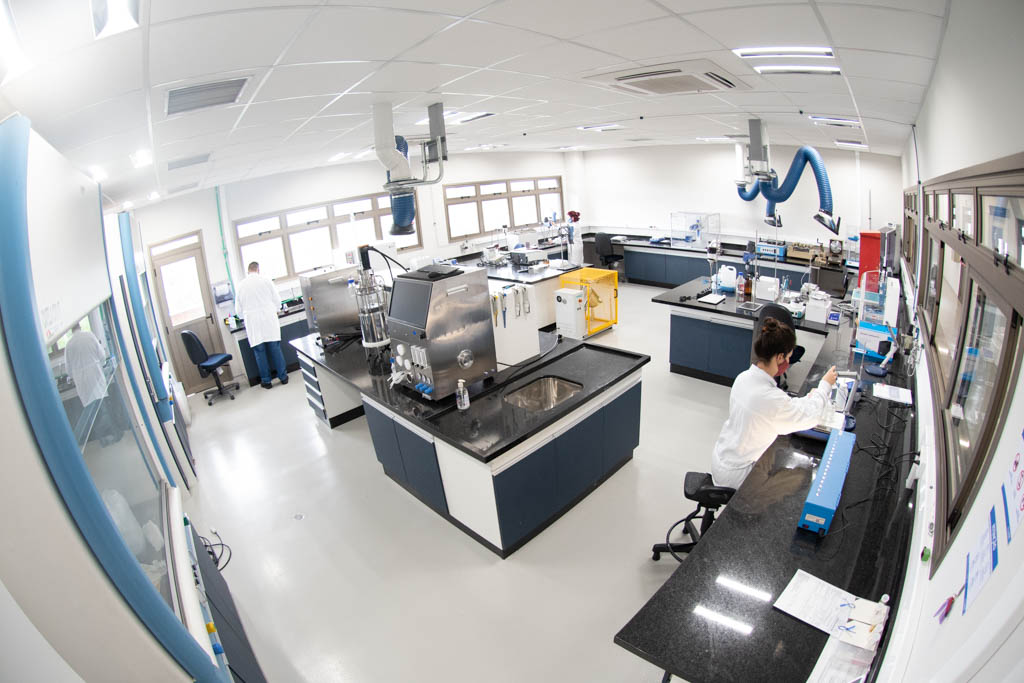
Lithium-Ion Batteries Are Sustainable, Produced With Aluminum Foils, and The Great Promise of The Future
The first studies for the development of lithium-ion batteries date back to 1912, by physicist Gilbert Newton Lewis. But it was only in 1979 that John Goodenough, a professor at the University of Oxford, discovered that lithium could be used to compose rechargeable batteries capable of storing energy in large quantities and for long periods. He and other fellow researchers then created the lithium-ion battery and won the Nobel Prize in Chemistry in 2019 for this achievement.
Since then, batteries have been manufactured and incorporated aluminum foils, becoming a sustainable means to provide energy to modern electronics and electric cars. Thus, they have become the great promise of the future to power cars and become the major source of energy for transportation.







Seja o primeiro a reagir!