





 Portuguese
  English
  Spanish
  5 min of reading
  1 comment





Introduced in 2020, the bill that provides total exemption from IPI every five years for those 60 years or older promises to reduce the price of new cars, stimulate the automotive industry, and expand mobility, safety, and financial autonomy in old age across the country
The bill 2937 of 2020, currently in progress in the Chamber of Deputies, aims to ensure total exemption from IPI for the purchase of new cars by drivers aged 60 or older, with the possibility of using the benefit every five years. The proposal, presented still in 2020 and approved by the Commission on the Rights of the Elderly in 2021, returns to the center of debate in 2025 amidst rising vehicle prices and the accelerated aging of the Brazilian population.
If approved in the other committees and by the plenary, the bill could lower the price of new cars by thousands of reais for the elderly and reposition the national automotive market. The measure is viewed as a tool to preserve autonomy, mobility, and safety for the elderly while also serving as a direct incentive to manufacturers established in the country.
How The Bill Exempting IPI For Those Over 60 Works
In the version being analyzed in Congress, bill 2937 of 2020 establishes that any person aged 60 or older may acquire a new car with full exemption from the Tax on Industrialized Products.
-
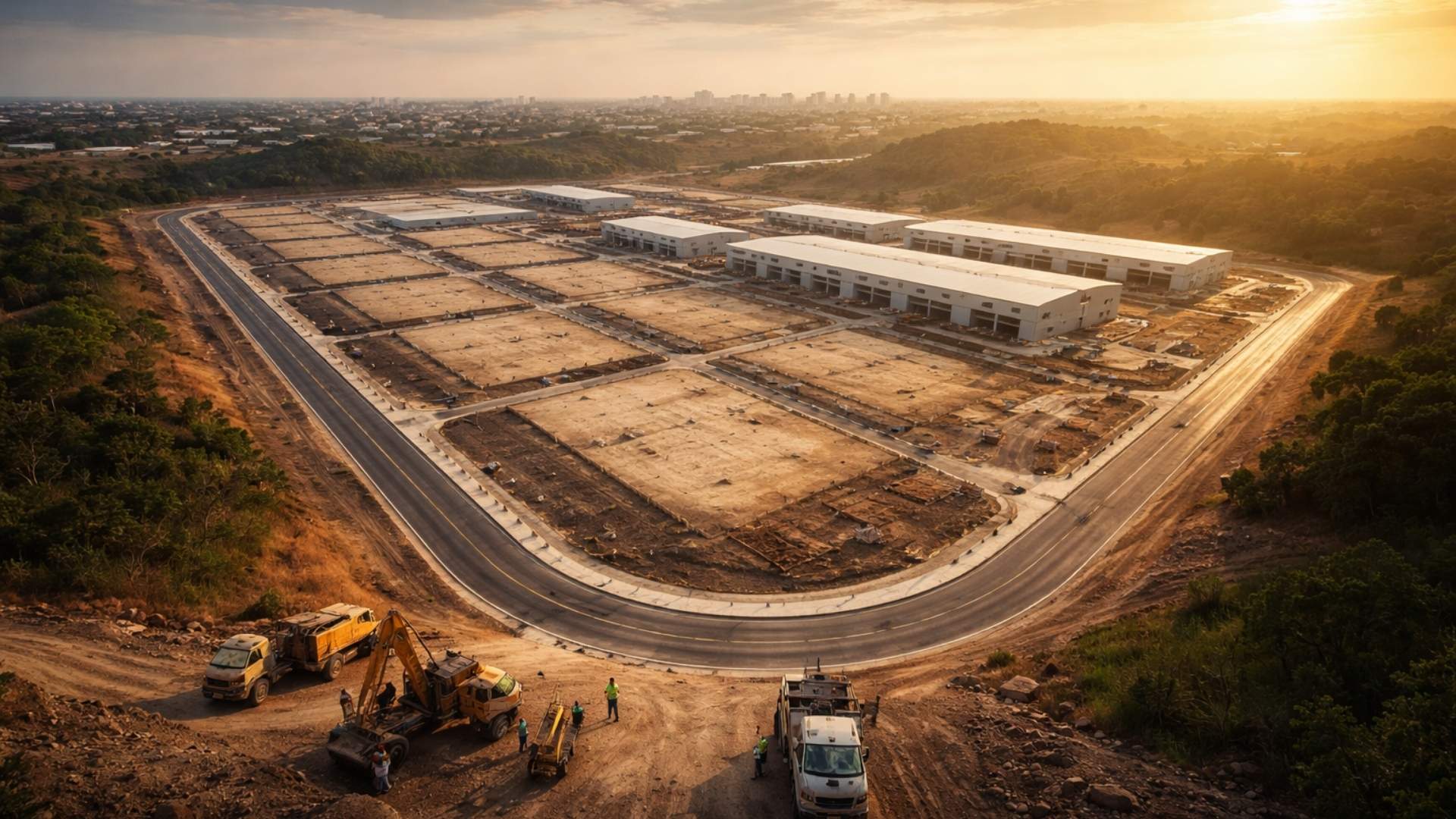
Brazilian city gains industrial hub for 85 companies that is equivalent to 55 football fields.
-
Peugeot and Citroën factory in Argentina cuts production by half and opens a layoff program for more than 2,000 employees after Brazil drastically harmed purchases of Argentine vehicles.

-
A Brazilian city gains a factory worth R$ 300 million with the capacity to process 200 thousand tons of wheat per year, a mill of 660 tons per day, silos for 42 thousand tons, and an industrial area of 276 thousand m².

-
Havan will leave the shopping mall in Blumenau to inaugurate something the chain has never done before: a megastore in half-timbered style in the Historic Center of the city, which is expected to be ready in May and change the landscape of local retail.


The benefit would be linked to the buyer’s CPF and could be used again after a minimum interval of five years.
The logic is similar to that currently applied for People with Disabilities, but with a specific focus on the elderly.
The declared intention of the bill is to recognize mobility as a central element of dignity in old age, allowing the elderly to periodically renew their vehicle without bearing alone the weight of consumption tax.
How Much The Bill Can Reduce The Price Of New Cars For The Elderly
Although the text does not present specific values, the IPI exemption tends to lower the final price of new cars by thousands of reais, especially in higher-value models.
By removing this tax from the equation, the bill creates a significant savings range, which can be decisive for those who currently postpone changing vehicles due to financial constraints.
In practice, the same model purchased by a driver under 60 would be more expensive than for a buyer who fits into the age group provided for by the bill.
For families where children or grandchildren financially support parents and grandparents, the measure also opens up room to reorganize the budget, freeing up resources for health, housing, or other typical demands of old age.
Impact Of The Bill On Manufacturers And The Automotive Chain
The automotive sector is closely monitoring the bill.
The approval of the exemption has the potential to boost sales in a demographic that grows year by year and tends to maintain more stable income, whether from pensions, retirement benefits, or income supplements.
At the same time, an increase in demand for new cars among people over 60 may stimulate the launch of more accessible models, focusing on comfort, ergonomics, and active safety.
The greater circulation of new vehicles also contributes to renewing the fleet, reducing emissions, fuel consumption, and maintenance costs, effects that interest both manufacturers and the public authorities.
Who Already Has Exemption Today And What Would Change With The New Rule
Today, Brazilian legislation concentrates IPI exemptions for vehicle purchases mainly for People with Disabilities and individuals with certain diseases that limit mobility, such as arthritis or Parkinson’s.
This approach excludes most elderly people, who often maintain valid licenses, mobility autonomy, and need for a reliable vehicle, but do not fit into specific medical criteria.
The bill broadens the social reach of this policy by including all Brazilians aged 60 and older, regardless of health diagnosis.
In practice, this means recognizing that aging, in itself, already alters the relationship with public transportation, street safety, and commuting time, justifying a differentiated treatment in vehicle taxation as well.
Autonomy, Mobility And Respect For The Budget Of The Elderly
Apart from the fiscal effect, the bill carries a direct symbolism about how the country views the elderly.
By providing total exemption from IPI for this group, the text signals that autonomy and mobility are central components of citizenship, especially in cities where public transportation is insufficient or poorly adapted.
Driving one’s own car often represents the difference between continuing to attend medical appointments, visiting family, participating in social activities, or gradually becoming isolated at home.
The proposal thus seeks to align tax policy with demographic reality, in a context where population aging will be one of the main national challenges in the coming decades.
What Stage Is The Bill At And How To Follow The Process
Even with support in the thematic committee, bill 2937 of 2020 still needs to be analyzed by other committees in the Chamber of Deputies, and then submitted to the plenary.
Only thereafter, if approved, the text will proceed to the Senate and, finally, to presidential sanction to become effective law.
Interested citizens can follow each step on the official portal of the Chamber of Deputies, consulting the bill number and checking reports, opinions, and sessions where the topic is discussed.
For organizations advocating for the elderly, retirees’ associations, and unions related to mobility, this stage is strategic for proposing adjustments, clarifying doubts, and pressing for priority in the legislative agenda.
In the end, the weight of public opinion tends to be decisive in determining whether the bill will be treated as a dispensable tax expenditure or as a policy of inclusion and recognition of the historical contribution of the elderly to the Brazilian economy.
Do you think Congress should prioritize the vote on this bill exempting IPI for those over 60, even if it reduces tax revenue in the short term?









ESTE PROJETO JA DEVERIA ESTAR EM VIGOR, NÃO PARADO NO CONGRESSO, SE FOSSE UM PROJETO PARA BENEFICIAR OS POLITICO JA ESTARIA APROVADO A MUUITO TEMPO.