





 Português
  Inglês
  Espanhol
 4 min de leitura
  0 comentários


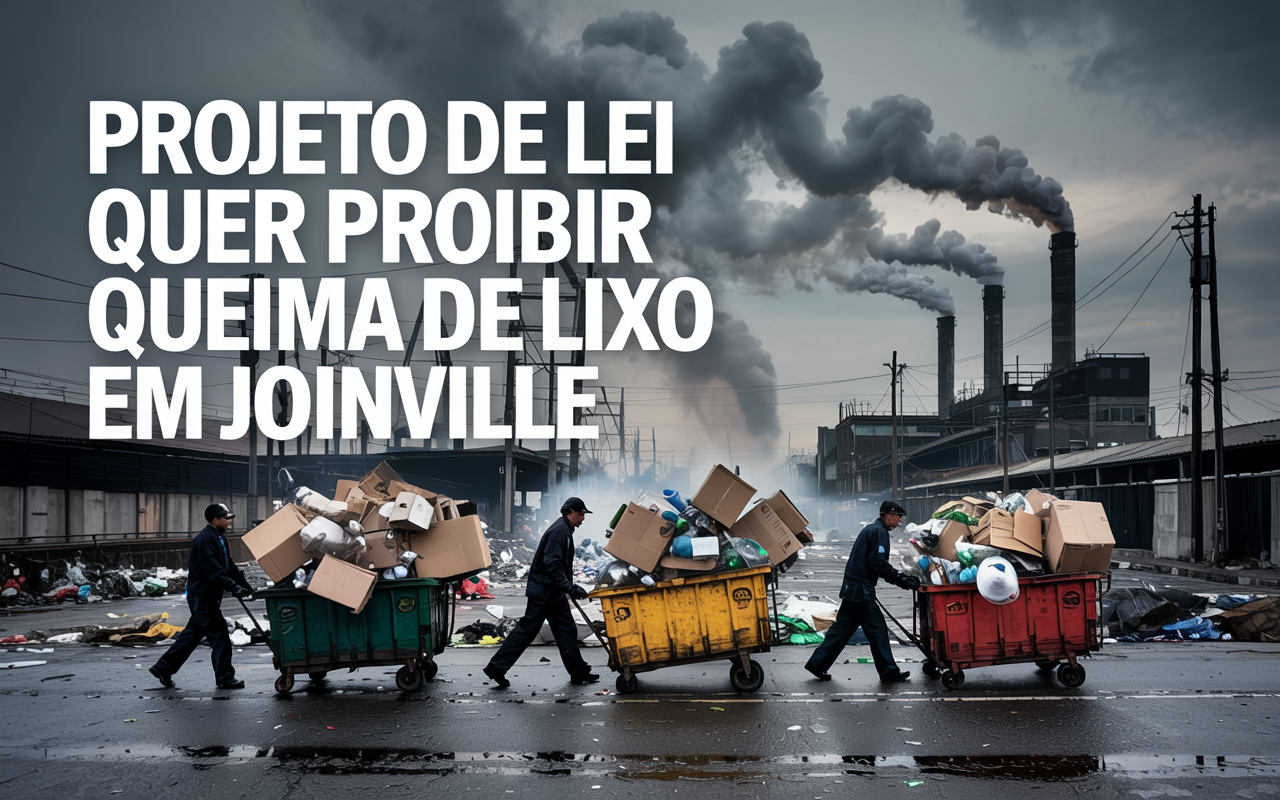
Text Proposes Banning Technologies for Burning Solid Waste, Such as Pyrolysis and Plasma, and Rekindles Debate Among Recycling Advocates, Energy Plants, and Environmental Goals in Brazil.
The Joinville City Council is analyzing a bill that aims to prohibit the establishment of plants using the burning of urban solid waste as a final disposal method. The proposal includes a ban on energy recovery technologies — such as pyrolysis, gasification, plasma, and co-processing — and its central justification is the preservation of the work of recyclable material collectors, in addition to warnings about risks to public health and the environment.
Bill Mentions Exclusion of Collectors and Loss of Recyclable Materials
The bill states that adopting incineration processes, even with energy recovery, removes materials from the recycling flow that could still generate income for collectors. According to the justification, waste with potential for reuse has been discarded mixed, which makes later separation unfeasible and reduces the participation of these professionals in the production chain.
The proposal cites the National Solid Waste Policy, established in Law No. 12.305/2010, which recognizes the importance of cooperatives and associations of collectors in the waste management system. According to the text, many of these workers are not heard in public decisions and face difficulties accessing the materials necessary to maintain their activity.
-
Renewable energy advances over protected areas in Brazil, and a survey by the Energy Transition Observatory reveals silent impacts that challenge environmental conservation and pressure sensitive traditional territories.

-
Rio Grande do Sul accelerates energy transition: State invests in renewable technologies and consolidates decarbonization strategies and pathways to attract billions in new industrial investments.

-
With 160,000 m² of collectors, an area larger than 20 football fields, Silkeborg, in Denmark, hosts a solar thermal plant that heats 19,500 homes and could become the largest solar heating plant in the world.

-
A study reveals the expansion of renewable energy procurement in Brazil and shows how companies are taking advantage of opportunities to reduce expenses, ensure energy efficiency, and strengthen strategic environmental commitments.


Health and Environmental Risks Are Also Highlighted in the Bill
Another argument used in the bill refers to pollutant emissions during waste burning in plants. The document points out that compounds such as dioxins and furans, released during the urban waste incineration process, are classified as carcinogenic substances by international health organizations.
The justification also mentions the proximity of potential plants to residential areas and sensitive ecosystems in Joinville. For the authors of the proposal, this scenario would increase health risks for the population and could affect local biodiversity.
Bill Considers Energy Recovery an Ineffective Substitute
The text of the bill argues that using waste-burning technologies in plants does not constitute a definitive solution to the problem of urban waste. Instead of encouraging the separation and reuse of materials, incineration would consume recyclable waste and produce new types of pollution.
Thus, the bill seeks to prevent any installation in the city that uses waste as a source of energy, even if the process involves advanced technologies. According to the authors, the practice would undermine local policies encouraging recycling and the inclusion of collectors.
Energy Sector Association Criticizes the Content of the Bill
The proposal has faced opposition from the Brazilian Association for Energy Recovery from Waste (ABREN), which advocates for the use of technologies for energy recovery. The entity states that the bill disregards legal foundations and environmental commitments assumed by Brazil.
ABREN argues that the generic prohibition on waste burning interferes with responsibilities assigned to the Union, such as the formulation of national energy policy. The association also cites Law No. 12.305/2010 itself, which allows for energy recovery as a form of final waste disposal.
Entity Says Recycling and Energy Recovery Can Coexist
Yuri Schmitke, president of ABREN, states that the implementation of plants does not replace the activity of collectors. According to him, energy recovery deals with the treatment of waste that is not recyclable and that, when sent to landfills, contributes to methane emissions — a gas with significant greenhouse effect.
The association points out that several countries use incineration with strict technical criteria and advocates that Brazil should advance in this direction. For ABREN, rejecting all forms of waste burning undermines environmental goals, such as those outlined in the Future Fuel Law, which encourages the use of waste as an alternative to fossil fuels.
Inclusion of Collectors Is Advocated with Other Solutions
ABREN recognizes the importance of including collectors in the waste management system, but suggests that this be done through training programs, adequate infrastructure, and public investments. The entity states that creating plants with safe technologies can coexist with recycling policies.
According to the association, the Joinville bill prevents the application of integrated solutions and hinders the achievement of emission reduction targets. The entity emphasizes the need for decisions based on technical evidence and not just on political positions.
The bill is still under analysis by the commissions of the City Council. The proposal does not yet have a defined date for a vote in plenary. The debate surrounding waste burning in plants continues to mobilize entities in the sector, public representatives, and recycling workers in Joinville.










Seja o primeiro a reagir!