





 English
  Francês
  Alemão
  Italiano
  Japonês
  Norueguês
  Portuguese
  Spanish
  3 min of reading


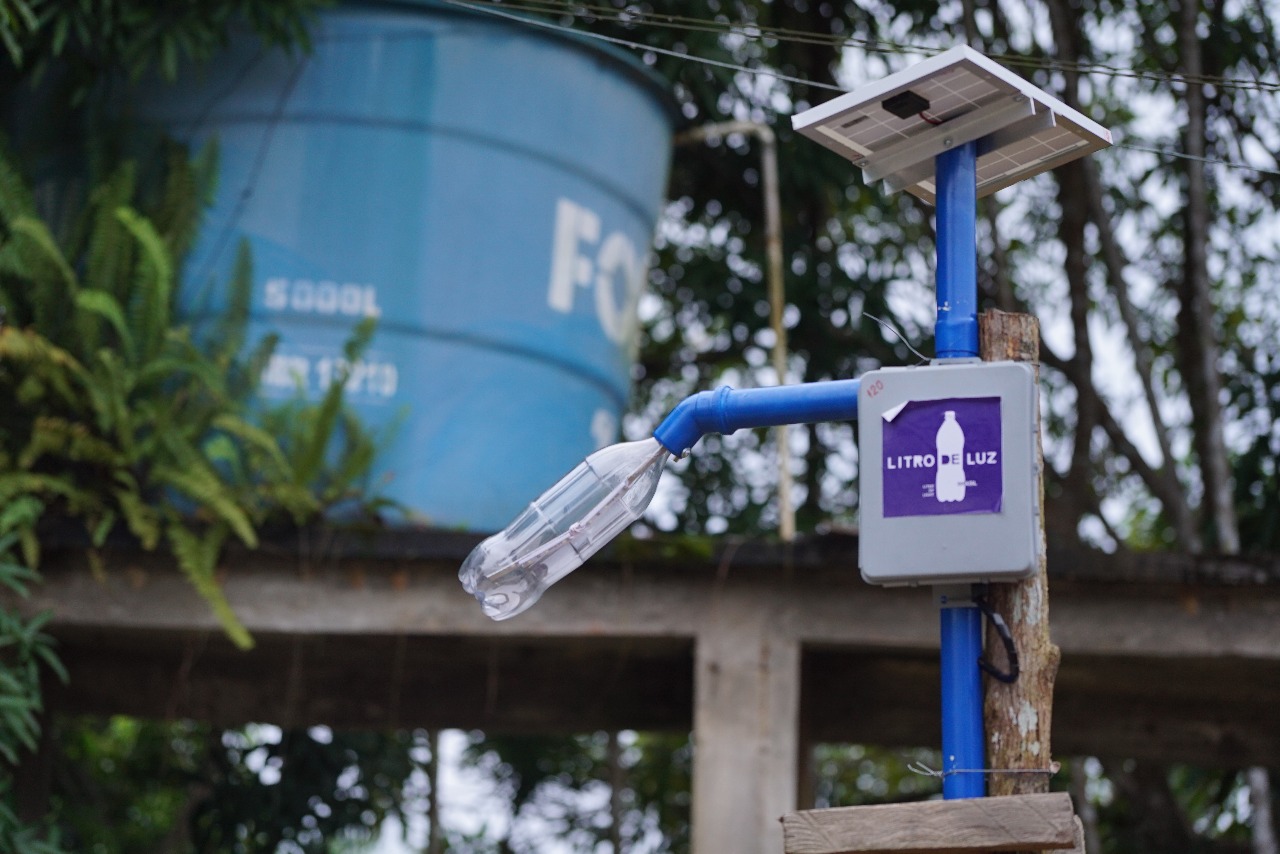
The Litro de Luz Project, an initiative that aims to bring electricity through solar energy and recyclable materials, is benefiting several communities
After about 50 years living without electricity, the home of Abilio Lopes, an Indigenous person residing in the São Tomé community, located on the banks of the Rio Negro, received lighting using recyclable materials such as a PET bottle. The Indigenous man is one of 23,000 Brazilians who have already been served by the Litro de Luz project, which aims to use common materials from our daily lives and combine them with solar energy to bring energy to more isolated communities in the country.
Read Other Related News
- Solar Energy of the Future: Scientists Want to Set Up a Solar Energy Station in Orbit to Access Infinite Renewable Energy from Space
- MIT Scientists Develop Solar-Powered Device for Only R$ 20 Capable of Desalinating Water
- Costing Less than R$ 200, Mini Solar Kit Promises to Power Lamps, Recharge Cell Phones, Headphones, and Much More
- Startup Vida Maker Creates Micro-Plant for Renewable Energy in Sorocaba
- EDP Group, the Fourth Largest in Renewable Energy Worldwide, Plans to Invest R$ 10 Billion in Solar and Wind Energy Generation in Brazil by 2025
About 2 Million Brazilians Do Not Have Access to Electric Power
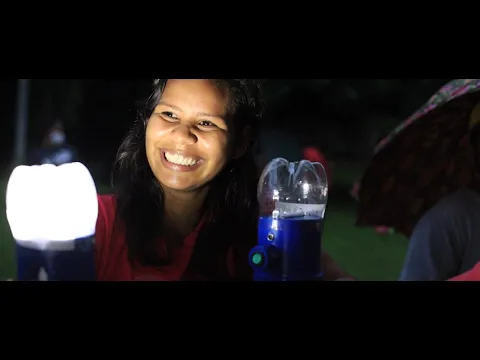

As reported by Portal Terra, Abilio Lopes says that his day would end at 7 PM when it became darker. At night, the only light in his house was from the kerosene lamp, which left the house filled with smoke. Lopez asserts that now he can weave fishing nets at night and fish all day. In Brazil, about 2 million people do not have access to electricity, and 6 million do not even have public lighting.
The lack or inadequacy of this essential infrastructure, which for some more remote communities is provided by candle or kerosene lamps, makes work, study, and even basic activities difficult. Not to mention the risk of fire and health problems caused by smoke. The Litro de Luz project is part of a program that started in 2011 in the Philippines, known as global Liter of Light, but was inspired by a technique created by Brazilian mechanic Alfredo Moser back in 2002.
-
A study reveals the expansion of renewable energy procurement in Brazil and shows how companies are taking advantage of opportunities to reduce expenses, ensure energy efficiency, and strengthen strategic environmental commitments.

-
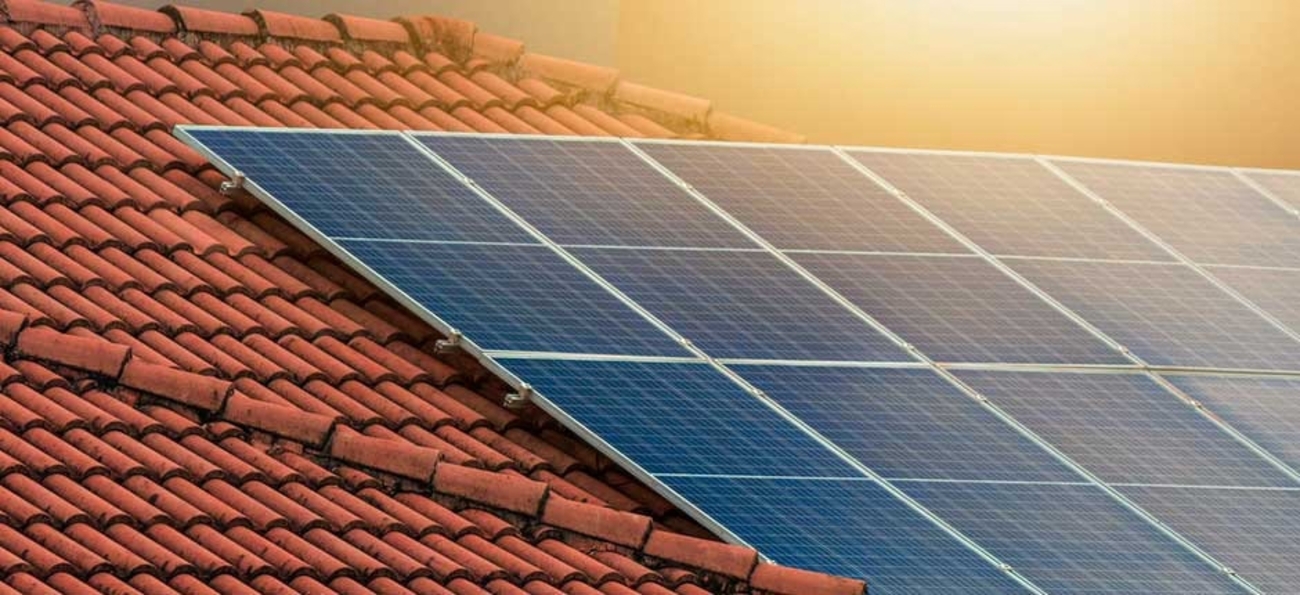
Roraima bets on the sun to escape high tariffs: Amid the energy crisis and price hikes, solar energy is growing in Roraima and transforming consumption in the North region.
-
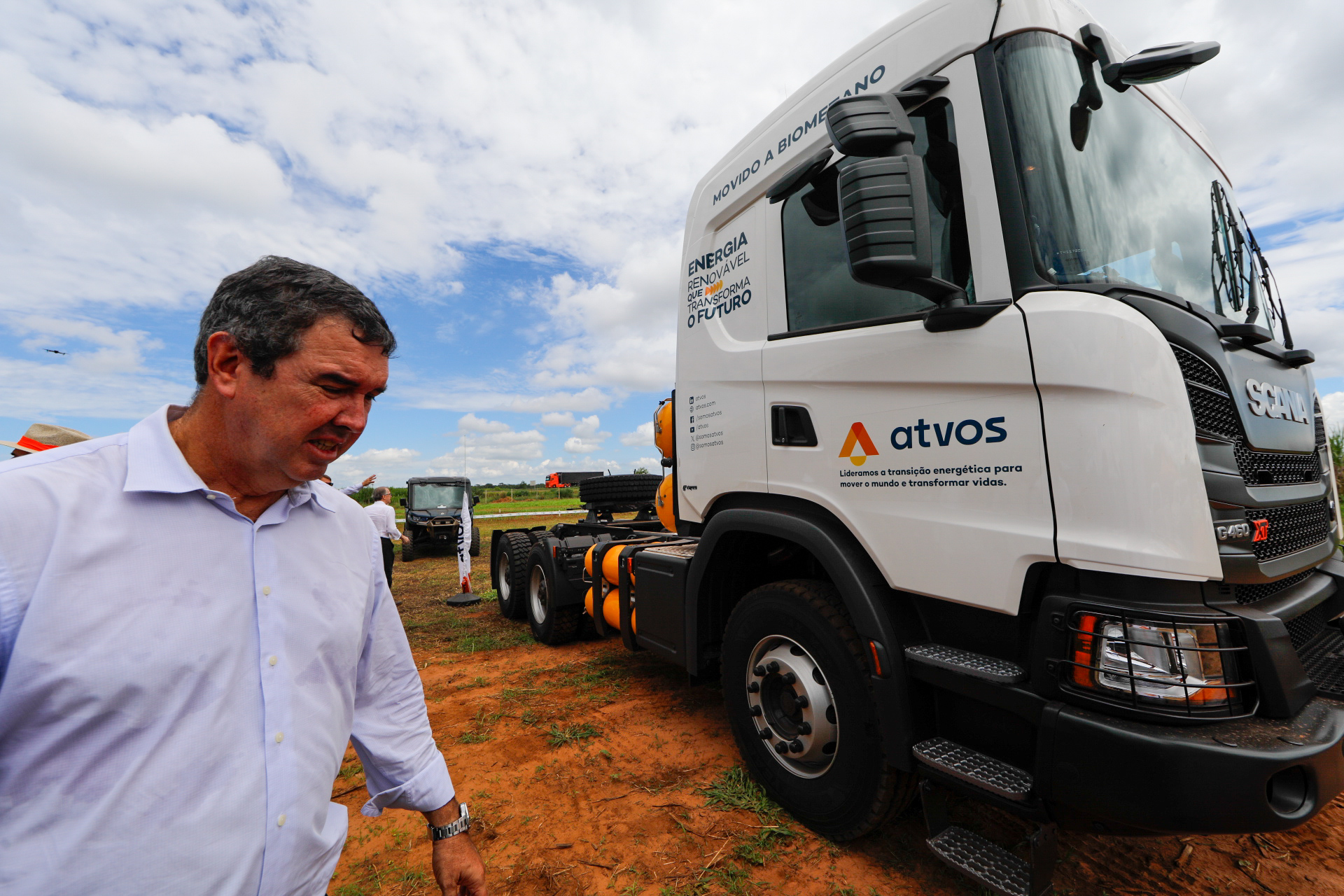
Mato Grosso do Sul excels in the sugar-energy sector: the state reaches a milestone of 22 operating mills and accelerates the production of clean energy in MS with a focus on sustainability.
-
Copel boosts solar energy in Paraná and brings innovation to public schools, promoting savings on electricity bills, energy efficiency, and a direct impact on the quality of education.
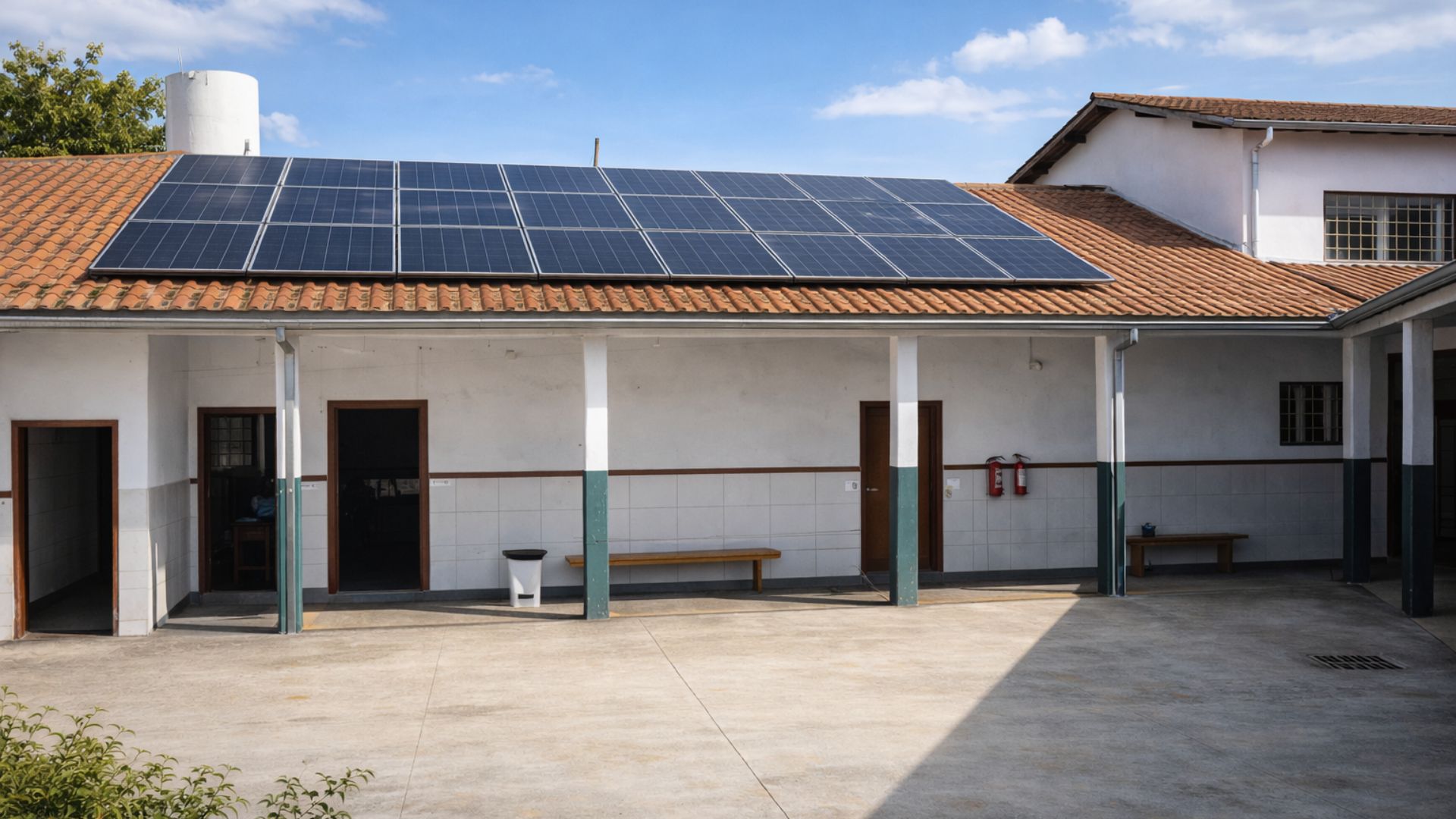
The mechanic was responsible for installing recyclable materials on the roof with water and bleach. Through solar energy, the PET bottle generated lighting equivalent to a 60-watt bulb. The intention was to help people save energy. From the Philippines, the project began to spread to various countries. In total, there are 25 countries, including Brazil.
How Does Solar Energy Generation Work with Recyclable Materials?
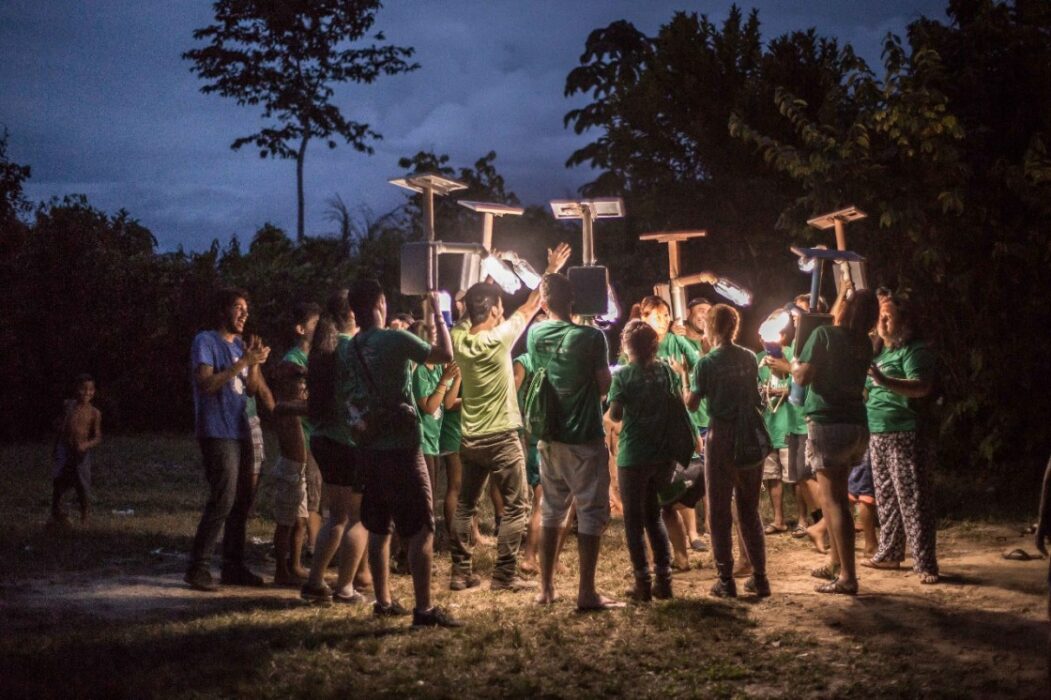
The Litro de Luz project created a low-cost lighting system that uses recyclable materials like PET bottles, PVC pipes, and panels to illuminate homes using solar energy.
The PVC poles support the solar panels and lamps, considering that there is no connection to the electrical grid. The solar energy captured by the panel makes a lamp LED installed inside a bottle work. In an outdoor setting, the system works at night and automatically turns off in the morning. Inside, the lamps have an autonomy of 5 hours.
600 LED Lamps Are Built in Médio Juruá
The residents of the communities learn to maintain and replicate the social technology system easily. The largest projects using recyclable materials benefited riverside centers in Médio Juruá, where about 600 PET lamps were installed.
The locality has 565 families, and the project’s volunteers traveled for two hours from the Amazonian capital and another 30 hours by boat to reach there. The community interested in the Litro de Luz project can pre-register by accessing forms with simple information.
About 20 days or less after registration, the social development sector will contact them. It’s worth noting that the execution depends on partner companies to cover basic costs.









Seja o primeiro a reagir!