





 Português
  Inglês
  Espanhol
 4 min de leitura
  10 comentários


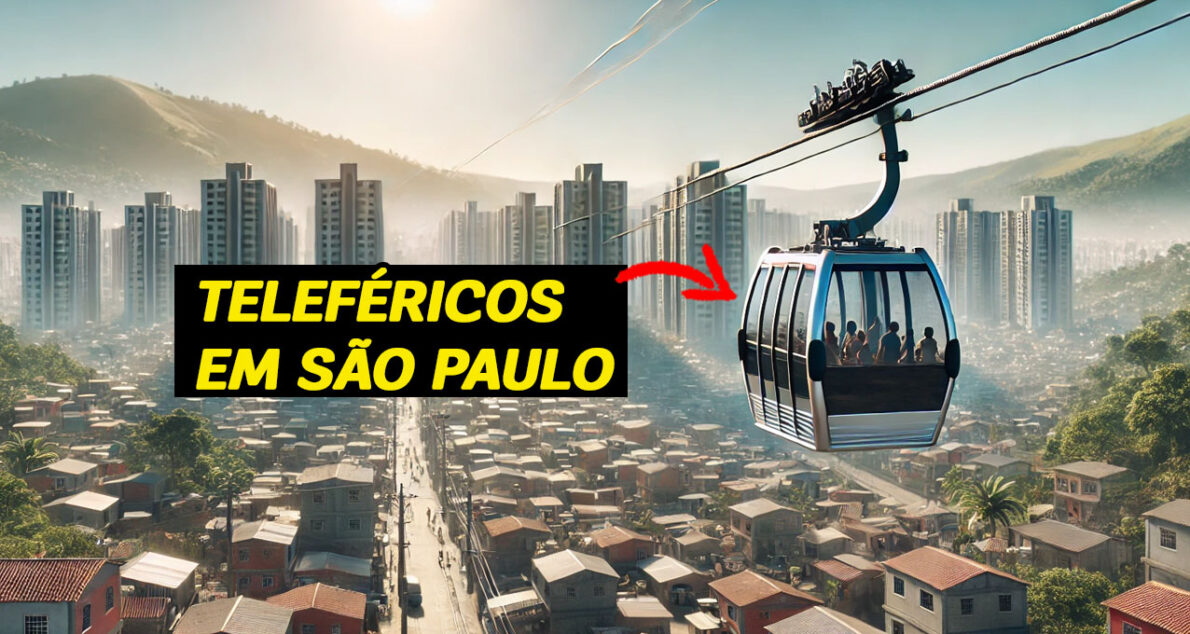

Ambitious Project Plans to Build Cable Cars in the City’s Peripheries. The Idea Aims to Improve Urban Mobility and Generate Jobs in the Most Remote Areas, as Well as Create Olympic Schools and Combat Chemical Dependency.
Imagine a São Paulo where transportation not only reduces daily chaos but also creates new job opportunities for those in most need.
Now, imagine that this would be done with cable cars, those that many associate with ski resorts or tourist cities. Sounds surreal? Well, this is the proposal gaining traction in the electoral race of the country’s largest metropolis.
The idea, if realized, could evolve urban mobility in areas long forgotten by the government, as well as open doors to a promising future for the periphery. But how would this be possible and who is behind this bold project?
-
A megaproject worth R$ 89 billion is advancing in Iraq and promises to change the game in global trade by creating a new corridor between Asia and Europe, reducing traditional routes and repositioning the country as a logistics powerhouse.
-
Goodbye bedside table: floating shelves become a trend in 2026 by freeing up space in the bedroom, improving circulation, bringing visual lightness, and integrating technology without taking up floor space.

-
Brazilian city gains industrial hub for 85 companies that is equivalent to 55 football fields.

-
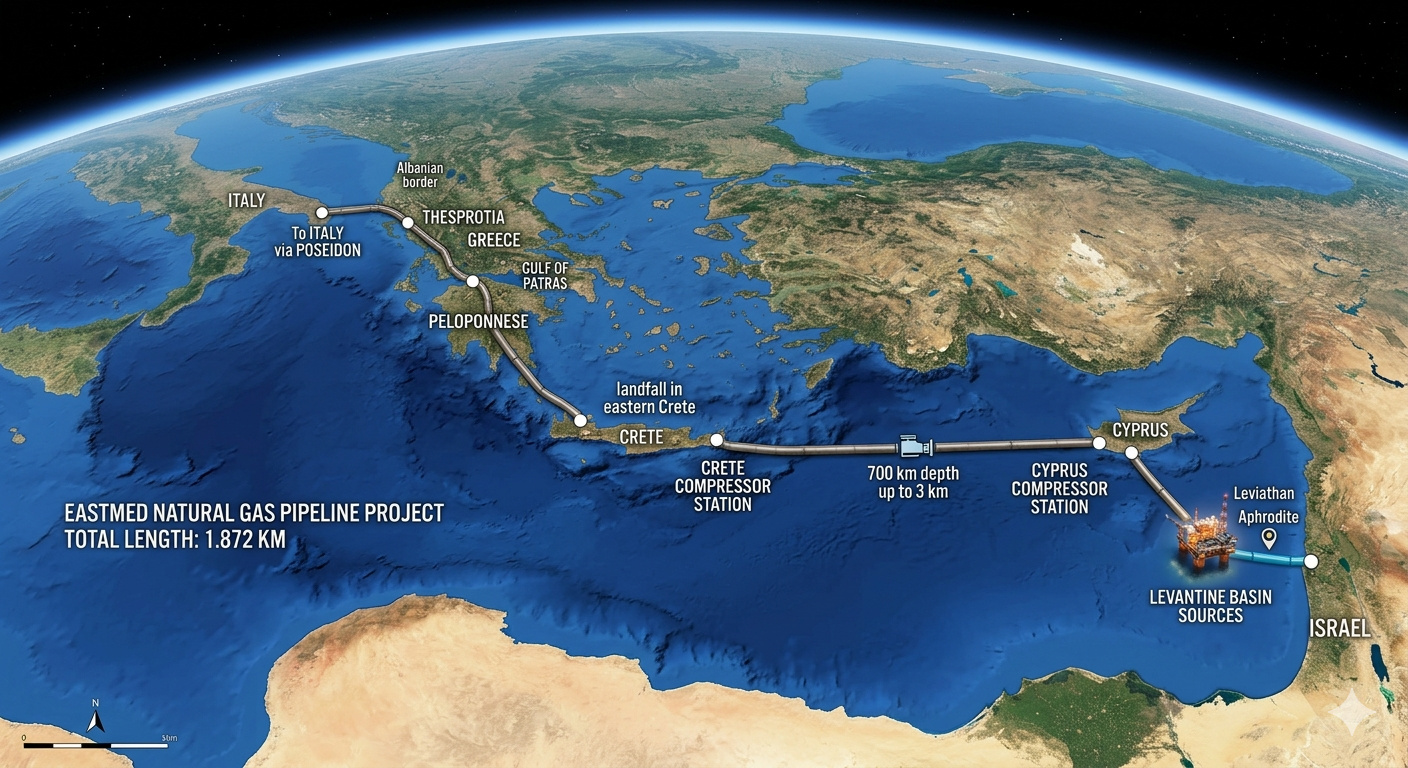
Israel, Greece, and Cyprus signed an agreement in 2020 to transport gas from the Mediterranean to Europe via a 1,872 km pipeline, but Turkey claimed sovereignty over part of the maritime route, and the project never materialized.

Last week, digital influencer, businessman, and candidate for the São Paulo City Hall from PRTB, Pablo Marçal surprised everyone by announcing his plan to implement cable cars in the outskirts of São Paulo.
In an interview with CNN, he emphasized that this measure would not only solve urban mobility problems but also be a key piece for generating jobs in the city’s most disadvantaged regions. According to the candidate, this change would positively impact various aspects of life in the periphery.
Urban Mobility and Jobs: The Foundation of the Project
Pablo Marçal presented the proposal in detail during the interview, explaining that the cable cars would connect peripheral regions with the main public transportation systems in the city.
“We need to provide mobility for this city; we need to generate jobs for this city. This will reduce crime, increase enjoyment, provide opportunities for many people, and stop this chaos, this gridlock, this polluted air,” declared the candidate, visibly enthusiastic about his project.
According to Marçal, the cost of using the cable car would be subsidized. The peripheral population would not need to pay for the service directly, as the project would be made feasible by a public-private partnership.
The proposal envisions the installation of cable cars at strategic points at the entrances of São Paulo, connecting parking lots to public transport lines. This system would integrate buses and cable cars to improve the mobility of those living in the most remote areas.


The Business Belt in the Peripheries
Another fundamental part of Marçal’s plan is the creation of a “business belt” in the city’s peripheries. For him, this initiative would help decentralize the job market in São Paulo, allowing residents of the most remote areas to have jobs closer to home.
“Imagine having a job in the periphery where you live? Why spend three hours on the metro, on a bus? You don’t need to. We need to create a business belt,” said Marçal.
According to the candidate, this change would give a new boost to the local economy, generating more jobs directly in the peripheral regions and at the same time improving the quality of life for workers, who would no longer spend hours in exhausting commutes to the city center.
Education and Combatting Cracolândia
Pablo Marçal also addressed other important issues for São Paulo, such as education and fighting chemical dependency. According to the candidate, if elected, his administration would implement a subject called “entrepreneurship” in municipal schools, aiming to prepare young people for the job market.
He also mentioned the creation of Olympic schools as part of a strategy to prevent children and adolescents from entering the world of drugs. “We will set up Olympic centers in all the favelas,” declared Marçal.
Moreover, he spoke about the increasing homeless population, especially in Cracolândia, an area known for its high concentration of drug addicts in downtown São Paulo.
The candidate stated that his plan includes intensifying social outreach efforts and offering employment opportunities for these individuals. He mentioned that many homeless people have skills and talents that can be utilized to reintegrate them into the job market.
An Unusual Fight Against the Sending of Homeless Individuals
Marçal also made a controversial accusation: according to him, mayors from other cities in the interior of São Paulo are sending homeless individuals to the capital. The PRTB candidate stated that he intends to call on the Public Prosecutor’s Office to investigate and stop this practice, as well as hold accountable the officials who might be encouraging this forced migration of homeless individuals.
“We will track this. There are people putting homeless individuals in vans and dropping them here,” said the candidate, generating considerable attention on the subject.
Do you believe that cable cars can truly transform mobility and the economy of São Paulo’s peripheries, or do you think that this and other proposals from the candidate face too many challenges to become a reality?









Que ridículo, um portal de notícias, passar a fazer Campanha Política por Dinheiro! Ainda mais para quem e sabemos que isso não sai. Sem Pé nem Cabeça !!! MDC, perdoem pois não sabem o que fazem 🙏🏻🤦🏻♂️
Sai fora!
Nos trilhos já dá problemas direto…
Imagine ficar preso nisso.
Por que não criamos em São Paulo o telerransporte também ? Kkkkkkk