





 Portuguese
  English
  Spanish
 5 min of reading
  0 comments


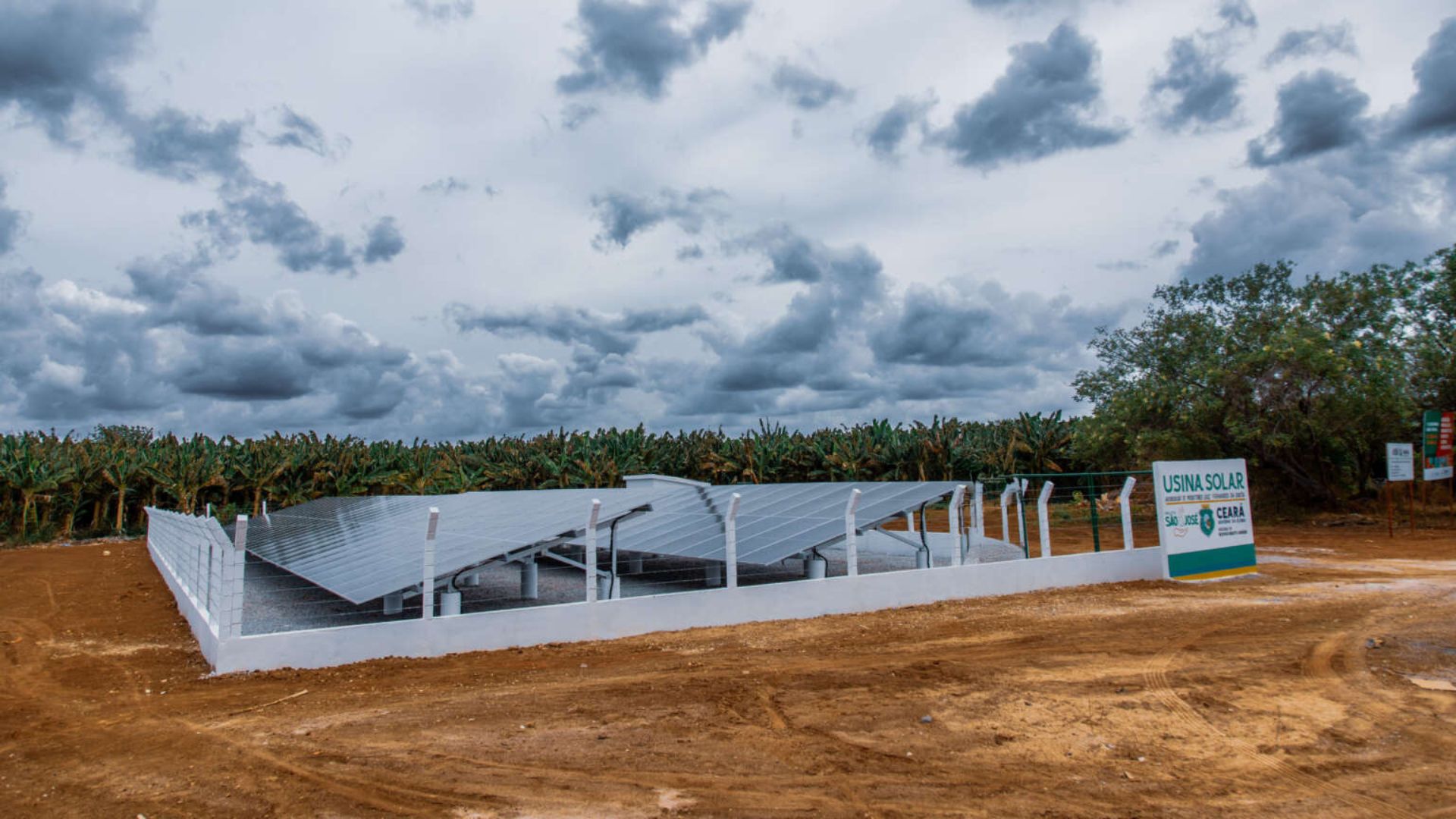
Project São José Initiative Brings Solar Power Plant to Limoeiro’s Rural Area, Reducing Energy Costs, Strengthening Family Farming, and Increasing Sustainable Income in Ceará’s Interior
On Monday, January 19, 2026, the Department of Agrarian Development of Ceará, through the Project São José, inaugurated a solar power plant at the Luiz Fernandes da Costa Producers Association, located in the rural area of Limoeiro, in the Jaguaribe Valley. The initiative aims for a reduction of up to 90% in electricity costs, directly impacting the income, productivity, and sustainability of family farming in Ceará.
With an investment of R$ 726 thousand, the structure will serve 17 farming families, ensuring stable energy supply for irrigation, productive management, and rural activities. This is the second power plant delivered under Project São José IV, reinforcing the program’s role as a structuring public policy for sustainable rural development in the state.
Project São José and the Expansion of Solar Energy in Ceará
The delivery of the solar power plant in Limoeiro consolidates the Project São José strategy to integrate technological innovation into family farming. The initiative follows the same model adopted in November 2025, when the first power plant of the program was inaugurated in Quixeramobim, also in Ceará.
-
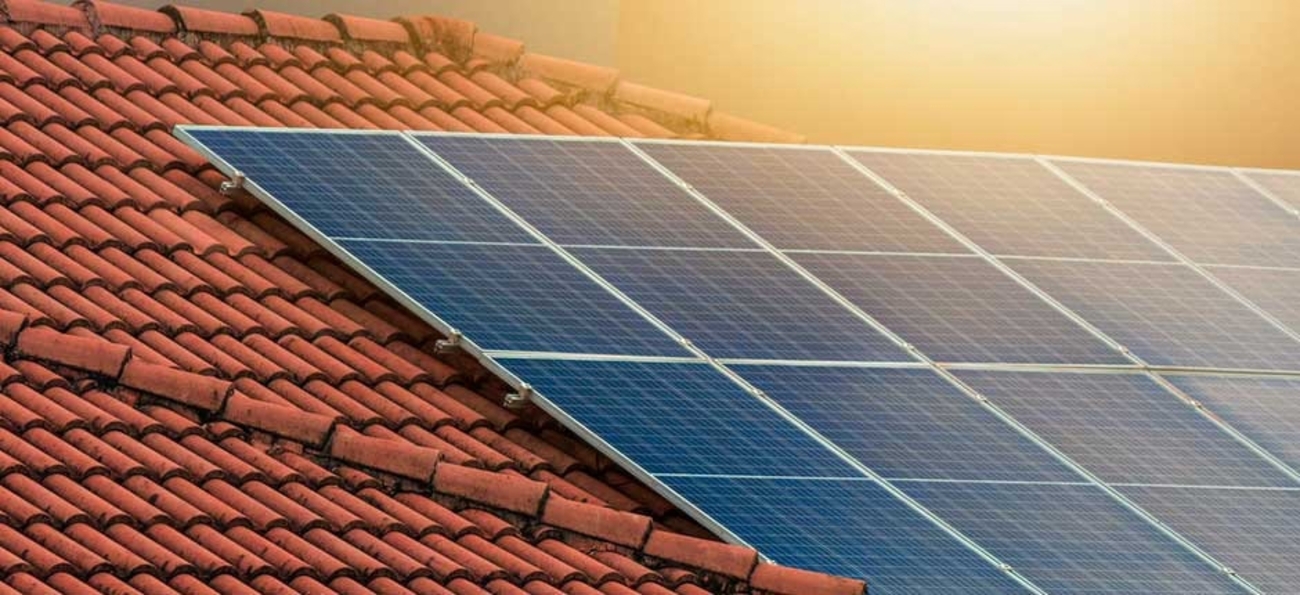
Roraima bets on the sun to escape high tariffs: Amid the energy crisis and price hikes, solar energy is growing in Roraima and transforming consumption in the North region.
-
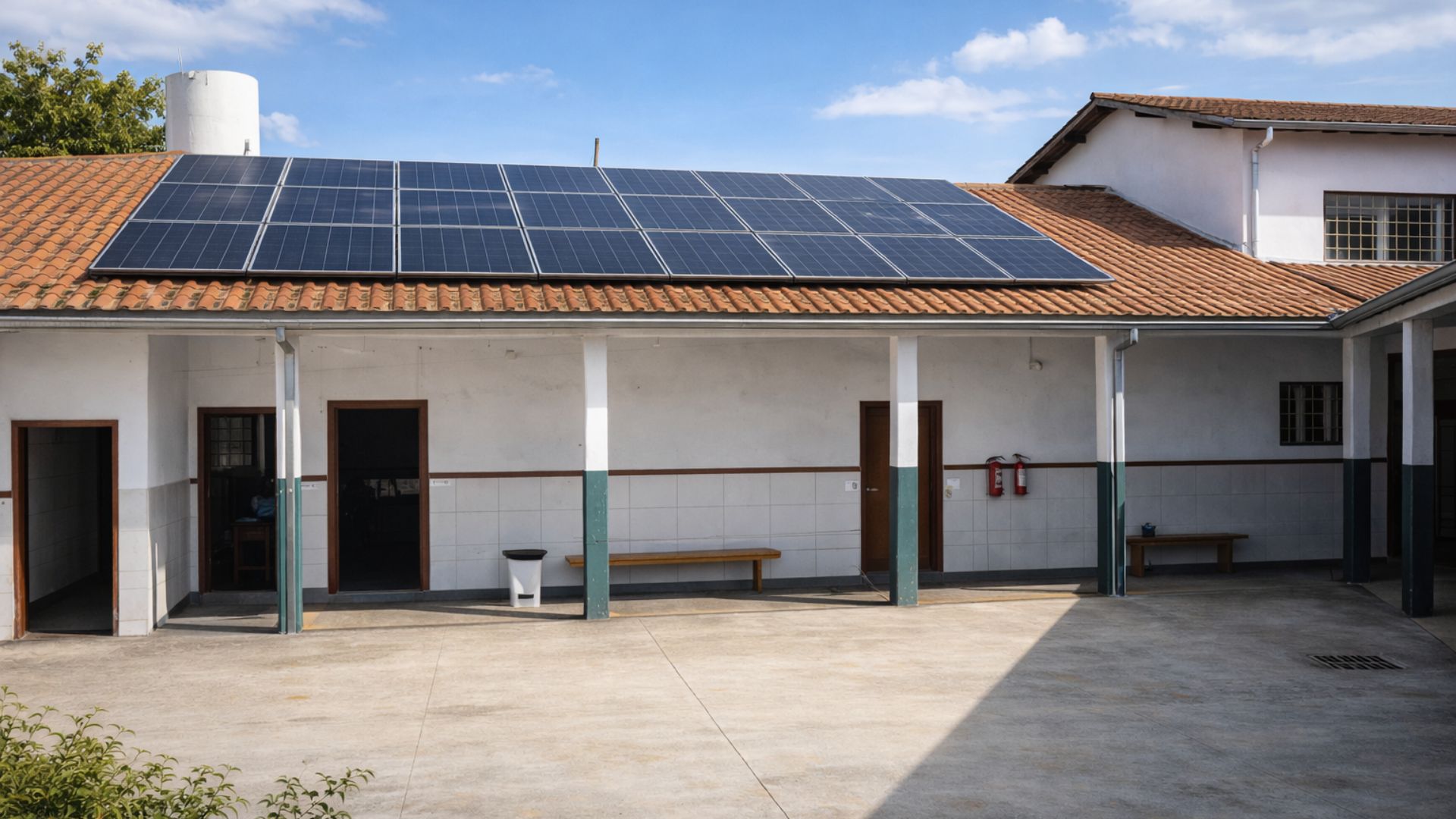
Copel boosts solar energy in Paraná and brings innovation to public schools, promoting savings on electricity bills, energy efficiency, and a direct impact on the quality of education.
-
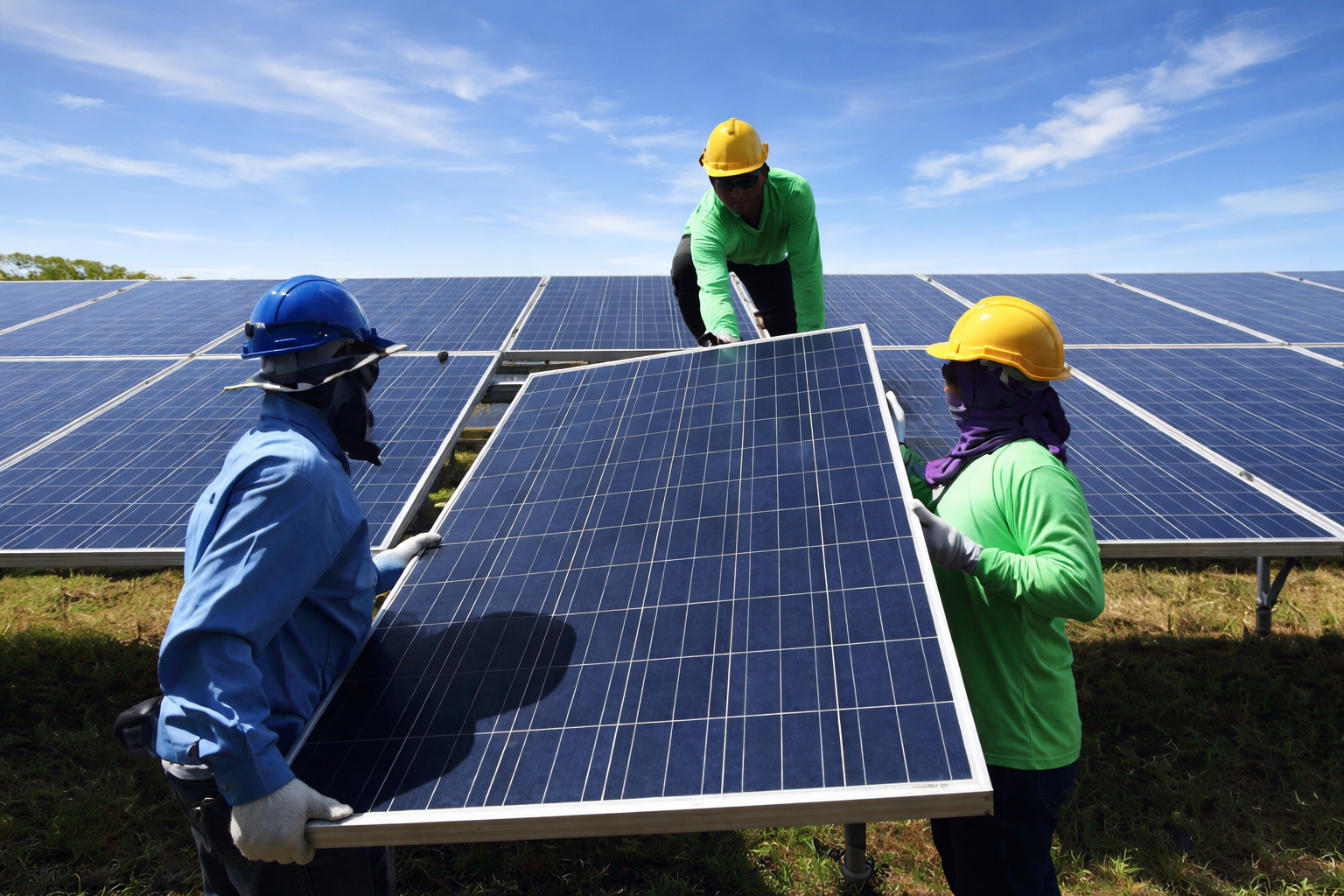
Brazil reaches historic milestone in solar energy: Sector surpasses 2 million accumulated green jobs and generates billions in the national economy even under market pressure.
-
Minas Gerais takes the lead in renewable energy: State surpasses historic mark of 14 GW in solar energy generation in MG and consolidates dominance in the Brazilian electric sector.
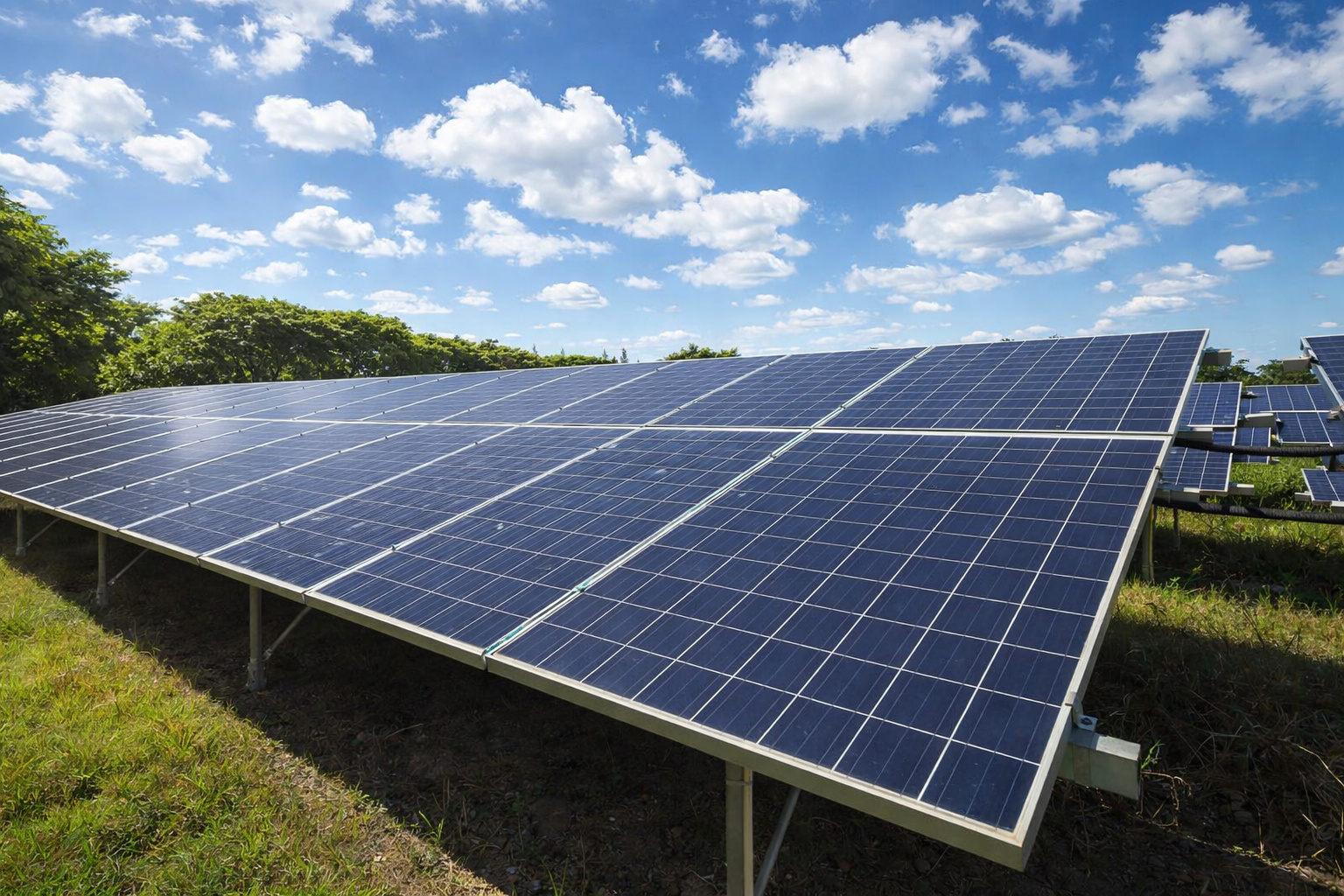

The project focuses on reducing structural costs of rural production, particularly in regions where electricity bills represent one of the main economic bottlenecks. By investing in photovoltaic generation, Project São José helps increase the energy autonomy of communities and reduces reliance on conventional sources.
Solar Power Plant in Limoeiro Ensures Energy Efficiency
The solar power plant installed in Limoeiro is made up of 116 photovoltaic panels, with a generation capacity of approximately 10 thousand kWh per month. This volume is sufficient to meet the association’s demands, especially in the irrigation systems used in agricultural production.
According to Djalma Jorge, director of Método Engenharia, the company responsible for executing the project, the system’s efficiency will allow an average reduction of 90% in the electricity bill, representing a savings of over R$ 9 thousand per month, considering the previous expenditure of around R$ 10 thousand.


Family Farming Gains Competitiveness in Limoeiro with Solar Power Plant
The agricultural production of the association is primarily focused on irrigated fruit growing, with an emphasis on bananas, which account for over 90% of local production.
The stable energy supply provided by the solar power plant is essential to ensure continuous irrigation, especially during drought periods common in Ceará. Currently, the association covers approximately 119 hectares, averaging 7 hectares per family.
Monthly productivity exceeds 1.5 tons of bananas per hectare, highlighting the economic relevance of the activity for the region of Limoeiro. Accessible energy directly impacts the volume and quality of agricultural production.

Project São José Strengthens Youth and Technical Knowledge
In addition to reducing costs, Project São José focuses on strengthening human capital in rural areas. For project analyst Olímpio Queiroga, the solar power plant also represents a tool for training and learning for local youth.
The proposal is to transform the structure into a knowledge dissemination space on renewable energy, encouraging local youth’s interest in sustainable technologies applied to agriculture.
The president of the Luiz Fernandes da Costa Producers Association, José Fernandes, known as Dedé, emphasizes that the savings generated by the solar power plant will allow for new internal investments.
According to him, resources previously allocated for electricity bills can be redirected to expanding cultivated areas, generating jobs, and strengthening agricultural activities in Limoeiro. Farmer Deusivanio Lopes, one of the direct beneficiaries, highlights that the high cost of energy was one of the main obstacles to production growth.
Agriculture in Ceará Advances with Structural Cost Reductions
Deusivanio also explains that part of the savings from energy will be allocated to improving soil fertilization, an essential factor for increasing agriculture productivity.
The reduction in energy costs helps balance expenses with labor, inputs, and maintenance. This scenario contributes to making rural producers more competitive, enabling the provision of food at more affordable prices in the regional market of Ceará.
The delivery ceremony included representatives from the municipal administration of Limoeiro, Ematerce, the Department of Agrarian Development, Project São José, the Flor do Pequi Institute, the rural union, and the company responsible for the construction.
The deputy mayor Francisco Baltazar emphasized that electricity is one of the main costs faced by producers in the Chapada do Apodi, a strategic region for agriculture in Ceará.
Project São José Plans New Stages for the Association
The solar power plant represents the first goal of Project São José at the Luiz Fernandes da Costa Producers Association. Additional plans include the implementation of irrigation systems, well drilling, acquisition of administrative equipment, and hiring young apprentices.
These complementary actions expand the project’s reach and strengthen the productive base of family agriculture in Limoeiro, promoting integrated development.
For the coordinator of Project São José, Lafaete Almeida, the initiative reinforces the Ceará Government’s commitment to public policies that combine technological innovation and social inclusion. According to him, investing in clean energy prepares rural communities for a more resilient future.
Solar Power Plant Consolidates a New Model of Rural Development
The solar power plant in Limoeiro symbolizes the transition to a more efficient, sustainable production model aligned with the needs of family agriculture. The Ceará countryside advances when technology and public policy walk hand in hand.
By reducing costs, increasing productivity, and generating knowledge, Project São José reaffirms its role as an instrument of economic and social transformation in the interior of Ceará, strengthening families’ livelihood in the countryside and ensuring long-term sustainable rural development.








Seja o primeiro a reagir!