





 Portuguese
  English
  Spanish
  5 min of reading
  0 comments


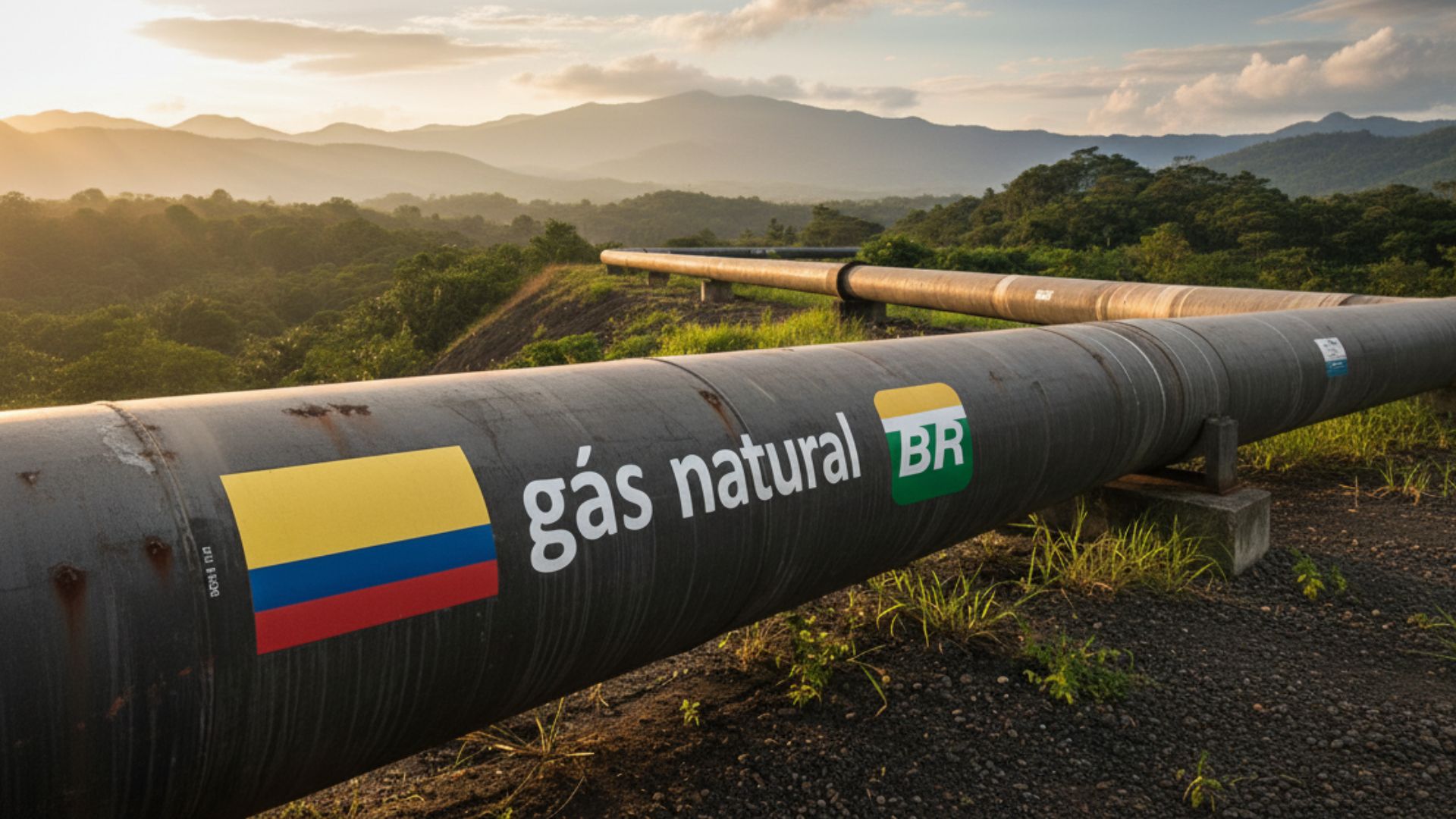
Petrobras and Ecopetrol Advance for Natural Gas Exploration in Colombia with the Sirius Project, Which Enters the Contracting Phase and Strengthens Regional Energy Cooperation
The Sirius Project, developed by Petrobras in partnership with the Colombian state-owned company Ecopetrol, reached a new milestone in the exploration of natural gas in Colombia this Thursday (16). After completing nearly half of the preliminary consultations required by law, the project is nearing the contracting phase, a crucial step for enabling the commercial production of the largest natural gas reserve ever discovered in the country.
Strategic Partnership Between Petrobras and Ecopetrol in the Sirius Project
According to information released by outlets such as InfoMoney and Terra, the discovery was made during the drilling of the Sirius-2 well, located off the Colombian Caribbean coast. This advancement represents a decisive step for Colombia’s energy security and strengthens Petrobras’ presence in the Latin American market.
The collaboration between Petrobras and Ecopetrol in the Sirius Project is considered one of the most relevant offshore exploration initiatives in Latin America. Petrobras, with extensive experience in deep waters, brings technical and operational expertise, while Ecopetrol, Colombia’s largest energy company, contributes local knowledge and institutional coordination capacity.
-
Brazilian giant expands borders in the Southeast: Petrobras confirms new oil discovery in ultra-deep waters in the pre-salt of the Campos Basin.

-
Alert in the global energy market: Severe tropical cyclone hits the coast and disrupts gas production at major plants in Australia, threatening global supply.

-
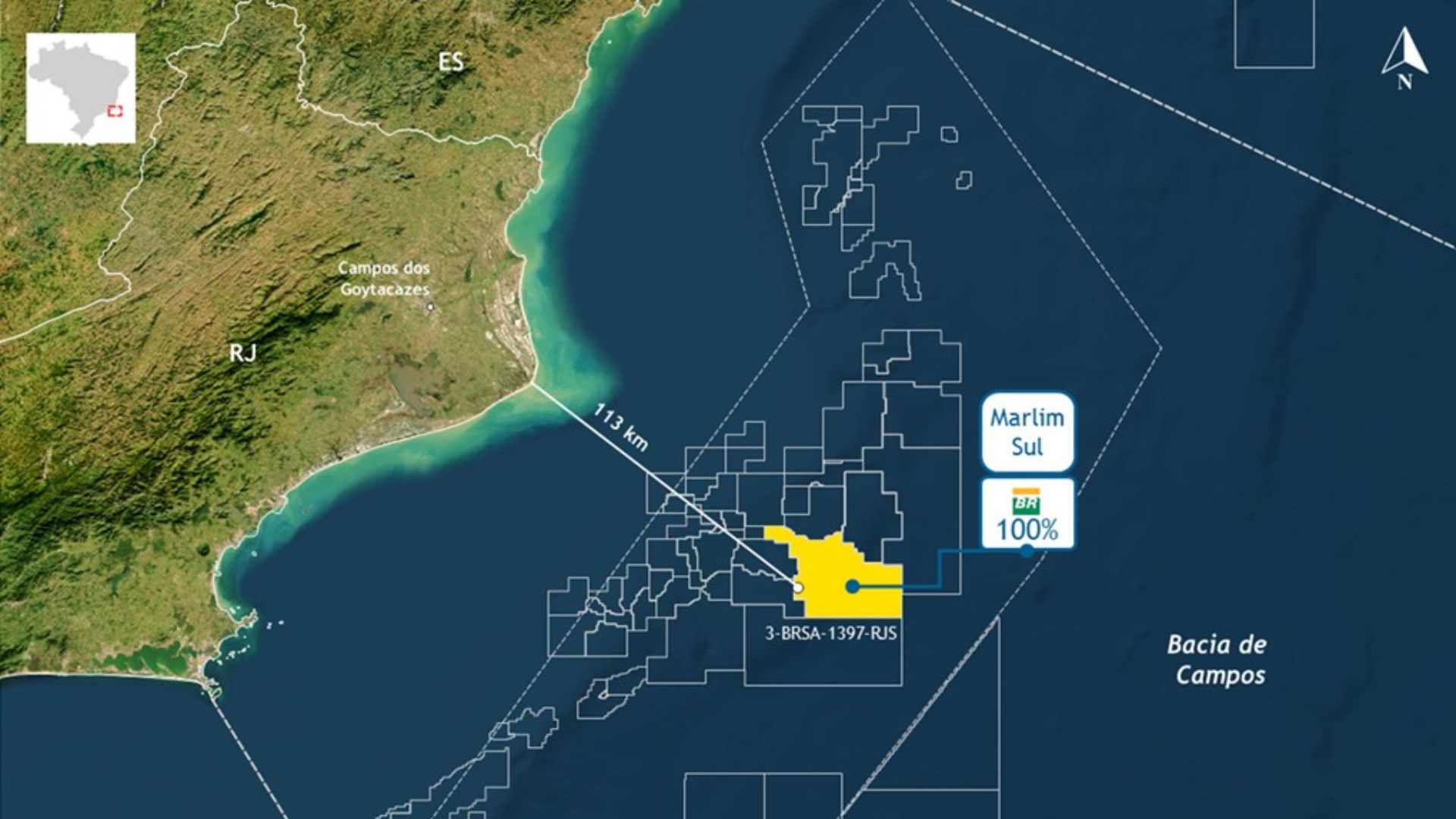
Petrobras finds high-quality oil in the pre-salt at 113 km from RJ and reignites expectations about strategic reserves in the Campos Basin.

-
Ocyan opens registrations for startups focused on innovation in the oil and gas sector and will select projects for Innovation Day with the support of Nexio.


The Sirius Project is an example of successful international cooperation, with the potential to transform Colombia’s energy matrix. The discovery of natural gas in the Sirius-2 well, announced in December 2024, was deemed the largest in the country’s history, with initial estimates indicating significant volumes for domestic supply and export.
Natural Gas in Colombia: Economic and Energy Impact
The confirmation of Colombia’s largest natural gas reserve has direct implications for the national economy. The country, which currently relies on imports to meet part of its energy demand, will be able to reduce costs, increase energy security, and boost industrial growth.
Natural gas is a cleaner and more efficient energy source, being essential for the global energy transition. With this new reserve, Colombia will be able to expand its thermal generation capacity, supply productive sectors, and even export surpluses to neighboring countries like Panama and Ecuador.
Furthermore, the development of the Sirius Project could stimulate investments in infrastructure, such as pipelines, terminals, and processing units, generating jobs and promoting social inclusion in the regions involved.
Pre-Consultation: Respect for Communities and Colombian Legislation
Colombian legislation requires that high-impact projects conduct prior consultations with indigenous and local communities. This process is fundamental to ensure that the interests of these populations are respected and that there are adequate compensations for socio-environmental impacts.
The Sirius Project has already completed 56 of the 120 planned consultations, demonstrating the commitment of the involved companies to transparency and dialogue. According to Alcindo Moritz, head of Petrobras in Colombia, this advancement is essential for obtaining environmental licenses and for building a trusting relationship with stakeholders.
The prior consultation also helps mitigate operational risks, avoid conflicts, and ensure that the project is conducted ethically and sustainably.
Contracting Phase: Next Steps for Petrobras’ Sirius Project
With the approaching contracting phase, Petrobras and Ecopetrol face technical and logistical challenges. It will be necessary to select qualified suppliers, ensure environmental compliance, and maintain the execution schedule.
The contracting phase represents the start of the project’s operationalization, involving the mobilization of equipment, labor, and financial resources. The expectation is that this stage will be completed by the first half of 2026, allowing for the beginning of commercial production in 2027.
Among the services to be contracted are additional drilling, platform construction, transportation of inputs, and installation of flow systems. The companies will also need to invest in local training and social responsibility programs, strengthening ties with communities and promoting regional development.
Petrobras and Ecopetrol: Leadership in Natural Gas Exploration
The joint action of Petrobras and Ecopetrol in the Sirius Project consolidates both as leading players in natural gas exploration in Latin America. Petrobras, globally recognized for its competence in deep waters, reinforces its strategy of internationalization and asset diversification. Ecopetrol, in turn, strengthens its position as a leader in the Colombian energy sector.
The discovery at the Sirius-2 well is considered a game changer, with the potential to alter the regional energy landscape. The partnership between the two companies demonstrates technical capacity, strategic vision, and commitment to sustainability.
Moreover, the success of the Sirius Project could serve as a model for other international cooperation initiatives, promoting innovation and technological development in the oil and gas sector.
Geopolitical Relevance of the Discovery in Colombia
The discovery of natural gas in the Sirius Project has geopolitical relevance, especially in the context of global energy instability. With new reserves, Colombia could become a strategic player in Latin America, contributing to regional energy security and reducing dependence on external sources.
Petrobras and Ecopetrol demonstrate leadership and execution capacity, positioning themselves as references in offshore exploration. Colombia, in turn, strengthens its energy sovereignty and expands its influence in the international market.
The discovery could also attract new foreign investments, stimulate bilateral agreements, and foster energy integration among Latin American countries.


Sustainability and Innovation in Petrobras’ Sirius Project
In addition to the economic and geopolitical aspects, the Sirius Project incorporates sustainability and innovation practices. The involved companies have adopted low environmental impact technologies, real-time monitoring systems, and rigorous safety protocols.
Offshore natural gas exploration requires environmental responsibility, especially in sensitive areas like the Caribbean coast. Therefore, Petrobras and Ecopetrol have invested in impact studies, ecological compensations, and dialogue with civil society organizations.
Moreover, artificial intelligence, automation, and data analysis can be incorporated to optimize operations and reduce risks. These practices reinforce the companies’ commitment to operational excellence and sustainability.
What to Expect from Colombia’s Energy Future
The advancement of the Sirius Project in Colombia, led by Petrobras and Ecopetrol, represents a historic milestone for the Latin American energy sector. The confirmation of the country’s largest natural gas reserve, combined with progress in the preliminary consultations and the imminent contracting phase, signals a promising future for the region.
The discovery strengthens Colombia’s position as an energy producer, promotes the diversification of the energy matrix, and opens new economic opportunities. For Petrobras, the project reaffirms its capacity for innovation and leadership in the oil and gas sector.
The expectation is that, in the coming years, the project will significantly contribute to the sustainable development of Colombia and to the consolidation of Latin America as an energy powerhouse.







Seja o primeiro a reagir!