





 Portuguese
  English
  Spanish
  3 min of reading


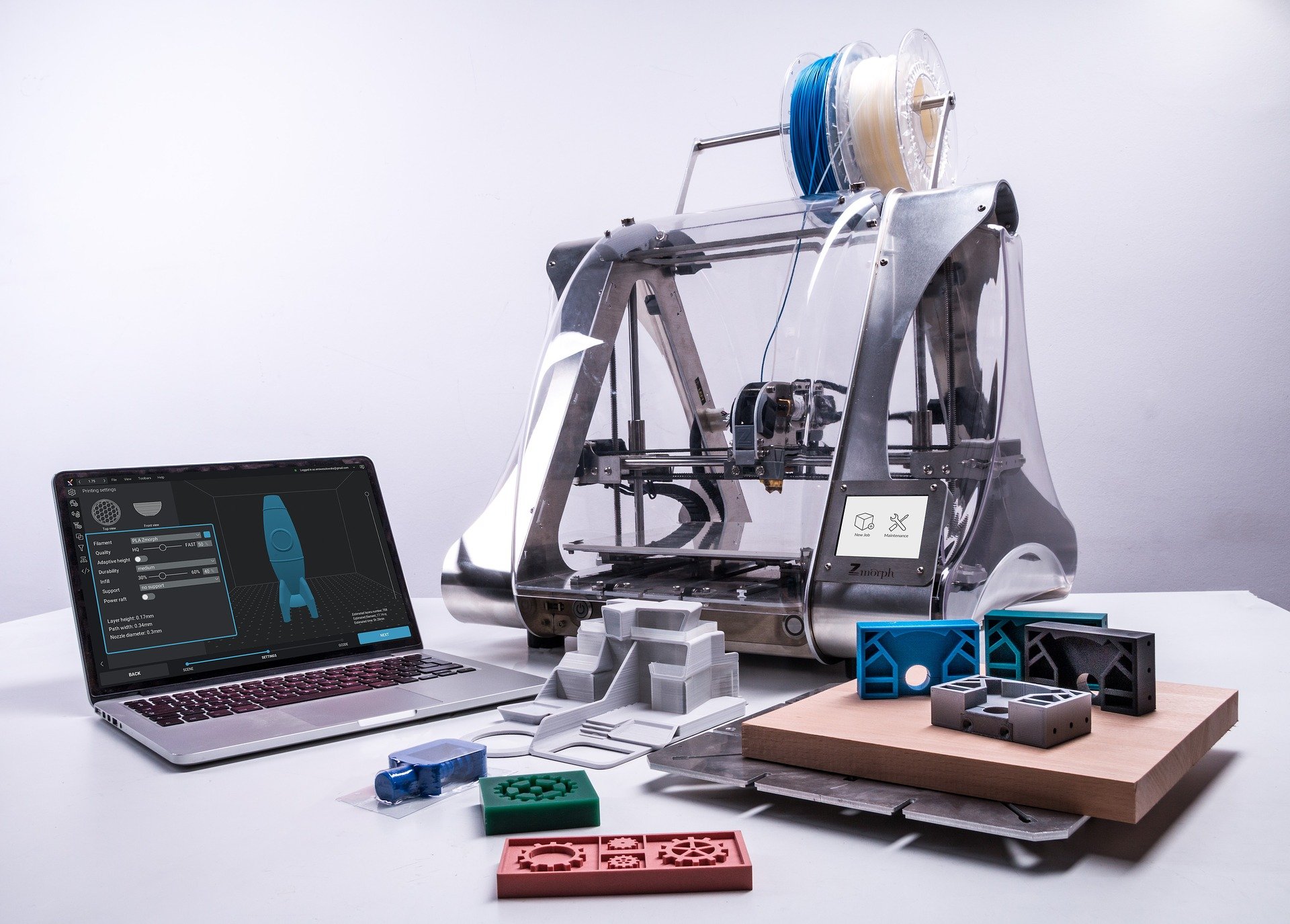
The Equipment Produced Through 3D Printing at UFES Addresses Key Challenges in Oil and Natural Gas Operations. LaMFET Develops Projects Using Technology and Aims to Contribute to the Future of the Industry.
The encouragement of science and technology, though weakened in recent years, continues to yield significant results in the Brazilian academic field. The Laboratory of Experimental Methods in Transport Phenomena (LaMFET) at the Federal University of Espírito Santo (UFES) is working on a major initiative for the oil and natural gas sector. This involves the use of 3D printing for parts and equipment in the development of projects aimed at the main challenges of the industry.
LaMFET at UFES Excels in the Use of 3D Printing for the Creation of New Equipment for Oil and Natural Gas Sector Projects
Public universities in Brazil are internationally recognized when it comes to research and the development of new technological projects for the global oil and natural gas industry.
One of the current highlights in the field is LaMFET at UFES, which has been developing an initiative to create equipment and parts using 3D printing for projects in the oil and natural gas sector.
-
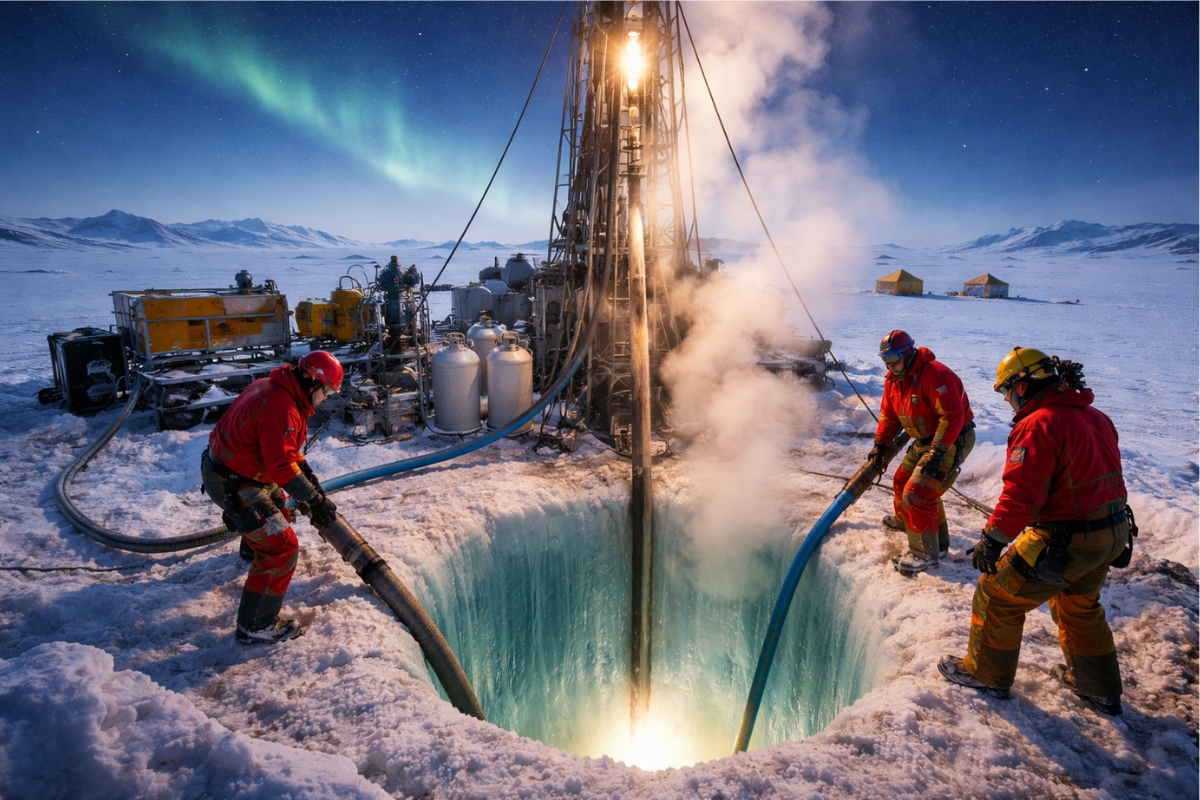
Scientists from an international project drill 1,800 meters of ice in Antarctica using hot water and discover details about one of the most intriguing places on planet Earth.
-
Seen from space, a colossal volcano nearly 5,000 meters high in Russia has released 1,600 km of smoke over the Pacific, forming “devil’s horns” of lava and revealing the brutal force of the Ring of Fire.

-
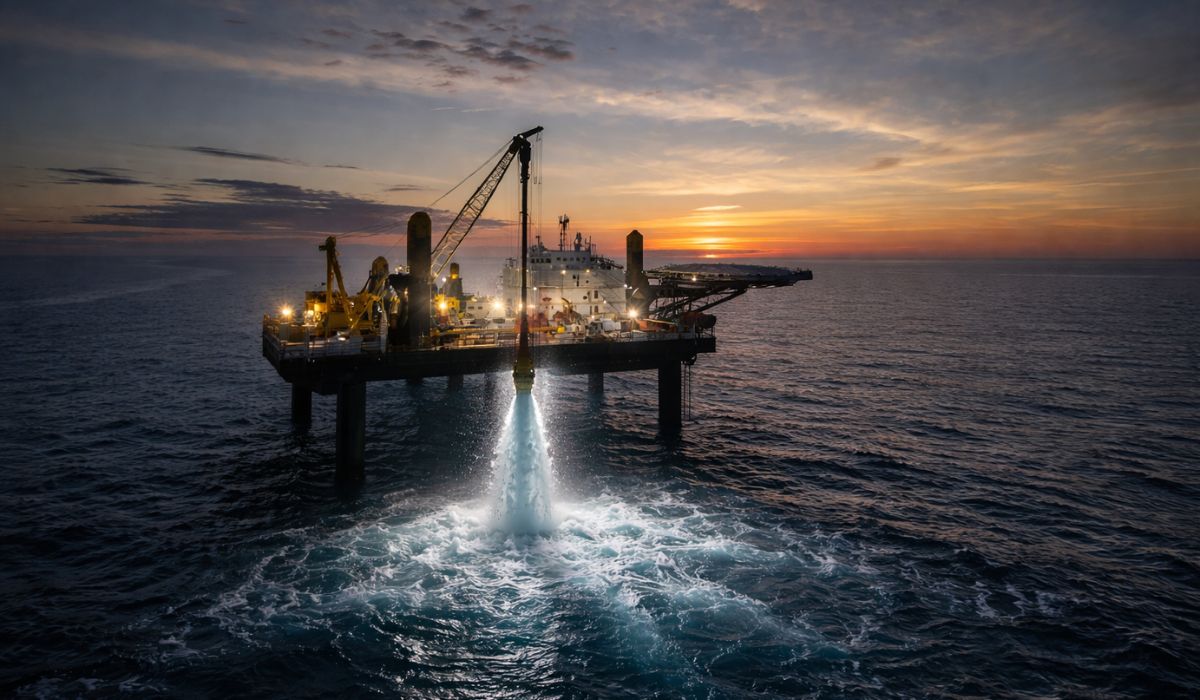
Expedition 501: Scientists drill into the ocean floor and discover a giant reserve of fresh water hidden beneath the sea, extracting nearly 50,000 liters and revealing an invisible system that could reshape the map of water scarcity.
-
Archaeologists find an intact tomb over 2,500 years old, with more than 100 preserved objects, weapons, jewelry, and human remains never touched.

The devices created in the laboratory allow for the processing and study of the main challenges currently faced in the operations of the industry.
“We develop special parts based on concepts that are used in experiments conducted in our laboratory according to the research agreements we have. To do this, we need to produce prototypes of these special parts that will be used in the experiments, and we have been doing so using additive manufacturing. We currently have the Objet 30Pro 3D printer from Stratasys,” explained Professor Bruno Venturini Loureiro, coordinator of the UFES Laboratory.
Currently, in Brazil, Stratasys printers are sold by LWT Sistemas, which guarantees all the necessary support to encourage the use of 3D printing in various national projects.
Bruno Venturini Loureiro also highlights the importance of the history of each part developed at UFES through LaMFET, as the laboratory works with long-term projects for the oil and natural gas sector.
For him, the use of additive manufacturing has contributed to greater agility, time optimization, and practicality in project development.
Thus, they develop concepts that can be applied in the oil and natural gas sector based on advancements in technological maturity.
The Use of Additive Manufacturing and 3D Printing in LaMFET Projects Has Provided Even Higher Quality in UFES’s Initiative
The use of additive manufacturing with photopolymerizable resins from the Objet 30Pro has brought LaMFET substantial gains in speed and practicality in producing special parts.
This is because, before this initiative, the laboratory relied on specific suppliers in the field, which extended project development timelines.
In addition to finding suppliers, it was necessary to negotiate delivery times and navigate the bureaucratic processes of contracting.
Now, with the use of additive manufacturing, processes can be carried out more quickly and efficiently.
“Additive manufacturing immensely facilitates the production of these parts. By eliminating the need to seek out external suppliers, we gain more agility and capacity to conduct tests of different part prototypes, due to the ability to work with various types of resins,” stated Loureiro.
LaMFET at UFES will continue to seek new investments and improvements to ensure even higher quality in the development of its projects in 2023 for the oil and gas sector.







Seja o primeiro a reagir!