





 Português
  Inglês
  Espanhol
  5 min de leitura
  0 comentários


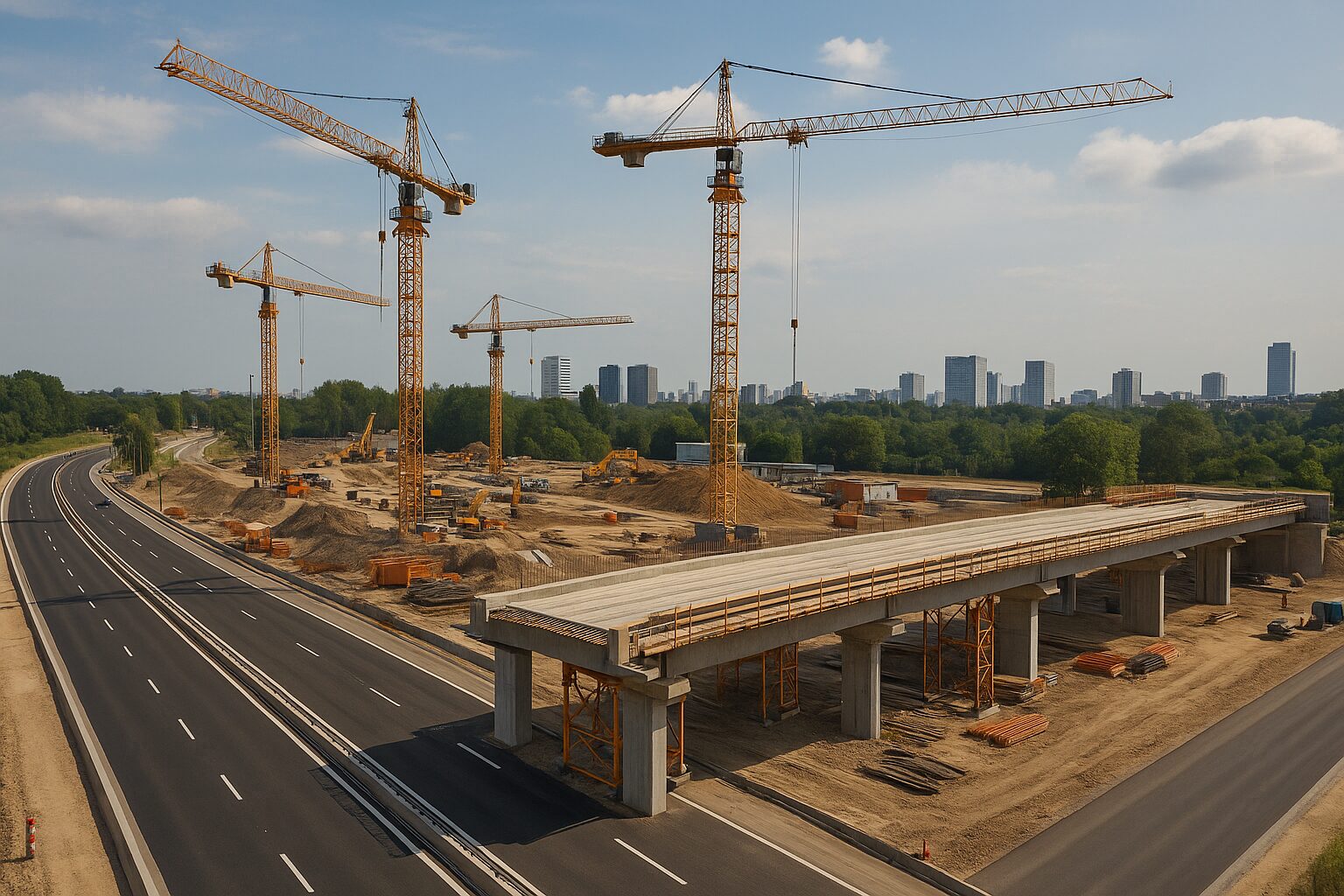
Understand How Infrastructure Projects Shape Society, Drive the Economy, and Ensure Quality of Life with Sustainable Solutions for the Present and the Future.
Since the earliest civilizations, infrastructure has been the foundation of societal development.
When we look at human history, we can see that the construction of roads, bridges, aqueducts, ports, and canals played a fundamental role in social organization, economic growth, and territorial integration.
These structural elements, known as infrastructure projects, continue to be essential for the functioning of cities, the mobility of people, the flow of production, and access to basic services.
-
Employee Fired After Accumulating 114 Days of Medical Leave in One Year, Labor Court Upholds Company’s Decision

-
Employee Fired While Treating Depression Wins in Court and Vale Is Required to Rehire Him Following Decision Based on the CLT and INSS Benefits

-
Workers Should Be Aware! March 6 Will Be The Fifth Business Day Of March And The Final Deadline For Companies To Pay Salaries According To The CLT

-
2026 FGTS Anniversary Withdrawal Is Released According to Birth Month, Sets Amounts by Balance Range, Establishes Deadlines for March and April, and Changes Rules in Case of Dismissal

Moreover, infrastructure projects involve planning, construction, and maintenance of physical structures that support economic and social activities.
This includes everything from highways and railways to water and sewage systems, electric power transmission lines, public transportation systems, airports, dams, hospitals, and schools.
In other words, everything that ensures the basic structure for the functioning of a society is related to infrastructure.
The lack of infrastructure can result in a chaotic urban environment harmful to health, as seen in cities with disordered traffic and lack of basic sanitation.
According to the Brazilian Institute of Geography and Statistics (IBGE), in 2021, approximately 35% of households in Brazil were still not served by sewage networks, highlighting the importance of infrastructure projects for improving the quality of life of the population.
The implementation of basic sanitation systems and the expansion of water and sewage networks have been priorities in public policies, especially in the last 10 years, due to the direct impact they have on public health.
The Historical Role of Infrastructure in the Development of Societies
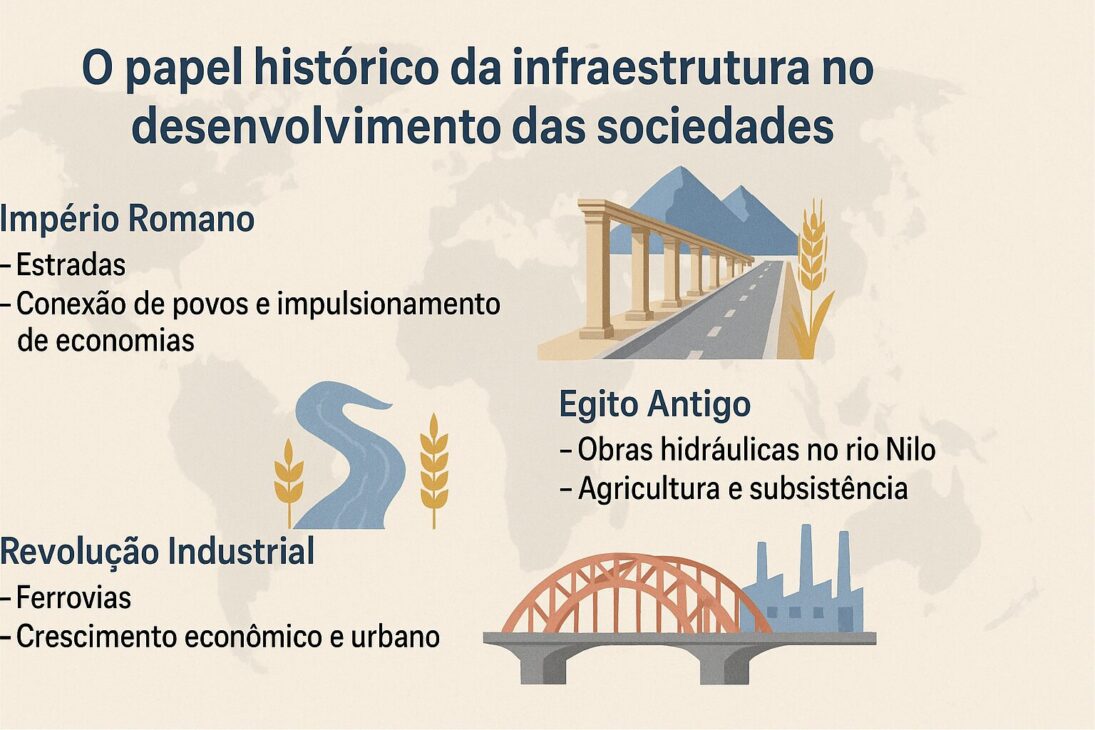
Historically, great empires invested heavily in infrastructure, demonstrating its importance.
The Roman Empire, for example, built an extensive network of roads that interconnected its provinces, facilitating trade and troop movement.
The Roman roads, which traversed the vast empire, are a clear example of how infrastructure projects helped connect peoples and boost economies.
In Ancient Egypt, hydraulic works along the Nile River were fundamental to the agriculture and sustenance of the population.
The creation of irrigation canals allowed large areas of land to be cultivated, promoting a prosperous agricultural economy.
These works helped the Egyptian civilization to flourish and ensure food supply for its inhabitants.
These projects, although ancient, already demonstrated the strategic role of infrastructure for the development and security of a nation.
However, as centuries passed, industrialization and urban growth further increased the demand for modern infrastructure.
Cities began to grow rapidly, requiring efficient water supply systems, sanitation, urban transportation, and power generation.
Today, infrastructure projects remain a priority in almost all countries.
They are considered strategic investments, capable of generating jobs, attracting investments, reducing regional inequalities, and improving the quality of life of the population.
According to the World Bank (2020), countries that invest in infrastructure exhibit higher growth rates and better income distribution.
Infrastructure as a Foundation for Social and Economic Development
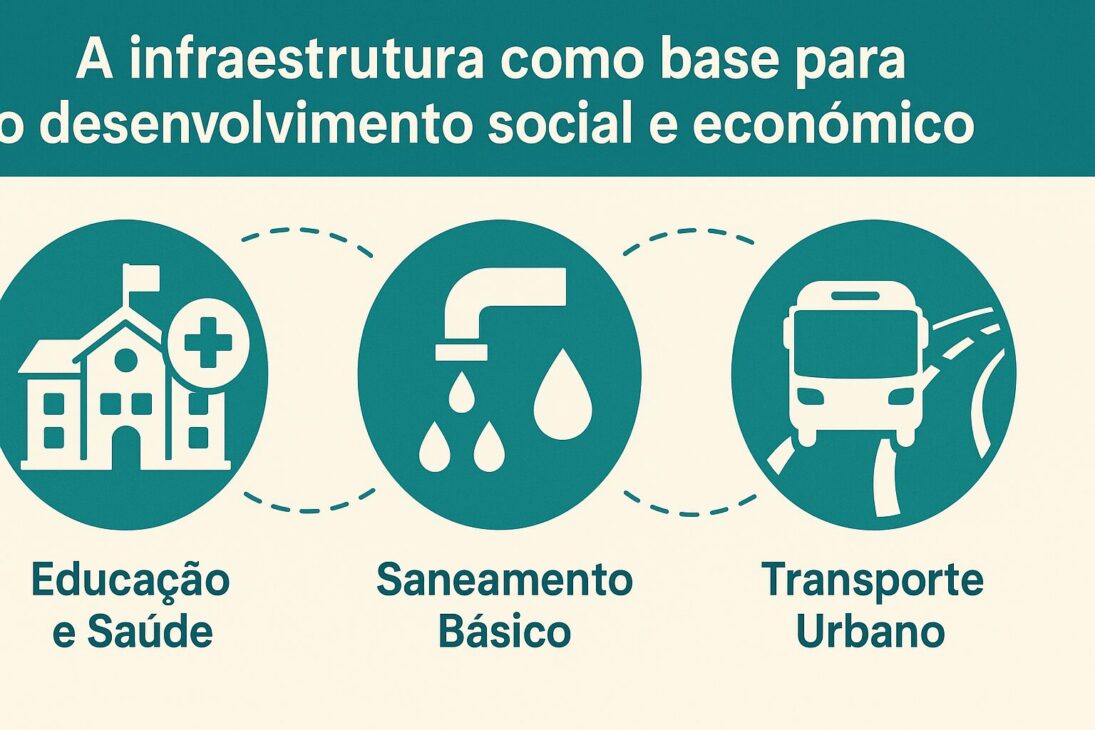
In addition to its economic role, infrastructure also has a very relevant social aspect.
The construction of schools, hospitals, and basic health units ensures the population’s access to essential services.
Basic sanitation systems, such as sewage networks and water treatment plants, are directly linked to public health.
Similarly, urban transportation systems also play an essential role, facilitating the mobility of people and promoting social integration.
However, a major challenge for many cities worldwide is creating an efficient and accessible public transportation system.
The lack of adequate investments in this area can result in traffic congestion, pollution, and increased commuting times, which directly harms the quality of life of the population.
In 2021, the World Bank published a study on the impact of transportation infrastructure investments, highlighting the importance of efficient public transportation systems in urban areas.
This study showed that cities adopting sustainable solutions, such as using low-carbon public transportation, provide better quality of life for their inhabitants.
On the other hand, with the advancement of technology and growing concern for sustainability, infrastructure projects have begun to incorporate new concepts.
One of these is the concept of green infrastructure, which seeks to reconcile urban development with environmental preservation.
Additionally, smart cities have also gained prominence.
In these cities, infrastructure is designed to integrate with information technology, allowing for a more efficient use of urban resources.
This involves everything from public lighting systems with presence sensors to apps that optimize public transport routes and digital platforms that help monitor energy consumption in real-time.
Challenges and Innovations in Modern Infrastructure Projects
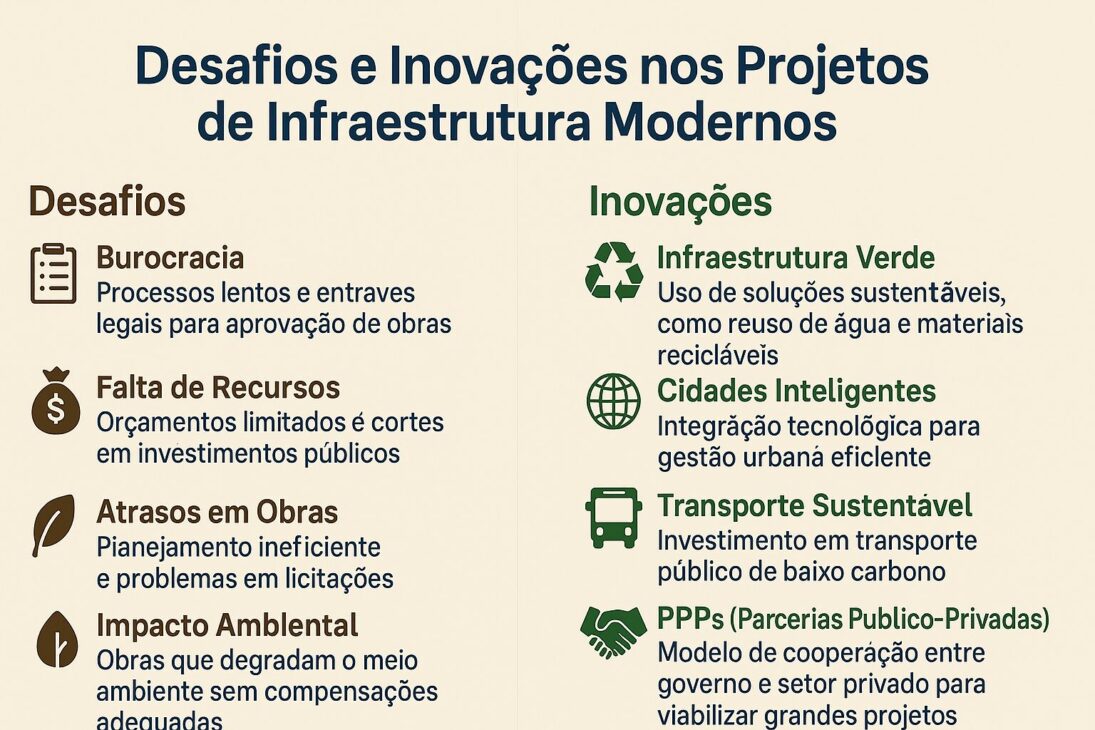
However, developing infrastructure projects is not a simple task. It requires advanced planning, environmental impact analysis, cost assessment, and creating well-structured schedules.
Furthermore, many projects face challenges such as bureaucracy, lack of financial resources, issues with bidding, or delays in execution.
Thus, efficient management is one of the pillars for the success of any infrastructure project.
Moreover, it is important to highlight that these projects can be carried out by both public entities and private companies, often in partnership.
The so-called public-private partnerships (PPPs) are a way to join efforts and share responsibilities in the construction and management of large works.
They have become a viable alternative to enable investments in infrastructure, especially in developing countries.
According to the Ministry of Economy of Brazil, in 2022 there were over 300 PPP projects underway in the country, mainly in the areas of sanitation, transportation, and public lighting.
Therefore, understanding the importance of infrastructure projects is essential not only for industry professionals but also for society as a whole.
After all, each road, bridge, hospital, or school built directly impacts the lives of people. They are works that transform reality, generate opportunities, and promote sustainable development.











Seja o primeiro a reagir!