





 Portuguese
  English
  Spanish
  5 min of reading
  1 comment


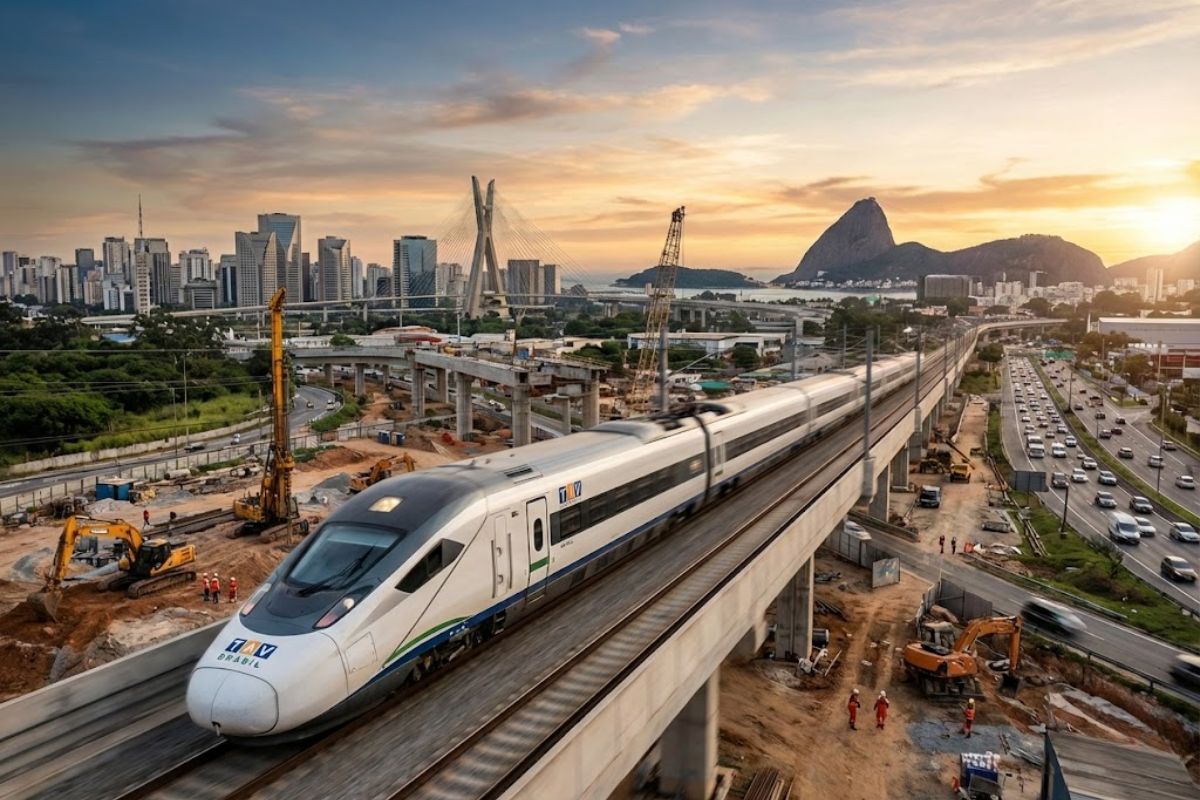


Promised Since The Late 1980s, The SP–RJ Bullet Train Advanced After TAV Brasil Received Authorization From ANTT In 2023 For 99 Years. The 417 Km Line Aims For 105 Minutes, Up To 320 Km/h, With Works In 2028, Estimated Investment Of R$ 60 Billion, Passenger Operation In 2032.
In The Late 1980s, The SP–RJ Bullet Train Became A Recurring Promise In Brazil, But Always Faced Technical, Legal, And Commercial Hurdles. Now, The Project Is Regaining Momentum Because TAV Brasil, A Company Created In 2022, Announced That It Received Authorization From ANTT In 2023 To Build And Operate The Line For 99 Years.
The Proposed Plan Foresees A Railway Of 417 Km, With Trips In 105 Minutes And Speeds Of Up To 320 Km/h, Along With Four Stations And Integration With Subways And Urban Trains In São Paulo And Rio. The Works Are Scheduled To Start In 2028, With Completion Expected By 2032, When Passenger Operations Are Set To Begin.
What Is At Stake With The SP–RJ Bullet Train
The Reality Of Travel In Brazil Has Consolidated Itself Via Roadways, Making Travel Between Cities And States Require Time, Money, And Patience With Traffic Jams, Unless The Alternative Is To Take A Plane.
-
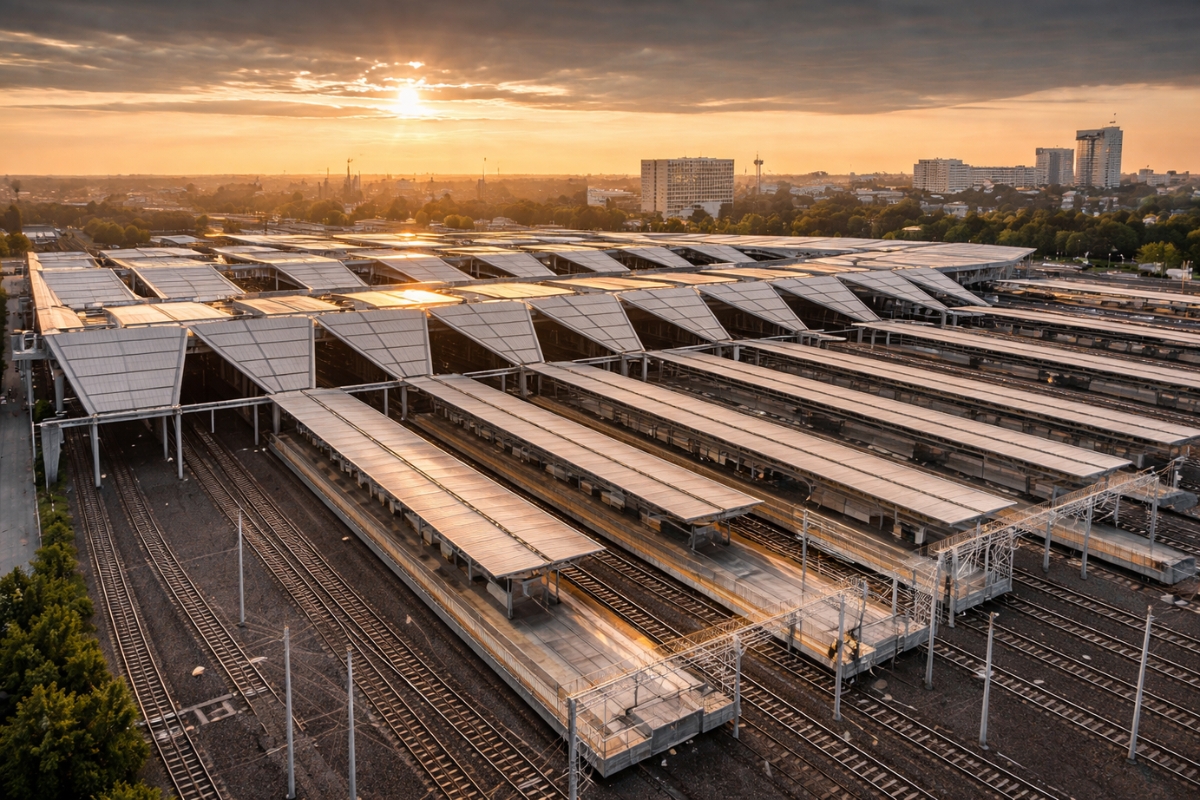
In A European City, The Country’s Largest Railway Junction Was Modernized Without Closing Its Doors, Kept Trains Running During Years Of Construction, Now Serves Up To 60,000 Passengers Per Day, And Installed Solar Panels That Generate About 30% Of Its Energy
-
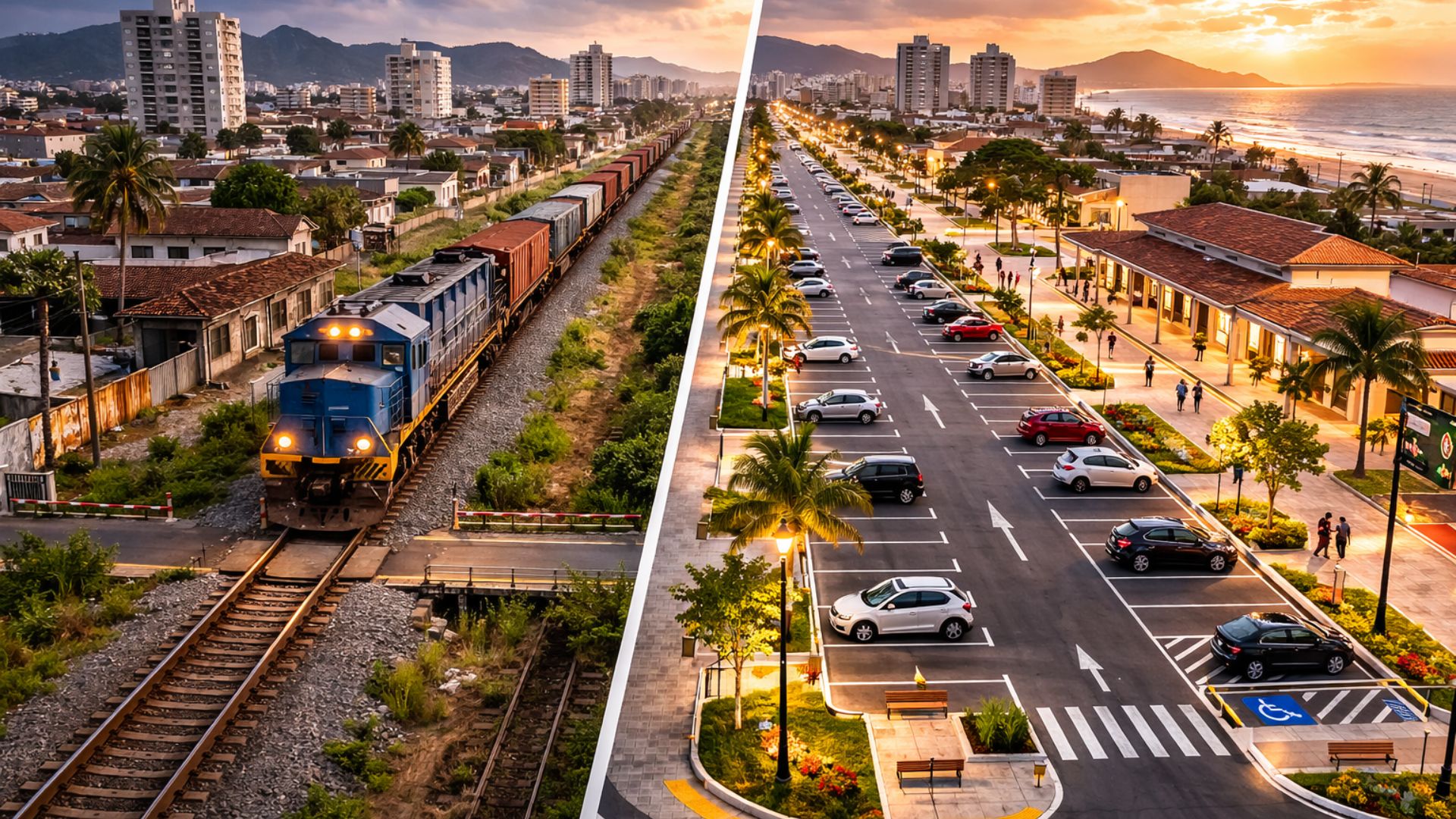
Famous Brazilian Railway May Become a Parking Lot
-
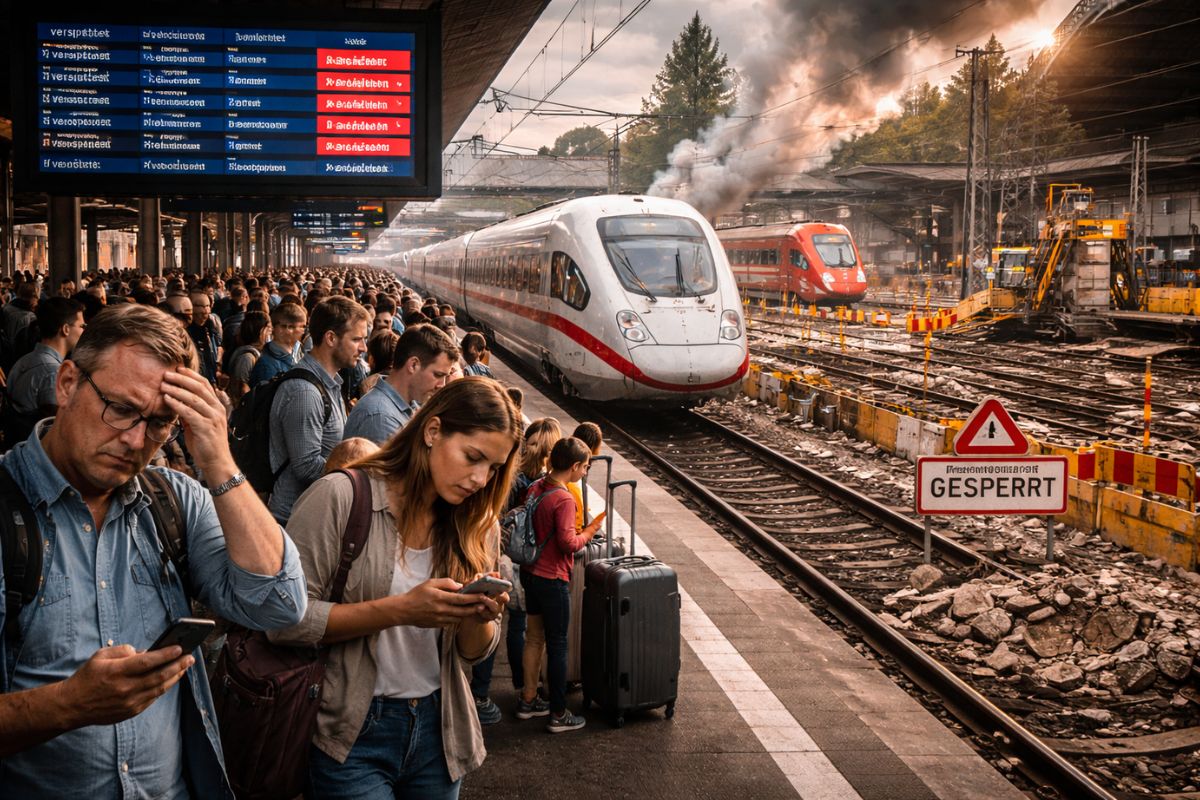
The Country of “Punctual As a Train” Admits It Has Lost Control: High-Speed Trains Delay, Stop, Disappear from the Map and Turn 6-Hour Trips into 10, While Deutsche Bahn Promises Restructuring in 2026 But Faces 19th Century Infrastructure, Staff Shortages and Sections Closed for Months
-
With an Investment of R$ 700 Million in One of the Country’s Main Rail Networks, VLI Reinforces Infrastructure, Receives 8 New Locomotives, and Expands the Corridor Connecting 7 States, Boosting Jobs and the Transportation of Grains, Ore, and Oil Products to the Port of Santos
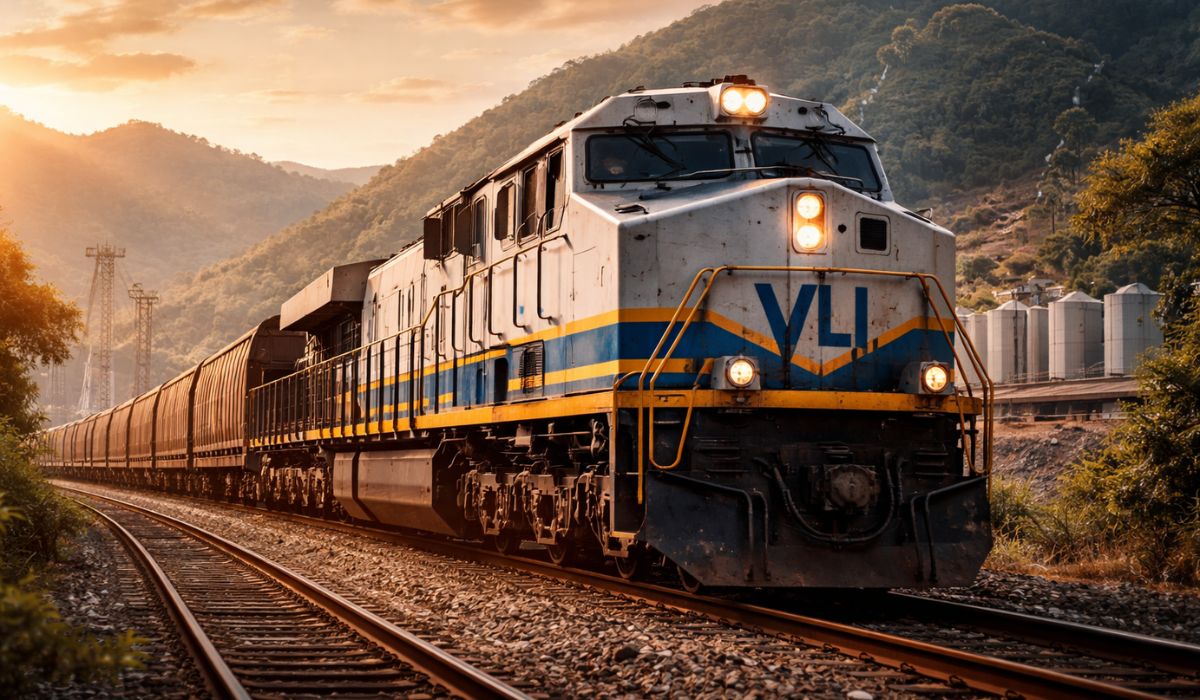

In The São Paulo And Rio De Janeiro Corridor, This Translates To A Simple Metric: The Car Trip Between The Two Capitals Takes About Six Hours.
It Is Precisely This Point That The SP–RJ Bullet Train Promises To Change: TAV Brasil Claims That The Journey Can Be Made In 105 Minutes.
In Terms Of Passenger Experience, This Is A Scale Change, As It Shortens The Perceived Distance Between The Two Largest Metropolises In The Country And Reorganizes The Logic Of “There And Back” For Work, Events, And Appointments.
What TAV Brasil Says It Will Build
According To The Plan Presented By TAV Brasil To ANTT, The SP–RJ Bullet Train Will Have Four Stations:
- São Paulo
- São José dos Campos (SP)
- Volta Redonda (RJ)
- Rio de Janeiro
The Proposal Also Includes Integration With Subways And Urban Trains In São Paulo And Rio, Aiming To Facilitate Passenger Distribution In Metropolitan Areas.
The Idea Is To Reduce The Friction Of The “Last Mile,” Which Often Decides Whether A Railway Project Becomes A Habit Of Use Or Remains An Occasional Option.
From A Technical Aspect, TAV Brasil Designs:
- Railway Length: 417 Km
- Maximum Speed: Up To 320 Km/h
- Travel Time: 105 Minutes
These Three Numbers Define The Heart Of The Project And Help Explain Why The SP–RJ Bullet Train Is Treated As Something Unprecedented In The Country, Both For Its Complexity And For The Need For Coordination Between Engineering, Licensing, And Operation.
How Much It Should Cost And How The Project Plans To Pay For It
The Estimated Investment For The SP–RJ Bullet Train Is About R$ 60 Billion. It Is Also Estimated That The Ticket Price Will Range Between R$ 300 And R$ 500.
According To The Financial Architecture Described, The Execution Would Be Completely Private, With BNDES Acting As A Financial Agent, But Without Direct Public Funding.
The Federal Government Would Appear As Institutional Support, Especially In Licensing Processes And Coordination With States And Municipalities.
In Practice, This Combination Creates A Model Where The Project Tries To Achieve Viability Through:
- Authorization For Exploration For 99 Years
- Financial Structuring With BNDES As An Agent
- Institutional Coordination By The Government To Unblock Critical Stages
TAV Brasil Also Claims To Be Structuring A Consortium With European And Chinese Companies To Execute And Operate The High-Speed Line, Citing The International Experience Of These Companies In Similar Projects And Emphasizing That It Is Something Unprecedented In Brazil.
Scheduled: 2028 For Works, 2032 For Passengers
The Timeline Released By TAV Brasil Indicates:
- Start Of Construction: 2028
- Expected Completion: By 2032
- Start Of Passenger Operations: 2032
This Temporal Scope Reinforces That The Project Is Not Presented As An Immediate Solution, But As An Infrastructure Project With A Long Maturation Period.
Still, The Fact That There Is An Announced Start And End Window, With Defined Milestones, Is One Of The Elements That Has Brought The SP–RJ Bullet Train Back To The Center Of The Debate.
Why The SP–RJ Bullet Train Has Always Been Viewed With Skepticism
The Skepticism Surrounding The Bullet Train In Brazil Did Not Arise Out Of Nowhere. The Very Historical Context Shows That Difficulties Have Dragged On Since The Late 1980s, Passing Through Various Governments And Public Agencies, With Fluctuations That Have Diminished The Project’s Credibility Over Time.
Among The Mentioned Milestones Are RFFSA (Federal Railway Network Public Company) And The Creation Of EPL (Planning And Logistics Company), Indicating How The Project Has Already Been Placed Within Different Institutional Structures Before Reaching Its Current Format.
A Key Point Of The Current Model Is The Railway Law (Law No. 14.273/2021), Sanctioned During Jair Bolsonaro’s Administration (PL), Which Enabled The Authorization Of Private Railway Construction.
This Mechanism Opened Space For The SP–RJ Bullet Train To Be Resumed Under A Different Logic Of Financing And Execution.
Today, The Government Of Luiz Inácio Lula Da Silva (PT) Maintains Support For Railway Expansion, But Without Direct Participation.
What The 2023 Authorization Changes, Practically
TAV Brasil States That In 2023, It Received Authorization From ANTT To Build And Operate The Line For 99 Years, Based On The Railway Law, Which Allows For Private Concessions Without Bidding.
According To The Described Framework, The Company Would Be Responsible For:
- Engineering
- Environmental Licensing
- Structuring International Partnerships For Construction
- Organizing The Framework For Execution And Operation
This Is Where The Project Seeks To Differentiate Itself From The Past: By Concentrating Execution In A Private Operator, Supported By A Legal Mechanism That, In Theory, Reduces Uncertainties In Modeling And Opens The Way To Accelerate Decisions.
What Still Needs To Happen For The SP–RJ Bullet Train To “Get Off The Ground”
Even With Authorization And A Timeline, The Set Of Steps Implicit In The Very Text Indicates That The Project Still Depends On A Complex Sequence Of Deliverables: Licensing, Engineering Arrangements, Consolidation Of The International Consortium, And Financial Structuring Coherent With The Estimated Investment Of R$ 60 Billion.
Do You Think The SP–RJ Bullet Train Will Really Start In 2028, Or Will It Become Just Another Delayed Promise?










Acredito que comece, mesmo porque estamos muito atrasados, em projetos de ferrovias. E ainda acrescento que esse projeto deveria se estender ao transporte de cargas ferroviário.