





 Portuguese
  English
  Spanish
  4 min of reading
  0 comments


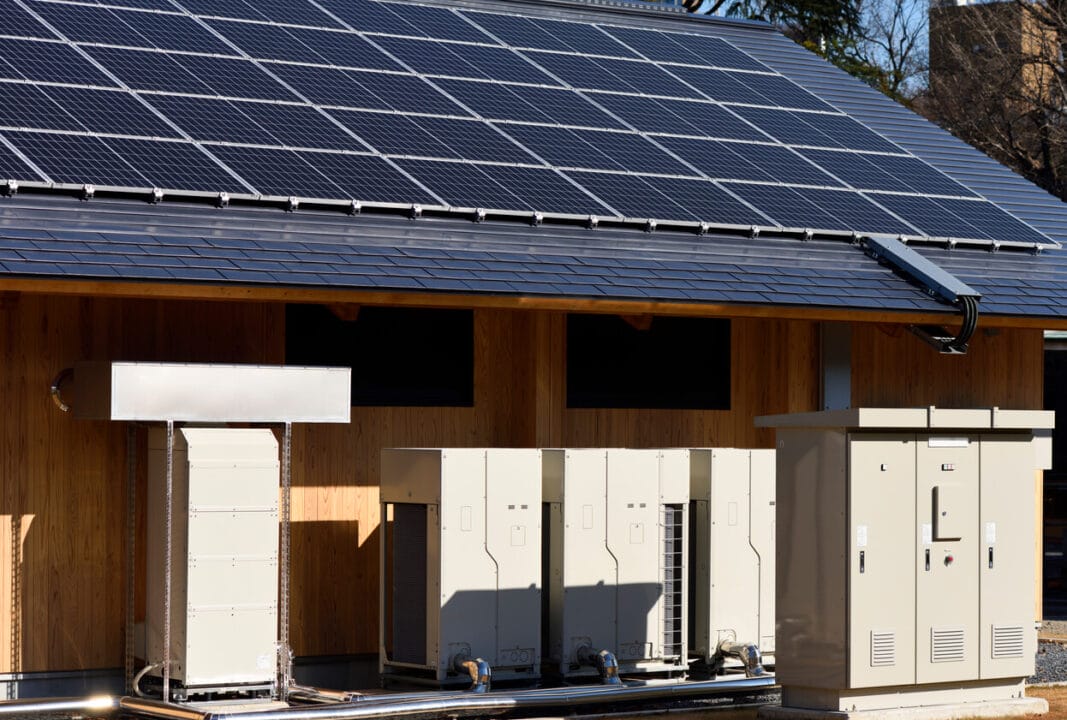
In Case of Power Outage. They Provide Autonomy and Convenience, Ensuring Continuous Operation of Electrical Equipment and Devices, Especially in Areas Prone to Frequent Blackouts. Additionally, They Contribute to Environmental Preservation, Utilizing Solar Energy as a Renewable and Sustainable Source.
An Additional Advantage Is That in Areas Where Energy Costs Fluctuate Throughout the Day, Consumers Can Use Stored Energy During Peak Times, When Energy Is More Expensive, Helping to Reduce Overall Electricity Costs.
“However, It Is Important to Keep in Mind That Weather Conditions, Such as Strong Winds, Can Impact the Efficiency of Solar Panels. It Is Crucial to Consider the Risks and Costs Associated with This Option,” Says Cláudio Sales, President of the Acende Brasil Institute.
According to the EcoFlow Representative, Effective Management of Used Batteries Presents a Significant Challenge, Requiring a Specific Structure for Recycling and Proper Disposal. ‘The Lack of Affordable Financing Alternatives Can Pose an Obstacle to Large-Scale Implementation’, He Notes.
-
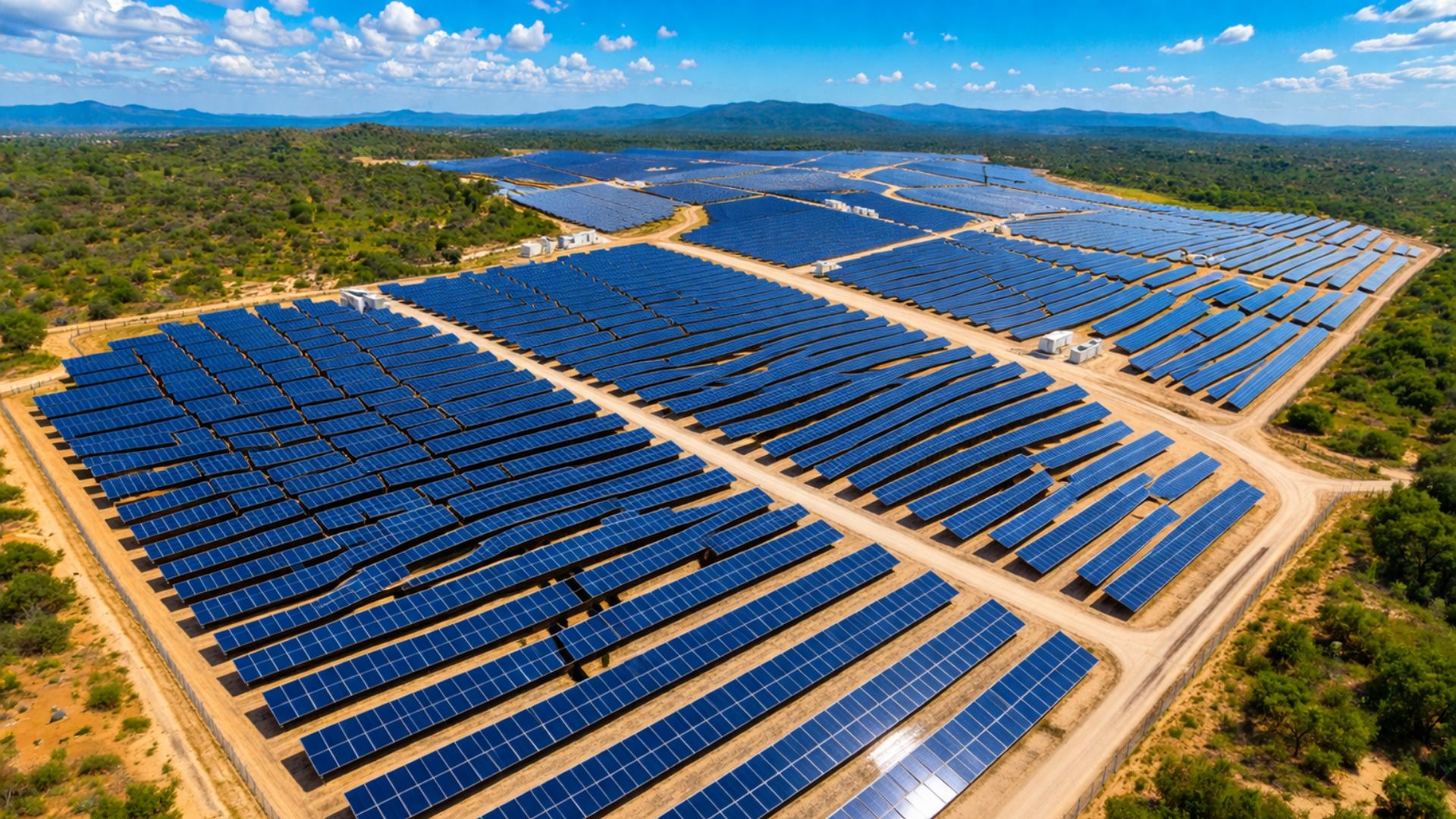
The Sol do Agreste Photovoltaic Complex begins operations in Pernambuco and accelerates the expansion of solar energy in Brazil, directly impacting the reduction of emissions and strengthening the sustainable energy matrix.
-
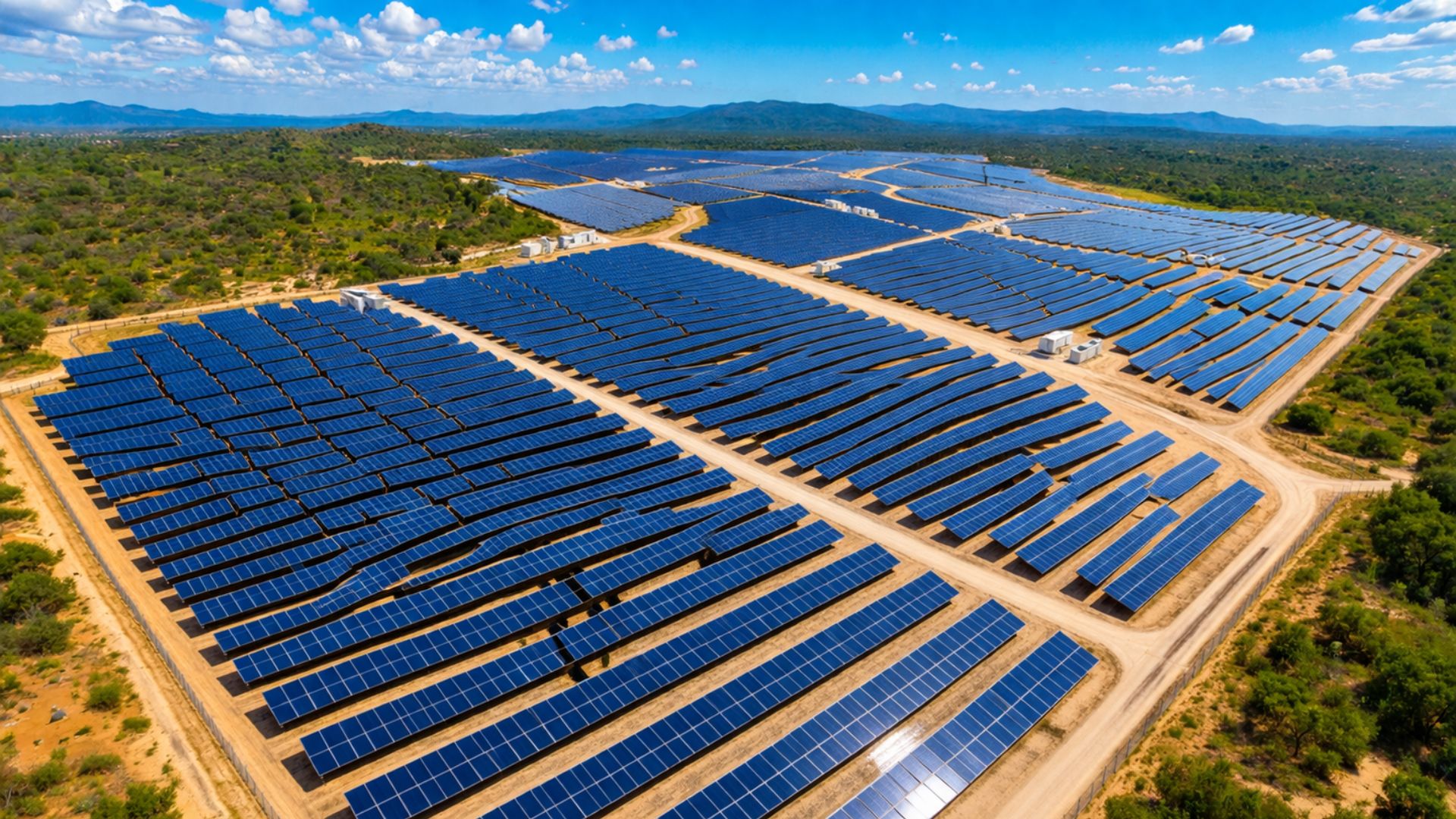
The Sol do Agreste Photovoltaic Complex begins operations in Pernambuco and accelerates the expansion of solar energy in Brazil, directly impacting the reduction of emissions and strengthening the sustainable energy matrix.
-
Renewable energy advances over protected areas in Brazil, and a survey by the Energy Transition Observatory reveals silent impacts that challenge environmental conservation and pressure sensitive traditional territories.

-
Rio Grande do Sul accelerates energy transition: State invests in renewable technologies and consolidates decarbonization strategies and pathways to attract billions in new industrial investments.


Even So, Solar Systems with Batteries Represent the Least Harmful Option to the Environment and the Batteries Are Easily Installed. The Trend Is Toward Reductions in Costs in the Coming Years.
Comparison Between Generators and Distributed Generation with Batteries
There Are More Options in the Market for Acquiring Generators, However, This Alternative Can Be Costly and Harmful to the Environment, as Well as Causing Noise Emissions. Furthermore, Some Models Do Not Start Immediately.
On the Other Hand, Distributed Generation with Batteries Requires Space for Installing the Photovoltaic Panels, Which Are Typically Installed on Rooftops. Additionally, Battery Use Is Necessary to Ensure a Stable Supply of Energy. Without Storage, the User of Distributed Generation Continues to Depend on the Availability of the Distributor’s System, Since Solar Energy Generation Is Not Constant Due to Weather Conditions. **It Is Important to Note That Distributed Generation Does Not Generate Solar Energy All the Time.**
In 2022, the Average Cost of a Solar Energy System with Batteries, Intended for Residential Consumers or Small Commercial Establishments in Brazil, Ranged from R$ 15,000 to R$ 30,000 per kW Installed, According to Information from Christian Barrios, the Sales Manager of EcoFlow, a Company Specializing in Energy Storage Systems.
There Has Been a Reduction in Prices. In the United States, It Is Possible to Find a Home Battery with a Capacity of 200 Watts for Less Than US$ 400 (R$ 2,000). A Battery Capable of Storing Up to 3,000 Watts Costs Approximately US$ 5,000 (R$ 25,000).
When It Comes to Generators, It Is Common to Find Leasing Alternatives, with Rent Around R$ 2,000 for Approximately Five Hours.
Regarding Distributed Generation, Currently in Brazil, the Cost for Installing 1 Kilowatt-Hour (kWh) Is in the Range of R$ 4,000. The Average Consumption of a Brazilian Family Is 6 kW, So the Average Cost of a System That Serves Four People Is Approximately R$ 24,000 for the Installation. In Addition to This Cost, There Is Also the Need to Install Storage.
It Is Essential to Highlight That This Alternative Is Only Effective in Preventing Electricity Supply Interruptions When Combined with Energy Storage Capacity. One Possible Solution Is to Use a Conventional Battery, Which Allows for the Storage of Energy Generated During Sunlight Hours for Later Use.
According to Ângela Gomes, Director of the Consulting Firm PSR, Energy Distribution Companies Themselves Can Employ These Alternatives in Places Where Energy Availability Is Critical, Such as Schools and Hospitals.
Options to Reduce Dependence on Energy Distributors
Several Alternatives Are Used by Consumers to Decrease Dependence on Supply from Energy Distributors. One of the Most Popular Options Is the Use of Generators, Which Can Operate on Diesel, Gasoline, or Natural Gas. This Solution Is Widely Adopted in Places Like Hospitals and Businesses as an Emergency Measure When Supply from the Distributor Fails.
Another Growing Alternative Is the Installation of Distributed Generation Systems with Batteries. In This Model, Consumers Can Generate Their Own Electrical Energy, with Systems That Can Reach Up to 5 Megawatts (MW). The Most Common and Accessible Technology for This Is Photovoltaic Solar Generation. This Option Has Become Popular Due to Its Efficiency and Sustainability.
The Overview Has Caused Difficulties in Living Standards, Hindering the Operation of Essential Devices, Such as Refrigerators and Elevators. Additionally, This Results in Financial Losses, as Electrical Devices Can Be Damaged by Energy Fluctuations, and Many Businesses Depend on Electricity to Operate.
The Trend Is for Extreme Weather Events to Become Even More Common, Which Will Have Significant Implications for the Electrical System. Experts Indicate That the Networks of Distribution Companies Are More Vulnerable Due to Their Extensive Geographical Reach.
To Prevent Being Affected by Supply Interruptions, There Are Two Main Options Available to Consumers in Brazil Today: Using Generators or Installing Photovoltaic Solar Energy Systems in the Form of Distributed Generation, with Batteries.
Recent Episodes of Power Outages Due to Weather Conditions Have Left a Large Number of People Without Electricity for Several Days, In Some Cases Exceeding Five Days, in Major Cities of the Country, Such as São Paulo.
Source: EPBR









Seja o primeiro a reagir!