





 English
  Francês
  Alemão
  Italiano
  Japonês
  Norueguês
  Portuguese
  Spanish
  3 min of reading


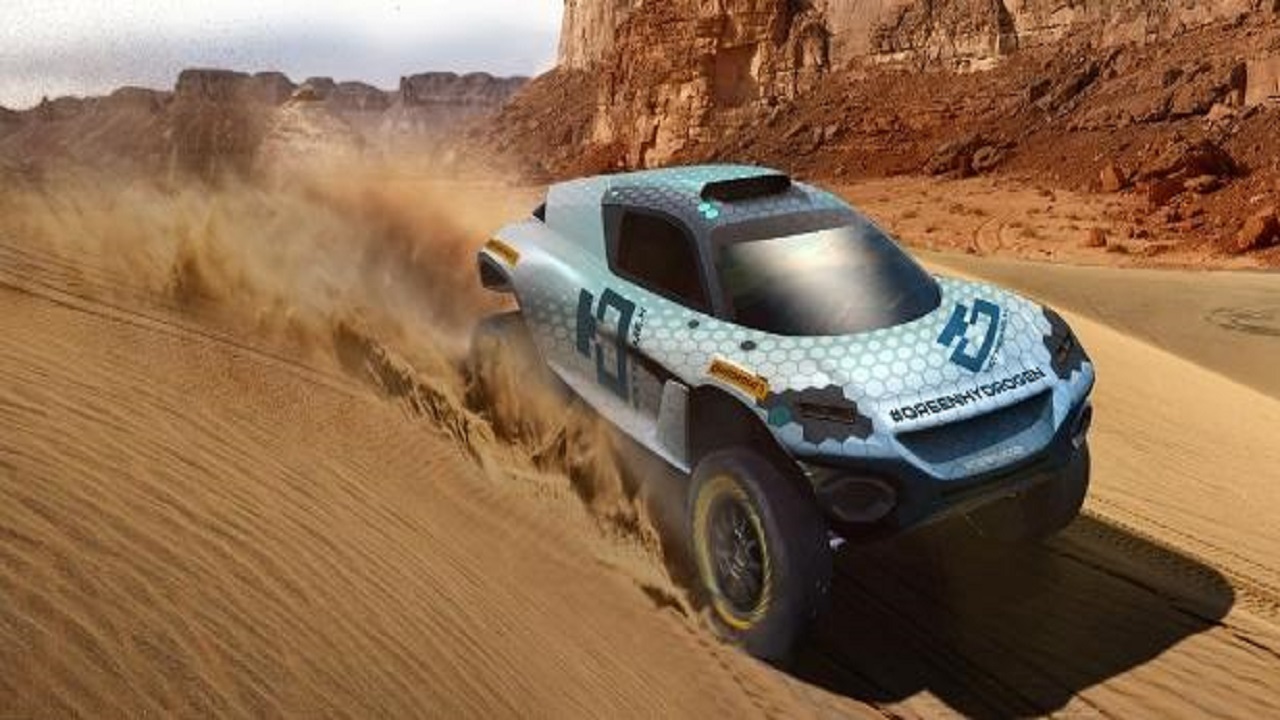
The Niobium Car Is Still a Prototype and All Models in This Category, Including Those That Will Be Powered by Hydrogen, Will Be Tested at a Large and Isolated Event, by the Same Creator of Formula E
According to UOL, the first prototype of the hydrogen-powered niobium car will be launched for the Extreme H championship – whose first edition will be in 2024 – and is expected to be launched only at the beginning of 2023. The powertrain used will be the same as that used in the Extreme E championship; however, what will differentiate the model currently used in Extreme E will be only the energy source, made of hydrogen cells instead of the battery used in electric cars. Both the off-road Extreme H championship and the longer-established Extreme E were created by Alejandro Agag, the original creator of the Formula E World Championship. The two competitions will take place on the same days, in the same location, and using the same competition parameters.
Also Read
- Brazilian Multinational CBMM Just Bought 20% of Battery Streak – Which Develops Lithium Batteries Using Niobium Oxide, and Recently Announced Investments with Graphene Oxides
- Lightning Motorcycles and CBMM Partner to Develop the World’s First Electric Motorcycle with Niobium Technology
- WEG, One of the Largest Manufacturers of Turbines and Electric Motors in the World, Develops a Line of Niobium-Based Coatings Resistant to Corrosive Agents in Partnership with Randon Companies
- The Largest Niobium Producer on the Planet, CBMM, is Seeking Solutions in Dubai for the Company’s Revolutionary Graphene Projects Around the World
- Niobium: Illegal Exploration Raises Warning in Brazil
Meet the Hydrogen-Powered Niobium Car
The cars presented in Extreme H will be powered by a fuel composed of green hydrogen cells, which is nothing more than the combination of solar energy and water.
With fully sustainable powertrains, the cars will also be made of Niobium, as Brazil has large reserves of this metal and it is becoming prevalent in the manufacturing of several prototypes.
-
Engineers propose a fourth traffic light for intersections – the change promises to affect crossings, queues, and waiting times.

-
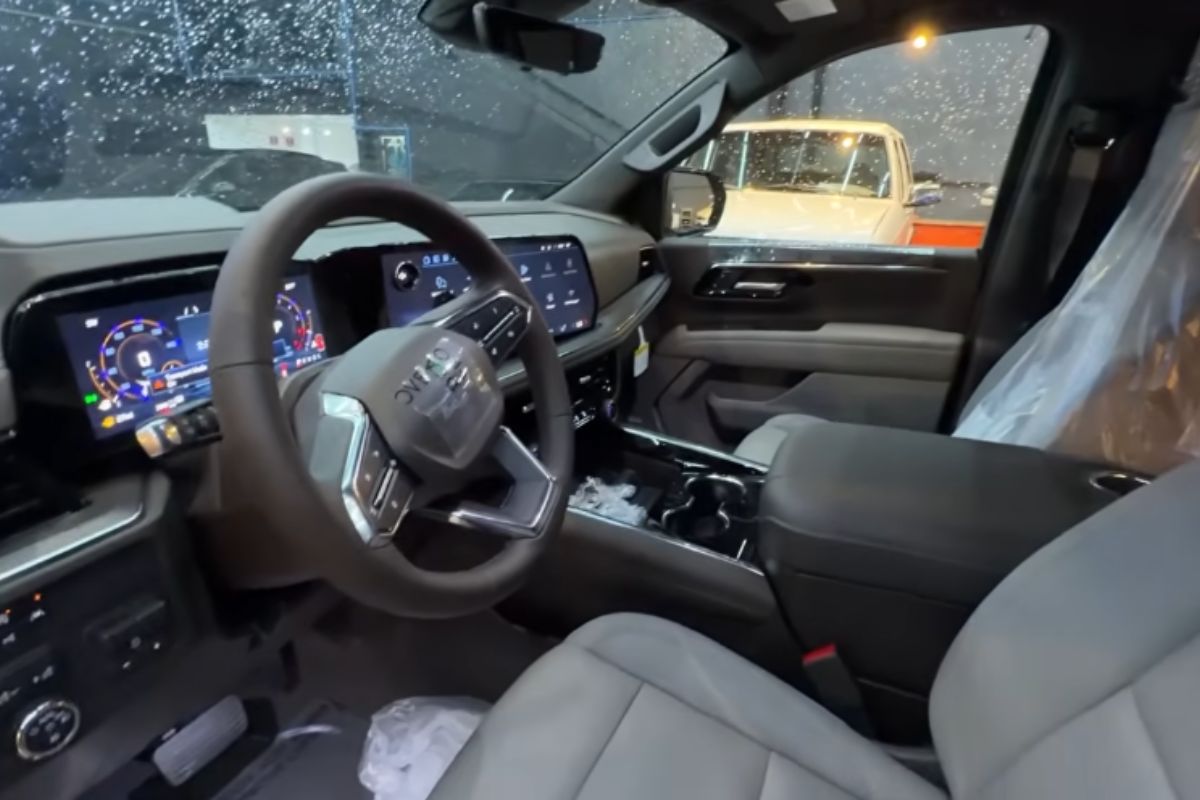
Chevrolet Suburban Z71 lands in Brazil with a V8 engine, off-road design, air suspension, seven seats, and colossal size, a rare version imported for around R$ 1.3 million with luxury and exclusivity.
-
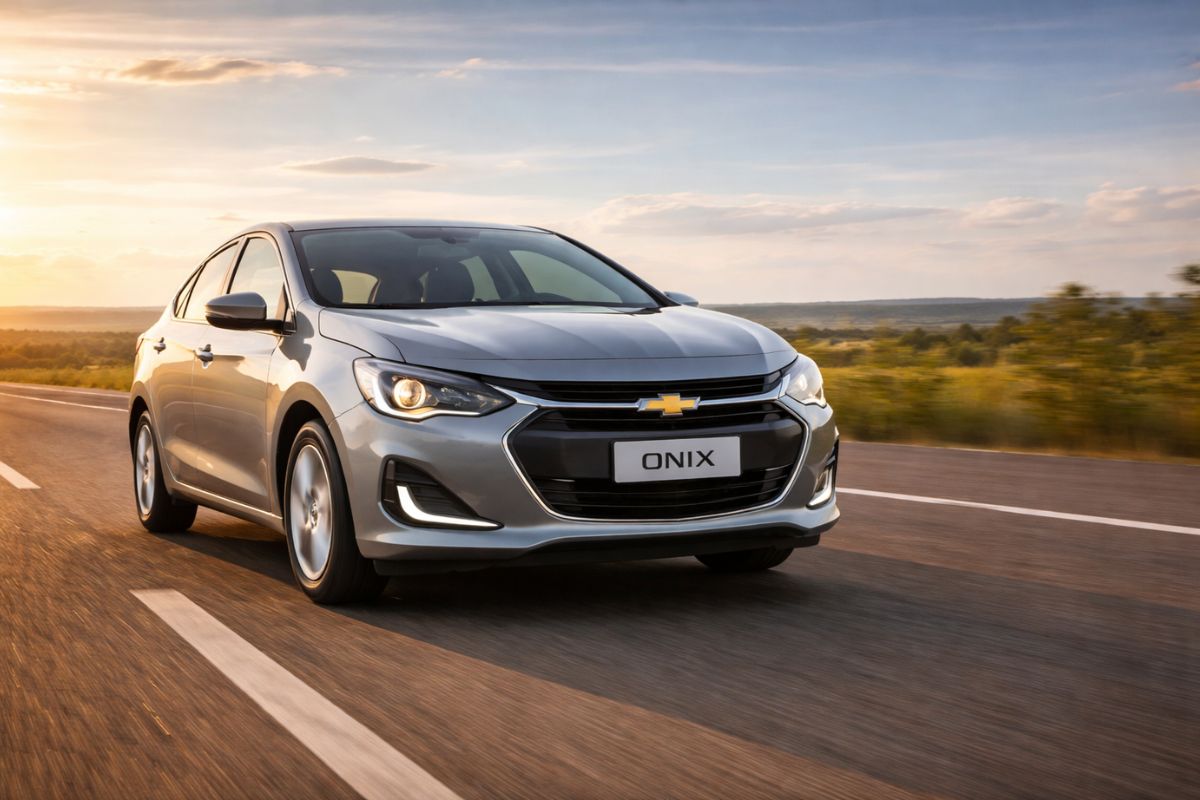
The Chevrolet Onix 1.0 turbo achieves 17.7 km per liter on the highway and ranks among the three most economical cars in Brazil in 2026, alongside two more expensive Toyota hybrids available at dealerships.
-
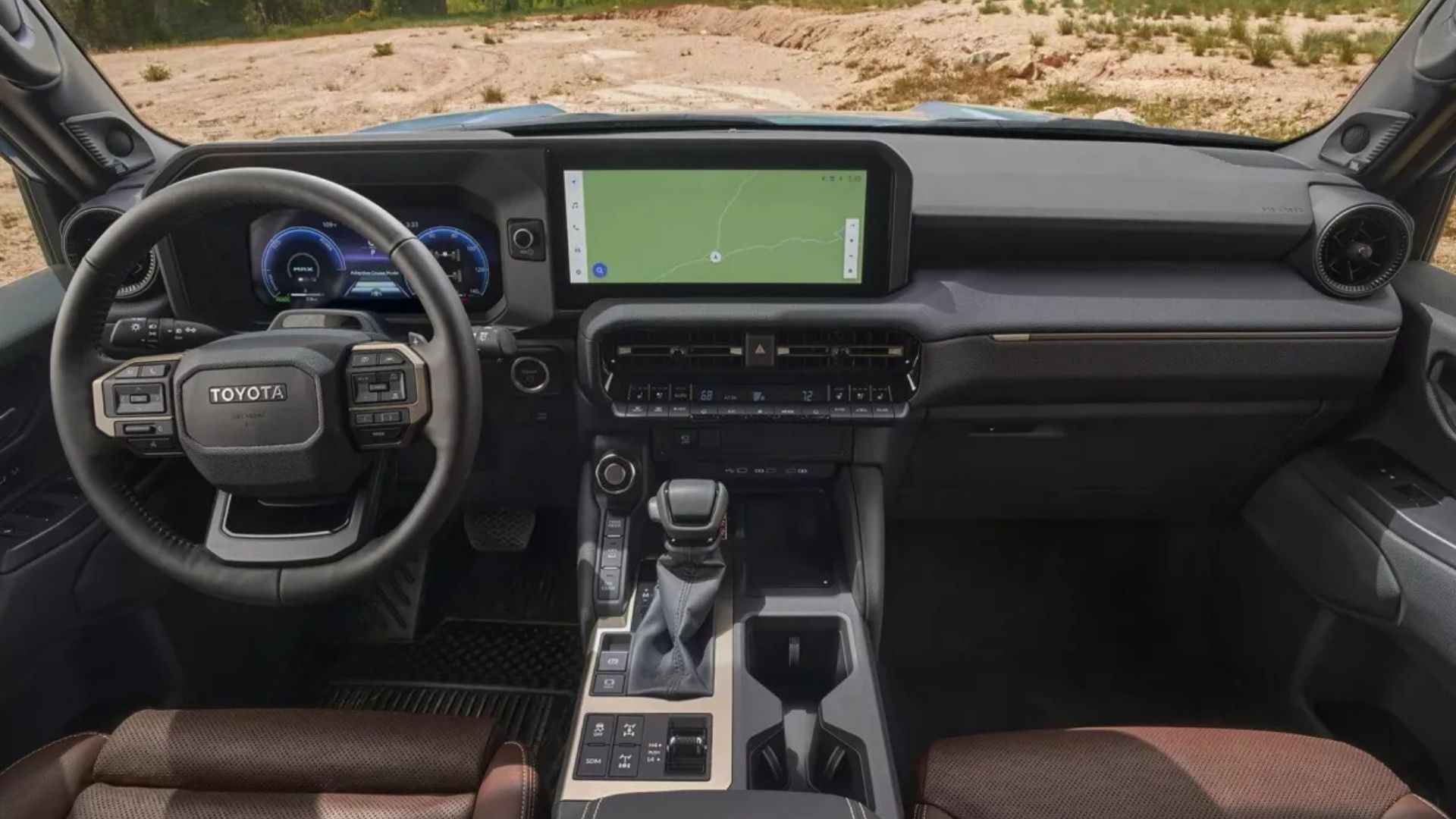
Little sister of the Hilux: Toyota launches Land Cruiser FJ with 4 radical versions, 2.7 engine with 166 hp and 4×4 traction with locking.

This has occurred because Niobium has a metal alloy capable of reducing vehicle weight by making the chassis thinner and lighter while remaining strong. Thus, the safety of the prototype driver is firmly ensured, especially in the event of an accident.
Lightweight, Powerful, and Safe
The Niobium car is also lighter due to the weight reduction from being a lightweight metal, and it provides increased performance and power. When it comes to electric cars or hydrogen-powered cars, reducing the vehicle’s weight without compromising safety becomes extremely important, as this allows for even more range with the same battery system installed.
The development of Niobium cars and their use in competitions, such as the low-production BAC Mono vehicle from the British company Briggs Automotive Company, contributes to understanding how it can be utilized in future possible mass production in combustion and electric cars. Just as hydrogen-powered cars are experiencing considerable growth, Niobium cars are also on track for growth.
In 2021, with 90% of the market on the rise, Brazil Was Partnering with Team Giaffone on the UTV Project
100% developed here in the country, to compete in the Rally dos Sertões, but an accident with the truck carrying Giaffone’s cars took one of the units out of the race. The event location, which currently takes place in various isolated places around the world, is already operating with green hydrogen.
According to Agag, Extreme E was fully designed to be a testing ground for innovation and solutions for automotive mobility. Agag also spoke about creating more hydrogen racing championships as a natural evolution of the mission of the participating companies to showcase new technologies that will aid in sustainability while combating climate issues.








Seja o primeiro a reagir!