





 Portuguese
  English
  Spanish
  3 min of reading
  0 comments


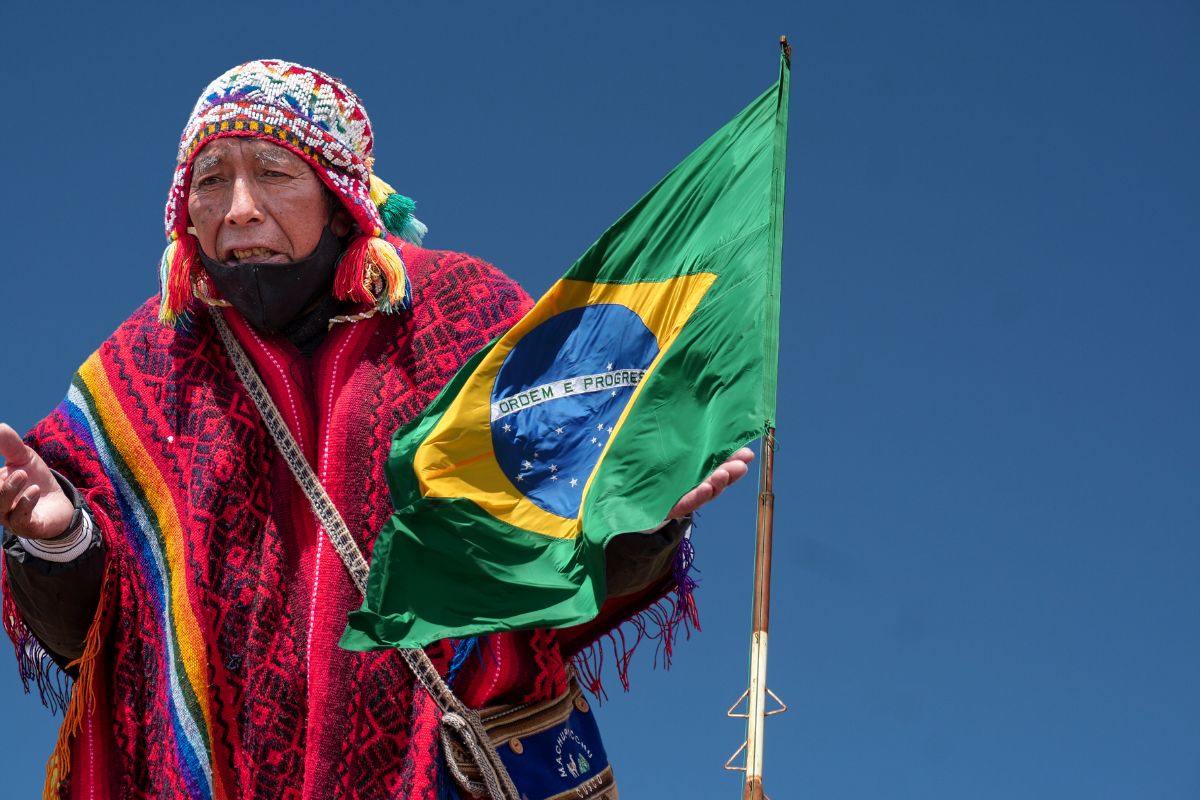
Forgotten by the Peruvian government, the province of Purús lives a Brazilian reality, with residents speaking Portuguese, using the real, and formally asking to switch flags.
In the heart of the Amazon, on the border with Acre, there is a Peruvian province called Purús where daily life resembles Brazil more than Peru. Its inhabitants speak Portuguese, use the real as currency, and consume Brazilian products, reflecting a geographic isolation and a feeling of abandonment by the Peruvian state.
This situation led local leaders in Purús to formalize a request for the region to be annexed to Brazil. A real and complex story that involves identity, survival, and delicate geopolitical issues in South America.
Geographic Isolation and the Strong Brazilian Influence in Purús

Purús is a vast province, with about 17,000 km² (almost the size of Sergipe), but with a population of only approximately 4,000 people. Located in the Ucayali region in southeastern Peru, its access is extremely limited, with no roads or railways connecting its capital, Porto Esperança, to the rest of the country. The Purús River is the main logistical route.
-
Unemployment rises again to 5.8% at the beginning of 2026, raising alarms about the end of temporary positions and its impact on the Brazilian job market.

-
Document organization can cut invisible costs in small businesses, a simple step that prevents waste, rework, and losses in daily operations.

-
Chinese giant worth nearly R$ 4 billion that manufactures cables for electric cars, solar energy, and robotics wants to open a factory in SC.
-
Many employers do not know, but the law guarantees domestic workers a 25% increase in salary during trips, 50% for overtime, 20% for night shifts, and 17 additional benefits that can lead to labor lawsuits if not paid.


The economy is subsistence-based, and the presence of the Peruvian state is minimal. In contrast, the connection with Brazil, especially with the Acrean city of Santa Rosa do Purús, less than 100 km away, is vital. Basic goods, fuel, and medicines come from the Brazilian side. In Purús, Brazilian culture is present: the Portuguese language is common, radios tune into Acre stations, and even the Brazilian national football team is more popular.
The Historical Request for Annexation of Purús to Brazil
The feeling of abandonment by the Peruvian government, which has never made significant investments in infrastructure, health, or education in Purús, culminated in a drastic action. In 2005, indigenous, community, and political leaders from Porto Esperança documented a proposal to formally request to Brazil the annexation of the province.
A petition accompanied the request, with the central argument that the inhabitants felt more Brazilian and saw in the neighboring country the only hope for progress. This outcry was reiterated in 2014 and 2016, as the dependence on Brazilian services, especially in health, intensified.
The Complex Diplomatic Response of the Governments of Peru and Brazil
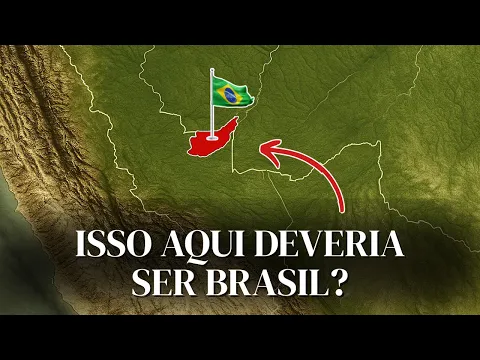

In light of Purús’s unusual request, the reaction of the involved governments was cautious. Peru issued formal statements reaffirming its sovereignty over the territory, but without presenting concrete development plans for the region, which continues to have high rates of poverty and illiteracy.
Brazil, in turn, opted for diplomatic silence. Accepting the annexation of a foreign territory, even at the request of the local population, would violate international treaties such as the OAS charter and principles of international law regarding the territorial integrity of states. Such an act could set a dangerous geopolitical precedent for regional stability.










-

-

-

-

-

-

23 pessoas reagiram a isso.