





 English
  Francês
  Alemão
  Italiano
  Japonês
  Norueguês
  Portuguese
  Spanish
  3 min of reading


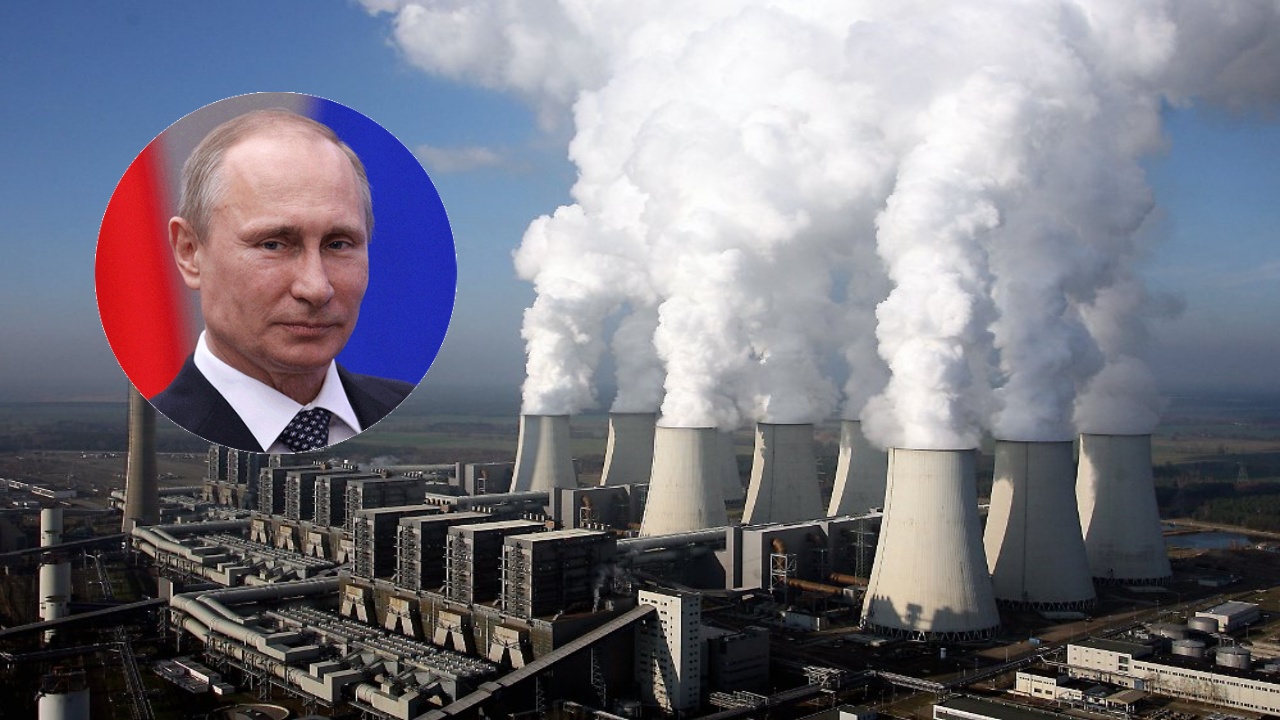
Movement Occurs In Markets With Idle Coal Power Plant Capacity, Mainly European Countries, Seeking Alternatives To Russian Gas
The agreement reached between the Russian leader and German Chancellor Angela Merkel will allow gas to bypass Poland and Ukraine to Germany. But now Putin is tightening the screws in Berlin, hoping to prevent them from implementing EU legislation across the board. Although the UK is not a direct target of the Kremlin’s restriction, the country has now been forced to use coal power plants to strengthen itself again.
Despite having proven data from the International Energy Agency that coal-fired plants are one of the most polluting energy sources, it is currently the best option since natural gas prices are much higher than normal. According to the agency, this year the price of gas has increased 4 times compared to 2021, while coal has had a reduced increase of 3 times.
European countries have a more alternative production style than other regions of the world, along with the capacity of unused power plants that allow for investment and energy generation.
-
While Russia dominates the global wheat market, Brazil emerges as an unexpected competitor in the Cerrado, offering grain available in July and August when stocks in the Northern Hemisphere are at their lowest point of the year.

-
China returned almost 20 Brazilian ships with soybeans, but now everything could change: the country that buys 80% of the grain is considering relaxing regulations after impurities held up shipments of thousands of tons and caused million-dollar losses.

-
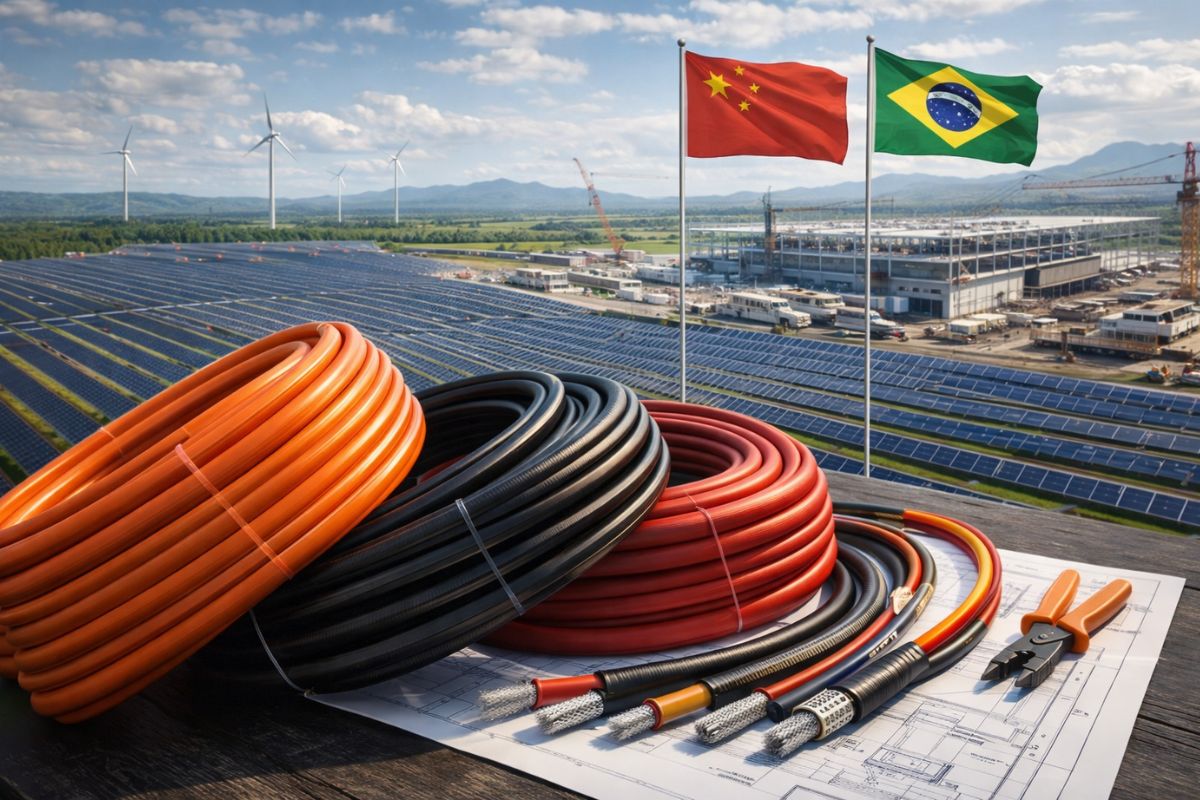
Chinese giant worth nearly R$ 4 billion that manufactures cables for electric cars, solar energy, and robotics wants to open a factory in SC.
-
Many employers do not know, but the law guarantees domestic workers a 25% increase in salary during trips, 50% for overtime, 20% for night shifts, and 17 additional benefits that can lead to labor lawsuits if not paid.


Coal Plants Become Alternatives To Russian Gas
The Agency predicts that with the drop in electricity demand, coal use will increase rapidly and become a frequent usage in current days. In percentage terms, the increase is expected to be 2.4% in addition to the 6% that had already occurred last year.
On the other hand, an analysis from the Think Tank indicates that the impact on climate events would only be limited if coal were used in reserve mode.
Natural gas is extracted from Russia, and fearing what could happen after the invasion of Ukraine, some countries like Germany, Austria, France, and the Netherlands changed their production policies and implemented new plans that increase energy production through coal plants. Thus, even if the war had some impact on the energy supply, the surrounding countries would not be harmed.
“Europe finds itself in this urgent situation due to past errors in energy policy. Despite numerous warning signs, EU member states ignore the risks of excessive dependence on imported gas and have neglected the need to quickly replace it with domestic renewable energies”, says Sarah Brown, Senior Energy and Climate Analyst at Ember.
For all this to happen, Ember conducted some calculations. The data shows that in 2023, CO² emissions would be 30 million tons, equivalent to 1.3% of total CO².
Last week, the European Commission requested that gas expenditures be reduced across all states that are part of the European Union. Initially, the action is voluntary but could become mandatory going forward as the goal is to reduce by up to 15%, equivalent to 45 billion cubic meters by March 2023.
Brazil Aims To Achieve 15 GW Of Renewable Energy By Year-End
Variations in energy demand are still present. The IEA (International Energy Agency) presented well-differentiated data. While renewable energy sources are expected to increase their share by 10%, low-carbon energy will also increase by 7%, and nuclear energy will decline by 3%.
“Although electricity demand is expected to continue on a similar growth path in 2023, the outlook is clouded by economic turbulence and uncertainty about how fuel prices may affect the generation mix”, it points out.
In Brazil, the goal is to reach 15 GW by the end of the year, but for now, the peak has been 11 GW generated by photovoltaic panels. The valuation calculations for distributed generation were formalized by the Ministry of Mines and Energy (MME), according to law 14.300/2022, which removes the contribution when discussing self-production.









Seja o primeiro a reagir!