





 Portuguese
  English
  Spanish
  3 min of reading
  0 comments


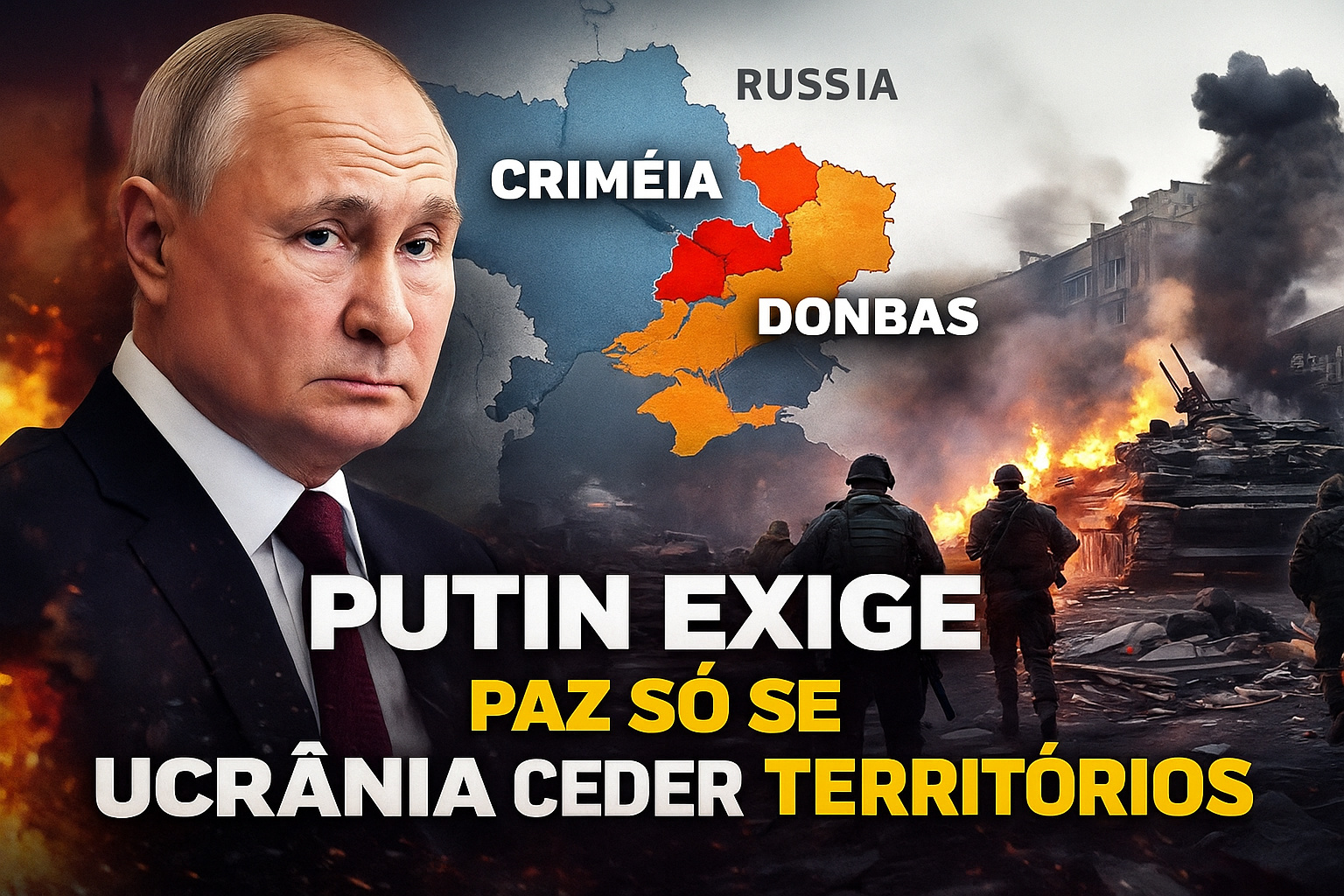
Putin Hardens Stance And Claims That There Will Only Be Peace If Ukraine Surrenders Territories; Tension Rises And Alters The Course Of Global Geopolitics.
Putin Hardens Conditions And Demands Ukrainian Withdrawal From Occupied Territories
The crisis involving Russia, Ukraine and the advancement of geopolitics in Eastern Europe took a new turn this week, when Vladimir Putin stated that peace will only come “if Kiev gives up the disputed territories.”
The statement, made during an official trip to Kyrgyzstan, reinforces what Moscow has been repeating since the conflict began: the war will only end when Ukrainian troops withdraw from the areas claimed by the Kremlin, something rejected by Kiev.
According to Putin, Russia is prepared to continue fighting “for as long as necessary,” which, for international observers, raises the risk of military escalation and further prolongs a conflict that is already redrawing the strategic map of the region.
-
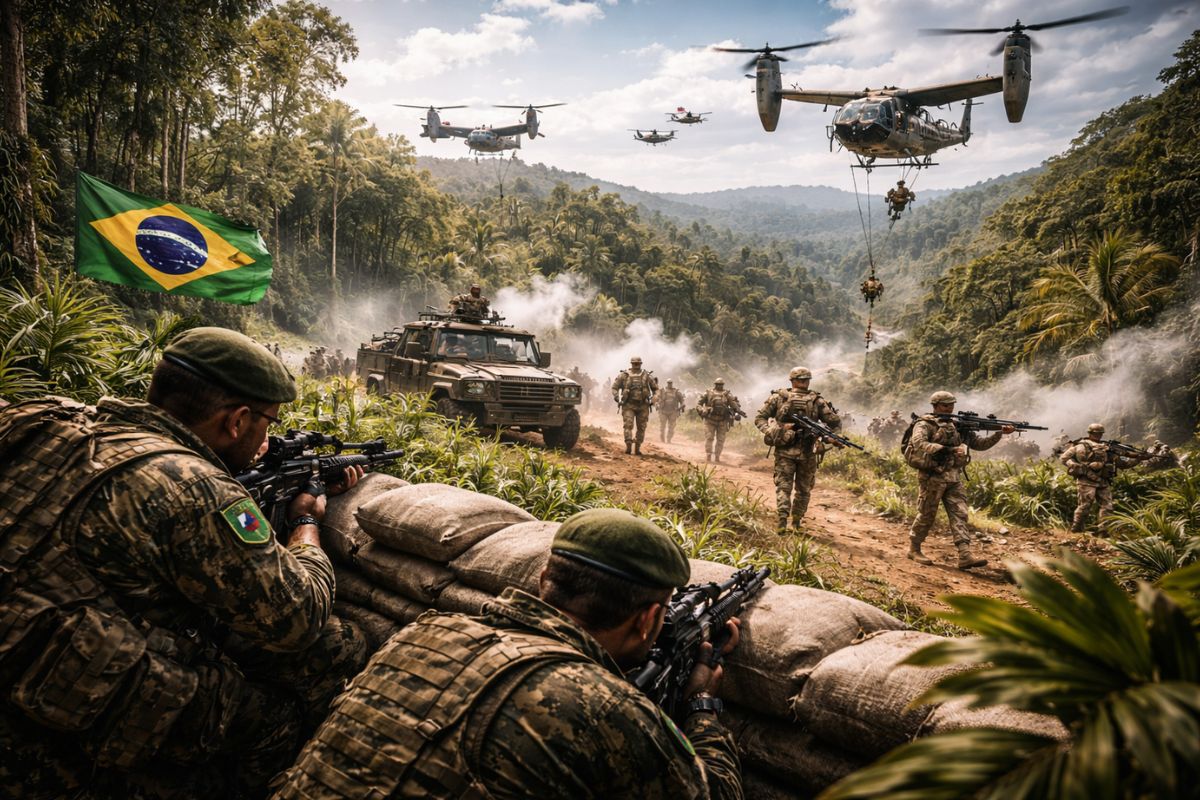
If the USA were to go to war with Brazil, Washington’s greatest fear would not be the attack itself, but facing a vast territory, prolonged resistance, and a costly, chaotic, and unpredictable occupation.
-
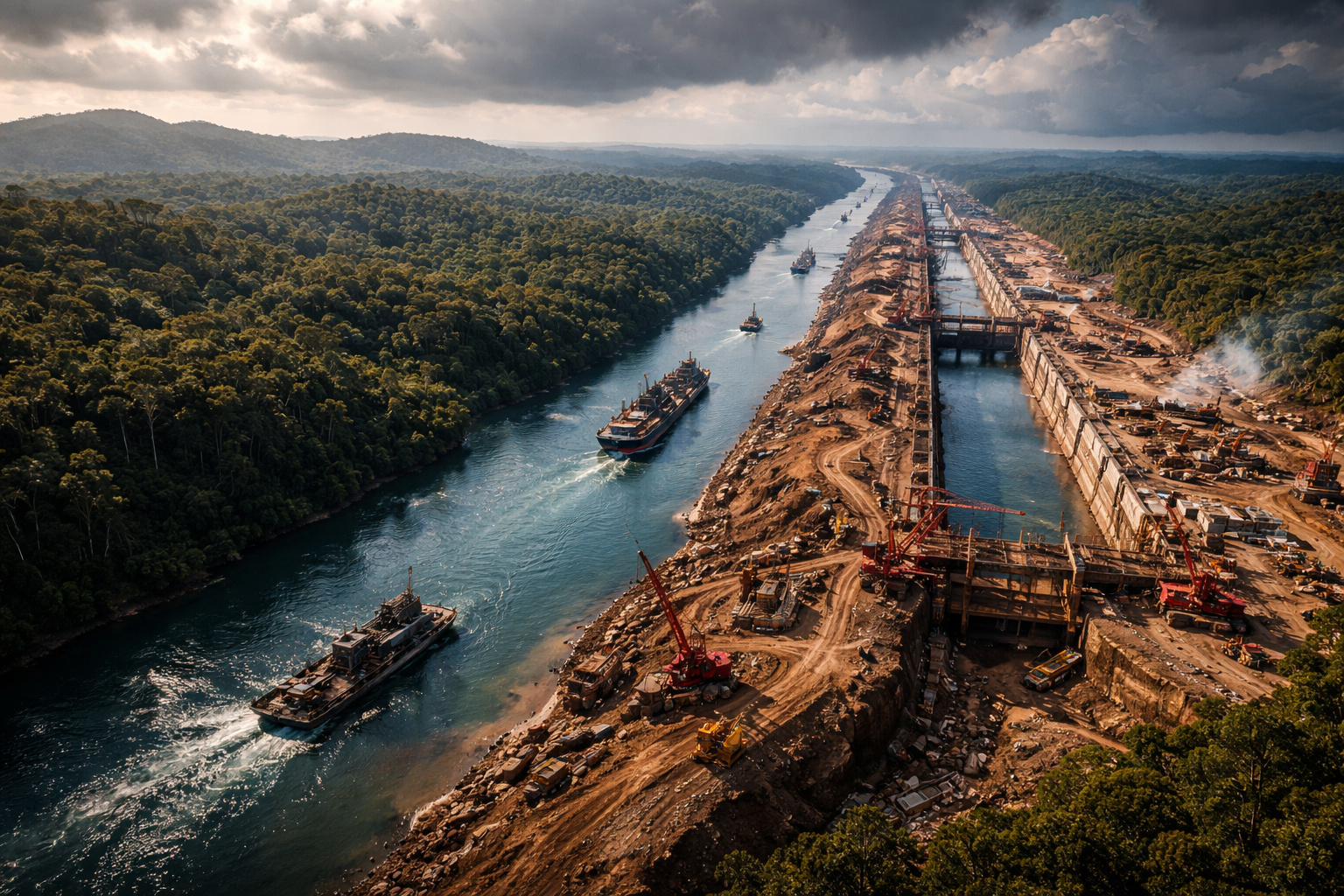
In 2013, Nicaragua sold the concession for a canal to rival Panama to a Chinese billionaire who lost 85% of his fortune, disappeared, and was declared bankrupt. Now the project resurfaces with a new route, a new Chinese partner, and a cost of $64.5 billion.
-
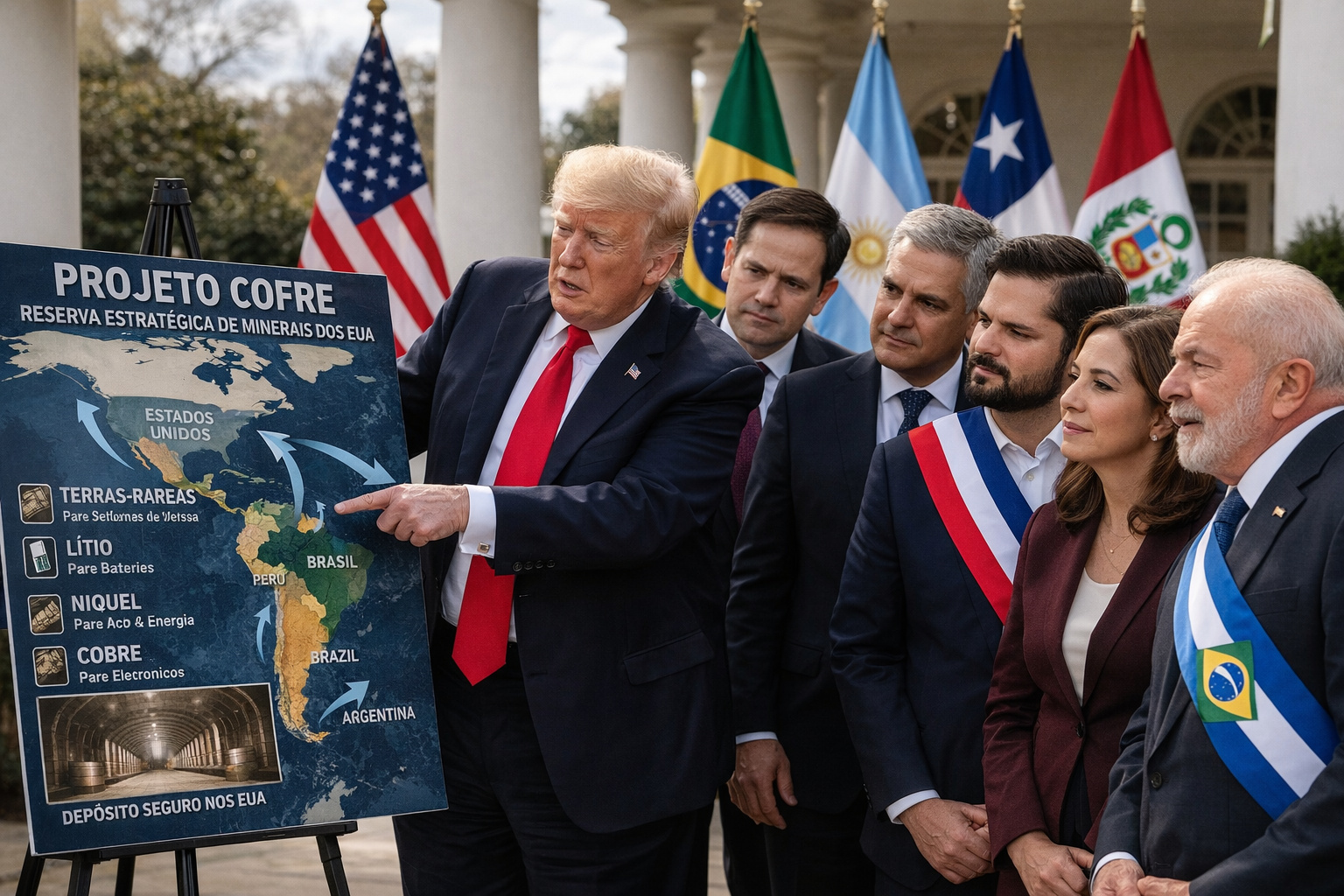
The USA announces a mysterious billion-dollar vault project to store critical minerals, but what intrigues experts is not just the plan itself, but why Latin America, including Brazil, has entered the center of this global dispute against China.
-
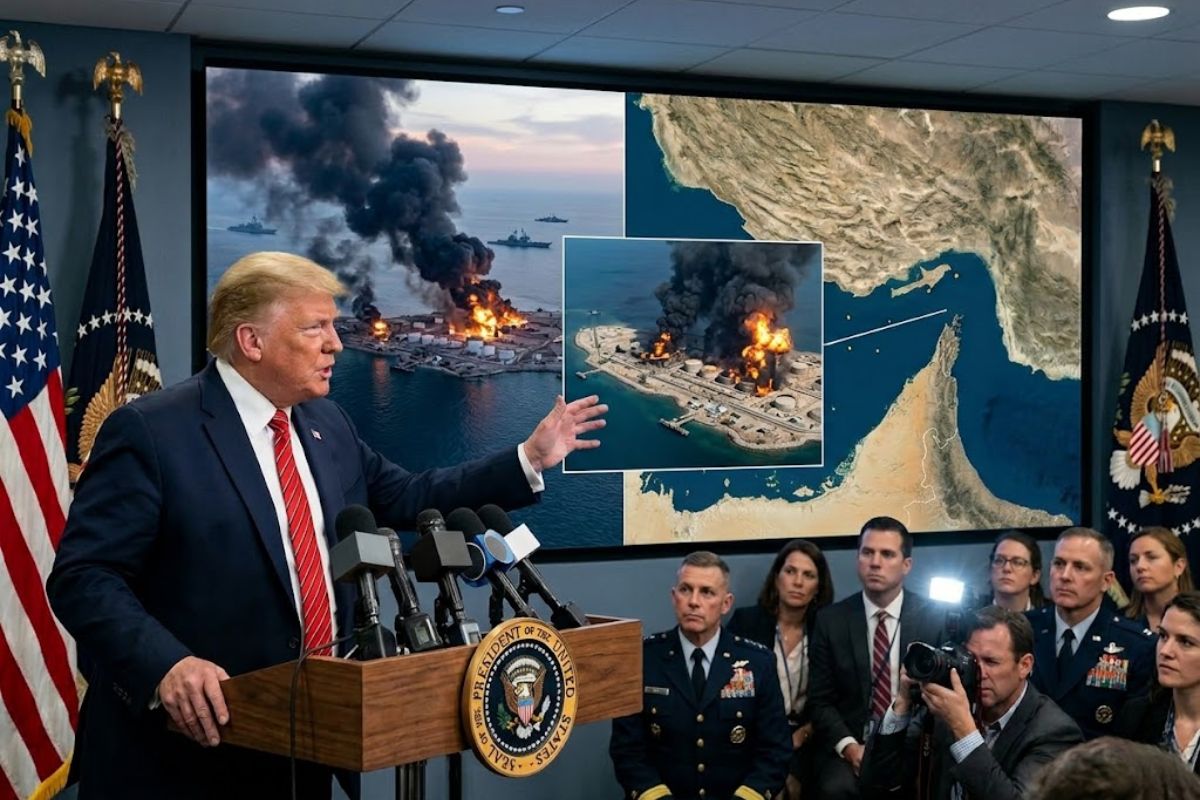
Trump Announces Bombing of U.S. Military Targets on Iranian Island Responsible for About 90% of Iran’s Oil Exports, Warns of Further Attacks if Navigation in Strategic Strait of Hormuz Is Threatened

Russian Demand Puts Territories Back At The Center Of Geopolitics
The Russian president’s remarks highlight that Moscow will only back down when Ukraine officially abandons Crimea, Luhansk, and Donetsk, territories that are the most sensitive points of the dispute.
The Crimea was annexed in 2014, in a move widely condemned by the international community, and since then has become a symbol of Russian expansion. The Donbas, composed of the regions of Luhansk and Donetsk, is the site of Russia’s most recent advances, despite the high human and logistical costs.
Meanwhile, Kiev insists that it will not accept ceding any portion of its territory. For the Ukrainian government, meeting Putin’s demands would mean “rewarding aggression,” something considered completely unacceptable.
Putin Accuses Kiev And Says Russia Is Ready To Keep Fighting
During the interview, Putin stated that Ukraine wishes to fight “to the last Ukrainian,” suggesting that Kiev is prolonging the conflict by its own decision. He declared:
“If they do not give up, we will achieve this by the strength of arms.”
Thus, the president reinforces the threatening tone that has characterized his recent statements. According to him, “Russia is motivated on the battlefield” and will continue to exert military pressure until it achieves its strategic objectives.
Ukraine Rejects Any Concession And Sees Russian Action As An Attempt To Legitimize Aggression
On the other hand, Ukrainian officials reaffirmed that they are not negotiating the surrender of any territory. For Kiev, ceding parts of the country would only legitimize illegal military actions and set a dangerous precedent in international geopolitics.
Furthermore, the government argues that accepting the Russian request would encourage future offensives, as Moscow has shown a willingness to advance whenever it identifies vulnerability.
Russian Advances Are Slow And Costly, But Maintain Pressure On Kiev
Although Russia has gained control of extensive areas in the east, experts highlight that the advances have been slow and accompanied by significant losses. The human and operational toll is evident, yet Moscow continues to assert that it will not back down.
These movements directly affect the balance of European geopolitics, as they prolong regional instability and put pressure on military alliances, as well as influencing international negotiations on security and energy.
International Debate Grows About How Far Putin Is Willing To Go
With Putin’s new statement, analysts assess that the Kremlin is trying to reinforce the narrative that it controls the pace of the war. However, the insistence on forcibly conquering territories raises doubts about how any diplomatic solution could be achieved.
Meanwhile, the risk of escalation remains high, especially since neither side shows willingness for significant concessions. Thus, tension continues to define the course of the war and shape global geopolitics.






Seja o primeiro a reagir!