





 English
  Francês
  Alemão
  Italiano
  Japonês
  Norueguês
  Portuguese
  Spanish
  3 min of reading
  0 comments


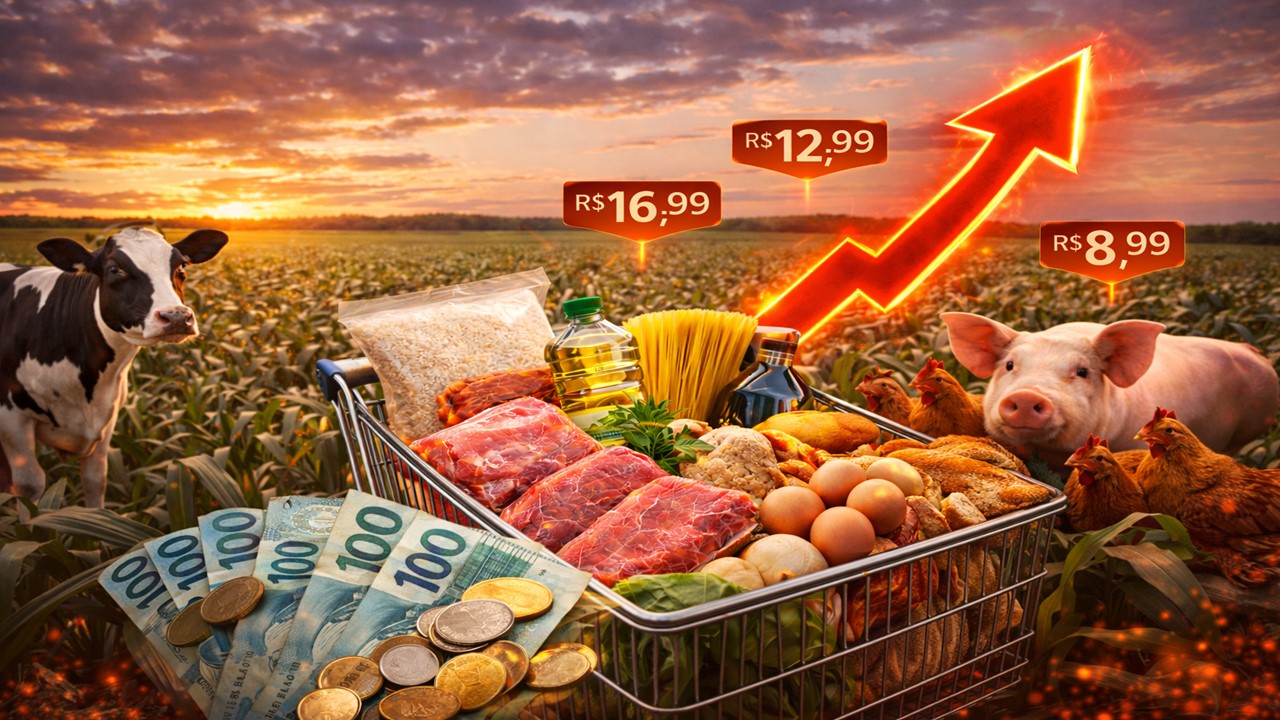
Climate, Costs, and Declining Production in the Field Raise Alerts for Food Prices
After a period of relative stability in some items of the basic basket, signals from the field and industry indicate that some foods consumed daily by Brazilians may become more expensive throughout 2026. The movement doesn’t happen by chance or immediately. It starts months ahead, still in the field, passes through the industry, and only then reaches the supermarket.
The scenario combines unstable weather, tight margins in the field, high costs, and adjustments in supply, creating a conducive environment for new price adjustments.
Rice: Low Prices Now May Lead to Higher Prices Later
Rice faces a paradox. In 2025, prices for producers fell sharply, pressured by excess supply and limited domestic consumption. However, this decline discourages planting. With tight margins, many producers are cutting investments in technology, inputs, and even cultivated area.
-
Expansion of Federal Institutes: 38 new campuses and R$ 200 million for public education; see the cities included.

-
Lula’s government changes rule in important benefit and thousands of Brazilians will no longer receive it; see what has changed.

-
New Gripen fighter makes Argentines surrender to Brazil, and the heavy reaction exposes envy, frustration, and shock at Brazil’s technological leap.

-
This discovered deposit near the Andes could change the future of Argentina, attract billions, and even shake up the global metals market.


If this reduction is confirmed in the next harvest, supply may decrease in 2026. With less rice available on the market, the adjustment tends to occur at retail, raising prices for the final consumer.
The price of rice in the Brazilian physical market (Cepea indicator) is around R$ 54.00 for a 50 kg sack.

Meats: High Costs Continue to Pressure
Bovine, pork, and chicken meats remain sensitive to production costs. Even with periods of stability, factors such as more expensive feed, energy, fuels, and logistics still weigh on the sector.
Currently, the value of the @ of cattle is around R$ 327.00.
Any reduction in the supply of animals ready for slaughter typically reflects quickly in prices. In 2026, production adjustments or difficulties in the field may cause meat prices to rise again, especially during times of higher demand.
Milk and Dairy: Silent Crisis in the Field
The dairy sector faces a less visible but ongoing crisis. Many producers operate with minimal margins or are even incurring losses. This leads to reduced investments, abandonment of the activity, and gradual declines in production.
When supply decreases, products like UHT milk, cheeses, butter, and yogurts tend to become more expensive. In 2026, this trend may intensify if costs remain high and prices paid to producers do not keep pace.
Soybean Oil: Influence of the International Market
Soybean oil heavily depends on the global market. Even with good harvests in Brazil, factors such as increased external demand, exchange rate fluctuations, and industrial costs can exert pressure on domestic prices.
If the international market becomes more attractive for exports, part of the production may be directed abroad, reducing supply in the domestic market and raising prices on the shelves.

Wheat and Derivatives: Bread and Pasta on the Radar
Brazil remains dependent on wheat imports. Any instability in the international market, whether due to crop failures in producing countries, logistical issues, or a higher dollar, directly affects prices.
In 2026, items such as bread, pasta, and biscuits may feel these effects, especially if the cost of imported wheat rises.
Coffee: Weather Remains a Decisive Factor
Coffee remains highly sensitive to climatic conditions. Prolonged droughts, frosts, or excessive rains affect productivity and the quality of the harvest. As Brazil is one of the largest producers worldwide, any internal problems usually have a direct impact on prices.

Even small reductions in supply can lead to price adjustments for consumers throughout the year.
Why the Increase Doesn’t Happen Immediately
Food price hikes are rarely instantaneous. First, losses in the field appear, followed by reduced investments, and finally, a decline in supply. Only then does the impact reach the industry and retail.
When the consumer notices, the adjustment is already underway, making quick reactions difficult.
What to Expect from Food in 2026
The year 2026 is expected to be marked by volatility in food prices. Not all items will rise at the same time, but signals indicate that part of the basic basket may become more expensive throughout the year.
Understanding what happens before the shelf helps consumers prepare and comprehend why prices often rise even when the news seems distant from daily routines.








-

Uma pessoa reagiu a isso.