





 Portuguese
  English
  Spanish
  3 min of reading
  57 comments





Oil-coated timing belt cars are gaining space in the automotive market, especially in newer models and with modern engines. Despite promising greater durability and efficiency, this innovation is raising some questions and challenges for Brazilian drivers.
Unlike conventional timing belts, the oil-coated version is immersed in engine lubricant, which reduces friction, increases durability and, in theory, minimizes maintenance costs. However, the practical reality of this technology in Brazil hasn’t been so simple. CPG consulted the experts from Oficina de Primeira about oil-coated timing belt cars, take a look.
Among the oil-coated timing belt cars, the following models stand out:
Chevrolet Onix from 2020
Chevrolet Montana from 2023
-
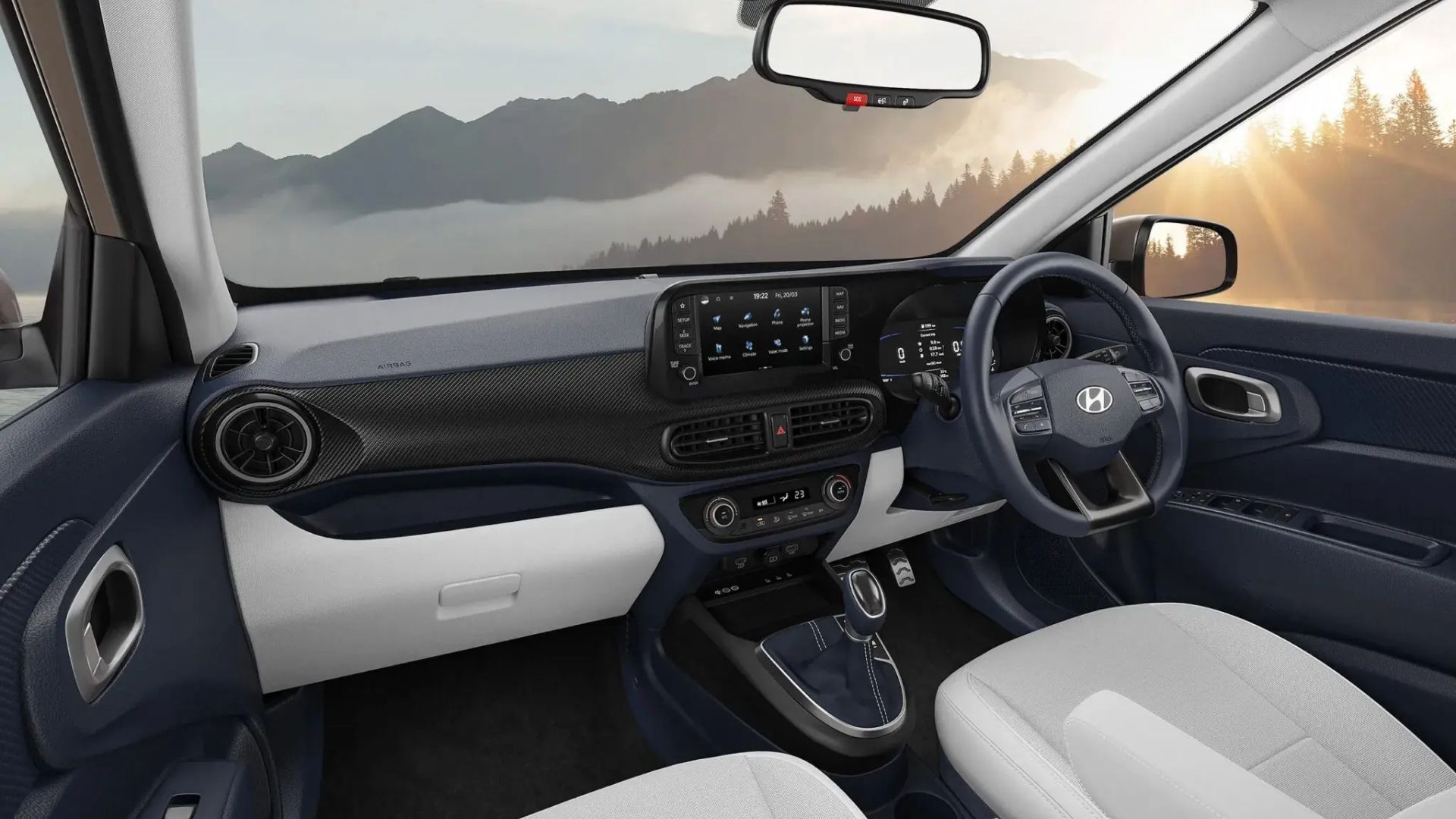
For R$ 32,000, a brand new Hyundai car is a rival to the Kwid with a 1.2 engine producing 82 hp, 6 airbags as standard, multimedia with wireless Android Auto, up to 391 liters in the trunk, and a refreshed look for 2026 in India.
-
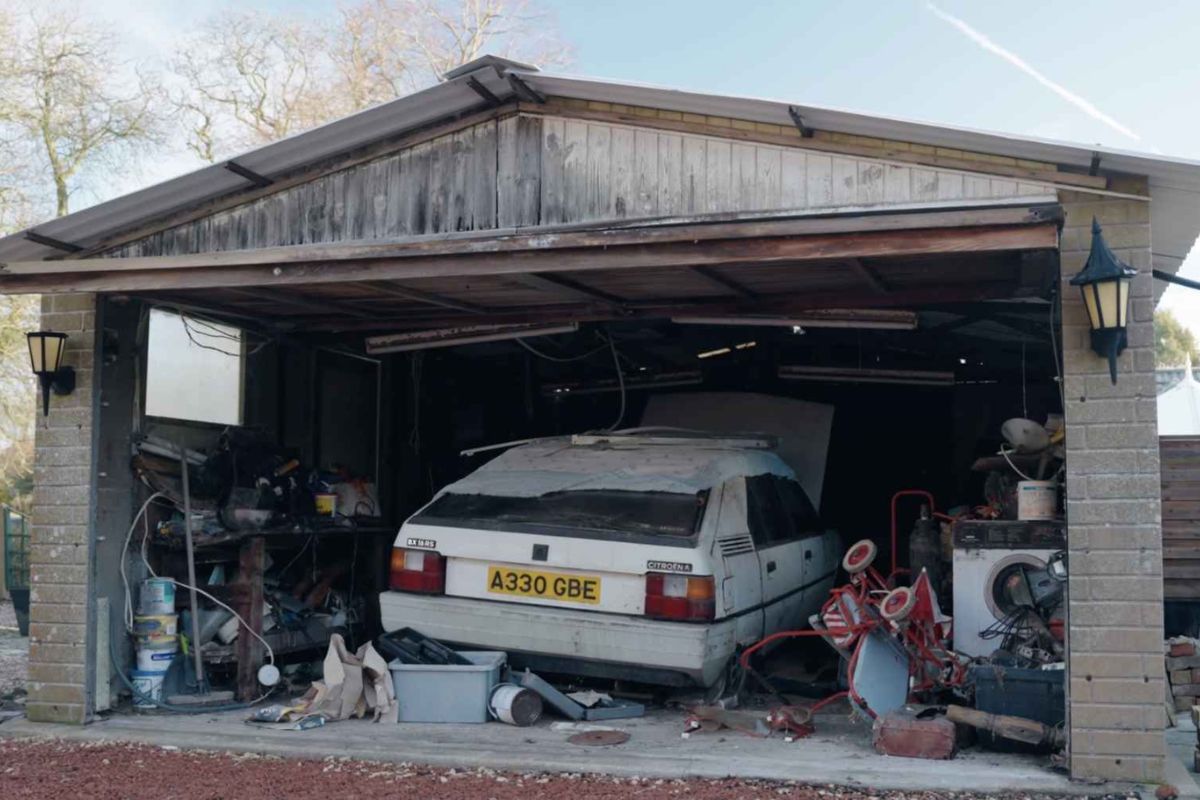
He bought a new car in 1983, locked it in the barn in 1988, and no one opened the door for 38 years until the family discovered what was stored inside and realized it looked like something out of a movie.
-
A 250cc motorcycle that can reach 560 km with a 14-liter tank, features disc brakes on both wheels and is among the most well-known in Brazil.
-
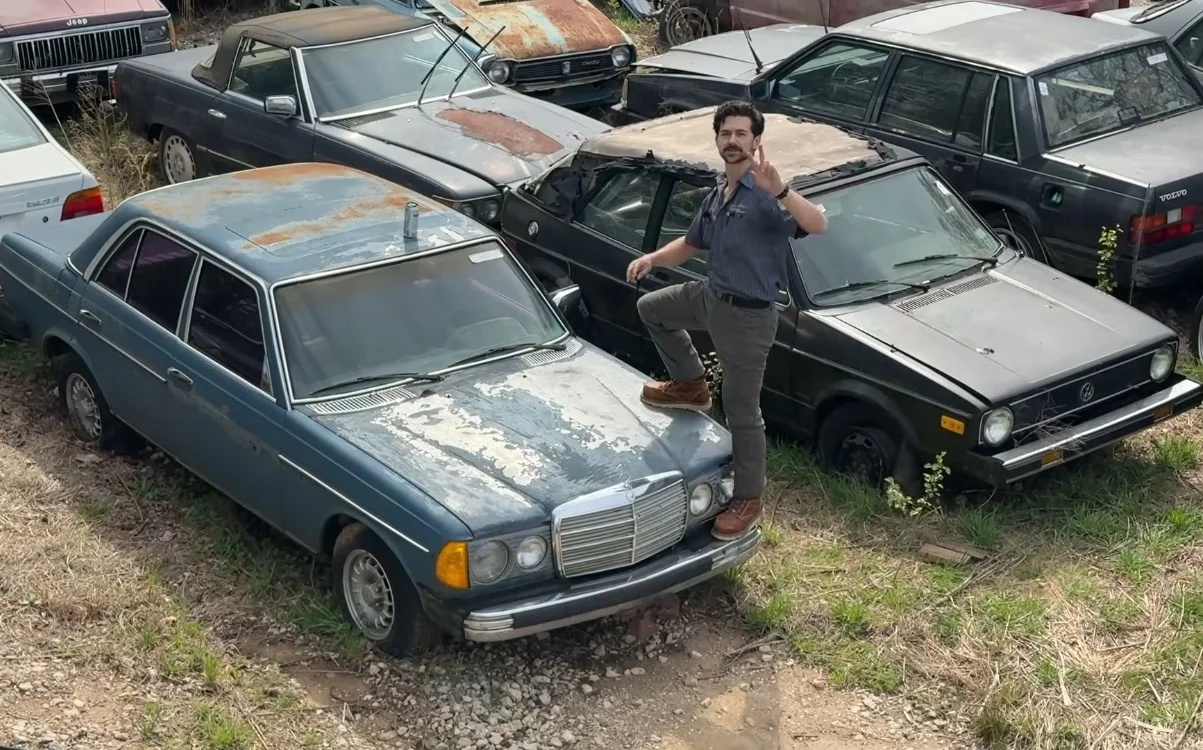
Man finds over 200 rare cars abandoned on a lot and tries to do the impossible in 8 hours with a surprise at the end.

Chevrolet Tracker from 2020
Citroen C3 1.2
Ford EcoSport 1.5
Ford Fiesta EcoBoost
Ford Ka 1.0 from 2015
Ford Ka 1.5 from 2019
Ford Ranger 2.0 turbodiesel
Ford Transit 2.2 turbodiesel
Peugeot 208 1.2
These models are equipped with modern engines, mostly three-cylinder, that accompany this new technology.
The Challenges of the Oil-Coated Timing Belt
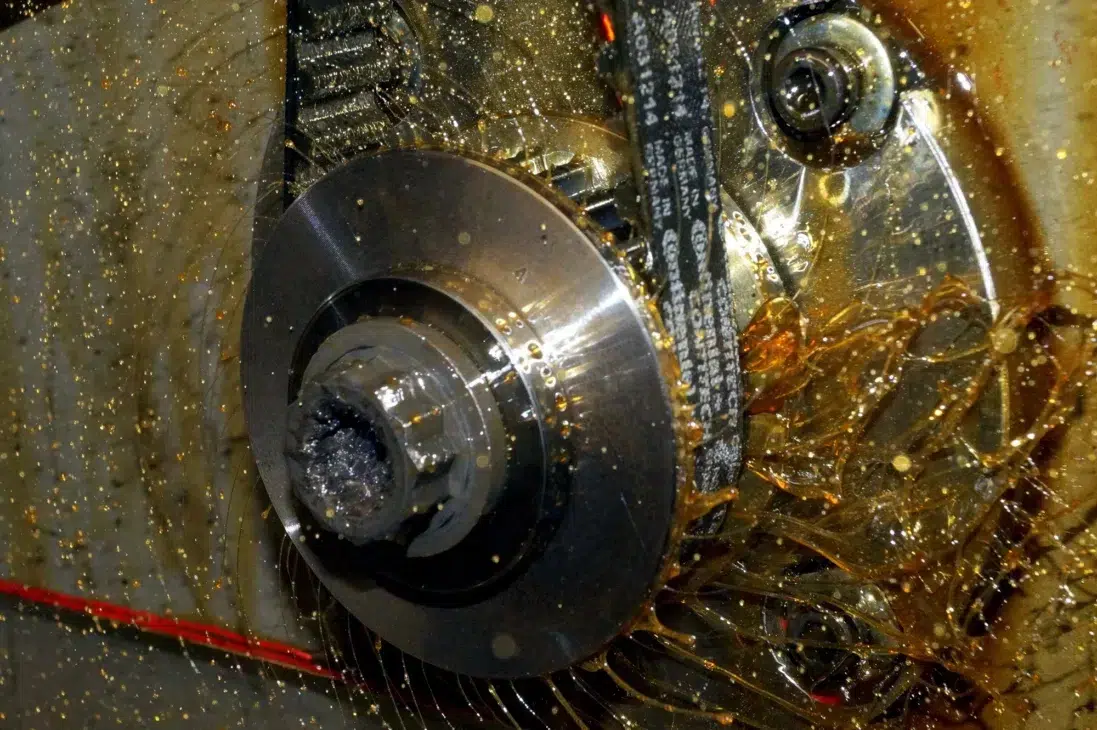
Although the idea seems advantageous, in practice, problems arise that are worrying owners. Poor oil quality, the use of adulterated fuels, and product counterfeiting in the domestic market are factors that can undermine the performance of this belt.
There are reports of belts wearing out prematurely, disintegrating inside the engine, and causing serious damage such as loss of timing, head problems, and even the need for engine rebuilding.
The cost of preventive maintenance can be high. Replacing the oil-coated timing belt involves disassembling significant parts of the engine, which increases labor and material costs.
Why Is This Happening?
Many experts point out that the problem is not necessarily with the technology of the oil-coated timing belt, but with the difficulty of adapting to the Brazilian context. Factors such as high temperatures, low-quality gasoline, and even technical unawareness contribute to the issues faced. Mechanics report an increase in demand for repairs, turning the novelty into a “lucrative nightmare” for many.
What to Consider Before Acquiring a Car With This Technology?
If you are thinking about buying one of the cars with an oil-coated timing belt, pay attention to the following tips:
Always use the oil recommended by the manufacturer. Avoiding counterfeit products is essential for preserving the engine.
Perform preventive maintenance strictly. Regularly inspect the belt and replace it before it shows signs of wear.
Avoid low-quality fuels. They can directly interfere with the performance of the belt and the engine.
Despite the challenges, the technology has the potential to be reliable with the right care. However, it is up to each driver to evaluate whether they are willing to face the costs and extra attention that this innovation requires.
The cars with oil-coated timing belts represent an evolution but are not free from controversies. As manufacturers and users adapt, the Brazilian automotive market still faces obstacles to fully explore this technology. If you already drive one of these models or are considering the purchase, stay tuned for the necessary care to avoid unpleasant surprises.










Buenas la Kardian viene con la correa bañada en aceite??
Quero comprar um carro e tenho receio dessa correia de borracha dentro dootor com óleo ultra quente isso não funciona mesmo que seja óleo indicado pelo fabricante. A borracha solta aos poucos a fuligem.
Estou impressionado com algumas das recomendações, então eu tenho que perguntar se a gasolina é de boa qualidade, olhar a correria regularmente, ué se a correria é banhada a óleo justamente pra dar uma autonomia maior, eu tenho que ver regularmente se está doando certo ?