





 Portuguese
  English
  Spanish
  4 min of reading
  0 comments


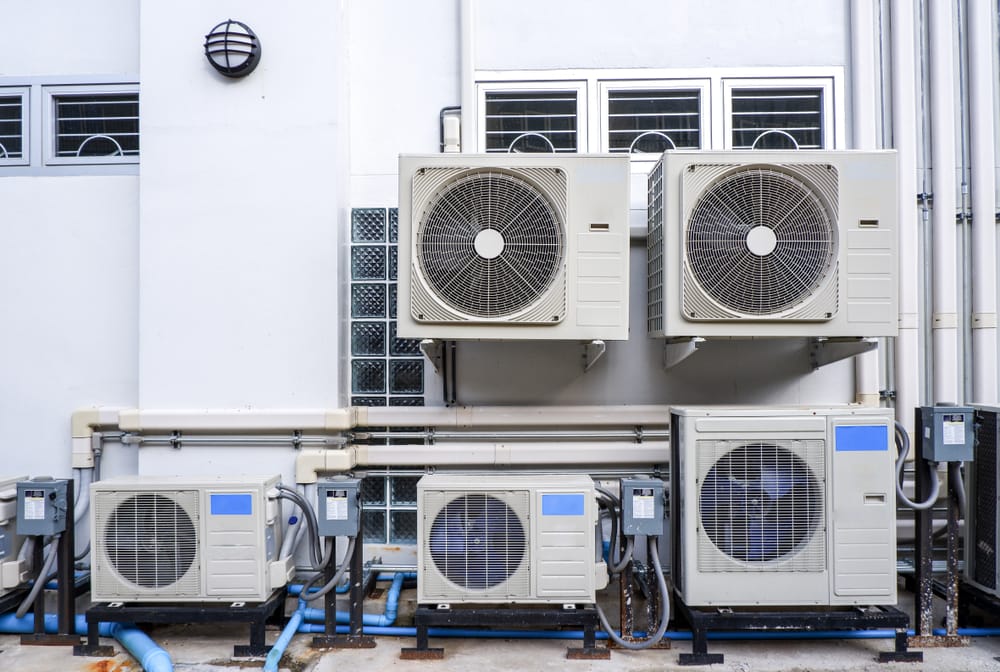
In Brazil’s Heat, Energy Efficiency Is Crucial. Discover Whether a Central Air Conditioner or Multiple Standard Units Consume Less Energy and Ensure a Cool, Comfortable Home
Brazil, known for its hot and tropical climate, constantly faces the need for effective solutions to stay cool. With rising temperatures, the question many ask is: is it better to choose a central air conditioner or several standard ones? Both options have their advantages and disadvantages, and the right choice depends on various factors, including the size of the residence, energy consumption, and personal preferences.
Advantages and Disadvantages of Central Air Conditioning
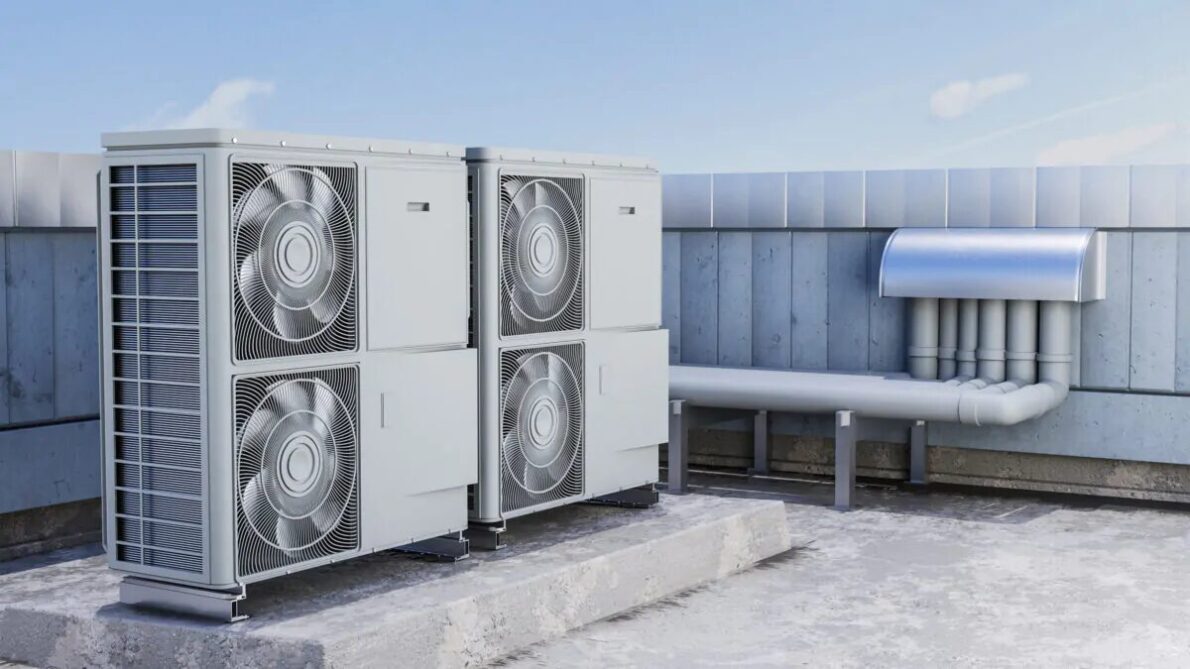
The central air conditioner, as the name suggests, is a system that cools the entire house from a central unit. This type of system is characterized by its efficiency and ability to maintain a uniform temperature throughout all rooms.
One of the main advantages of central air conditioning is its energy efficiency. In large homes, a central system can be more energy-efficient, as it avoids the temperature inconsistencies that can occur with multiple small systems. Additionally, a central system is more convenient to use, allowing control of the temperature for the entire house from a single thermostat. This type of system also tends to be quieter, as the main unit is usually located outside or in a distant area. In terms of aesthetics and space, a central system is more favorable, as it does not require individual units in each room, freeing up space inside the house.
-
China accelerates global science and may surpass the United States in 2 years with increased public investment, continuous growth, and direct impact on the global technological competition.

-
Scientific studies indicate that drought may be strengthening a much greater silent threat: more resistant superbugs.

-
Man builds functional 5-meter submarine in his garage using gas cylinders, PVC pipes, and a refrigerator motor, and navigates with the vessel on a lake in Colombia.

-
Millions of people have been eating yam for centuries without knowing that this humble tuber contains a compound called diosgenin, which scientists have now discovered can improve memory and help control blood sugar levels.


However, the installation of a central air conditioner can be expensive. The initial cost includes both the unit itself and the necessary infrastructure for its operation, such as ducts and ventilation. Moreover, it requires regular professional maintenance to ensure optimal functioning and prolong its lifespan.
Energy Consumption and Costs of Multiple Standard Air Conditioners
Choosing multiple standard air conditioners can be an attractive alternative, especially for smaller homes or for those who wish to cool only certain areas of the house. However, it is crucial to consider the impact on energy consumption and the associated costs.
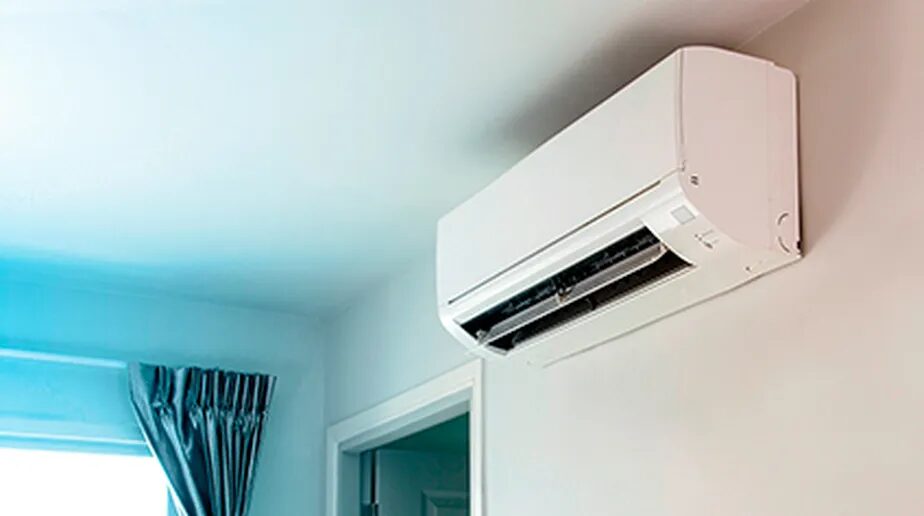
One of the main advantages of individual units is the lower initial cost. Individual units tend to be cheaper to purchase and install compared to a central system. Additionally, they allow for cooling specific rooms as needed, which can be more efficient for those who do not need to cool the entire house. This flexibility can result in energy savings if used strategically. Window or portable units are easy to install and do not require significant modifications to the house’s structure.
However, having multiple units running simultaneously can lead to higher overall energy consumption, especially if used in several rooms at the same time. Individual units also tend to be noisier than a central system, which can be an inconvenience for some people. Furthermore, each unit requires its own maintenance, and in some cases, individual units may have a shorter lifespan compared to a well-maintained central system.
Energy and Efficiency in the Brazilian Context
In Brazil, where temperatures can be extremely high for much of the year, energy efficiency is a crucial factor to consider. Energy consumption not only affects monthly bills but also the environmental impact. Modern central air conditioning systems are designed to be more efficient and meet strict energy standards, which can result in long-term savings.
Energy-saving technologies, such as programmable thermostats, allow for temperature adjustments according to a schedule, optimizing energy use during hours when cooling is not necessary. Both central systems and individual units are available in high-efficiency versions that consume less energy and offer better performance. Additionally, good insulation of the house can significantly improve energy efficiency, reducing the need for constant cooling.
The choice between a central air conditioner and multiple standard units depends on the specific needs of each home. For a large house, a central system may be the most efficient and convenient option in the long run, despite the higher initial cost. On the other hand, for smaller apartments or for those who wish to cool only certain areas of the house, several individual units may offer the flexibility and initial savings they seek.
It is essential to consider not only cost and convenience but also energy consumption and environmental impact. By investing in high-efficiency technologies and maintaining responsible usage, Brazilian homes can enjoy a cool and comfortable environment without compromising energy sustainability.







-

Uma pessoa reagiu a isso.