





 English
  Francês
  Alemão
  Italiano
  Japonês
  Norueguês
  Portuguese
  Spanish
  3 min of reading
  0 comments



As of 2024, Brazil Begins Taxing Solar Panels, a Controversial Measure That Aims to Balance Competitiveness Between National and International Manufacturers of Photovoltaic Modules.
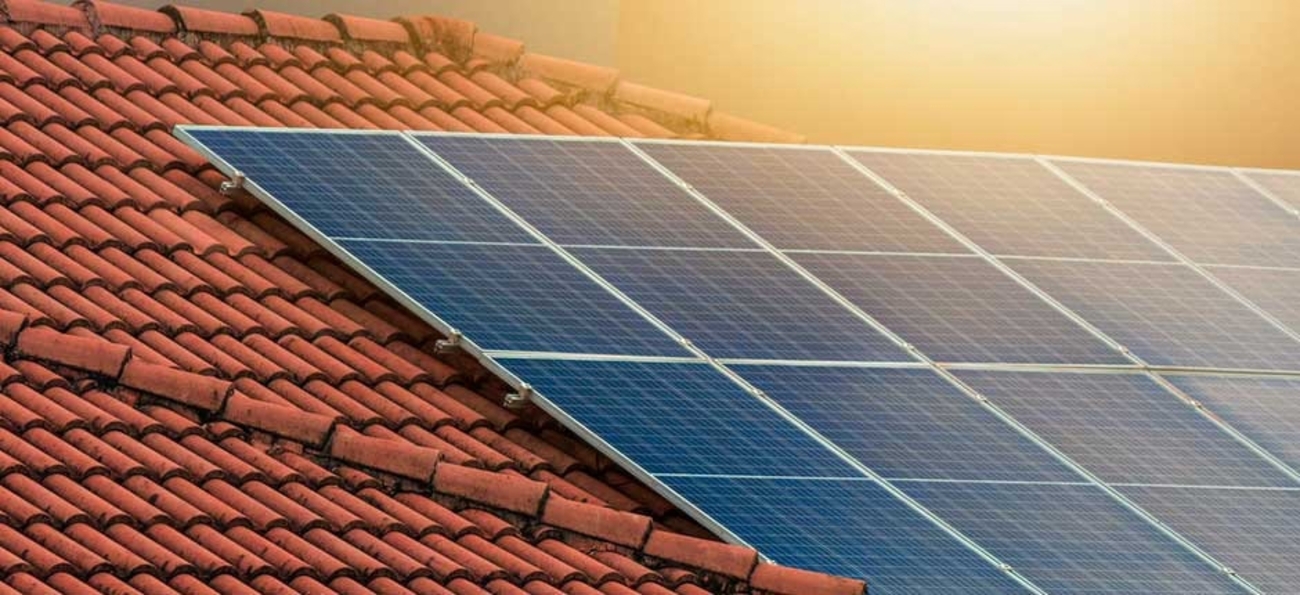
With the recent government decision to tax solar panels starting in 2024, Brazil enters a new chapter in its journey towards sustainable development and the promotion of greater solar energy. This move, marked by the imposition of a 10.8% import tax on imported photovoltaic modules and wind turbines, aims to level the playing field for national manufacturers, who have faced significant challenges due to unfair competition from imported products, primarily from China, according to G1.
The Impact of Taxing Solar Panels


The measure, which revokes the import tax exemption established in 2020, aims to stimulate domestic production of photovoltaic modules. However, it raises important questions about the potential effects on Brazil’s solar energy sector, especially considering that most photovoltaic modules used in the country are imported. In 2022, for example, 99% of the modules were brought from abroad, with an overwhelming margin coming from China. This scenario did not see much change in 2023, where 99.8% of photovoltaic modules continued to be imported.
Despite the apparent contradiction in government actions, especially in light of the recent “sun tax” that sparked widespread debate in 2023, the intention to strengthen the domestic industry cannot be ignored. Brazil is at a turning point, where the cost of domestic solar panels may be significantly higher than imported ones. This new policy could, by taxing solar panels, theoretically help reduce this disparity, although at the risk of increasing the overall installation costs of photovoltaic systems for consumers.
-
With 160,000 m² of collectors, an area larger than 20 football fields, Silkeborg, in Denmark, hosts a solar thermal plant that heats 19,500 homes and could become the largest solar heating plant in the world.

-
A study reveals the expansion of renewable energy procurement in Brazil and shows how companies are taking advantage of opportunities to reduce expenses, ensure energy efficiency, and strengthen strategic environmental commitments.

-
Roraima bets on the sun to escape high tariffs: Amid the energy crisis and price hikes, solar energy is growing in Roraima and transforming consumption in the North region.
-
Mato Grosso do Sul excels in the sugar-energy sector: the state reaches a milestone of 22 operating mills and accelerates the production of clean energy in MS with a focus on sustainability.


Solar Energy in Brazil
The sustainability of the photovoltaic sector in Brazil is undoubtedly at a critical moment. The decision to tax solar panels could have far-reaching implications, affecting not only national and international manufacturers but also the growth of solar energy as a whole in the country. The challenge will be to find a balance between protecting the local industry and keeping solar energy accessible and attractive for Brazilian consumers.
The strategy to tax solar panels, though controversial, reflects an attempt to navigate the turbulent waters of the global economy and environmental sustainability. As Brazil moves towards becoming a leader in greater solar energy, carefully considered policies and regulations will be crucial to ensure the country achieves its sustainability goals without sacrificing growth and innovation in the photovoltaic sector.
Different Solar Panels in the National and International Market
With the recent news of taxing solar panels in Brazil, it becomes crucial to understand the available options in the solar energy market, both national and international. The diversity of photovoltaic technologies offers different pathways for solar energy adoption, each with its characteristics, efficiencies, and specific costs.
Organic Photovoltaic Cells (OPV)
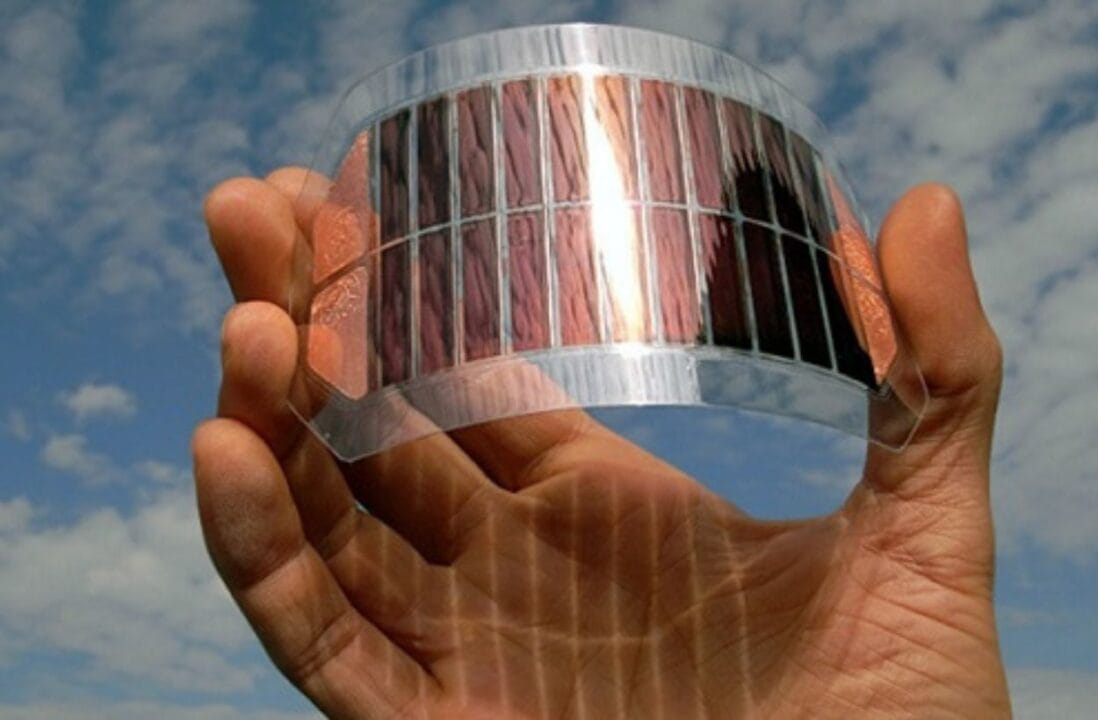
These cells, characterized by their flexibility and transparency, represent an emerging technology with efficiency of up to 11%. Their relatively low cost, due to the availability of raw materials, makes them an attractive option for specific applications.
Monocrystalline Silicon Photovoltaics
Market leaders in efficiency, these panels can achieve up to 21% energy efficiency. They are known for their high quality and longevity, making them a popular choice for long-term projects.
Thin Film
Thin film panels have an efficiency between 7% and 13%, produced from a variety of materials such as CIS/CIGS, amorphous silicon (a-Si), and cadmium telluride (CdTe). Their main advantage is application flexibility, including on uneven surfaces.
Polycrystalline Silicon Photovoltaics
With a maximum efficiency of about 18%, polycrystalline silicon panels offer a balance between cost and efficiency. They are easily recognizable by their bluish appearance and grainy texture.
Copper, Indium, and Gallium Selenide (CIS/CIGS)
These panels have an efficiency of 9% to 12% and are considered more environmentally friendly due to the lower cadmium content. They are a viable option for those seeking a sustainable solution.
Cadmium Telluride (CdTe)
Despite their efficiency, the use of cadmium in CdTe solar panels raises environmental concerns due to the toxicity of this material.
Solar Tracking Panels
These systems allow the panels to follow the movement of the sun, maximizing sunlight capture. There are unidirectional and bidirectional versions, which can significantly increase the efficiency of solar energy generation.









Seja o primeiro a reagir!