





 Portuguese
  English
  Spanish
 4 min of reading
  0 comments


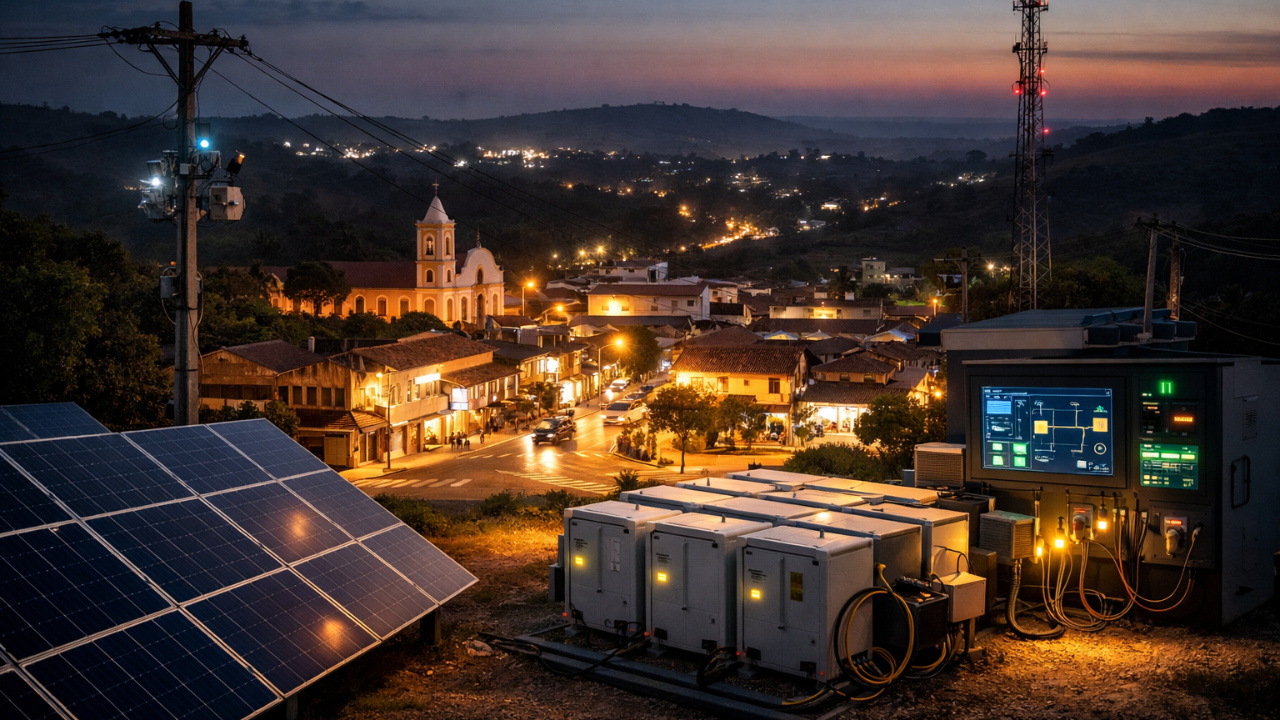
Anti-Blackout Project Implemented in Minas Gerais Uses Solar Energy, Batteries, and Smart Grids to Keep Cities Running Even During Failures in the Traditional Electric System.
A municipality with fewer than one thousand inhabitants has taken a strategic position in the debate about the future of the Brazilian electric sector. Serra da Saudade, located in the interior of Minas Gerais, has become the first city in the country to operate with an anti-blackout system capable of maintaining the supply of energy even in the face of failures in the conventional grid.
The initiative, developed by Cemig in partnership with the Federal University of Minas Gerais (UFMG), combines solar generation, battery storage, and digital technologies. In total, approximately 800 solar panels were installed and a battery bank was sized to sustain the supply for up to 48 hours in emergency situations.
More than a local solution, the anti-blackout project opens up a broader discussion about energy resilience, microgrids, and the modernization of the national electric system.
-
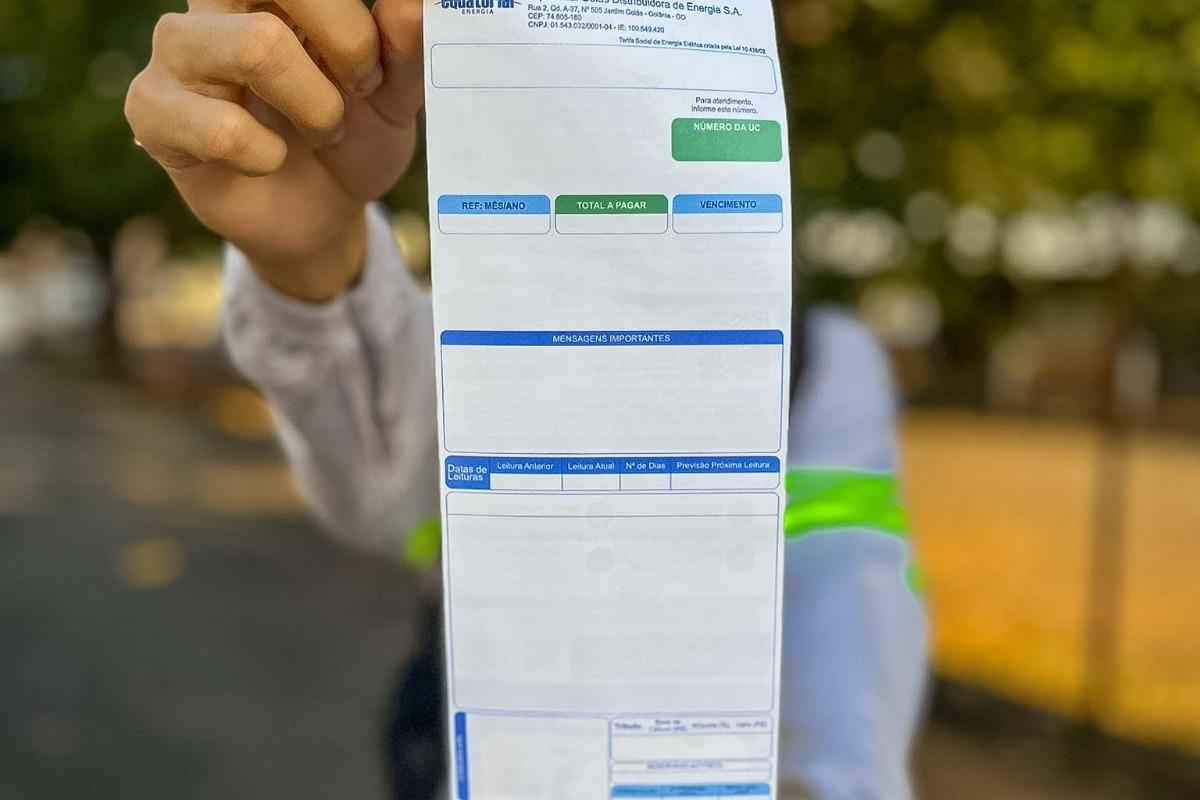
Equatorial adopts new national number for consumer units on electricity bills starting in April, following ANEEL standards and modernizing energy bills in several states.
-
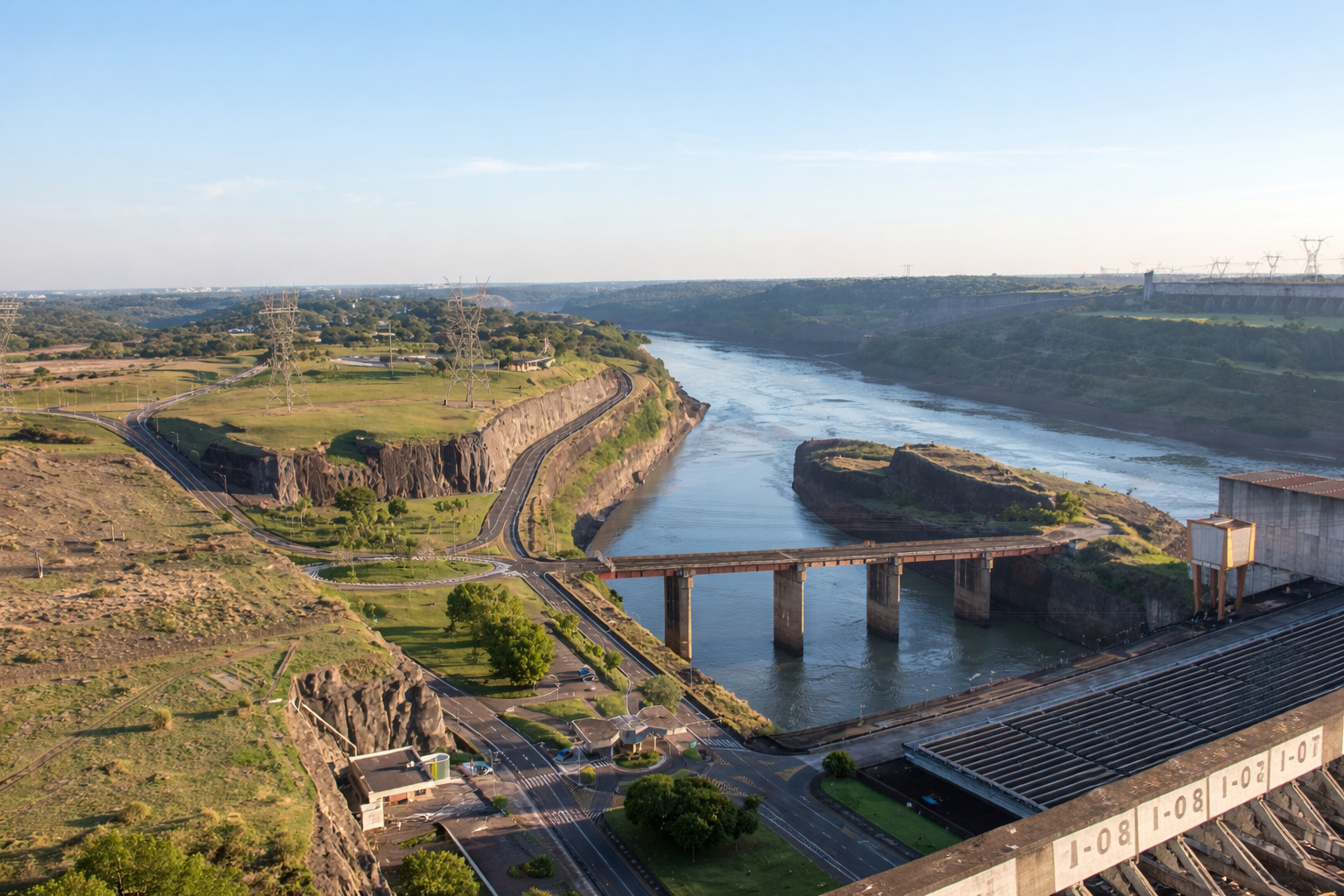
Itaipu Impresses the World: Hydroelectric Plant with 20 Turbines and 14,000 MW Generates Over 2.9 Billion MWh and Leads Global Clean Energy Production
-
Aneel Revokes CMAA Thermal Power Plants After Network Restrictions and Excess Energy in the System

-
13-Year-Old Scientist Creates Clean Energy Device For Just R$ 16, Wins $25,000 Prize And Surprises The World With Affordable Solution


How the Anti-Blackout System Implemented in Serra da Saudade Works
The model adopted in the mining municipality is known as a microgrid. It is an electrical network capable of operating either connected to the main system or in isolation, as needed.
Under normal conditions, Serra da Saudade remains connected to the distributor’s grid. However, when an external failure occurs, the anti-blackout system kicks in. The city is automatically isolated and begins to be supplied by batteries charged with solar energy.
This type of solution gains relevance in light of the increase in extreme weather events. Storms, heat waves, prolonged droughts, and flooding are already impacting electric infrastructure in different regions of the country. In many cases, the damages lead to prolonged supply interruptions.
In small towns, a blackout represents more than just discomfort. It compromises the functioning of schools, health posts, commerce, and essential services.
Climate Crisis Exposes the Limits of the Traditional Electric Model
The anti-blackout project in Minas Gerais highlights a paradigm shift. Expanding transmission lines and solely relying on large centralized plants is no longer sufficient to ensure energy security.
The Brazilian electric system faces increasing challenges. Fires near transmission lines, strong winds that knock down poles, and water crises that reduce the capacity of hydroelectric plants showcase the vulnerability of the current model.


In this context, distributed generation emerges as a strategic alternative. Producing energy close to the consumption site, on rooftops, industrial areas, or rural zones, reduces losses and increases the reliability of the supply.
The anti-blackout system of Serra da Saudade demonstrates, in practice, that decentralization and innovation can go hand in hand.
Solar Energy and Batteries Take Center Stage in Climate Adaptation
The combination of solar panels and battery storage is one of the project’s cornerstones. This integration allows the energy generated during the day to be used at night or during network failures.
Additionally, the model reduces dependence on fossil sources and thermoelectric plants, which are often activated in times of crisis. Despite pressures for the renewal of contracts for such plants, the global trend points towards clean and decentralized solutions.
The anti-blackout system in Minas is thus presented as a concrete example of how it is possible to ensure energy security without sacrificing sustainability.
Another distinctive feature of the project is the digitalization of the electric grid. The residents of Serra da Saudade now have smart meters.

These devices allow real-time monitoring of consumption through applications. Furthermore, they send automatic alerts to the utility company in case of anomalies, which accelerates technical responses.
This logic is part of the concept of smart grids. Sensors, automation systems, and data analysis platforms work together to identify failures, isolate problematic areas, and restore supply more quickly.
In Brazil, this movement is already underway. There are over 200 pilot projects in progress, with investments totaling around R$ 1.6 billion, supported by research programs from Aneel and innovation funds such as Inova Energia, from Finep.
What is Necessary for the Anti-Blackout Model to Work?
The system implemented in Minas brings together different technologies that operate in an integrated manner. Among them are:
- Smart Meters, which record consumption in real-time and communicate with the distributor.
- Sensors and Automation, capable of detecting failures and executing maneuvers without human intervention.
- Data Analysis Platforms, which process information and anticipate problems.
- Remote Control, which allows equipment to be operated from a distance, reducing response time.
This set transforms the consumer into an active agent of the electric system, especially when integrated with Distributed Energy Resources, such as solar panels, batteries, and, in the future, electric vehicles.







Seja o primeiro a reagir!