





 Portuguese
  English
  Spanish
  4 min of reading
  0 comments


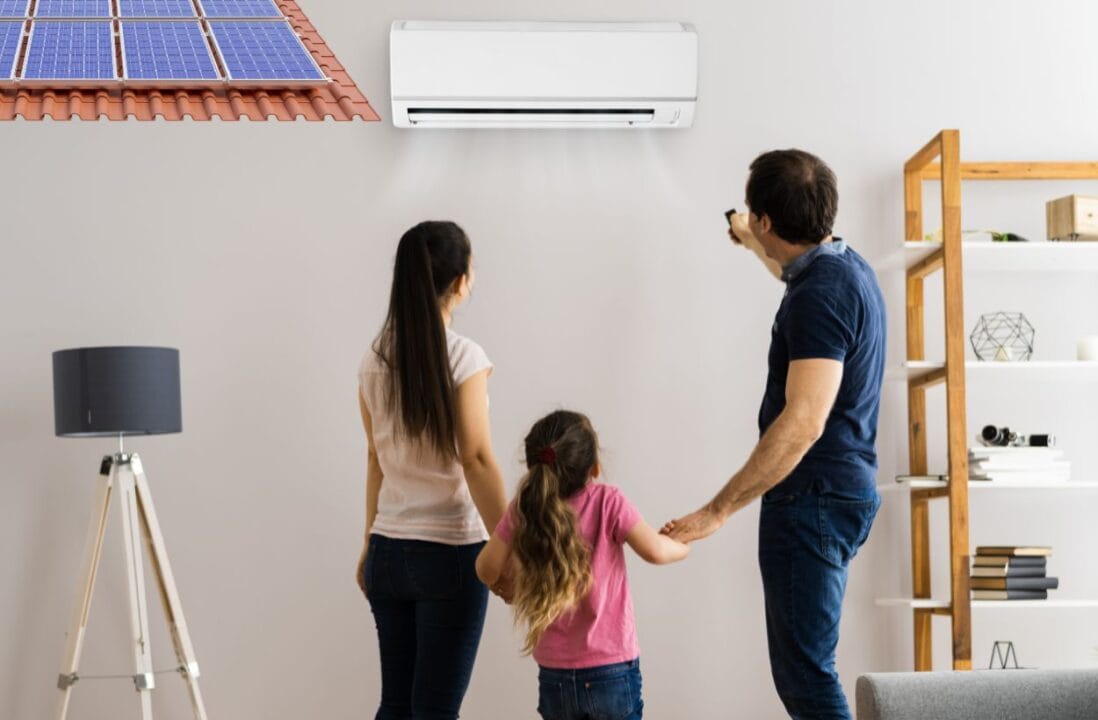
In a Detailed Exploration of the Potential of Solar Energy to Sustain the Use of Air Conditioning Amid Rising Temperatures, This Practical Guide Unveils the Mysteries Behind the Correct Sizing of LifePO4 Batteries and Photovoltaic Solar Panels.
In a world where the search for sustainable alternatives is on the rise, using solar energy to power our daily needs, such as air conditioning, becomes an increasingly attractive solution. With the high temperatures recorded across Brazil and the promise of an even hotter summer in 2024/25, the question arises: how many LifePO4 batteries and how many solar panels are needed to use air conditioning without paying the traditional energy bill?
The Mathematics Behind Comfort
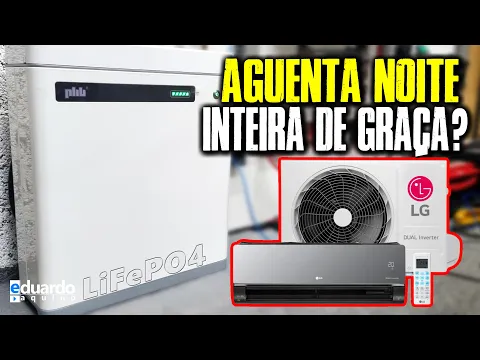

To keep an LG All-inverter air conditioner running during the day and a few hours at night, with an average adjusted temperature of 72°F, certain considerations are necessary. Here are the collected data:
- Daily Consumption of the Air Conditioner: Approximately 8.19 kWh, with instantaneous consumption peaks of 10000 W.
- Necessary Photovoltaic Panels: In the analysis conducted, panels with a peak power of approximately 330 W were used.
- LifePO4 Battery: The use of a nominal 5.4 kWh battery (4.86 kWh usable with a 90% depth of discharge) was considered.
The analysis revealed that four 550 W photovoltaic panels were sufficient to cover the air conditioner’s consumption during the day, with photovoltaic production of 7.6 kWh on the worst sunshine day.
-
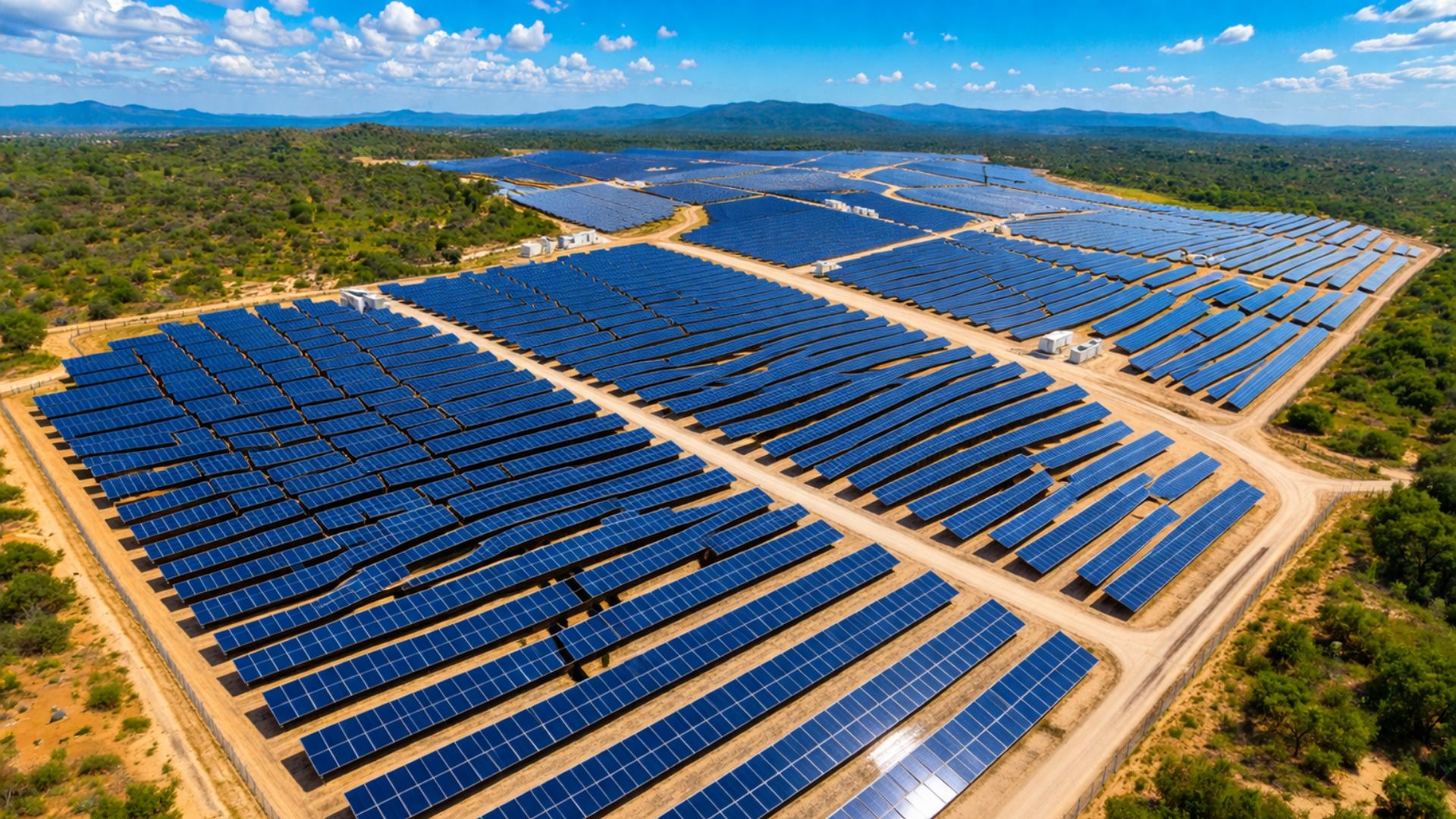
The Sol do Agreste Photovoltaic Complex begins operations in Pernambuco and accelerates the expansion of solar energy in Brazil, directly impacting the reduction of emissions and strengthening the sustainable energy matrix.
-
The Sol do Agreste Photovoltaic Complex begins operations in Pernambuco and accelerates the expansion of solar energy in Brazil, directly impacting the reduction of emissions and strengthening the sustainable energy matrix.
-
Renewable energy advances over protected areas in Brazil, and a survey by the Energy Transition Observatory reveals silent impacts that challenge environmental conservation and pressure sensitive traditional territories.

-
Rio Grande do Sul accelerates energy transition: State invests in renewable technologies and consolidates decarbonization strategies and pathways to attract billions in new industrial investments.


Solar Energy and Air Conditioning
Using the off-grid inverter from PHB Solar, model PHB 30 48 VM, capable of supporting energy demand and ensuring efficiency in energy conversion, it is possible to achieve desired autonomy. The inverter’s efficiency, considered to be around 87%, is crucial for the correct calculation of necessary and available energy.
How Many Solar Panels to Use Air Conditioning?
For a complete cycle of air conditioning use, considering both night and daytime consumption, approximately 8.6 kWh is required. In this scenario, the four 550 W peak photovoltaic panels proved effective, producing up to 12.5 kWh on sunny days, covering the air conditioning consumption and still allowing for surplus energy.
- Inverter Efficiency: Always take into account your inverter’s efficiency to accurately calculate the amount of energy that will actually be made available by your system.
- Sizing: Correct sizing of solar panels and batteries is essential. Consider the variations in your air conditioner’s consumption and the sunshine in your region.
- Flexibility: Using hybrid systems (on-grid and off-grid) can provide the best cost-benefit ratio, taking advantage of the excess energy generated.
Adopting solar energy to power air conditioning systems represents not only an economic choice but also an important step toward environmental sustainability. With the right calculations and considerations, it is possible to enjoy thermal comfort without the worry of high energy bills, positively contributing to the planet.
The Trajectory of Solar Panels in the Era of Sustainability
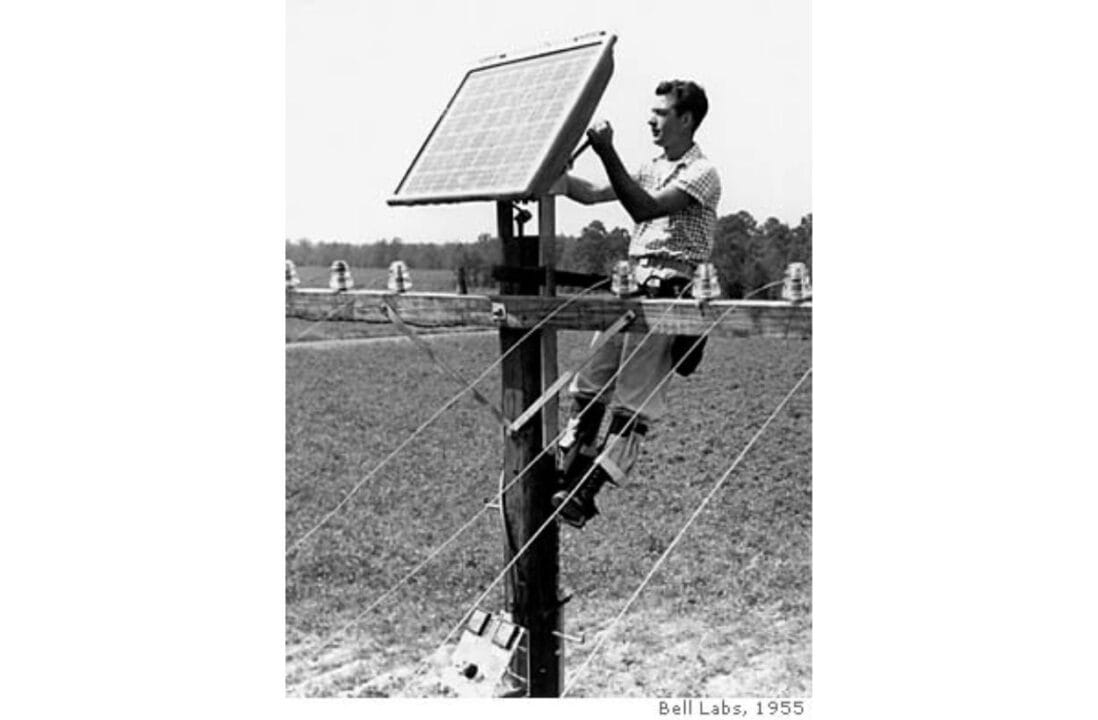
The journey of solar panels, from their initial conception to their fundamental role in the green energy revolution, is a story of innovation, persistence, and technological progress. From the pioneering discovery of the photovoltaic effect by Alexandre Edmond Becquerel in 1839 to the creation of the first practical solar cell at Bell Labs in 1954, each step in the evolution of solar panels reflects a milestone in humanity’s quest for renewable and sustainable energy sources.
This development not only illuminated the path for greater efficiency and applicability of solar cells but also paved the way for the global expansion of solar energy. The history of solar panels is a testament to human ingenuity, demonstrating how scientific curiosity and ingenuity can help address some of the most pressing challenges of our time – the need for clean, renewable, and accessible energy.
With the launch of Vanguard I, the first satellite to utilize solar power, in 1958, the potential of solar cells beyond terrestrial applications became evident. This pioneering application highlighted the reliability and effectiveness of solar energy in extreme conditions, opening new horizons for its use.
Fast-forwarding to the present, the efficiency of solar cells has increased exponentially, with some technologies reaching over 20% efficiency in converting solar energy into electricity. Ongoing research and development in the field promise even more efficient cells, marking the beginning of an era where solar energy can play a central role in the global energy matrix.
Innovative projects, such as the Clean Energy Project from Harvard University, highlight the ongoing commitment to seeking more sustainable and accessible energy solutions. These initiatives not only expand scientific knowledge but also demonstrate the potential for global collaboration in identifying new solutions for clean energy generation.








Seja o primeiro a reagir!