





 Português
  Inglês
  Espanhol
  3 min de leitura
  0 comentários


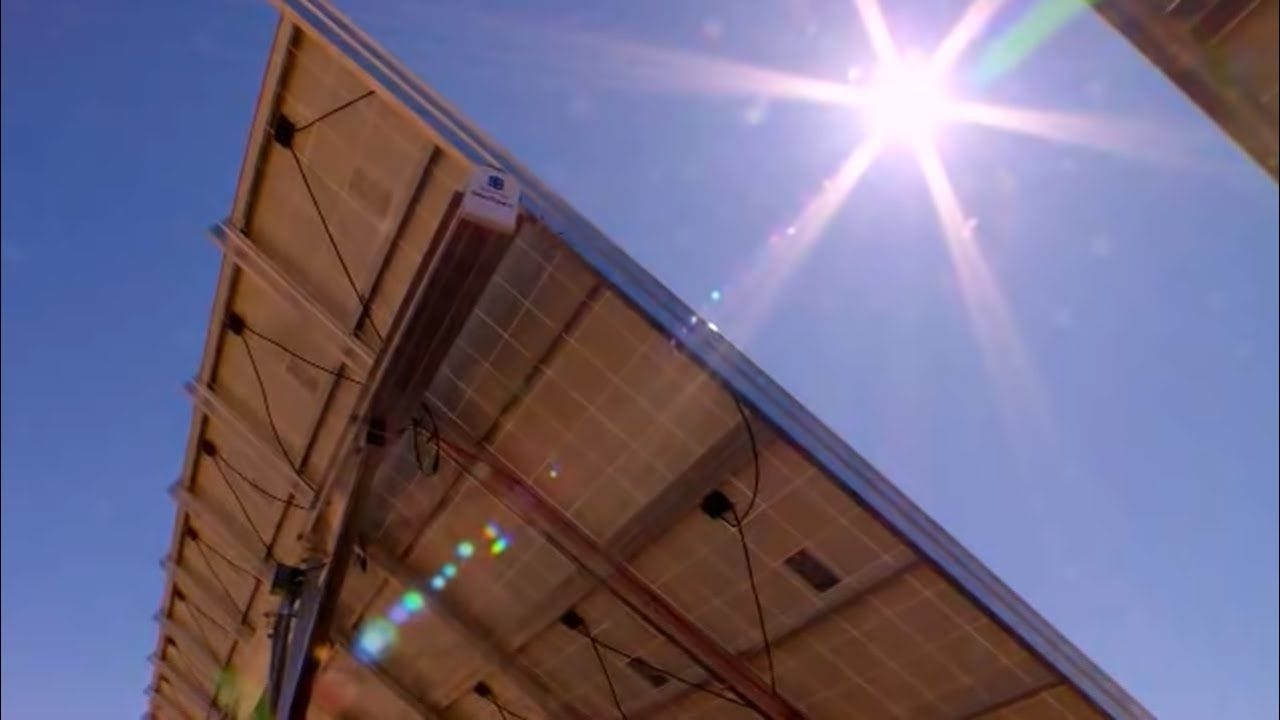
In 2024, the cost of solar energy significantly decreases, with photovoltaic systems becoming more accessible due to price drops and improved efficiency, marking an excellent year for investments in both residences and businesses.
In 2024, the solar energy sector reaches a significant milestone with a sharp reduction in prices, making it an ideal period for consumers and integrators to invest in photovoltaic systems. Various factors, such as solar irradiation and installation costs, influence the final price of these systems. But, do you know how much solar energy costs in 2024 for your home or business?
A GREENER survey conducted in March highlights a decrease of up to 30% in prices for the end consumer compared to the previous year, primarily driven by the drop in costs of photovoltaic modules. This promising scenario not only makes solar energy more accessible but also accelerates the return on investment, making it more attractive to a broader audience.
So, How Much Does Solar Energy Cost in 2024?


According to a study by GREENER, conducted in March 2024, the photovoltaic market shows an average decline of 30% in costs for the end consumer compared to the previous year. Specifically, a 2.58 kWp system saw a reduction of 28.6%, dropping from R$ 5.42 per peak watt in 2023 to R$ 3.87 in 2024. This means that the investment for a system capable of generating 300 kWh monthly in Belo Horizonte, for example, would be around R$ 9,984.60.
-
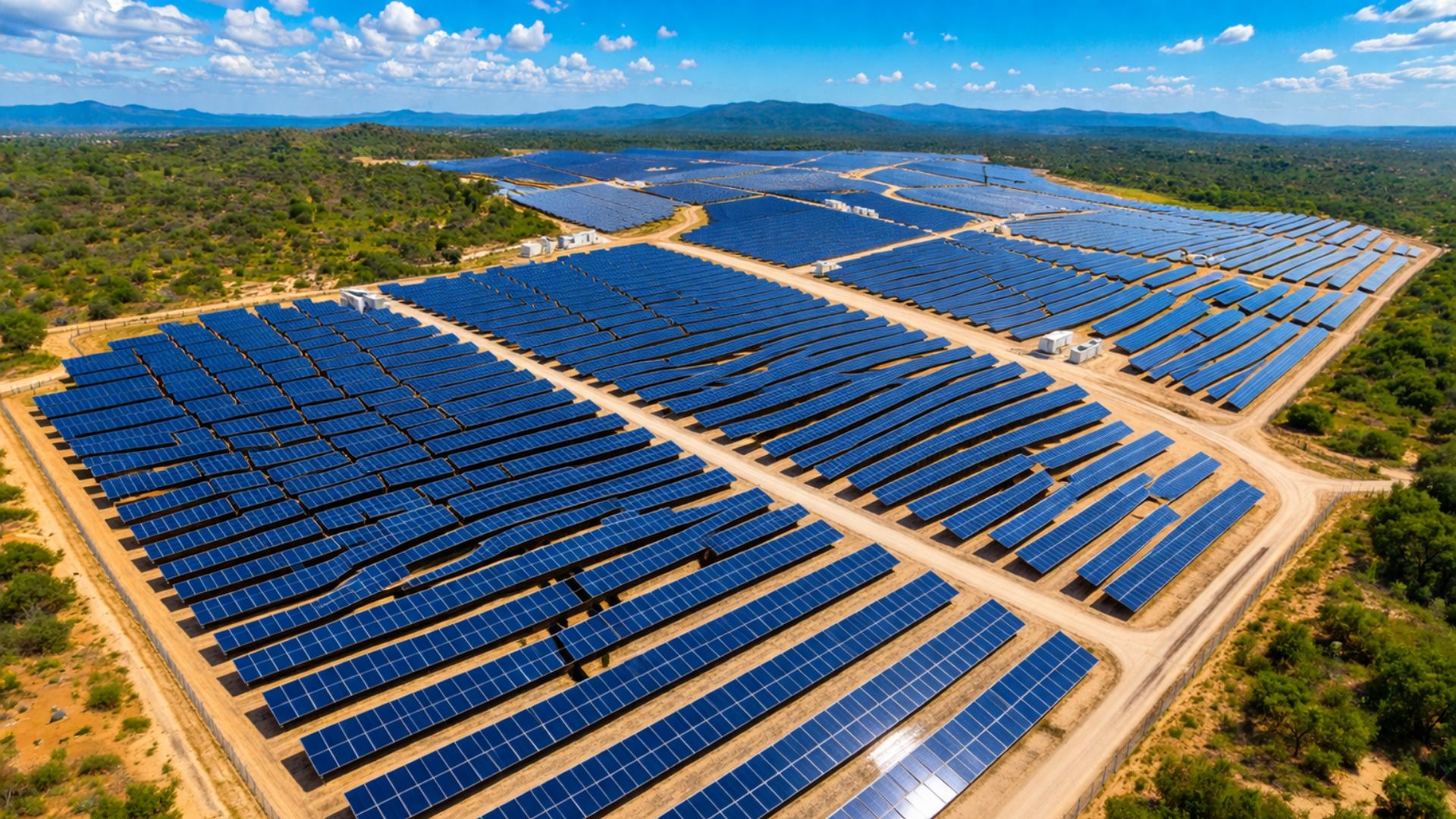
The Sol do Agreste Photovoltaic Complex begins operations in Pernambuco and accelerates the expansion of solar energy in Brazil, directly impacting the reduction of emissions and strengthening the sustainable energy matrix.
-
The Sol do Agreste Photovoltaic Complex begins operations in Pernambuco and accelerates the expansion of solar energy in Brazil, directly impacting the reduction of emissions and strengthening the sustainable energy matrix.
-
Renewable energy advances over protected areas in Brazil, and a survey by the Energy Transition Observatory reveals silent impacts that challenge environmental conservation and pressure sensitive traditional territories.

-
Rio Grande do Sul accelerates energy transition: State invests in renewable technologies and consolidates decarbonization strategies and pathways to attract billions in new industrial investments.


Beyond cost advantages, efficiency and return on investment have significantly improved. The estimated payback time for residential systems of 4 kWp decreased from 4.4 years in 2023 to 3.3 years in 2024, a reduction of 25%. This scenario is also driven by lower interest rates for financing, further facilitating the acquisition of photovoltaic systems.
With this information in hand, 2024 presents itself as the ideal year to adopt solar energy, taking advantage of cost reductions and greater efficiency of photovoltaic systems. Therefore, for both residences and commercial establishments, investing in solar energy now is an intelligent economic and sustainable decision.
Improvements in Photovoltaic System Efficiency
In addition to the reduction in acquisition prices of the systems, there are also improvements in efficiency and technology of photovoltaic components. This results in more compact and powerful systems capable of generating more energy in smaller areas. For example, while in previous years a residence might need a considerable amount of rooftop space to accommodate the necessary solar panels, in 2024, with technological advancements, fewer panels can produce the same amount of energy, optimizing space usage.
This evolution in the photovoltaic sector not only reduces the initial installation cost but also contributes to long-term sustainable savings. With the return on investment becoming faster due to cost reductions and increased efficiency, owners can expect significant savings on electricity bills over the years, while positively contributing to the environment by reducing reliance on non-renewable energy sources.










Seja o primeiro a reagir!