





 Portuguese
  English
  Spanish
 4 min of reading
  0 comments


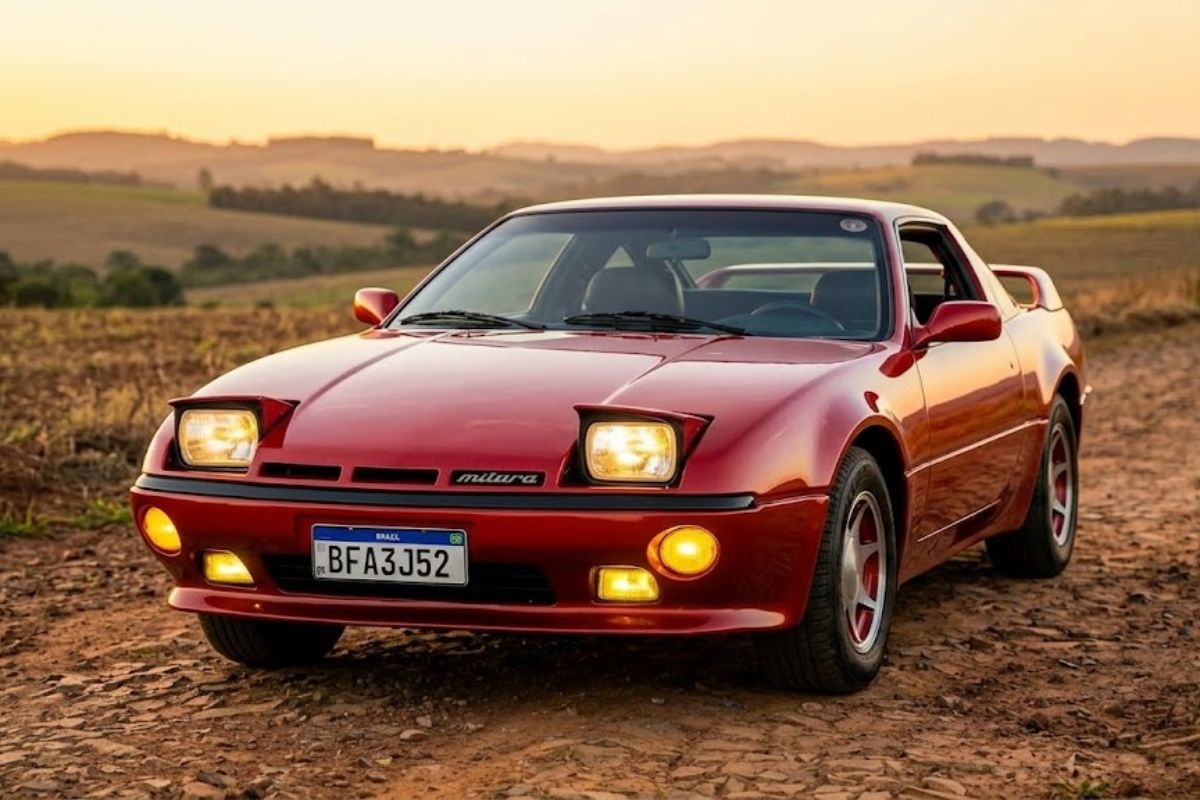
The Small Agricultural Town Of Casca, In The Interior Of Rio Grande Do Sul, Hides A Little-Known Connection To The Brazilian Automotive Industry, As One Of The Names Linked To The Creation Of The Miura, A Sports Car That Marked An Era When Brazil Had Almost No International Competition, Came From There
A small agricultural town in the interior of Rio Grande do Sul may seem like just another quiet spot among fields and rural communities, but the history of Casca reveals an unexpected link to a striking chapter of the Brazilian automotive industry.
It was from this small agricultural town that one of the names responsible for the Miura, one of the most iconic luxury cars produced in Brazil, emerged—symbolizing a time when the national industry attempted to compete in design, technology, and exclusivity.
A Small Agricultural Town That Seems Ordinary At First Glance
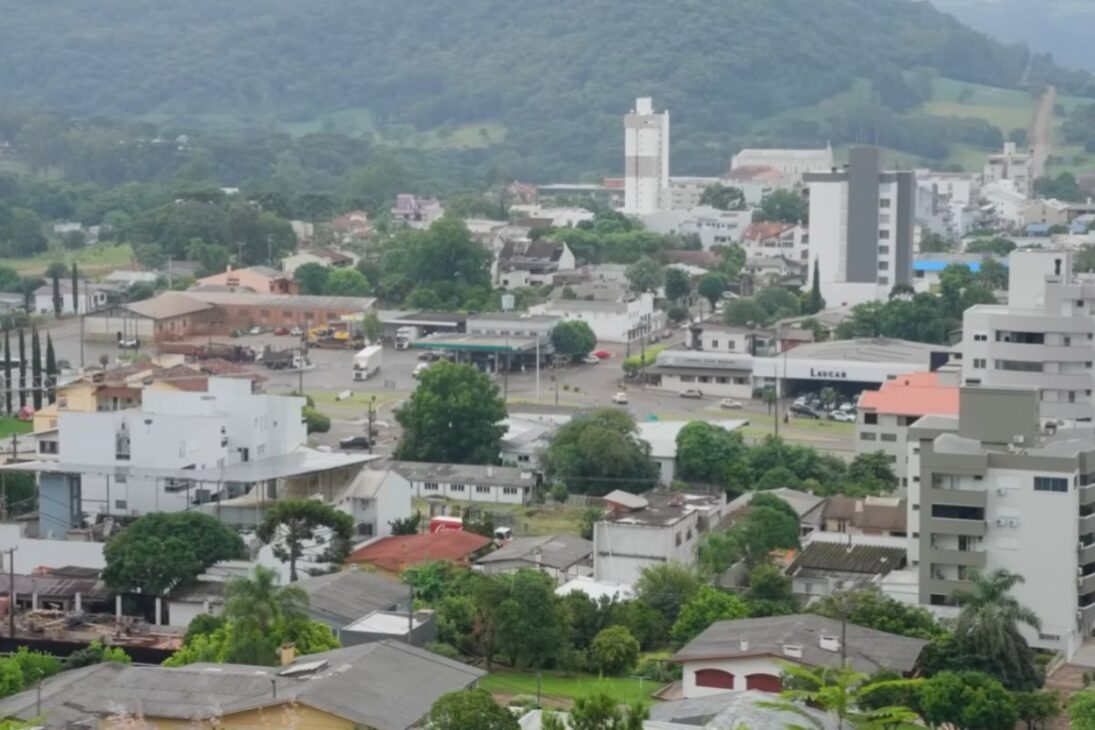
Casca is often described as a typical small agricultural town in the interior of Rio Grande do Sul.
-
Engineers propose a fourth traffic light for intersections – the change promises to affect crossings, queues, and waiting times.

-
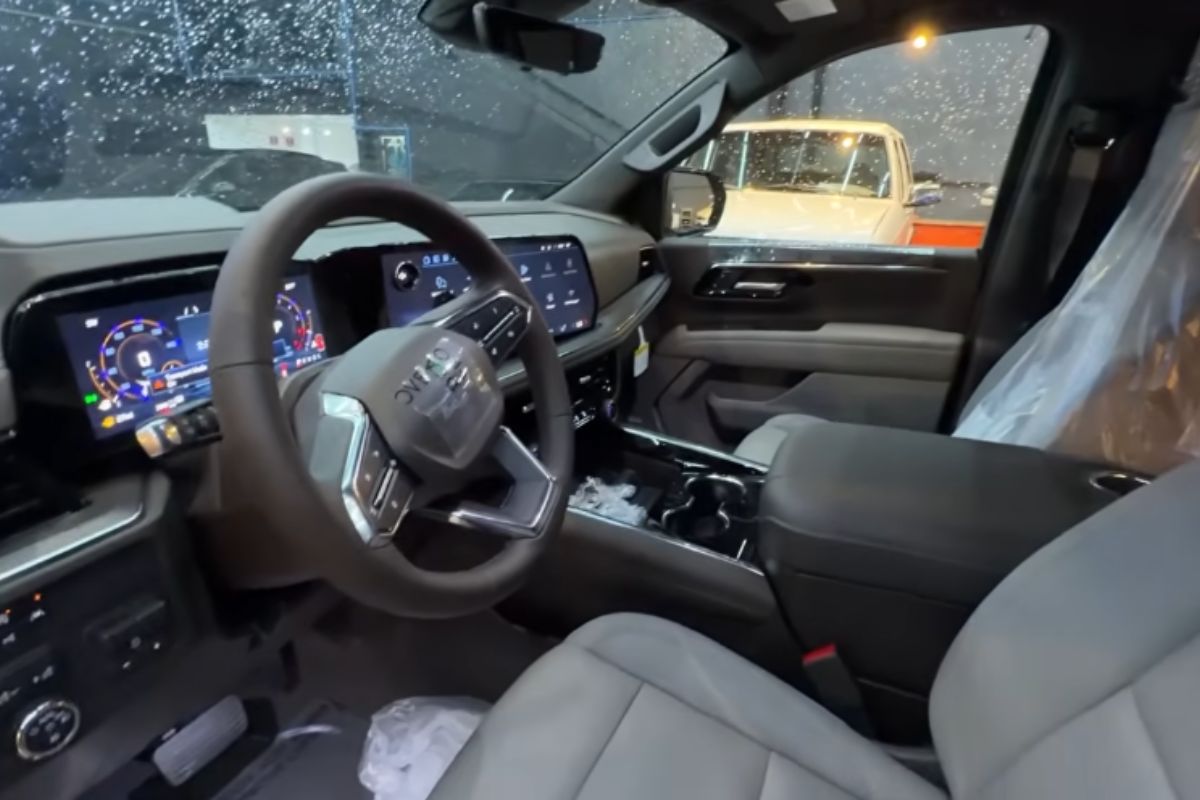
Chevrolet Suburban Z71 lands in Brazil with a V8 engine, off-road design, air suspension, seven seats, and colossal size, a rare version imported for around R$ 1.3 million with luxury and exclusivity.
-
The Chevrolet Onix 1.0 turbo achieves 17.7 km per liter on the highway and ranks among the three most economical cars in Brazil in 2026, alongside two more expensive Toyota hybrids available at dealerships.

-
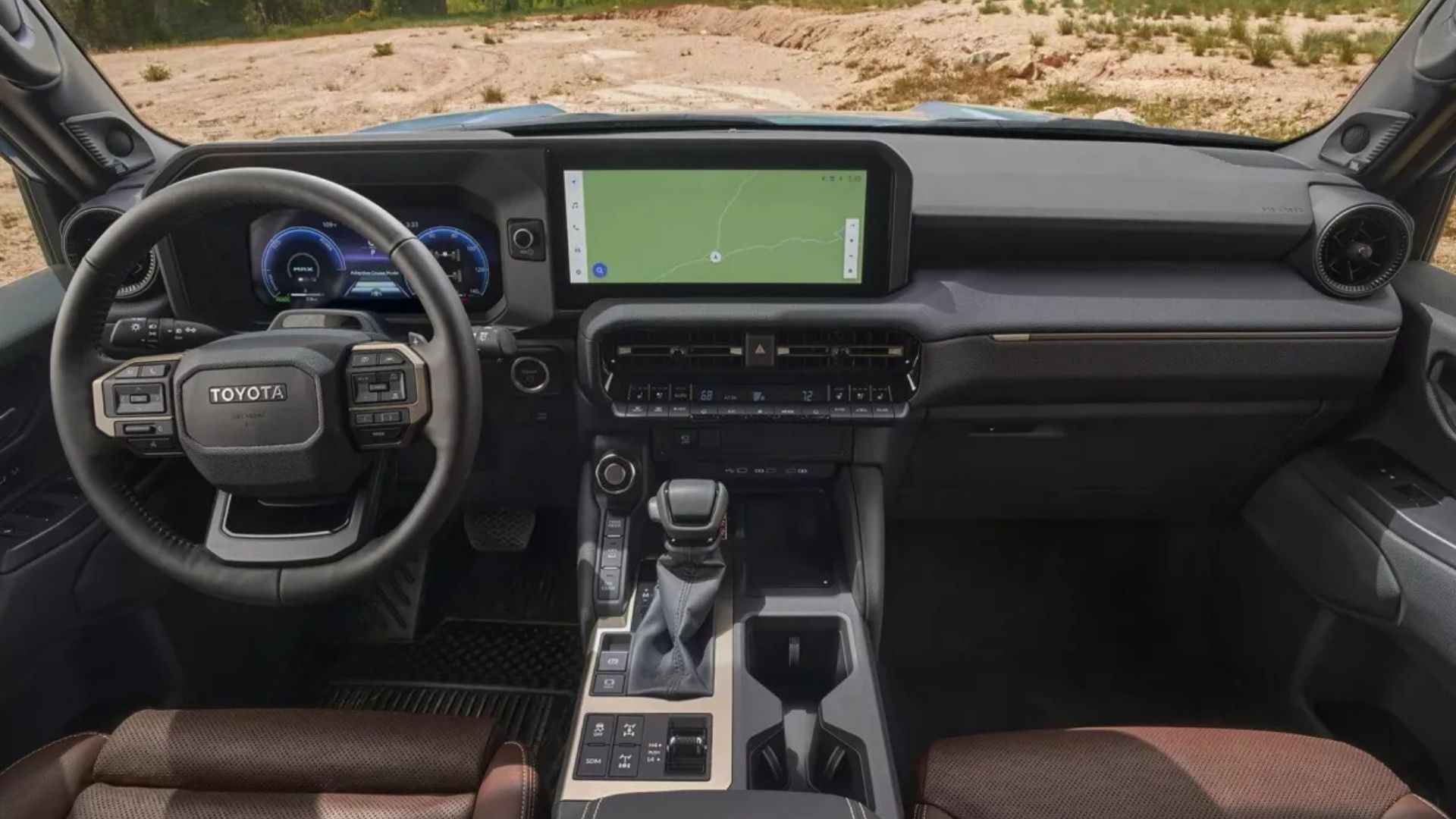
Little sister of the Hilux: Toyota launches Land Cruiser FJ with 4 radical versions, 2.7 engine with 166 hp and 4×4 traction with locking.

The municipality has characteristics common to many towns in the region: organized urban center, scattered rural communities, and an economy heavily based on agricultural and agro-industrial production.
The landscape consists of fields, small family farms, and dirt roads connecting villages and communities.
This rural setting hides a much more complex story than its simple appearance suggests.
Casca also carries a strong cultural heritage built by generations of Italian and Polish immigrants.
These influences are evident in the architecture, cuisine, religious faith, and the ways communities preserve traditions that have lasted for decades.
The Cultural Foundation That Shaped The Identity Of The Town
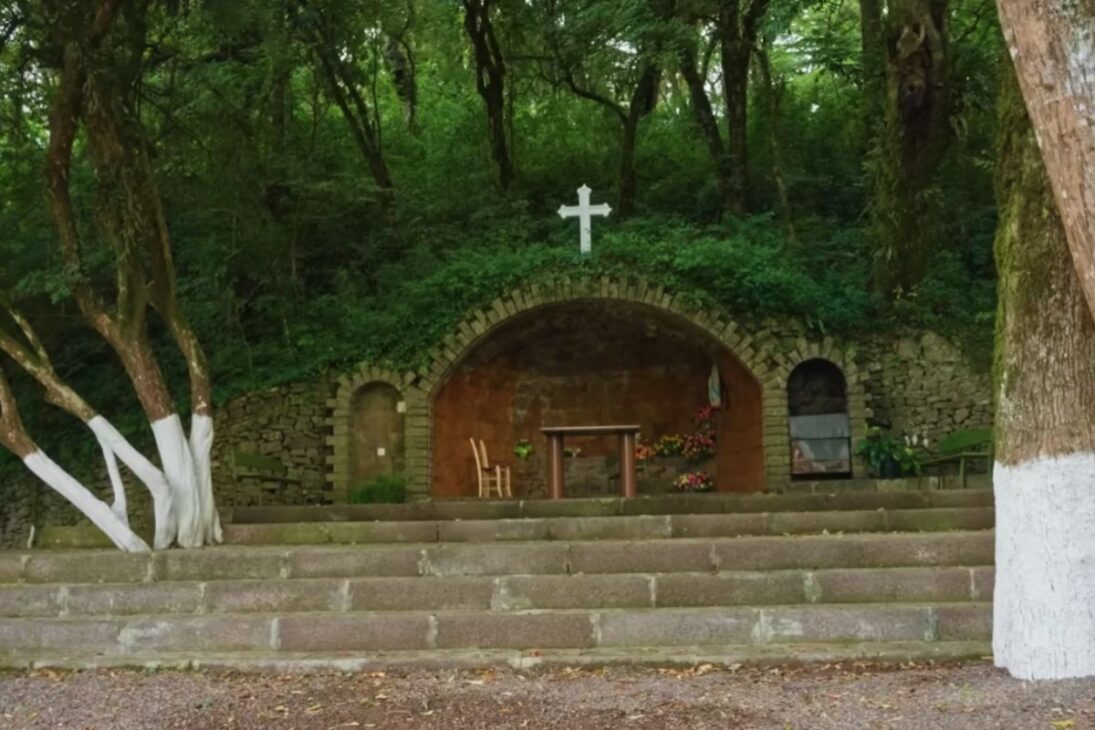
The small agricultural town of Casca developed its identity from the coexistence of different European immigrant cultures.
Italians and Poles helped shape the social profile of the region, creating a cultural blend that remains visible today.
Culinary traditions, religious celebrations, and communal living still play a part in the local routine.
This cultural mix created a unique identity that is hard to replicate elsewhere.
In addition to agriculture, the town also developed a strong agro-industrial sector.
Production of pork products, cheeses, wines, and other food items became an important part of the regional economy.
This family-oriented and entrepreneurial work environment influenced various professional paths that began there.
The Surprising Connection With The Brazilian Supercar Miura
It is at this point that the story of the small agricultural town gains an unexpected connection to the Brazilian automotive industry.
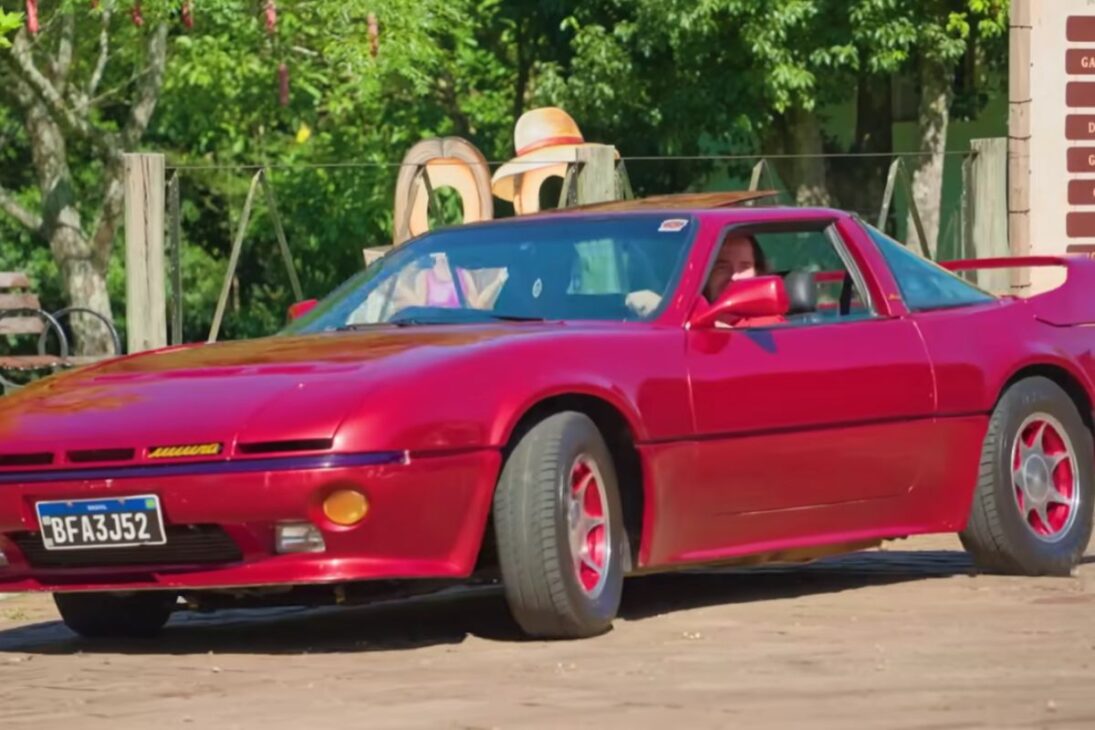
One of the names linked to the creation of the Miura, Aldo Besson, was born in the interior of Casca before moving to Porto Alegre at a young age.
In the capital, he teamed up with businessman Itelmar Gobbi.
Together, the two acquired an upholstery specialized in vehicle customization.
At that time, items considered common today—like reclining seats—were still rare in cars sold in Brazil.
The experience in customization ended up paving the way for a much more ambitious project.
The Birth Of A Brazilian Luxury Car
The idea of developing a proprietary car emerged in the context of the Brazilian industry in the 1970s.
During that period, Brazil had strong restrictions on the importation of foreign vehicles.
This scenario allowed national manufacturers to experiment with independent projects.
It was in this way that the Miura was born, launched in 1977.
The car utilized a fiberglass body and sought to offer a sporty design, comfort, and advanced technology by the standards of Brazil at the time.
During nearly two decades of production, over 3,500 units were sold.
The Miura became a status symbol among businessmen, artists, and Brazilian celebrities.
Technology And Innovation In A Limited Era


Even with the technological limitations of the period, the Miura incorporated advanced solutions for the 1980s.
Some models featured electronic systems that alerted the driver about fuel, oil levels, and the need to use the seatbelt.
At the time, these functions were considered extremely sophisticated for national cars.
The project demonstrated that Brazilian engineering had the potential to compete in creativity and innovation.
The company launched about eleven different versions of the model throughout its existence.
Each new generation sought to improve performance, comfort, and electronic features.
The End Of An Era In The National Automotive Industry
The fate of the Miura was ultimately influenced by profound changes in Brazilian economic policy.
In the early 1990s, the federal government opened the market for the import of foreign vehicles.
Cars produced outside the country began to arrive with more advanced technology and competitive prices.
This change caused a crisis for several independent national brands.
Unable to compete with international manufacturers, many Brazilian companies in the sector ultimately ceased operations.
The production of the Miura also came to an end during this period.
The story of the small agricultural town of Casca shows how seemingly ordinary places can hide unexpected chapters of Brazilian history.
Among fields, cultural traditions, and rural communities, a direct connection emerged with one of the most iconic cars ever produced in the country.
The Miura was not just a rare automobile but a symbol of a phase when the national industry attempted to create something unique and innovative.
And this story raises an interesting reflection.
If ideas capable of creating a supercar were born in a small agricultural town, how many other similar stories remain hidden in the interior of Brazil?









Seja o primeiro a reagir!