





 English
  Francês
  Alemão
  Italiano
  Japonês
  Norueguês
  Portuguese
  Spanish
  3 min of reading


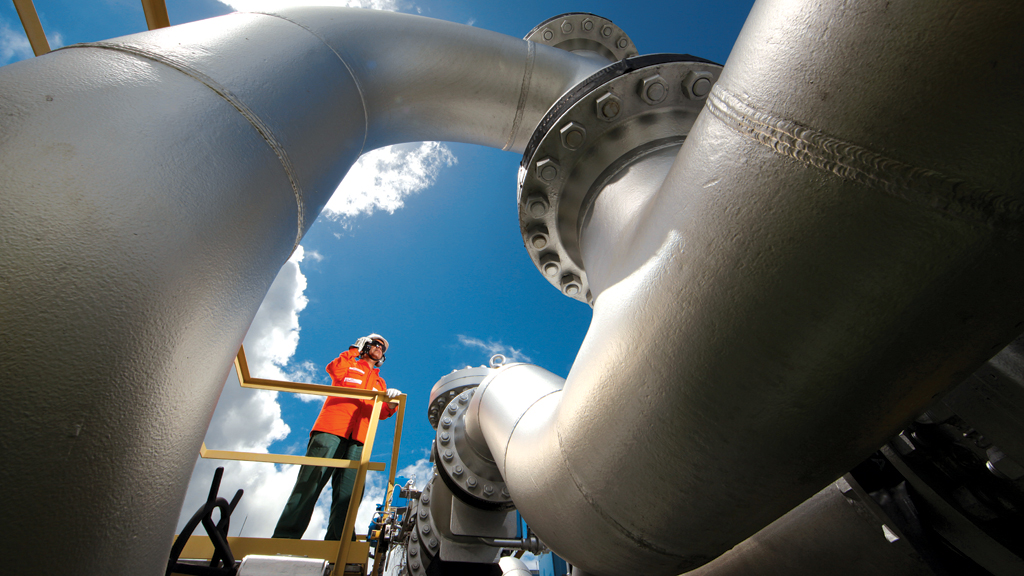
The Study, Which Aims to Limit the State-Owned Company’s Participation to 50% of Gas Sales in the Country, Suggests the Sale of Pipelines, Transfer of Supply Contracts to Private Companies, and the Creation of a Free Gas Consumer Market.
The study that underpins the proposal to eliminate Petrobras’ monopoly in the gas sector foresees potential investments of US$ 60 billion (around R$ 240 billion at the current dollar exchange rate), if the goal of reducing the price of fuel in the country is achieved. According to the projection, the funds would be disbursed by investors over the four years following the breaking of Petrobras’ monopoly in refining and would cover the expansion of supply infrastructure and the industrial capacity of sectors that would grow with the decrease in gas prices.
In four years, the supply of natural gas in Brazil will increase from the current 60 million m³/day to 160 million m³/day. However, the extra fuel provided by pre-salt reserves could be wasted if there is no demand. Petrobras, which has always controlled the chain (exploration, treatment, and distribution) and dictated investments in the sector, had plans for the surplus gas. The state-owned company built fertilizer plants and LNG (Liquefied Natural Gas) terminals that could be used for export.
-
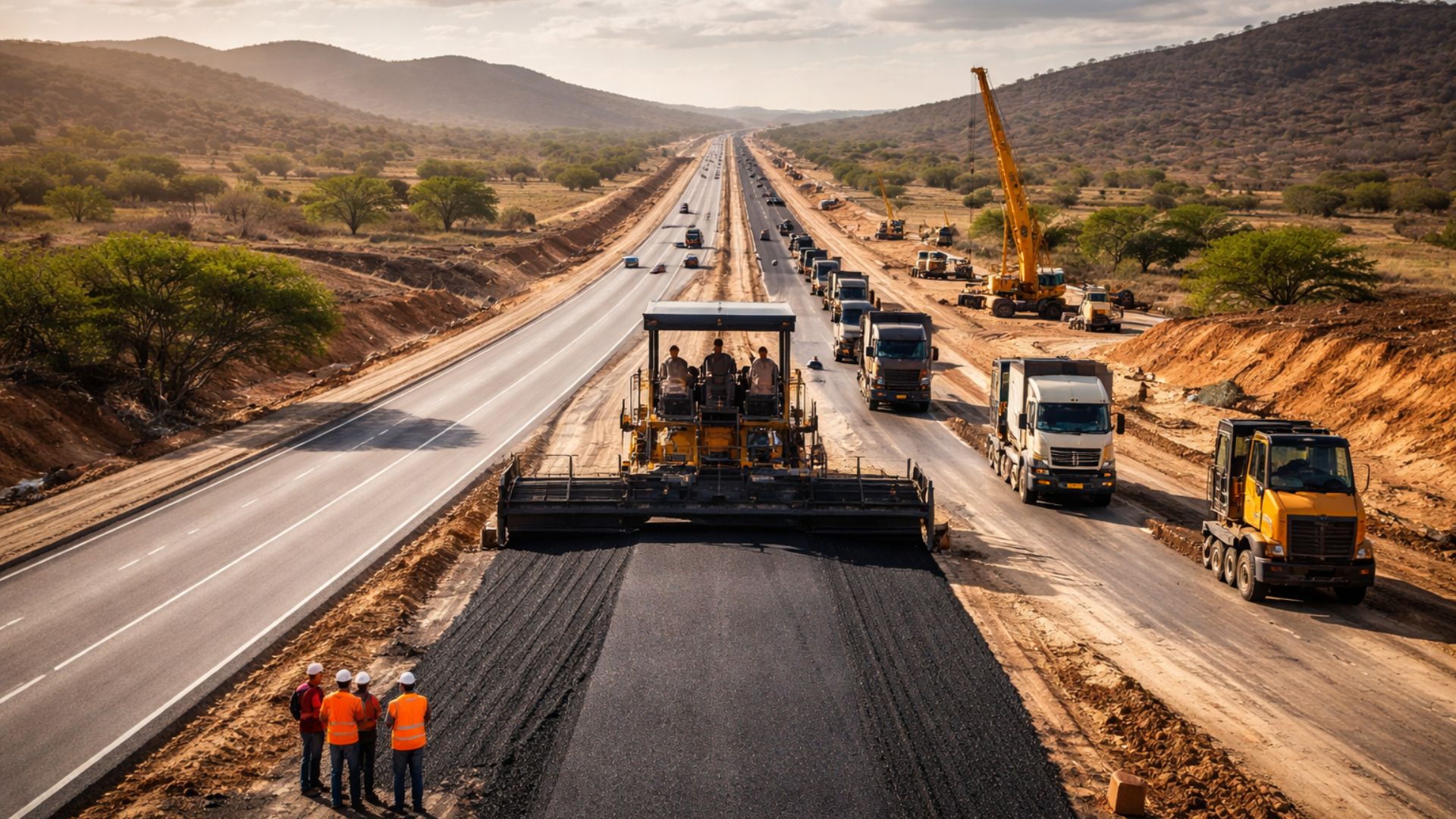
Government unlocks R$ 554 million for a highway that has been requested for decades and accelerates the duplication of BR.
-
Without bricks, without cement, and without endless construction: the cardboard house that is assembled in modules and can be moved.

-
Billions of barrels on the equatorial margin could lead Amapá to double its oil production in Brazil — the state aims to enter the route of companies in the Campos Basin, attract investments, and boost jobs and businesses in the oil and gas sector.
-
Without bricks, without cement, and without endless construction: the cardboard house that is assembled in modules and can be moved.
However, scandals of corruption and the financial crisis forced the company to announce a divestment plan of US$ 21 billion, putting almost all assets in the area up for sale. Since in most reserves, gas is associated with oil, having no outlet for it means halting oil exploration, thus, an option that has never been on the table.
According to the government, the trend is that fuel prices will fall without the monopoly in refining. Reducing the price of gas is one of the priorities of the economic team, which hopes to implement the measures within 60 days. The goal is to reduce the price of gas from the current US$ 12 (R$ 48) per million BTU (British Thermal Unit) to a value between US$ 5 and US$ 6 (from R$ 20 to R$ 24), varying according to the distance between the location and the coast.
“The price charged to the end consumer, resulting from the disruption of the sector, the inefficiencies generated by regulation, and the behavior of dominant players in the areas of production, transportation, and distribution, is one of the highest in the world,” the study highlights.
If achieved, the reduction in tariffs is expected to trigger a new wave of investments in the steel, petrochemical, ceramic, and fertilizer sectors. According to a study by the Association of Large Industrial Energy Consumers and Free Consumers (ABRACE), a reduction of each R$1/MWh in energy costs represents an increase in national wealth of R$ 4 billion over 10 years. “Competitive prices for gas and electricity could add 1% annual growth to Brazil’s GDP and 12 million jobs in the same period,” says Paulo Pedrosa, former secretary of the Ministry of Mines and Energy and president of the entity that brings together more than 50 companies responsible for 42% of industrial natural gas consumption. “The impact on the trade balance will be significant.”
The expectation is that the oil and gas sector could receive investments of US$ 10 billion (R$ 40 billion) aimed at the construction of four new offshore pipelines, four gas treatment units, and the expansion of fuel transportation capacity on land.
Iron and aluminum mining could attract another US$ 19 billion (R$ 75 billion) for the installation of ten iron ore beneficiation plants and two aluminum beneficiation plants, a segment that ‘escaped’ from Brazil due to high local energy prices.
Petrobras Completes Sale of Pasadema Refinery for Less Than Half of Its Value






Seja o primeiro a reagir!