





 Portuguese
  English
  Spanish
 5 min of reading
  0 comments



Critical Failure at the São Luís II Substation of Eletronorte Caused the Disconnection of More Than 1 GW in Maranhão and Affected the Porto do Itaqui Thermoelectric Plant
On the night of Sunday, October 26, 2025, the state of Maranhão faced one of the largest power outages in recent years. More than 1,124 MW of load were disconnected following a failure at the São Luís II Substation, operated by Eletronorte, a subsidiary of Axia Energia (formerly Eletrobras). The incident also affected the Porto do Itaqui thermoelectric plant, which had its generation of 359 MW interrupted.
Eletronorte Substation: Impact on Energy Supply in Maranhão
According to the National Electric System Operator (ONS), the automatic disconnection of the São Luís II Substation triggered a chain reaction, also affecting the São Luís I and III substations.
The failure highlighted the fragility of the region’s electrical infrastructure and raised concerns about the possibility of new outages. The failure caused a partial blackout in São Luís and neighboring municipalities, affecting homes, hospitals, businesses, and essential services.
-
Brazilians paid R$ 18 billion more for energy from the Itaipu plant, reflecting a direct impact on tariffs and generating discussions about costs, transparency, and balance in the national electricity sector.

-
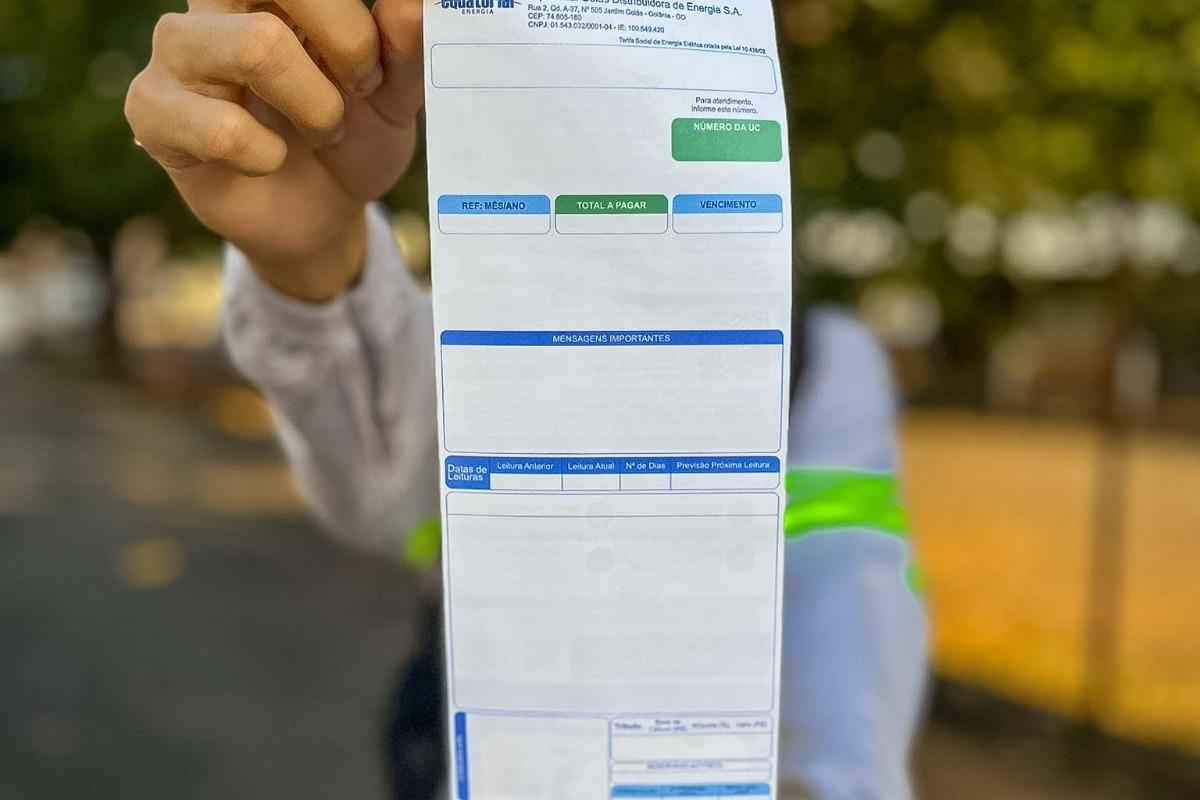
Equatorial adopts new national number for consumer units on electricity bills starting in April, following ANEEL standards and modernizing energy bills in several states.
-
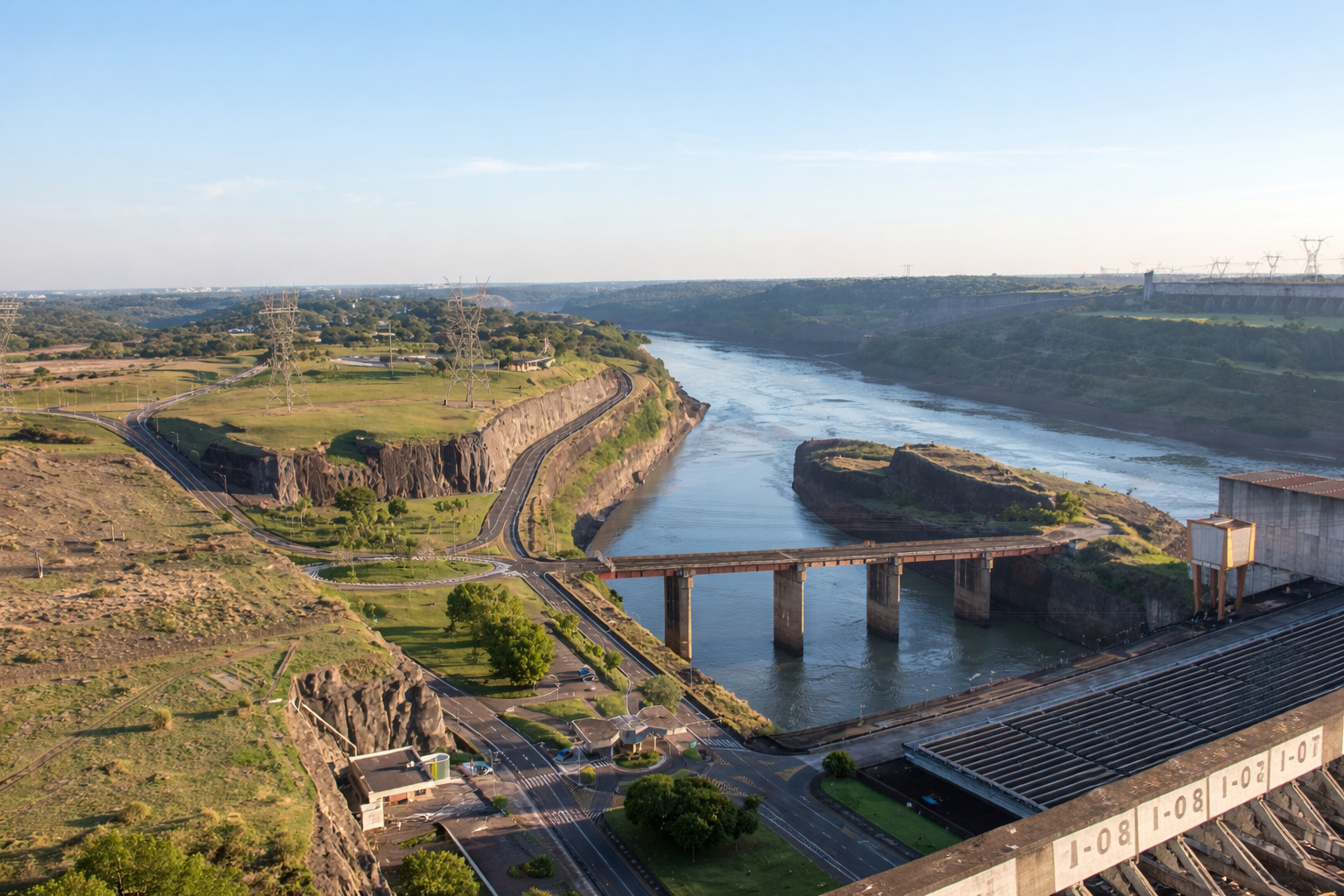
Itaipu Impresses the World: Hydroelectric Plant with 20 Turbines and 14,000 MW Generates Over 2.9 Billion MWh and Leads Global Clean Energy Production
-
Aneel Revokes CMAA Thermal Power Plants After Network Restrictions and Excess Energy in the System


According to the ONS, 755 MW of interrupted load were concentrated in the state capital, representing a significant portion of the local demand. In addition, the Porto do Itaqui thermoelectric plant, one of the main sources of thermal generation in the region, was automatically disconnected.
The initial forecast is that the plant will resume operations on Monday at 5 PM, according to an update from Axia Energia. The simultaneous interruption of generation and transmission exposed critical bottlenecks in Maranhão’s electrical system.
São Luís II Substation of Eletronorte: Critical Point of the Electric Grid
The São Luís II Substation is one of the main energy distribution nodes in Maranhão. Its failure compromised not only the capital but also the balance of the National Interconnected System (SIN) in the Northeast region. The substation is operated by Eletronorte, which reported that it is conducting a technical investigation to determine the causes of the disconnection.
The dependence on a single transmission point to supply such a wide area is a structural risk. Technical analyses in the sector warn that the lack of redundancy and overload in certain sections of the grid make the system vulnerable to cascading failures.
Eletronorte and ONS Under Pressure Following Failure
Eletronorte, responsible for operating the substation, stated in a note that it is collaborating with the ONS to identify the origin of the failure. The regulatory body, in turn, has initiated a detailed analysis of the event, focusing on preventing recurrences.
Confidence in the stability of the electric system depends on transparency and rapid response to events like this. The history of failures at substations in Maranhão, such as the fire that occurred in Peritoró in August 2025, reinforces the need for investments in maintenance and modernization of infrastructure.

Porto do Itaqui Thermoelectric Plant: Strategic Role and Vulnerabilities
The Porto do Itaqui thermoelectric plant plays a strategic role in supplying energy to Maranhão, especially during periods of low hydropower generation. With an installed capacity of 359 MW, the plant is essential for ensuring grid stability.
However, its dependence on the São Luís II Substation for the evacuation of the generated energy makes it vulnerable. The simultaneous interruption of generation and transmission exposes a critical bottleneck in the system.
Additionally, the plant is one of the few available thermal alternatives in the state, which increases its importance in emergency situations. The shutdown of the Porto do Itaqui thermoelectric plant, even if temporary, compromises the region’s energy security.
Risk of Blackouts and Need for Planning in the Electric Sector
The incident on October 26 raised an alarm about the risk of regional blackouts. Although supply was restored within a few hours, the occurrence revealed structural weaknesses that could compromise the state’s energy security.
Experts advocate for the diversification of generation sources and the expansion of the transmission network as urgent measures. Furthermore, the use of real-time monitoring technologies and more robust protection systems can reduce the impact of future failures.
Maranhão, due to its strategic location and energy potential, needs an expansion plan that considers demand growth and climate risks. Integration with other regions in the Northeast can also provide greater operational flexibility in emergency situations.
Maranhão and the Challenges of Energy Security
Maranhão has been increasing its participation in the national energy matrix, with a focus on renewable sources like solar and wind. However, the transmission infrastructure still relies heavily on old assets concentrated in a few points.
The decentralization of generation and the modernization of substations are essential to ensure the resilience of the system. Diversifying the energy matrix, with incentives for hybrid projects and storage, can also contribute to greater stability.
Additionally, it is essential that energy planning considers the social and economic impacts of interruptions like the one that occurred in October. The population and the productive sector need guarantees of continuous supply.
São Luís II Substation and the Urgency of Investments
The failure at the São Luís II Substation highlights the need for immediate investments in critical infrastructure. Modernizing protection systems, duplicating lines, and creating alternative evacuation routes are measures that can mitigate risks.
Eletronorte, as the operator of the substation, plays a central role in this process. The company needs to present a transparent action plan, with clear deadlines and goals to prevent new episodes.
The reliability of the electric system depends on the ability to anticipate failures and act preventively. Maranhão cannot remain vulnerable to events that compromise its energy security.
Paths to a More Resilient System
The failure that resulted in the disconnection of more than 1 GW of load in Maranhão exposed critical vulnerabilities in the regional electric system. The shutdown of the Porto do Itaqui thermoelectric plant and the impact on thousands of consumers reinforce the urgency of investments in infrastructure, planning, and technology.
Preventing new blackouts requires coordinated action among government, operators, and utilities. Energy security is a pillar of economic and social development, and episodes like the one on October 26, 2025, must not be repeated.
The future of the electric sector in Maranhão depends on strategic decisions made now. Modernizing the São Luís II Substation, expanding the transmission network, and promoting renewable sources are viable paths to ensure a safer, more efficient, and sustainable system.







Seja o primeiro a reagir!