





 English
  Francês
  Alemão
  Italiano
  Japonês
  Norueguês
  Portuguese
  Spanish
  3 min of reading
  0 comments


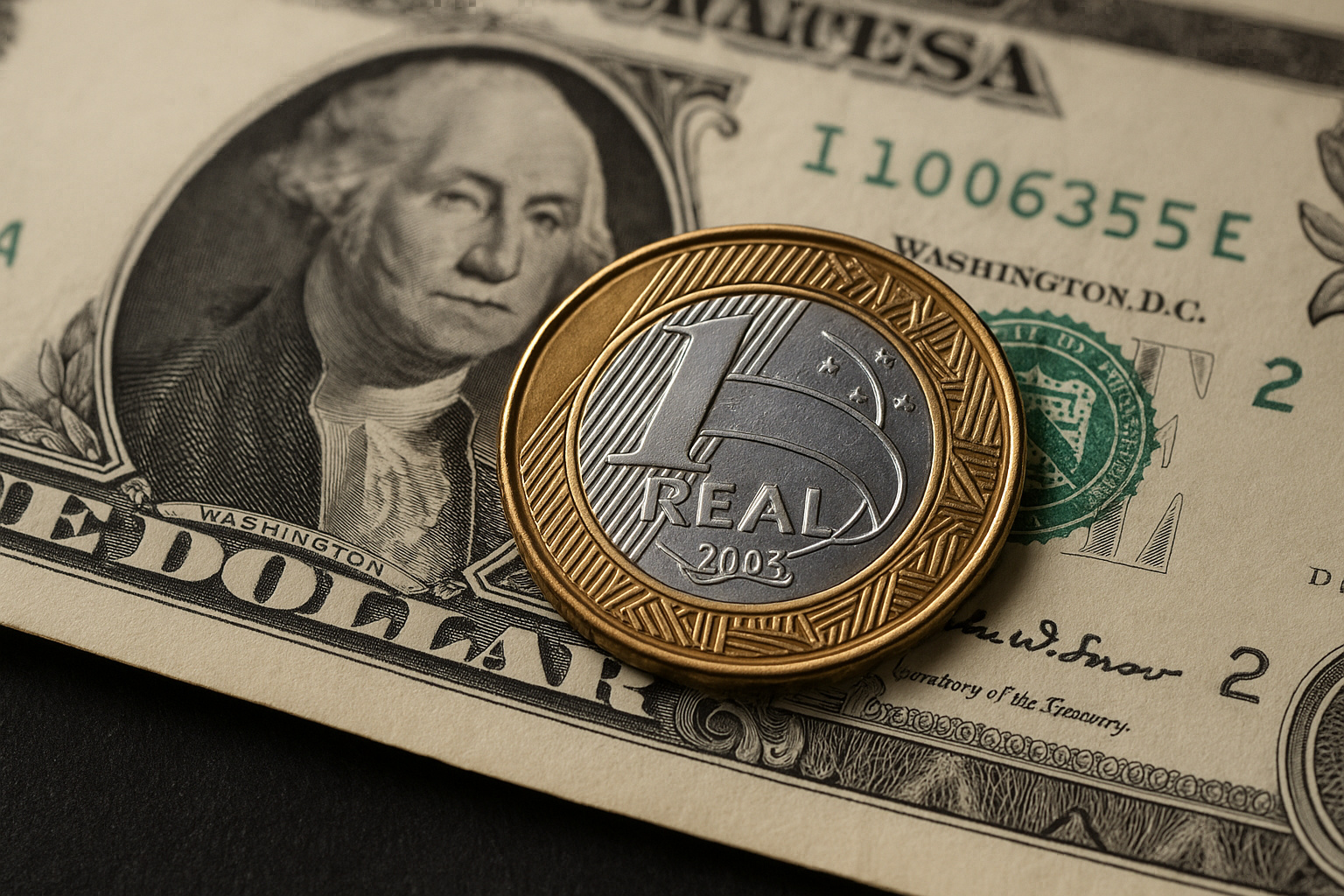
US Dollar Loses Global Strength, Real Appreciates and Analysts Project Impacts of the Federal Reserve and the Brazilian Central Bank in the Coming Months
The dollar closed the trading session on September 15, 2025, quoted at R$ 5.322, the lowest level in over a year. During the session, the currency reached R$ 5.30, consolidating a 14% accumulated decline for the year against the real, according to data from Banco Pine. This trajectory contrasts with December 2024, when the dollar exceeded R$ 6 and accumulated a 27.3% increase. But after all, why is the dollar falling?
Global Factors Explain Part of the Devaluation
The weakening of the US currency is a reflection of external conditions. Since July 2025, the Federal Reserve has maintained interest rates between 4.25% and 4.5% per year, a level considered high for the United States. However, recent data showed weakness in the US labor market, raising expectations for cuts.
According to the CME FedWatch tool, 96% of investors expect a reduction of 0.25 percentage points in the meeting scheduled for September 17. Only 4% project a cut of 0.5 points. For Nickolas Lobo, a specialist at Nomad, a milder cut could further weaken the dollar globally, while a rigid stance could reverse the trend.
-
Unemployment rises again to 5.8% at the beginning of 2026, raising alarms about the end of temporary positions and its impact on the Brazilian job market.

-
Document organization can cut invisible costs in small businesses, a simple step that prevents waste, rework, and losses in daily operations.

-
Chinese giant worth nearly R$ 4 billion that manufactures cables for electric cars, solar energy, and robotics wants to open a factory in SC.

-
Many employers do not know, but the law guarantees domestic workers a 25% increase in salary during trips, 50% for overtime, 20% for night shifts, and 17 additional benefits that can lead to labor lawsuits if not paid.


Cristiano Oliveira, head of research at Banco Pine, states that half of the real’s appreciation is due to the global weakness of the dollar. The other half is related to internal factors.
The Interest Rate Differential Favors Brazil
While the United States prepares to cut rates, the Brazilian Central Bank maintains the Selic at 15% per year. This difference amplifies the so-called carry trade, which occurs when investors borrow in low-interest-rate countries and invest in higher-yielding assets.
According to Otávio Oliveira, manager at Banco Daycoval, the capital flow increases the influx of dollars into Brazil, increases the supply of the currency, and appreciates the real. João Soares, partner at Rio Negro Investimentos, highlights that the Central Bank’s decision to keep interest rates high for an extended period further strengthens this attractiveness.
Trade Policies and Local Tensions Influence the Exchange Rate
In addition to the monetary aspect, international policies also pressure the dollar. The tariff increase by Donald Trump, announced in mid-2025, contributed to the loss of value of the US currency. At the same time, the trade crisis between Brazil and the United States increased exchange rate volatility, adding uncertainties to the scenario.
Tony Volpon, former director of the Central Bank, assesses that the fair value of the dollar would be around R$ 5. However, experts warn that political tensions and internal fiscal risks may limit the real’s appreciation in the coming months.
What to Expect in the Coming Months
If the Federal Reserve’s interest rate cut is confirmed in September, the dollar is likely to lose even more ground in the international scenario. Consequently, Brazil remains attractive to foreign capital due to the high Selic, sustaining the appreciation of the real.
Still, fiscal uncertainties and internal political disputes could cause exchange rate instability. In summary, the dollar is falling because it faces global pressure with expectations of cuts in the United States and solid domestic fundamentals in Brazil, which include interest rate differentials, capital flows, and reduced country risk.
What do you believe will be more decisive for the exchange rate in the coming months: the Federal Reserve’s decisions or the internal challenges of the Brazilian economy?










-

-

-

17 pessoas reagiram a isso.