





 Portuguese
  English
  Spanish
  3 min of reading
  0 comments


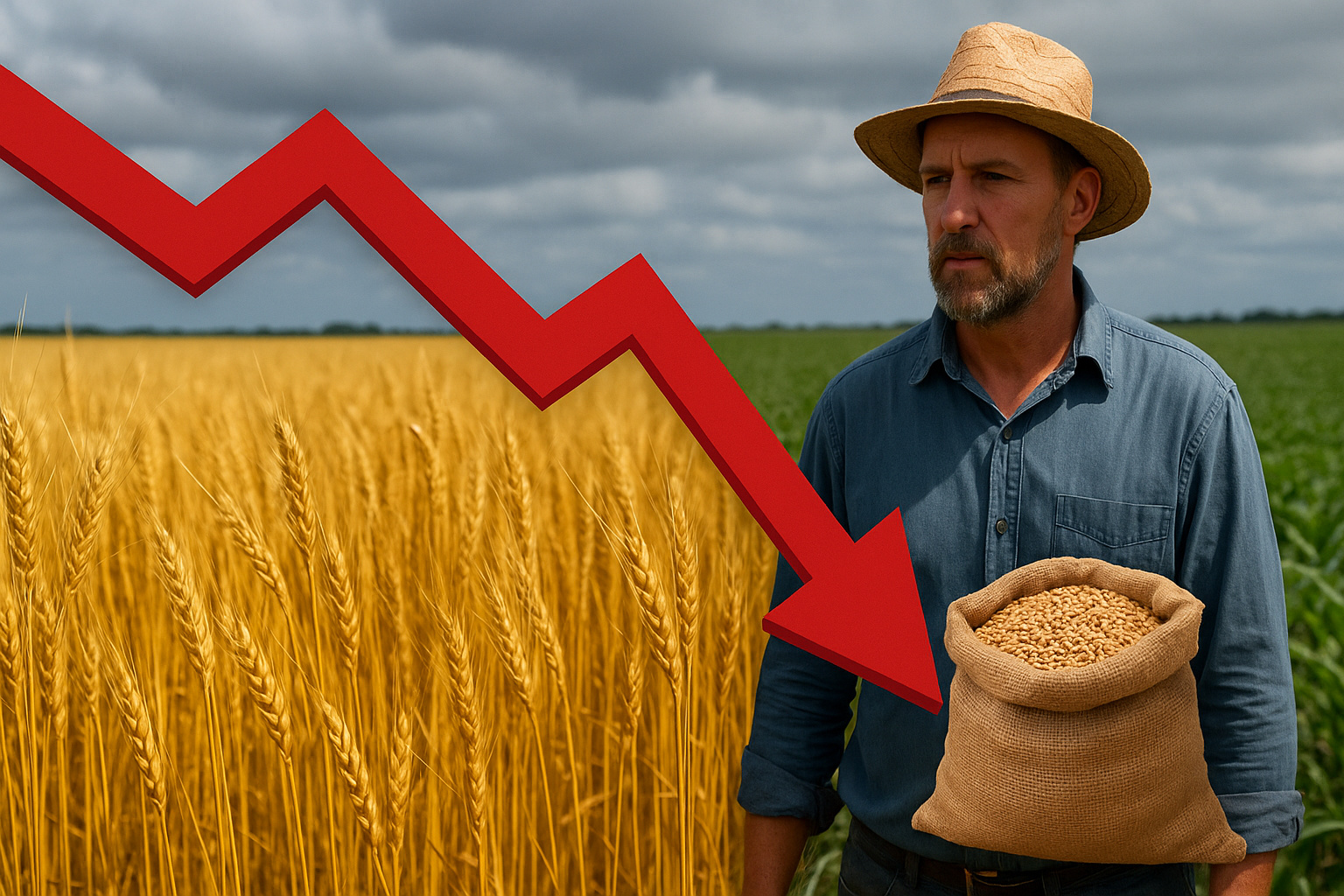
Imported Wheat Hits Lowest Price Since 2020 and Raises Alert in Agriculture. Competitiveness Grows and Pressures National Producers.
Imported Wheat Hits Lowest Price in Four Years and Challenges Brazilian Producers
The Brazilian agribusiness faces a new challenge in 2025: the price of imported wheat has dropped to the lowest level since November 2020, intensifying competition with the national crop and putting pressure on the domestic market.
According to data from Secex, analyzed by Cepea (Center for Advanced Studies in Applied Economics), the cereal purchased from abroad reached an average of US$ 230.09 per ton in September, equivalent to R$ 1,235.12/t, considering the average exchange rate of R$ 5.368.
Meanwhile, the national wheat recorded, in the same month, an average of R$ 1,259.39/t in Rio Grande do Sul, according to a survey by Cepea. The difference emphasizes the greater competitiveness of the imported product and concerns Brazilian producers, who face increasingly narrower margins.
-
The sugar-energy sector advances with agricultural technology, but agricultural productivity still raises concerns.

-
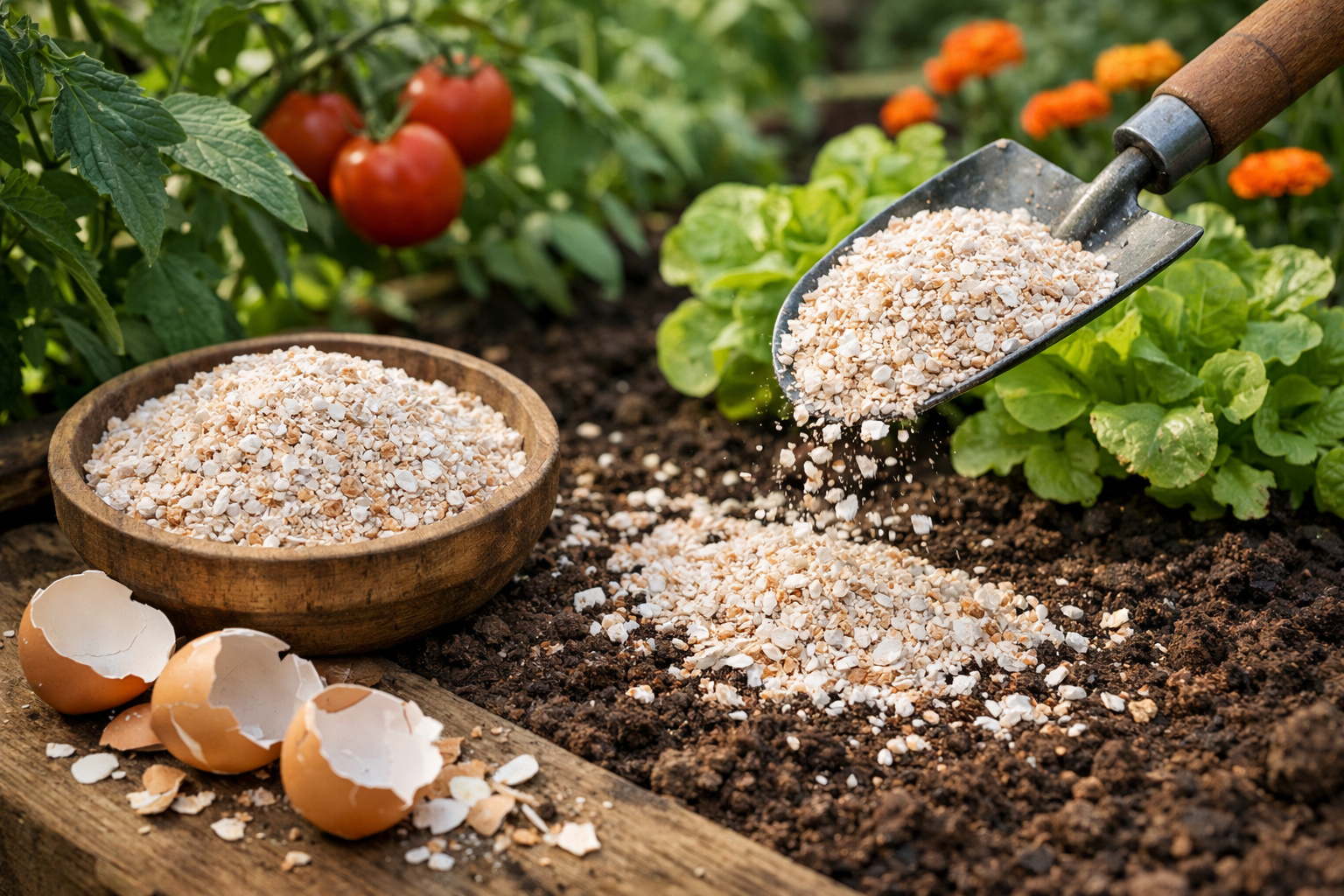
The eggshell that almost everyone throws away is made up of about 95% calcium carbonate and can help enrich the soil when crushed, slowly releasing nutrients and being reused in home gardens and vegetable patches.
-
This farm in the United States does not use sunlight, does not use soil, and produces 500 times more food per square meter than traditional agriculture: the secret lies in 42,000 LEDs, hydroponics, and a system that recycles even the heat from the lamps.

-
The water that almost everyone throws away after cooking potatoes carries nutrients released during the preparation and can be reused to help in the development of plants when used correctly at the base of gardens and pots, at no additional cost and without changing the routine.

Wheat Imports Soar and Reach Highest Volume Since 2007
According to Secex, Brazil imported 568,98 thousand tons of wheat just in September, accumulating 5.249 million tons in the first nine months of the year.
This is the highest volume for the period since 2007, demonstrating the country’s strong dependence on the external market to meet domestic demand.
Furthermore, the international scenario shows a large supply of the cereal, especially from Argentina and Russia, which has contributed to the fall in prices.
Consequently, Brazilian mills prefer to import the product, taking advantage of the favorable exchange rate and global availability.
Domestic Market on Alert: Pressured Prices and Slow Negotiations
In the domestic market, the impact is immediate. The pressure on national wheat prices is likely to increase, making commercialization more difficult and reducing producers’ profitability.
Meanwhile, the food industry temporarily benefits from the reduced costs of raw materials.
However, experts warn that this dependence on imports may create future instability if the exchange rate changes or external supply diminishes.
Therefore, the Brazilian agribusiness needs to balance competitiveness and sustainability to avoid compromising the production chain.
Cheaper Wheat, But Risks for National Producers
Although the drop in the price of imported wheat may seem positive at first glance, the effects on the national agribusiness can be devastating.
The trend of declining internal prices discourages planting and jeopardizes investment in technology and productivity.
Moreover, with the increase in imports, the country becomes more vulnerable to fluctuations in the global market, which threatens self-sufficiency and price stability in the long term.
On the other hand, consumers may feel temporary relief in the prices of derived products, such as flours and pastas.
However, this effect tends to be limited if the depreciation of the real again makes foreign purchases more expensive.
Prospects for Agribusiness
The domestic market will remain attentive in the coming months, especially regarding the national harvest and exchange conditions. If the price of imported wheat continues to decline, the competitiveness of Brazilian agribusiness will be put to the test.
Therefore, producers, industries, and authorities in the sector will need to work together to mitigate impacts and ensure a balance between imports and local production.










Seja o primeiro a reagir!