





 English
  Francês
  Alemão
  Italiano
  Japonês
  Norueguês
  Portuguese
  Spanish
  3 min of reading



Aware of the Importance of Diesel and Gasoline for Brazilian Society, Petrobras Seeks to Avoid Passing on the Volatility of the International Market and the Exchange Rate.
Petrobras, the largest oil producer in Brazil, announced a significant reduction in diesel and gasoline prices. Starting tomorrow (5/17), the company will reduce the average selling price of diesel A by R$ 0.44 per liter, from R$ 3.46 to R$ 3.02 per liter. Meanwhile, the average selling price of gasoline A will be reduced by R$ 0.40 per liter, from R$ 3.18 to R$ 2.78 per liter.
Impact on the Consumer’s Pocket and Factors Influencing the Final Price
This price reduction promoted by Petrobras will have direct implications for the consumer’s pocket. To better understand, it’s important to consider the composition of the fuels sold at gas stations. In the case of diesel S10, for example, which is composed of 88% diesel A and 12% biodiesel, Petrobras’ share in the final price to the consumer will be, on average, R$ 2.69 per liter. Taking into account the shares of other agents involved, according to data from the National Agency of Petroleum, Natural Gas and Biofuels (ANP) for the period from May 7 to 13, the average price to the final consumer could reach R$ 5.18 per liter of diesel S10.
In the case of regular gasoline, which is composed of 73% gasoline A and 27% anhydrous ethanol, Petrobras’ share in the final price to the consumer will be, on average, R$ 2.03 per liter. Considering the shares of other involved agents, according to ANP data, the average price to the final consumer could reach R$ 5.20 per liter.
-
Chinese giant worth nearly R$ 4 billion that manufactures cables for electric cars, solar energy, and robotics wants to open a factory in SC.

-
Many employers do not know, but the law guarantees domestic workers a 25% increase in salary during trips, 50% for overtime, 20% for night shifts, and 17 additional benefits that can lead to labor lawsuits if not paid.

-
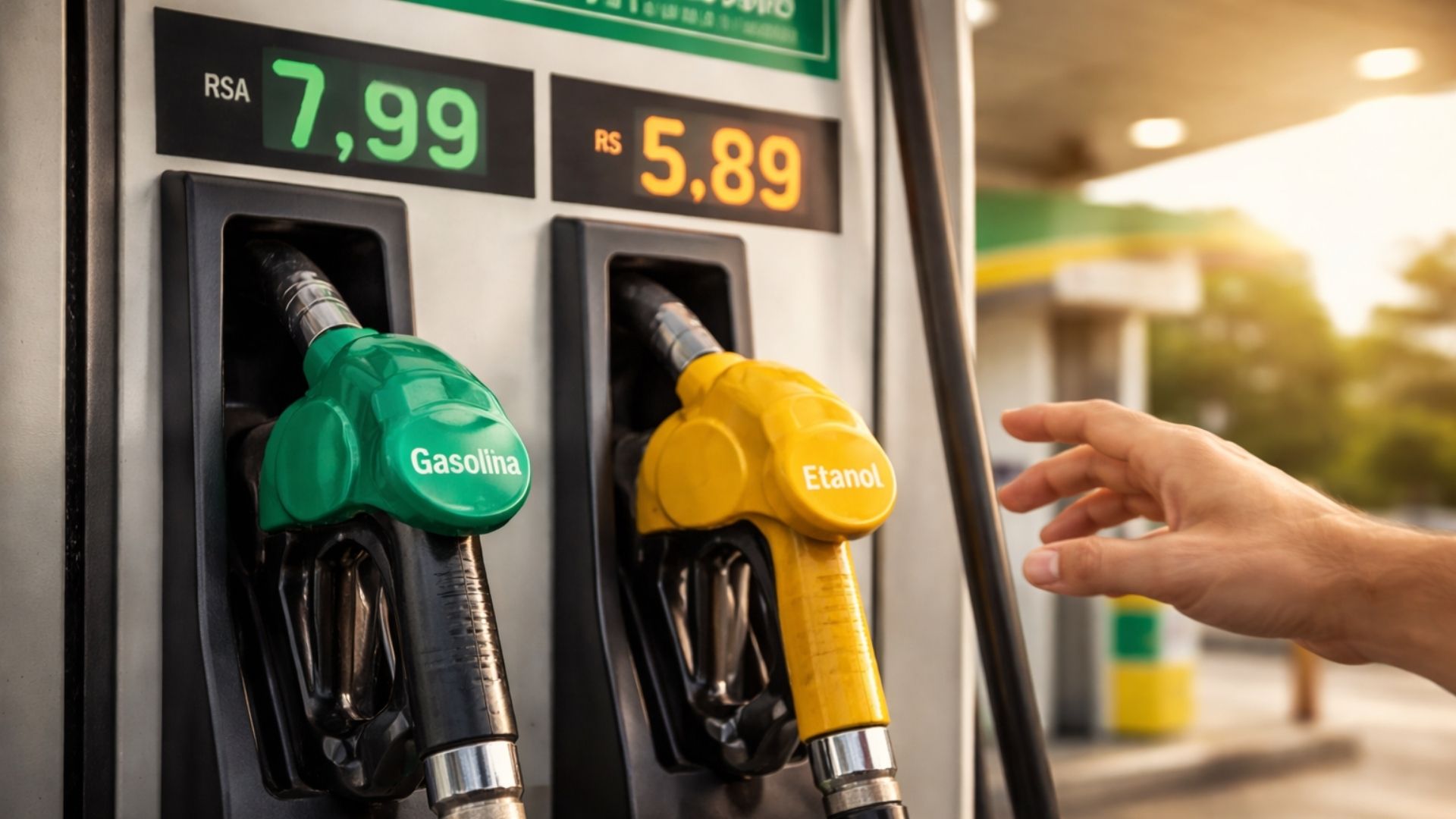
Gasoline prices soar and the question arises: is ethanol more advantageous? The 70% rule reveals the limit with gasoline.
-
The government has made a decision and is starting a test with more ethanol in gasoline, anticipating a mixture of up to 35%, diesel with 25% biodiesel, and a study to assess the impacts on engines.
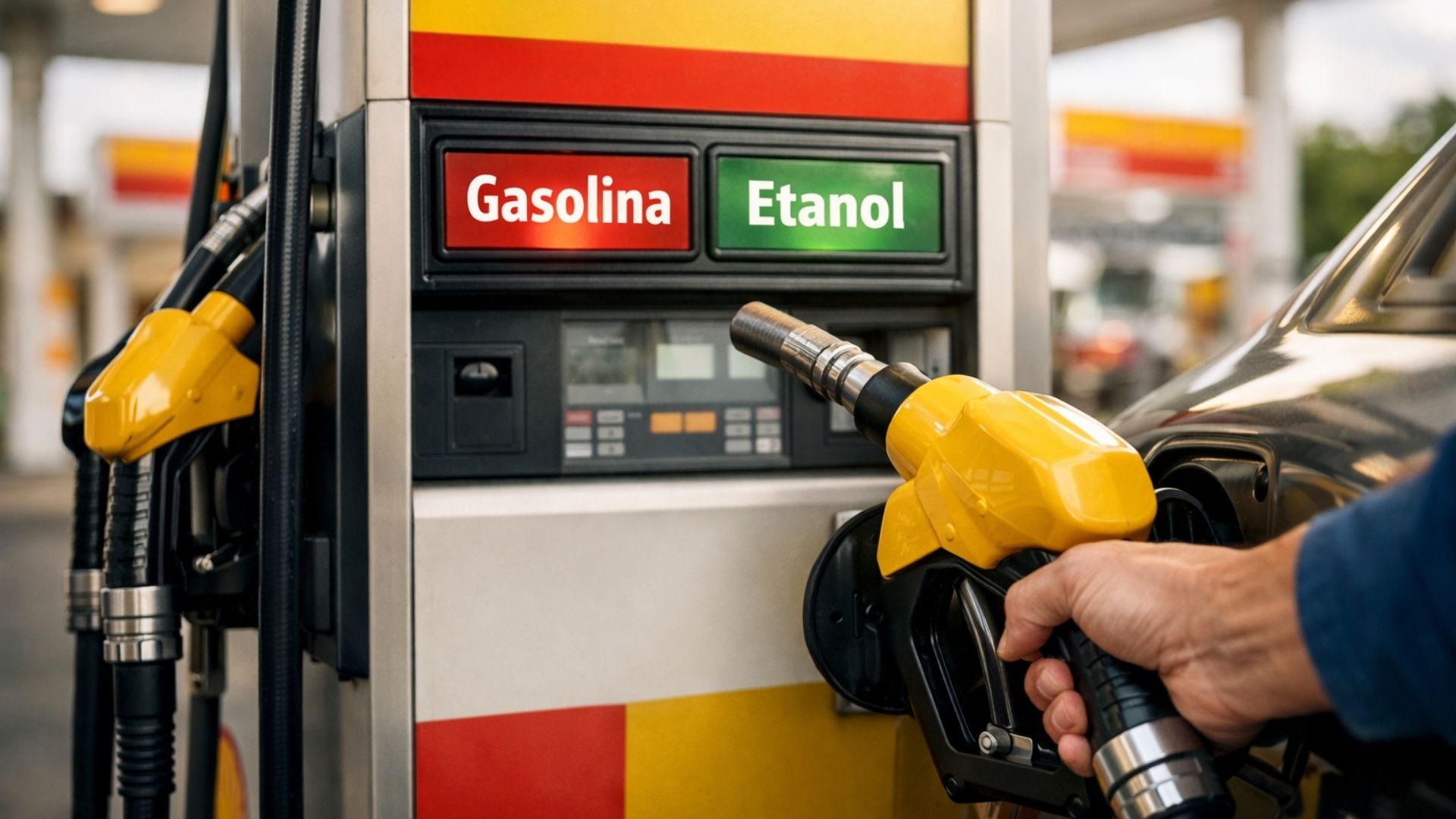

It’s worth noting that the price effectively charged at the gas station to the final consumer is also affected by other factors, such as taxes, the blend of biofuels, and the profit margins of distribution and resale. The reduction promoted by Petrobras primarily aims to maintain competitiveness against the main supply alternatives and the necessary market share for the optimization of refining assets in balance with national and international markets.
How Does Petrobras Determine Its Prices? – Influence of the International Market and the Exchange Rate
Petrobras, aware of the importance of its products for Brazilian society, seeks to avoid passing on the cyclical volatility of the international market and the exchange rate. This is done with the aim of preserving a competitive environment in accordance with current legislation.
The price of fuels in Brazil is influenced by several factors, including the price of oil in the international market, the exchange rate, transportation and storage costs, federal and state taxes, and the mandatory blend of biofuels.
Petrobras adjusts its prices at refineries based on market variations, without a defined periodicity. It is worth noting that the Brazilian state-owned company is the main producer and refiner of oil and derivatives in Brazil, but it is not the only one. It operates in a regime of free competition with other national and foreign companies that import and market fuels in the country.
To determine its selling prices at refineries, Petrobras follows a import parity policy (PPI), which considers the price of oil in the international market, the exchange rate, transportation costs, and customs taxes. The PPI aims to ensure that Petrobras’ prices are competitive with those of importers and that the company does not incur losses or subsidize the internal market.
Trusted Source and Transparency
Transparency is fundamental for Petrobras, and the company seeks to contribute to a better understanding of society regarding fuel prices. To this end, the company provides on its website information about its share and that of other agents in the formation and composition of average fuel prices to consumers.










Seja o primeiro a reagir!