





 Portuguese
  English
  Spanish
  3 min of reading
  0 comments


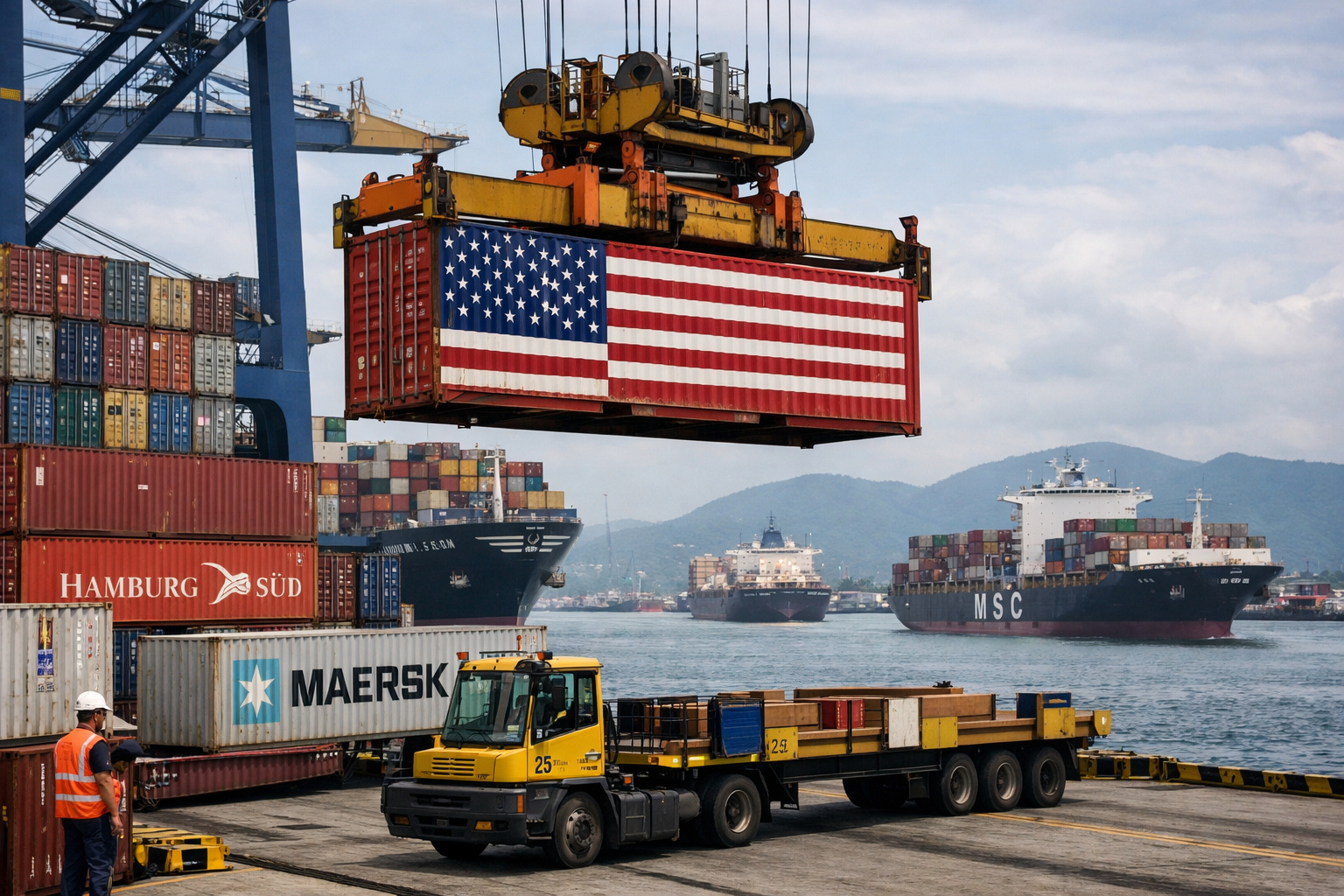
Decision Eliminates Tariffs of Up to 40% and Strengthens Brazil’s Competitiveness in the United States
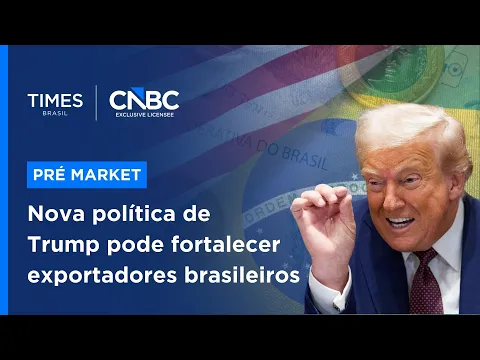
The United States Supreme Court annulled the reciprocal tariffs imposed by President Donald Trump. As a result, it opened the way for the release of approximately US$ 15 billion in Brazilian exports to the American market.
The decision directly impacts Brazil’s foreign trade. This is because it removes tariffs that were still levied on billions of dollars in domestic products. Additionally, it improves the competitiveness of strategic sectors.
According to 2024 data analyzed by the economic team, about US$ 15 billion in external sales will no longer face additional tariffs. The measure represents a significant relief for Brazilian exporters.
-
If the USA were to go to war with Brazil, Washington’s greatest fear would not be the attack itself, but facing a vast territory, prolonged resistance, and a costly, chaotic, and unpredictable occupation.
-
In 2013, Nicaragua sold the concession for a canal to rival Panama to a Chinese billionaire who lost 85% of his fortune, disappeared, and was declared bankrupt. Now the project resurfaces with a new route, a new Chinese partner, and a cost of $64.5 billion.

-
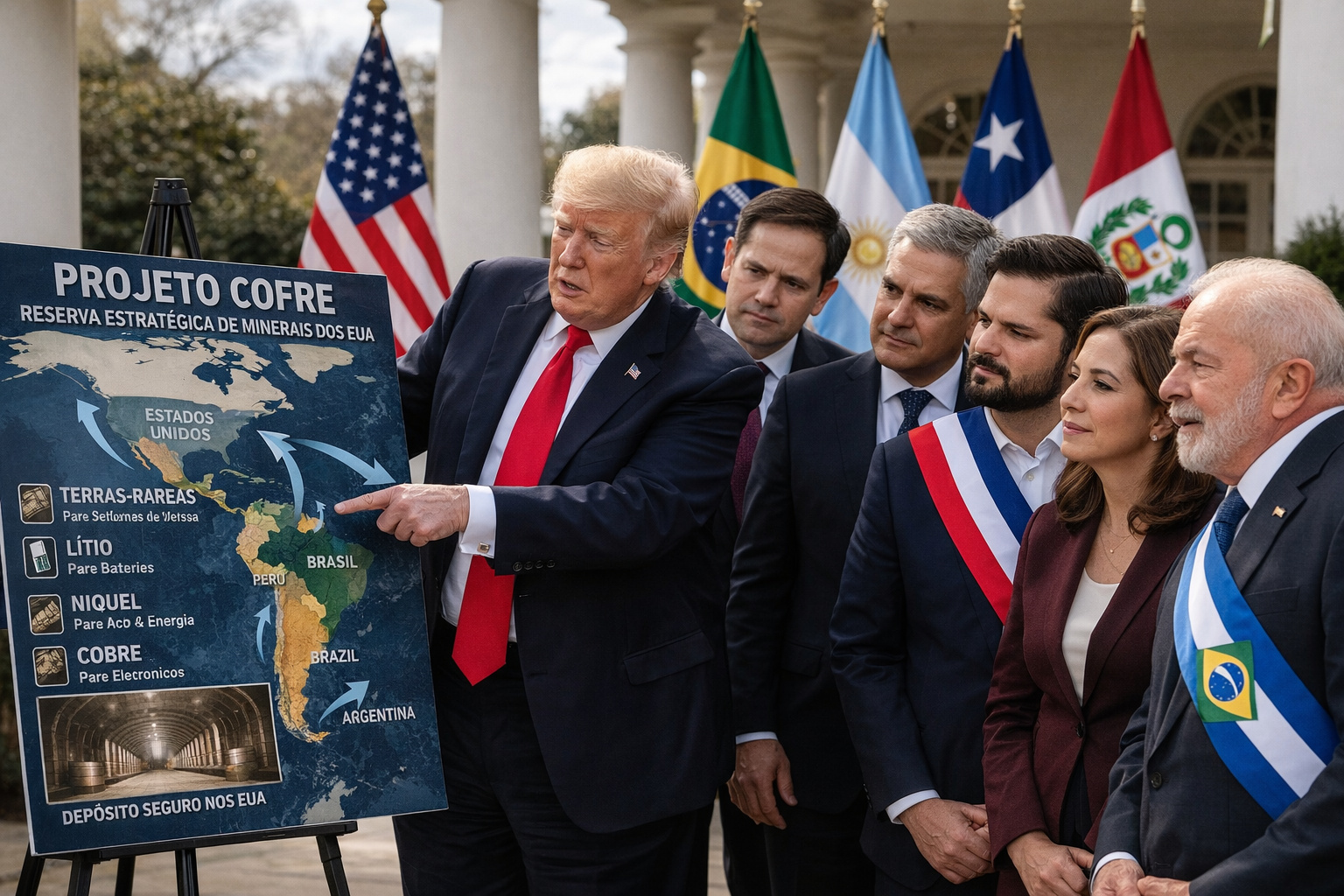
The USA announces a mysterious billion-dollar vault project to store critical minerals, but what intrigues experts is not just the plan itself, but why Latin America, including Brazil, has entered the center of this global dispute against China.
-
Trump Announces Bombing of U.S. Military Targets on Iranian Island Responsible for About 90% of Iran’s Oil Exports, Warns of Further Attacks if Navigation in Strategic Strait of Hormuz Is Threatened

The information was disclosed by “Valor Econômico,” which detailed the estimates made by economic area technicians after the Supreme Court ruling on the United States.
Brazilian Products No Longer Pay Extra Rates of 40% and 10%
Of the total US$ 15 billion affected, 22% of exports — equivalent to US$ 9 billion — were still paying an additional rate of 40%. This charge affected sugar, footwear, clothing, furniture, machinery, and equipment.
Now, these sectors can compete without the 40% surcharge. Consequently, they gain margin and predictability. Additionally, they expand their capacity to close contracts with U.S. importers.
Another group, corresponding to 15% of external sales — about US$ 6 billion — faced an additional 10% tariff that was applied in April. The ruling also eliminates this charge.
Therefore, Brazil no longer suffers from 40% tariffs on US$ 9 billion and 10% on US$ 6 billion. Together, these measures affected US$ 15 billion in exports.
This move could boost commercial flow in 2026. Furthermore, it strengthens the finances of exporting companies. Consequently, it could generate more investments and jobs.
Section 301 May Still Reopen Trade Dispute

Despite the positive scenario, the economic team remains cautious. This is because the United States government may resort to Section 301.
Section 301 is part of the U.S. Trade Act of 1974. It authorizes the Office of the United States Trade Representative (USTR) to investigate practices deemed harmful to American trade.
This instrument has already been used in investigations involving Brazil. Currently, investigations are analyzing the Pix payment system, the sale of counterfeit products in places like Rua 25 de Março, and allegations about restrictions on American social networks.
Even so, Brazilian technicians considered the Supreme Court’s decision probable. Therefore, the ruling confirms an existing expectation in the market.
Additionally, the elimination of tariffs creates space for diplomatic negotiations. The Brazilian government can use this window to reduce the risk of new trade barriers.
In a competitive global scenario, every percentage point of tariff matters. Therefore, eliminating rates of 40% and 10% on US$ 15 billion in exports represents a strategic advance.
If Brazil knows how to take advantage of the moment, it could consolidate gains in bilateral trade with the United States.
If Brazil knows how to take advantage of the moment, it could consolidate gains in bilateral trade with the United States.










Seja o primeiro a reagir!