





 Português
  Inglês
  Espanhol
  3 min de leitura
  0 comentários


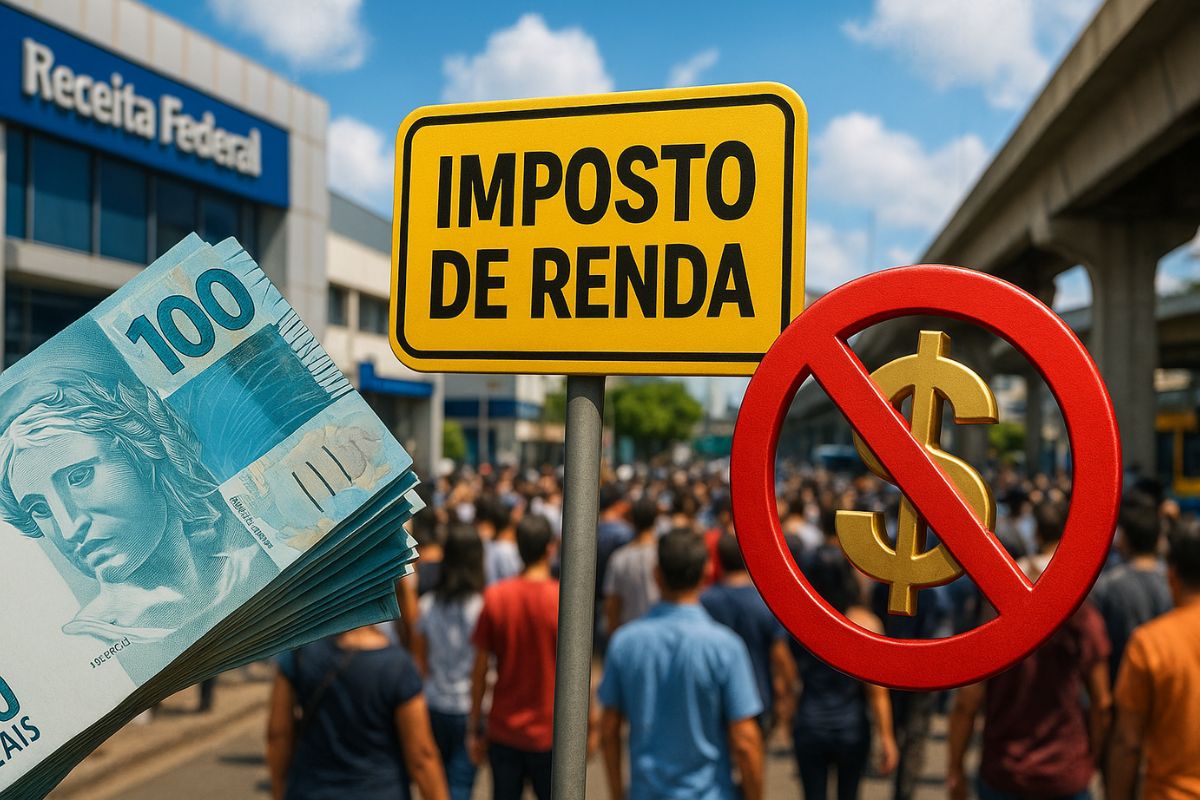
New Rule Creates Two Distinct Income Tax Regimes: Workers Earning Up to R$ 7,350 Will Have Reduction or Exemption, While Higher Incomes Remain Subject to the Full Table with a Maximum Rate of 27.5%.
The Chamber of Deputies unanimously approved the project that expands the income tax exemption bracket for those earning up to R$ 5,000 monthly and gradually reduces the tax burden up to R$ 7,350. The measure is expected to benefit about 16 million Brazilians, including those completely exempt and partially relieved.
However, those earning above this amount, such as those making R$ 10,000 monthly, will be excluded from the relief and will continue to be subject to the current progressive table, with a maximum rate of 27.5%. According to O Globo, this practical division introduces two distinct taxation systems in the country, with different impacts for each income bracket.
What Changes with the New Rule
The project alters the way income tax is calculated only for salaries up to R$ 7,350.
-
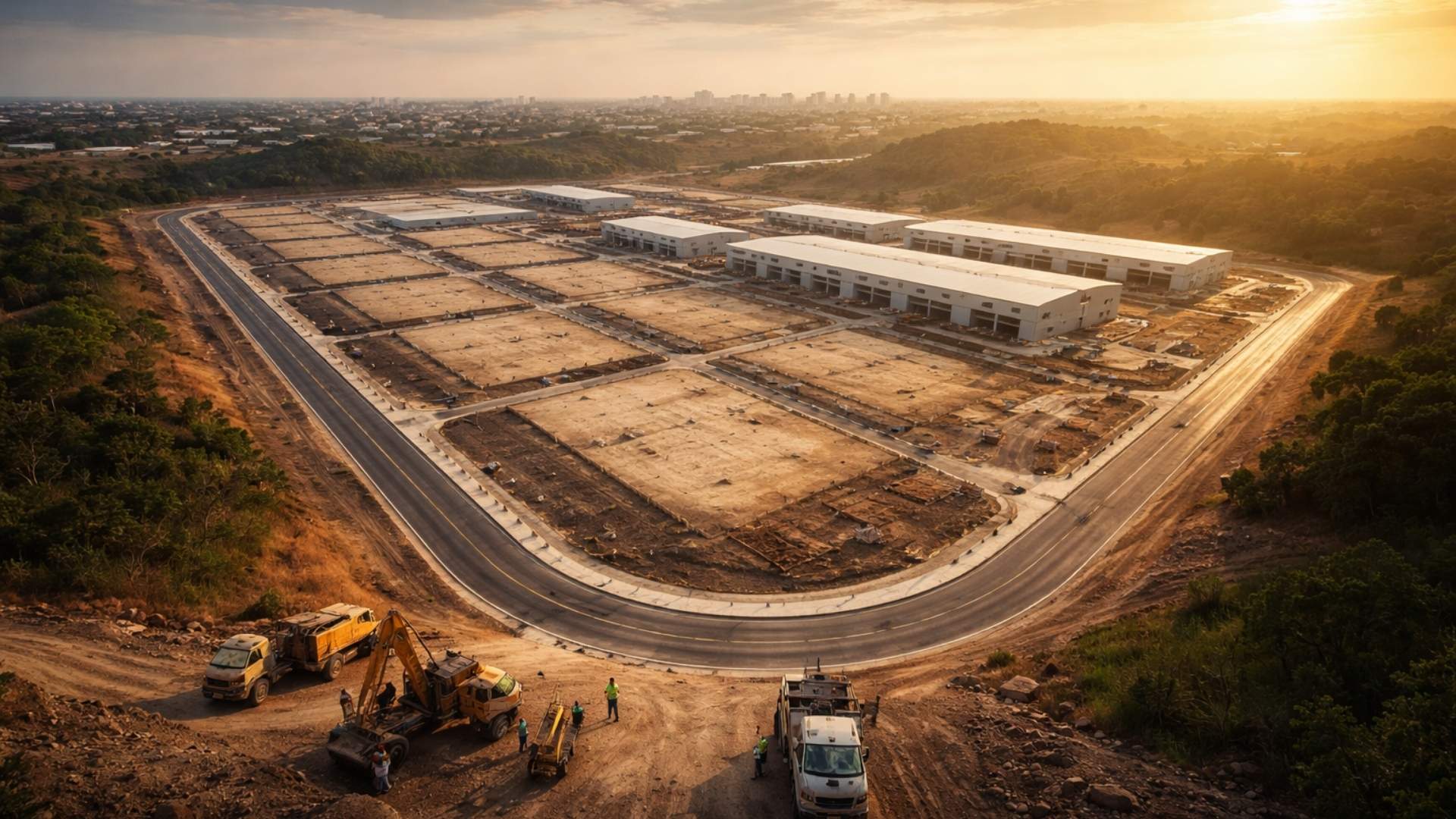
Brazilian city gains industrial hub for 85 companies that is equivalent to 55 football fields.

-
Peugeot and Citroën factory in Argentina cuts production by half and opens a layoff program for more than 2,000 employees after Brazil drastically reduced purchases of Argentine vehicles.

-
A Brazilian city gains a factory worth R$ 300 million with the capacity to process 200 thousand tons of wheat per year, a mill of 660 tons/day, silos for 42 thousand tons, and an industrial area of 276 thousand m².

-
Havan will leave the shopping mall in Blumenau to inaugurate something that the chain has never done before: a megastore in half-timbered style in the Historic Center of the city, which is expected to be completed in May and change the landscape of local retail.


In these brackets, the taxpayer will have gradual discounts that significantly reduce the tax due, in addition to a total exemption for those earning up to R$ 5,000.
Those earning above this threshold will continue to be taxed by the traditional table. The last bracket implies a charge of 27.5% on earnings exceeding R$ 4,664.68, meaning that for salaries like R$ 10,000, there will be no tax relief.
This creates the sensation that the system creates a sharp barrier, rewarding only part of the middle class.
Two Parallel Systems: One Lighter, One Unchanged
In practice, the legislation creates two parallel regimes. For incomes up to R$ 7,350, there will be a simplified system, with expanded exemptions and lighter rates.
For salaries above this limit, the tax charge remains unchanged, maintaining the logic of the progressive table in effect since before the reform.
Experts point out that this division could exacerbate inequalities among taxpayers close to distinct brackets. For instance, someone earning R$ 7,300 will have a significant reduction in the tax to be paid.
On the other hand, someone earning R$ 7,400, nearly the same amount, returns to the heavier regime, without the right to the extra discount.
Impact on Finances and the Labor Market
According to the Executive, the measure should exempt 10 million Brazilians and reduce the burden on another 6 million, totaling 16 million beneficiaries.
To compensate for the loss in revenue, the government plans to increase taxes on the wealthiest, especially those earning more than R$ 600,000 per year (equivalent to R$ 50,000 per month).
However, for the so-called upper middle class, represented by freelance professionals, executives, and civil servants earning around R$ 10,000, there will be no reduction.
This group will continue to bear the full taxation burden, facing no smooth transition, which may generate political pressure for additional adjustments.
Criticisms and Challenges to Implementation
O Globo highlights that the proposal was celebrated as a fulfilled campaign promise by the government, but experts are already warning of the complexity of managing two tax systems within the same tax.
Moreover, there are criticisms about the lack of progressivity above R$ 7,350, which may fuel the perception of unfairness among nearby income brackets.
Another sensitive point is fiscal sustainability: while expanding exemptions, the government needs to compensate for the loss in revenue.
The reliance on taxing very high incomes may provoke political resistance and judicial disputes, leaving open whether the balance will be sufficient.
The relief in income tax provides a concrete benefit for millions of workers but also creates a clear dividing line: those above R$ 7,350 monthly will continue to bear the same burden, without any extra discount.
For some, this is tax justice; for others, it is a new source of fiscal inequality.
And you, do you think it’s fair that someone earning R$ 10,000 is excluded from the income tax relief? Or should the government adopt a smoother transition to avoid this division among taxpayers?
Share your thoughts in the comments; your perspective could enrich this debate.









-

-

-

4 pessoas reagiram a isso.