





 Portuguese
  English
  Spanish
  3 min of reading
  0 comments


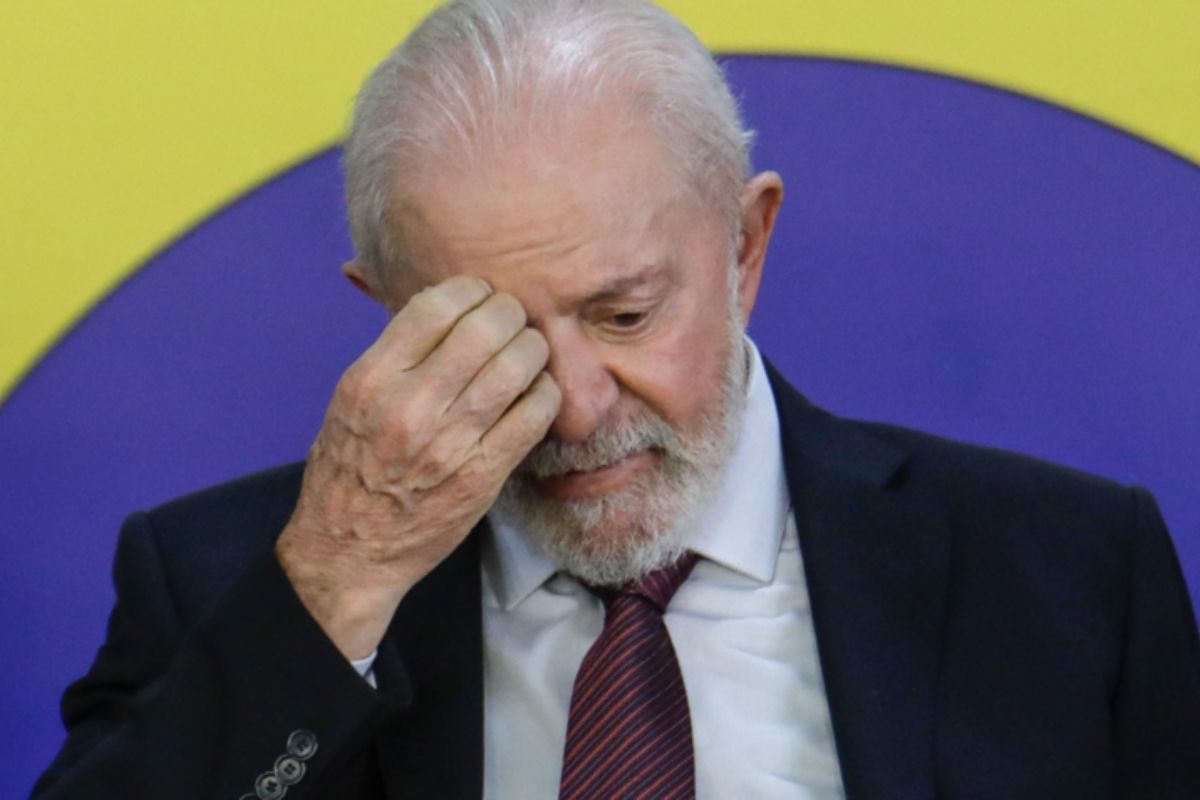
After President Lula Calls For More Regulation Over Gas Stations, An Analysis Of ANP Data Reveals The Complex Composition Of Fuel Prices, Where Taxes And Margins Represent Almost Two-Thirds Of The Final Value.
In a statement that resonated nationwide, President Luiz Inácio Lula da Silva demanded stricter regulation over gas stations, stating that “the one paying the price is the consumer” due to the difference between the refinery price and the final value at the pump. The remarks, made on July 4, 2025, highlighted the complex pricing chain of fuels in Brazil.
According to an article published by the newspaper O Tempo, the president’s demand reflects a government suspicion that the price reductions made by Petrobras do not reach consumers to the same extent. However, the analysis of the components of gasoline pricing shows that the issue involves multiple factors, from high tax burdens to profit margins throughout the distribution chain.
What Motivated The President’s Remarks In July 2025?
Lula’s statement reflects a government concern about the impact of fuel inflation on the pockets of Brazilians. The call for more regulation by the National Agency of Petroleum (ANP) and other consumer protection bodies suggests a suspicion that there may be abusive profit margins between the refinery and the pump.
-
Former president of IBP highlights that dependence on diesel imports pressures prices in Brazil, increases vulnerability to global crises, and underscores the need for more robust and sustainable energy policies.
-
Middle East War Drives Up Oil Prices, And Petrobras Increases Diesel: Fuel Reaches R$ 3.65 Per Liter At Distributors
-
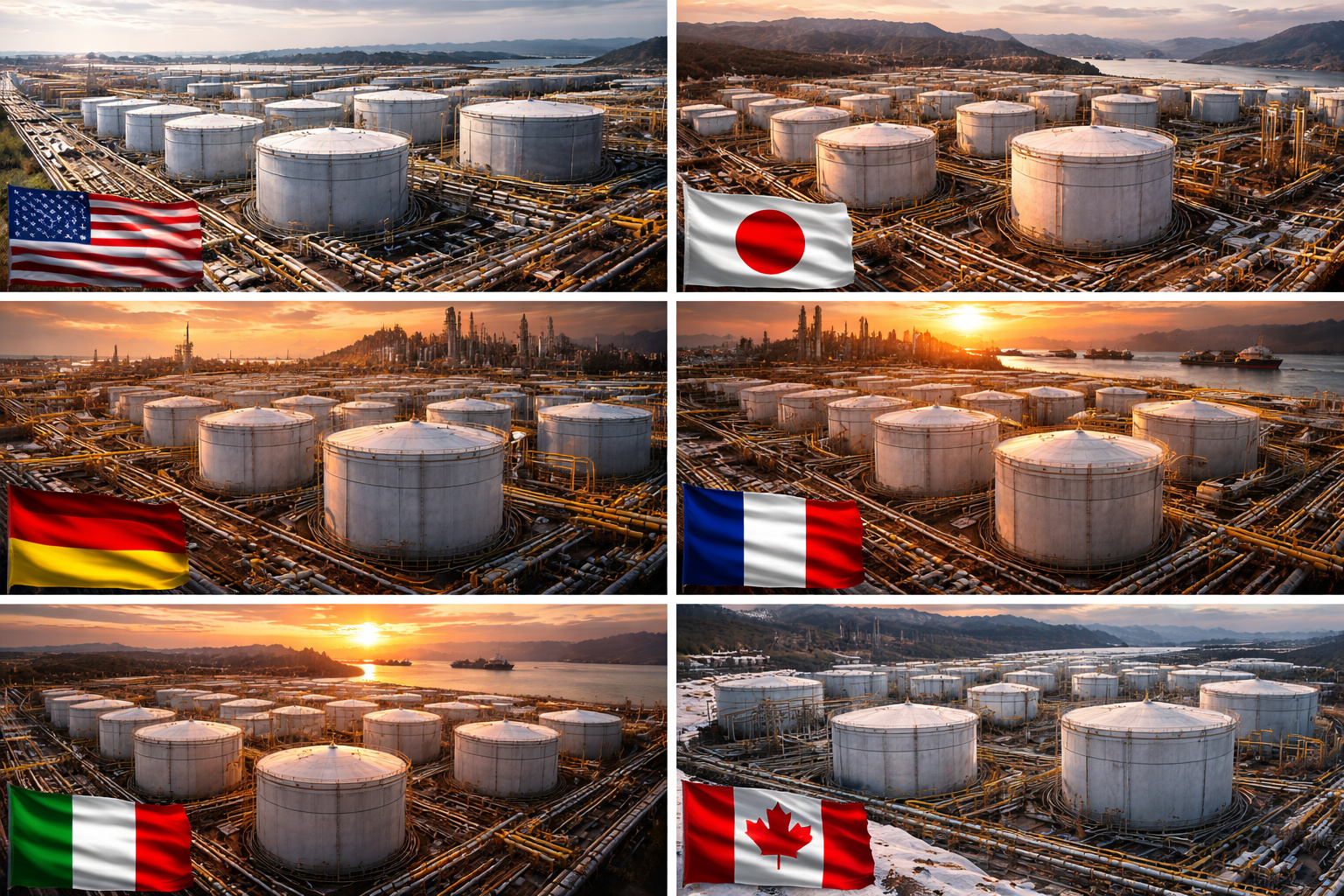
Oil Soars to Nearly $120, Middle East Tensions Shake Global Market, and a Little-Known Detail Returns to Energy Debate: The Gigantic Strategic Reserves Hidden by G7 Countries — See How Many Millions of Barrels Each Nation Holds in Reserve to Face a Global Crisis
-
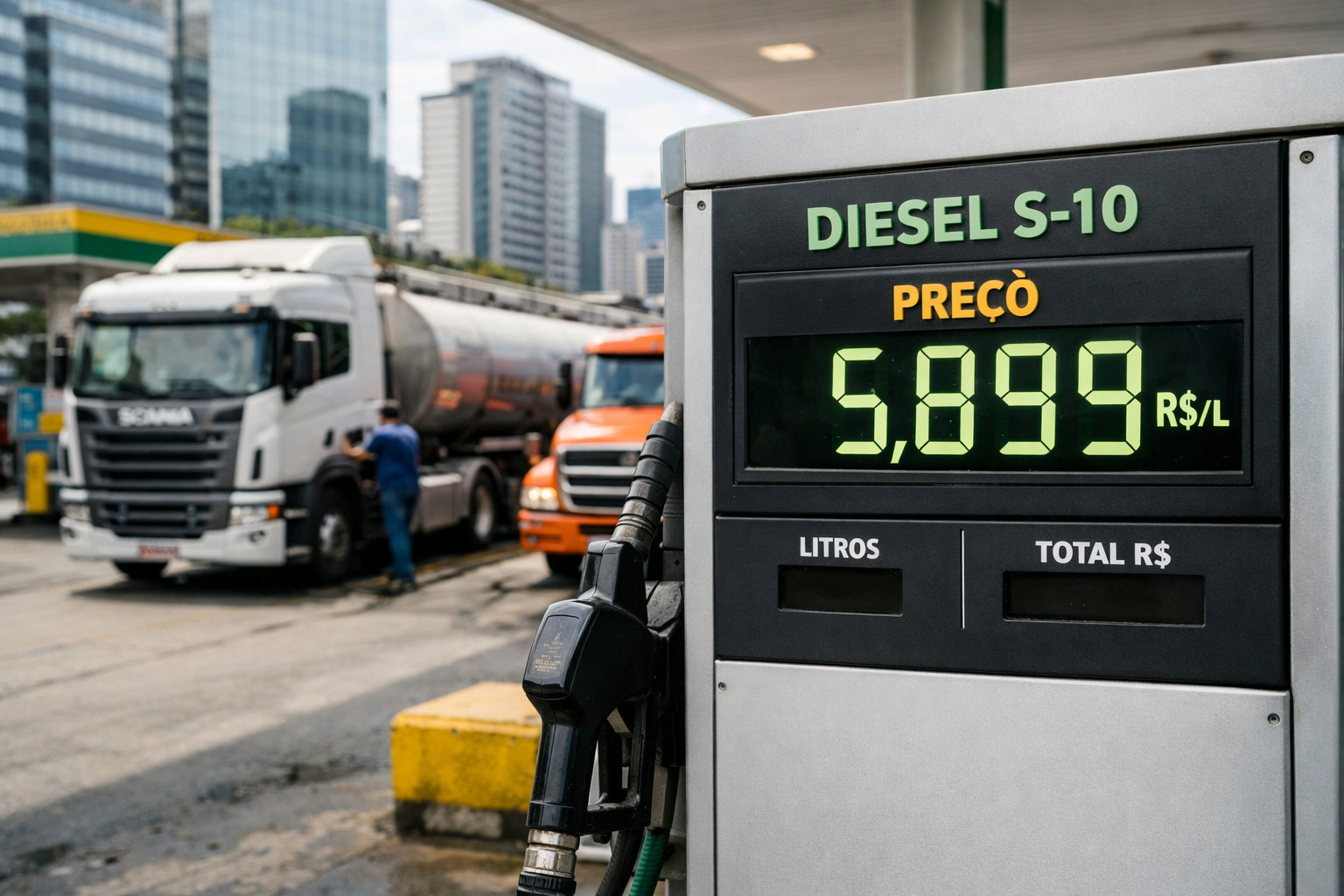
Gasoline And Diesel May Change Course In Brazil: International Oil Pressure Renews Debate On Prices And Direct Impact On Drivers’ Wallets
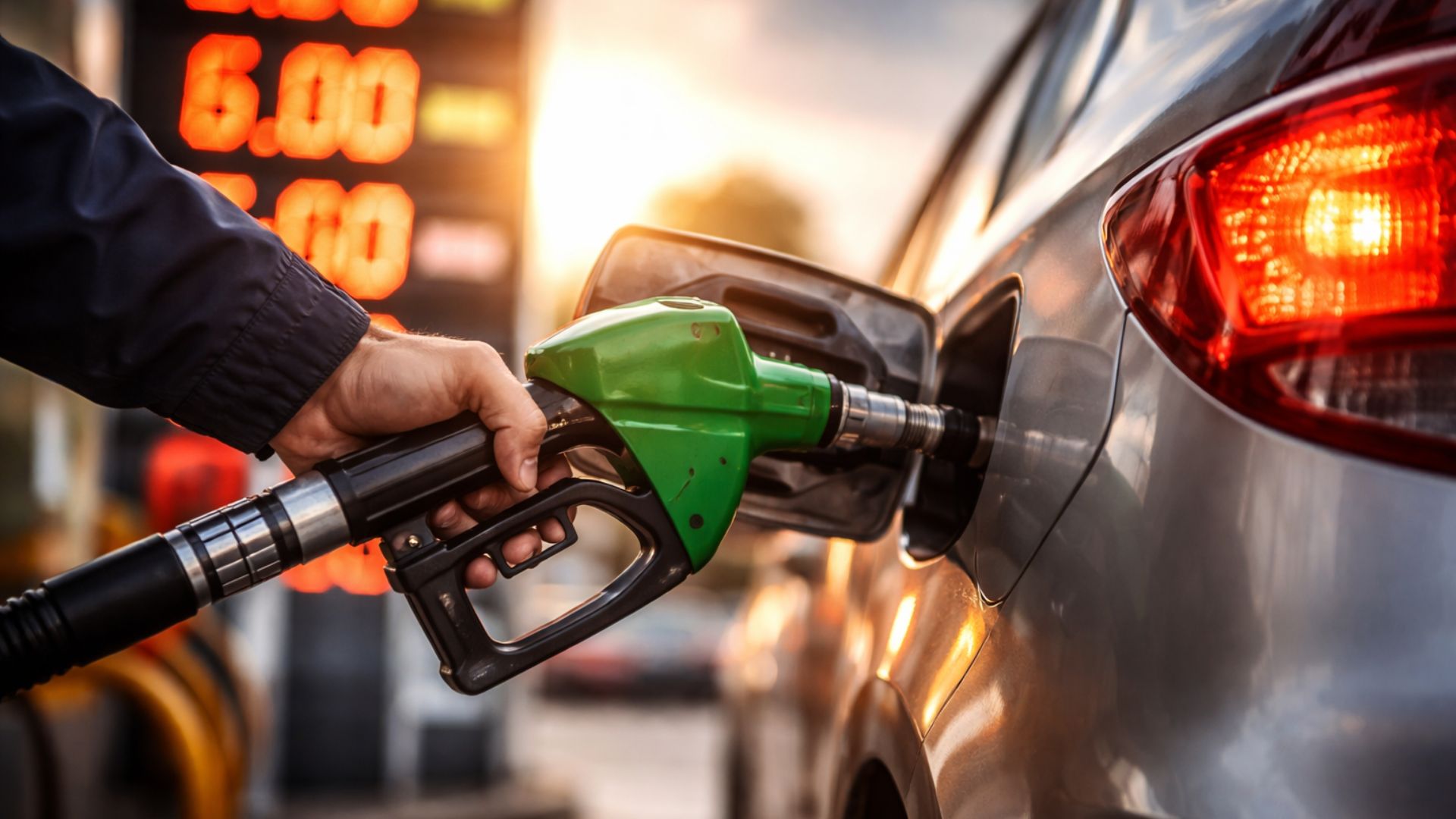

The Anatomy Of Gasoline Pricing: From Refinery To Pump
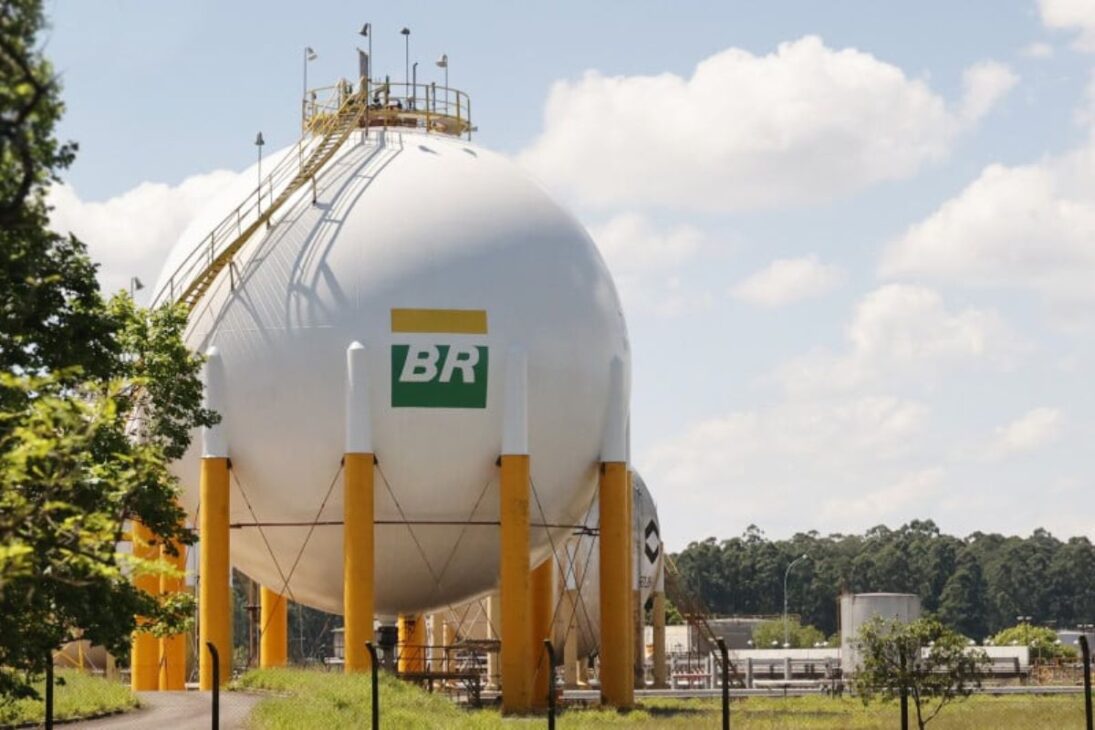
To understand the controversy, it is essential to know who takes each part of the value that you pay at the gas station. Based on the most recent data from ANP (referring to the first week of July 2025), the composition of the average price of regular gasoline is as follows:
- 35% – Petrobras Realization: This is the portion that remunerates Petrobras for the production of gasoline.
- 32% – Taxes: This is one of the largest weights on the price. About 20% comes from ICMS (state tax) and 12% comes from federal taxes (CIDE, PIS/Pasep, and Cofins).
- 13% – Cost of Anhydrous Ethanol: By law, gasoline sold in Brazil is mixed with 27.5% of anhydrous ethanol.
- 20% – Distribution and Resale: This is the gross margin that remunerates distributing companies and gas stations, covering their operating costs, logistics, and profit.
What Is The Role Of ANP? Regulate Quality, But Not Control Prices
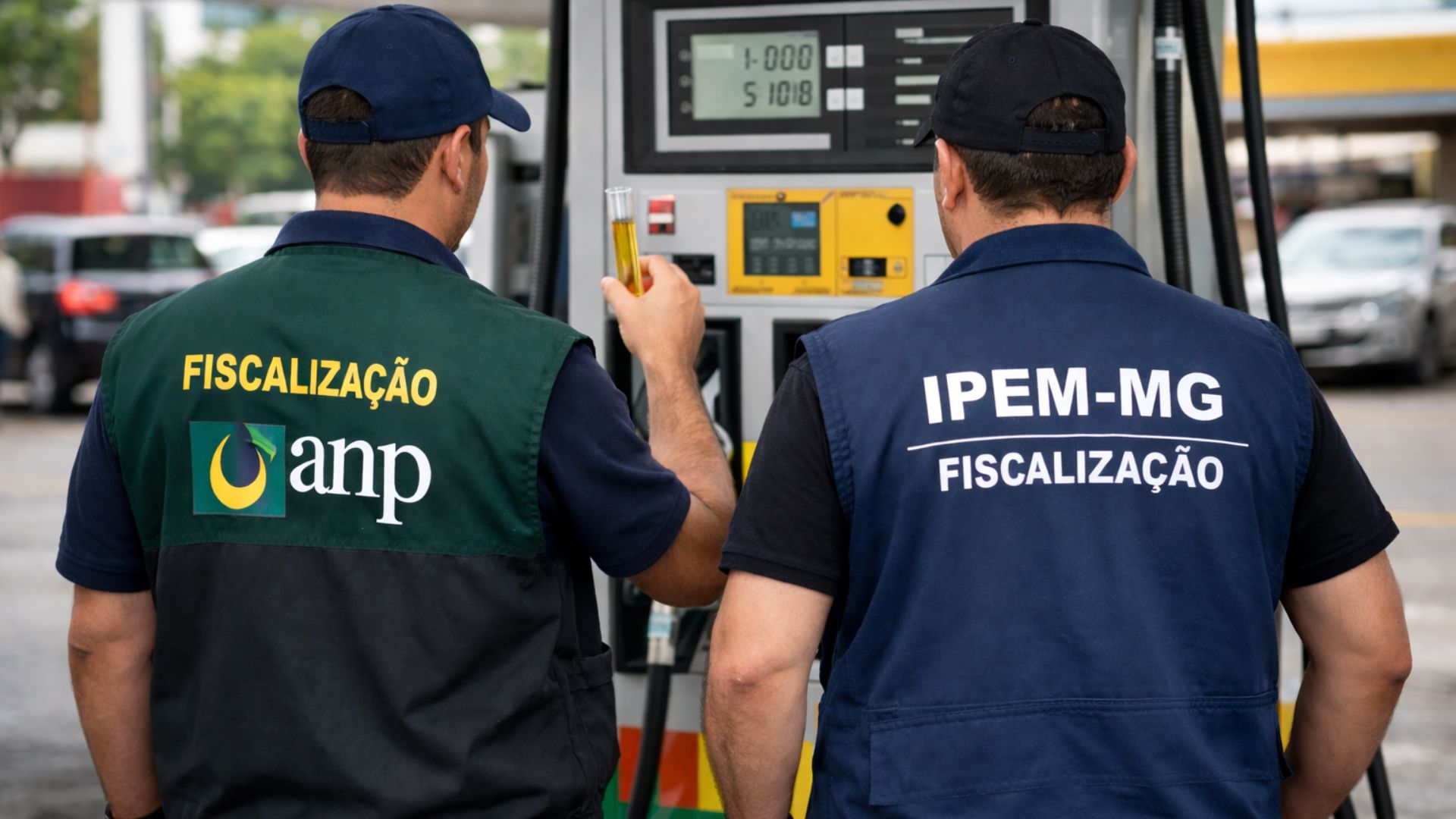
The National Agency of Petroleum, Natural Gas, and Biofuels (ANP) is the body that regulates the sector. Its main function is to regulate the quality of fuels and the compliance of pumps to prevent consumer harm.
However, the ANP does not have the power to set or control sale prices. Since 2002, fuel prices have been free in Brazil, determined by market dynamics.
The Sector Response: What Do Gas Station Owners Say?
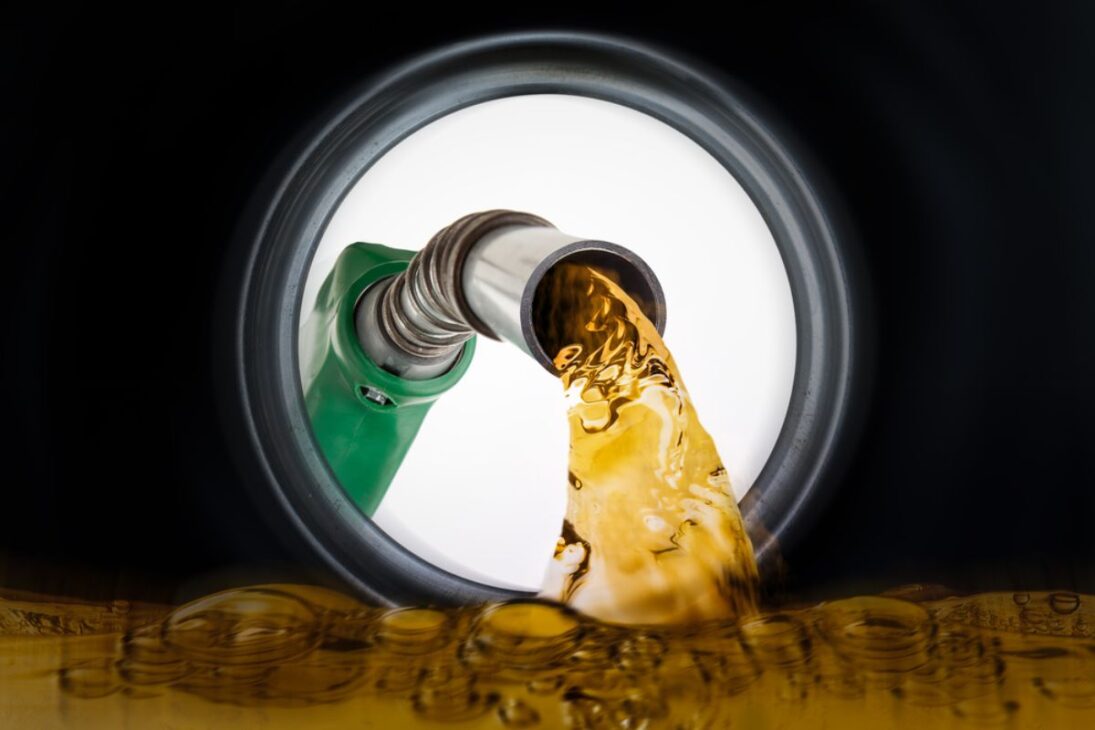
After the president’s remarks, entities such as Fecombustíveis (National Federation of Fuel and Lubricants Commerce) expressed their views. The resale sector argues that their profit margins are squeezed and that the greatest pressure on the final price comes from the high tax burden.
For gas station owners, competition among the more than 40,000 establishments in the country already forces margins down, and the real villain of high prices is taxes.
A Complex Price With Multiple Culprits
The analysis of the data shows that the formation of gasoline prices is complex and does not have a single culprit. Petrobras’s share represents just over a third of the final value, while taxes combined have a weight almost equivalent.
The margins of gas stations and distributors also compose a significant portion, but the discussion about whether it is fair or abusive is the central point of the debate that President Lula’s remarks have brought back to the forefront.









Seja o primeiro a reagir!