





 English
  Francês
  Alemão
  Italiano
  Japonês
  Norueguês
  Portuguese
  Spanish
 3 min of reading



U.S. Companies Are Opting to Fully Decarbonize Aviation Fuel, Replacing Conventional Aviation Fuel with Sustainably Produced Biofuels, According to Research from Arizona State University.
The study found that growing miscanthus on 23.2 million hectares of existing marginal farmland (land that is often fallow or of low soil quality) in the U.S. would provide sufficient biomass feedstock, derived entirely from biofuels, to meet the demand of the U.S. aviation industry for liquid fuels, opting to fully decarbonize aviation fuel.
Decarbonizing Aviation Fuel in the U.S. Would Supply 1.7 Million Passengers
The demand, which is expected to reach 30 billion gallons per year by 2040, would serve 45,000 planes flying across the United States daily, transporting around 1.7 million passengers. Aviation dominates the individual contributions of frequent travelers to climate change, but it is one of the hardest sectors to decarbonize.
The United States is the world’s largest CO2 emitter from aviation, accounting for more than a quarter of all CO2 emissions from flights. Therefore, fully decarbonizing aviation fuel would replace carbon-intensive fossil aviation fuel with a cleaner alternative: aviation biofuel derived from rain-fed grass grown in the United States.
-
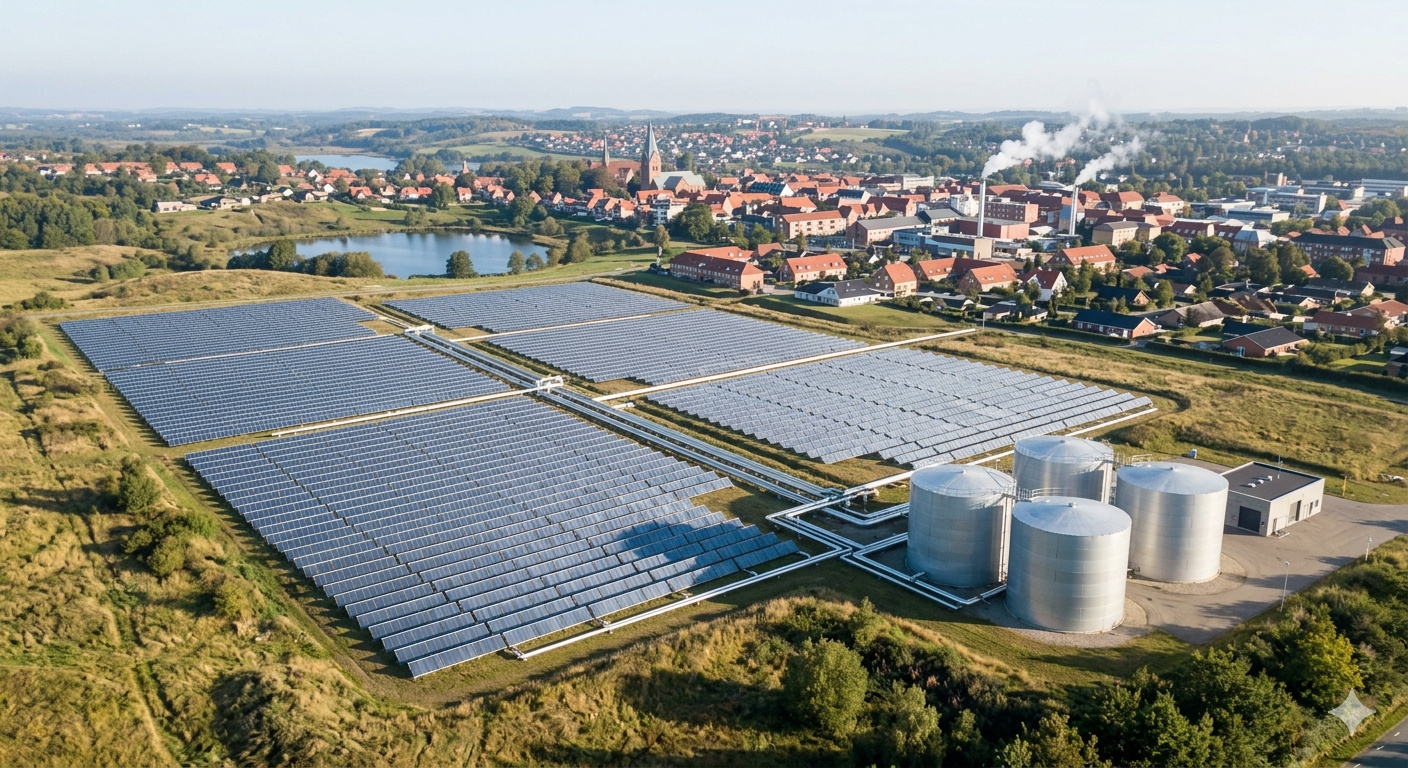
With 160,000 m² of collectors, an area larger than 20 football fields, Silkeborg, in Denmark, hosts a solar thermal plant that heats 19,500 homes and could become the largest solar heating plant in the world.
-
A study reveals the expansion of renewable energy procurement in Brazil and shows how companies are taking advantage of opportunities to reduce expenses, ensure energy efficiency, and strengthen strategic environmental commitments.

-
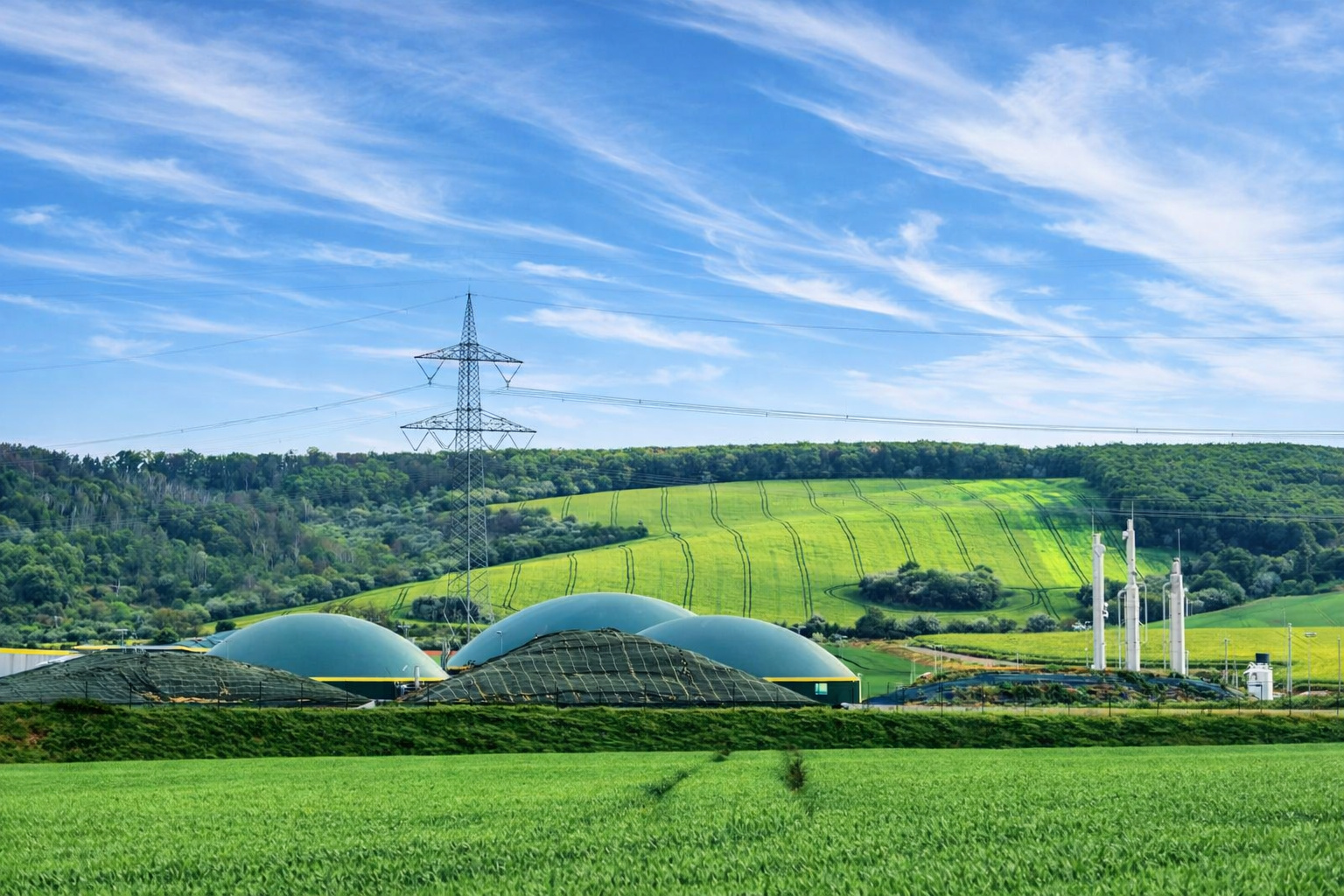
Brazil accelerates decarbonization in the South: International forum in Foz do Iguaçu gathers leaders to discuss the advancement of biomethane in the energy matrix and the potential of “caipira pre-salt.”
-
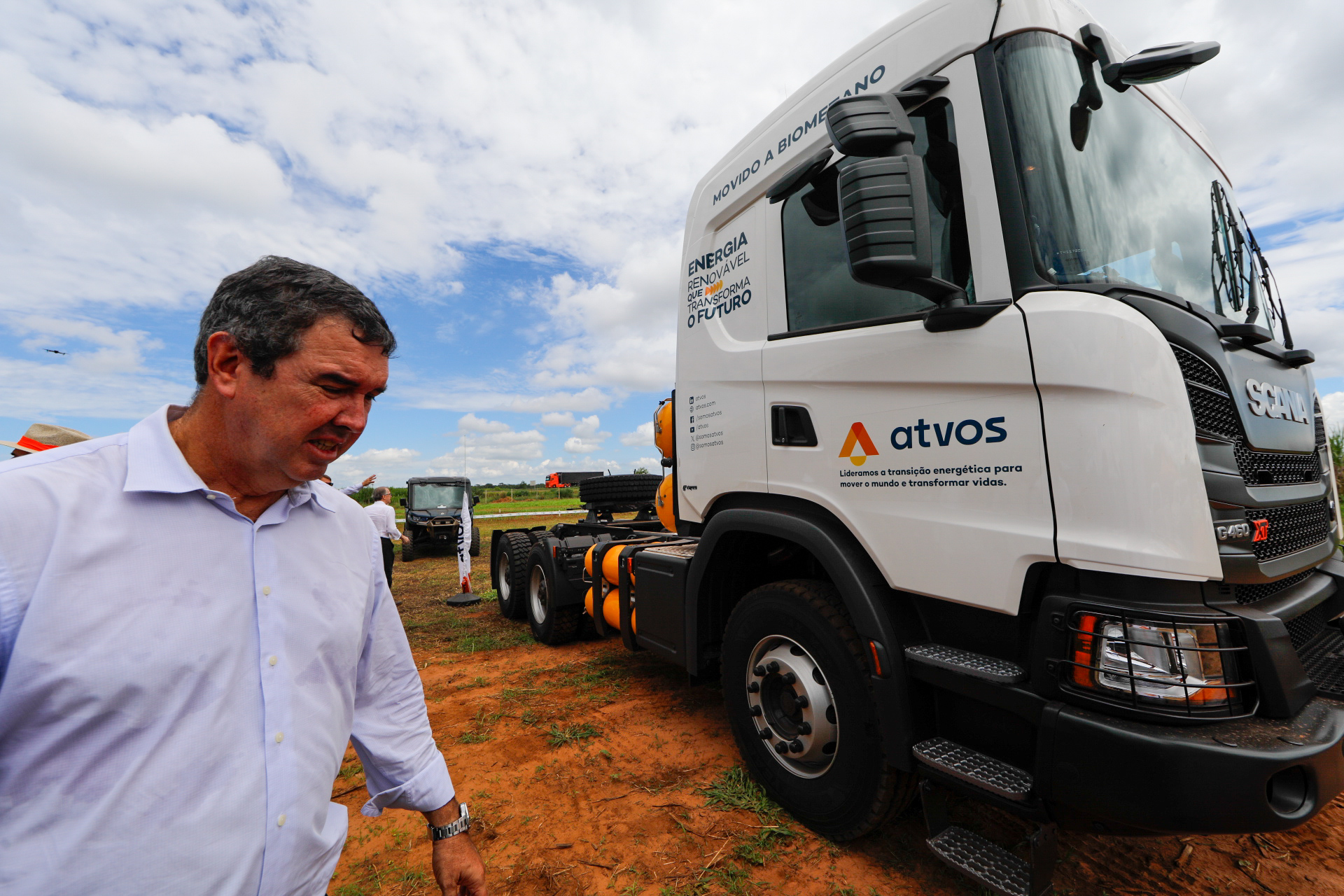
Mato Grosso do Sul excels in the sugar-energy sector: the state reaches a milestone of 22 operating mills and accelerates the production of clean energy in MS with a focus on sustainability.
The use of aviation fuel in the U.S. can be fully decarbonized by replacing conventional aviation fuel with sustainably produced biofuels, according to research published in the journal Nature Sustainability.
The study, led by a team of researchers from Arizona State University, found that growing Miscanthus grass on 23.2 million hectares of currently marginal farmland (land that is often fallow or of low soil quality) in the U.S. could provide sufficient biomass feedstock to be derived entirely from biofuels.
To meet the liquid fuel needs of the U.S. aviation industry. By 2040, this number is projected to reach 30 billion gallons per year.
Integrating Ecosystem, Atmospheric Science, and Economic Knowledge
In the study, researchers used an integrated assessment framework of land, hydroclimate modeling, ecosystem modeling, and economic modeling to assess where U.S. energy crops for biofuels are located, using criteria to evaluate environmental and economic performance and under what conditions they can be sustainably cultivated.
The standards are broad. The team first identified and assessed the ideal marginal farmland that already exists in the United States. They then evaluated whether they could grow suitable energy crops on the land without using additional water.
The team then analyzed whether the cultivation of feedstock for energy crops on these lands would adversely affect the surrounding climate or soil moisture and predicted the potential yield of two different grasses, miscanthus and switchgrass, as suitable biomass energy feedstocks.
Finally, the team quantified the amount and cost of aviation biofuel that would be produced and distributed at scale nationwide. Scientists emphasize that this vision of integrated systems is at the core of the study.
In the past, research on the potential of biofuels consisted of isolated assessments that were not well integrated, ignoring, for example, important data on how changes in land cover affect the surrounding climate.








Seja o primeiro a reagir!