





 Português
  Inglês
  Espanhol
  3 min de leitura
  2 comentários


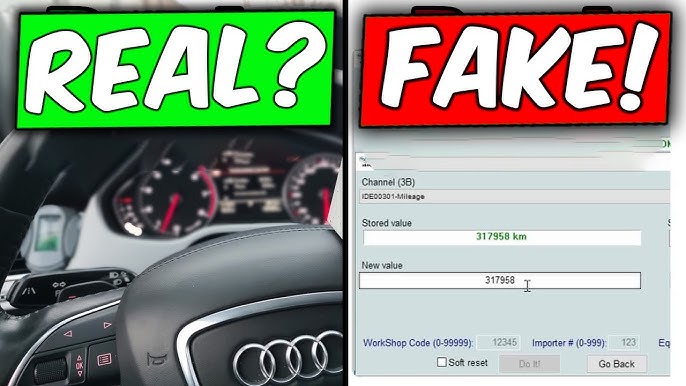


Learn To Identify Signs Of Odometer Fraud In Used Vehicles, Ensuring A Safe Purchase And Avoiding Common Frauds In The Automotive Market.
Buying a used car can be a great deal, but care must be taken not to fall into traps. Among the various aspects to be analyzed, such as aesthetics and provenance, one of the biggest problems consumers face is odometer fraud, which can inflate the price of the vehicle by presenting manipulated mileage.
An Old Trick, But Still Present
Manipulated mileage is an old scam. In vehicles with analog odometers, this practice was quite common, as manipulating the numbers was relatively easy.
With the arrival of digital odometers, integrated with electronic systems, the process has become more complicated, but odometer fraud has not disappeared.
-
OMODA & JAECOO grows in Europe in 2026 with an integrated strategy of sales, innovation, local production, and technological advancement in the United Kingdom, Italy, and Spain.

-
OMODA & JAECOO expands after-sales service in Brazil with competitive maintenance, a 7-year warranty, and high availability of parts for technological SUVs.

-
OMODA & JAECOO appoints Alessandra Souza as executive marketing director in Brazil and accelerates brand expansion with a focus on innovation, networking, and hybrid portfolio.

-
Jaecoo 7 with super hybrid SHS system exceeds 1,200 km of combined range with a 1.5 turbo engine, high-density battery, and intelligent energy management.

Even with technological advancements, there are still ways to alter mileage, making it essential for buyers to be vigilant to avoid losses.
Odometer Fraud Is A Crime
It is important to emphasize that manipulating a vehicle’s mileage constitutes a crime in Brazil. The practice is classified as fraud under Article 171 of the Penal Code.
Furthermore, Article 66 of the Law No. 8.078/1990, of the Consumer Defense Code, provides penalties for those who provide false or misleading information about products or services.
Penalties include fines and even detention, with sentences ranging from three months to one year. This means that both those who manipulate the odometer and those who sell the car without disclosing the fraud can be held accountable.
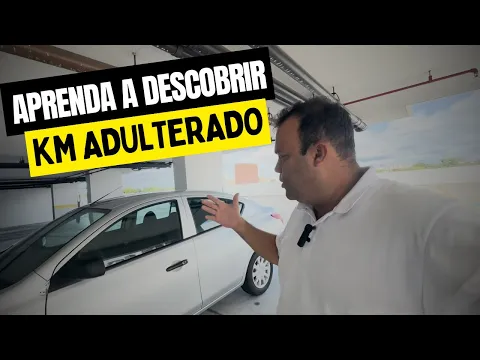

How To Identify If The Odometer Has Been Manipulated?
There are some measures that help reveal if the vehicle has been the target of this type of fraud. Check the main steps:
- Check for signs of tampering on the dashboard: Cracks, joints, or marks near the speedometer may indicate manipulation.
- Analyze the tires: A set of tires typically lasts about 30,000 km. If the car’s mileage is very low but the tires are worn out, something may be wrong.
- Examine the interior of the vehicle: Upholstery, trims, and the steering wheel also indicate wear. Loose stitches or flattened foam suggest more use than indicated on the odometer.
- Consult the vehicle history with insurance companies: Many insurance companies keep records of mileage collected during inspections. Investing in a check can prevent headaches.
- Check the vehicle manual: The maintenance records in the manual indicate the actual mileage at specific times. Discrepancies are a red flag.
- Test with GPS: Turn on your phone’s GPS and take a drive with the car. Compare GPS data with the odometer. Significant differences may indicate fraud.
Clear Signs Of Fraud
The steps above help identify inconsistencies, but it is essential to understand what these signs really mean:
- Signs of tampering on the dashboard: If there are cracks or joints near the speedometer, manipulation may have occurred.
- Tire condition: If the tires are very worn for the mileage displayed, it is an indication of fraud.
- Worn interior: Worn steering wheels, damaged upholstery, and scratched panels do not match low-mileage cars.
- Insurance history: If an insurance company’s history indicates a higher mileage than the current one, the odometer may have been manipulated.
- Maintenance records in the manual: If the manual shows a higher mileage during previous maintenance, something is wrong.
- GPS test: Significant differences between the GPS and the odometer during a test may indicate fraud.
Care To Avoid Frauds
Even with the tips above, the best way to avoid fraud is to make a conscious and well-informed purchase. Always research the seller, prefer trusted stores, and, if possible, seek assistance from a mechanic you trust to evaluate the vehicle.
Additionally, never close a deal without verifying the provenance and history of the vehicle. Documents like the Vehicle Registration and Licensing Certificate (CRLV) must be in order, as well as the manual and maintenance history.
Finally, if you suspect any irregularity, seek assistance from specialists or consumer protection agencies. Remember that by acting cautiously, you protect your investment and avoid future problems.










Dei minha antiga Megane Grandtour na troca em uma loja de usados. Comprei ela 0km e vendi quando tinha 293 mil km… a maioria em estradas e era extremamente bem cuidada e visualmente perfeita (em 9 anos comigo nunca foi feito sequer um retoque na pintura, além de interior perfeito, pneus novos etc)…Semanas depois, vi ela sendo anunciada em outra loja (o cara repassou, já que a loja dele era de carros de melhor padrão) e dizendo que tinha 79 mil km… vendeu em menos de 10 dias.
Também é bom levar no mecânico e drenar o óleo do motor e colocar o óleo de viscosidade correta. Após isso verificar a pressão de óleo.Verificar a compressão dos cilindros, verificar a vazão dos cilindros, verificar a estanqueidade do sistema de arrefecimento. Meça a altura do cabeçote, verifique se a junta do cabeçote é do material que sai de fábrica.Verificar se a correia dentada, se for o caso, ainda possui as inscrições gravadas, se é a original de fábrica e se está instalada na posição correta. Verificar se a bomba d’água é original.Verificar se os amortecedores são os originais de fábrica e sua data de fabricação. Verificar os coxins suportes do motor. Coxins desgastados ou até mesmo trocados indicam que o carro já rodou muito.Se identificar que houve troca de peças de forma incompatível com a quilometragem não compre.Se não tiver o manual não compre.