





 Portuguese
  English
  Spanish
 5 min of reading
  0 comments


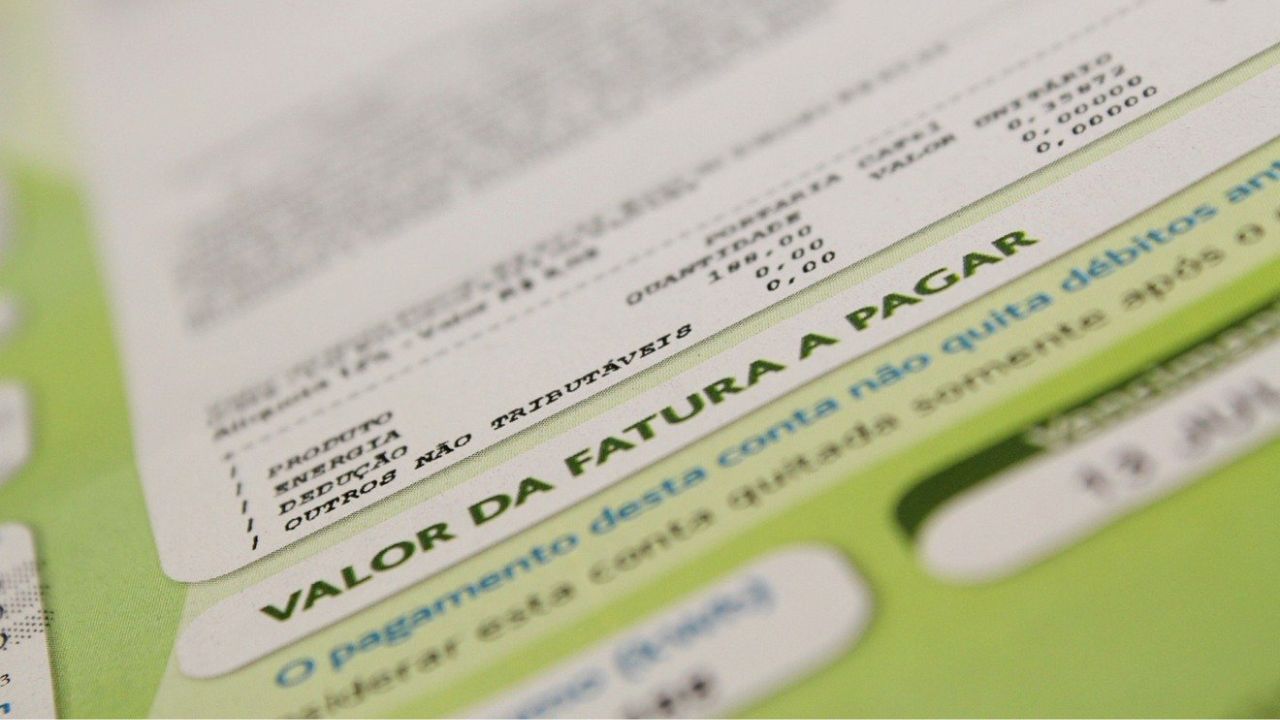
R$ 300 Million Resources from the Public Good Use (UBP) of Hydroelectric Plants Will Be Applied in Pará, Reducing the Electricity Bill and Expanding Benefits of MP 1,300 for Tariff Modicity.
In a strategic decision for the Brazilian electric sector, the Federal Government announced on Friday, October 10, 2025, the allocation of R$ 300 million from the Public Good Use (UBP) of hydroelectric plants for the reduction of the electricity bill in Pará, through Provisional Measure (MP) 1,300. According to data released by the website MegaWhat, the measure aims to promote energy tariff modicity, directly benefiting thousands of consumers in Pará.
What Changes with MP 1,300 in Pará?
The MP 1,300, approved by the National Congress on the last day of its validity, changed the authority over the use of resources from the repactuation of the UBP of hydroelectric plants. Previously under the responsibility of the Ministry of Mines and Energy (MME), the decision on the destination of these funds now lies with the National Electric Energy Agency (ANEEL).
This change represents an important regulatory milestone, as it transfers decision-making power to a technical agency focused on regulation and oversight of the electric sector. The expectation is that the application of resources will be more transparent and public interest-oriented, especially concerning tariff modicity.
-
The Brazilian state accelerates industrial competitiveness with a focus on the extraction of strategic minerals to boost the energy transition in Goiás.

-
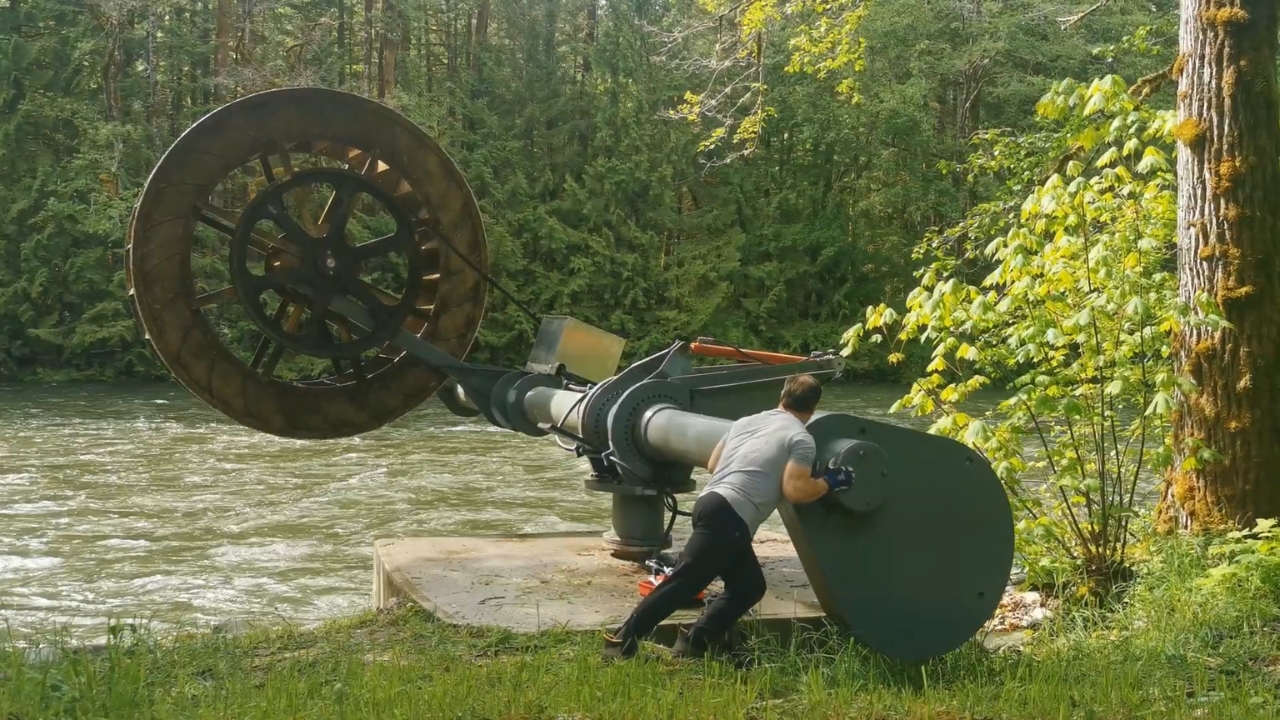
A Canadian retiree creates a hydroelectric system on a real river, generating energy continuously throughout the day and demonstrating how the power of water can supply a house with stability even in a simple structure.
-
Petrobras reaffirms its commitment to the market and ensures that it will carry out the energy transition safely to maintain national sovereignty.

-
Researchers discover a possible hydrogen deposit of up to 46 million tons beneath an ancient coal basin, and the volume could exceed half of the entire global production.


Reduction of the Electricity Bill in Pará
The main objective of the measure is to reduce the cost of electricity for consumers in Pará, who face high tariffs compared to other regions of the country. According to ANEEL data, the state has one of the highest residential tariffs in the North, despite being one of Brazil’s main hydroelectric power producers.
With the R$ 300 million from the UBP of hydroelectric plants, it will be possible to subsidize part of the tariff, easing the budget of local families and businesses. The initiative also has the potential to correct historical distortions in the compensation model of the electric sector, which penalizes energy-producing states.
The repactuation involves hydroelectric plants that were auctioned between 1998 and 2005. With this process, combined with the advance payment of funds, the government estimates to collect approximately R$ 6 billion between 2025 and 2026. These resources will be allocated to promote tariff modicity for consumers located in regions served by Sudam and Sudene.
What is the Public Good Use (UBP)?
The Public Good Use is a type of royalty paid by hydroelectric generation concessionaires to the federal government for the use of natural resources such as rivers and waterfalls. These amounts are defined in concession contracts and can be repactuated according to rules established by the current legislation.
In the case of MP 1,300, the resources from the repactuation of the UBP were redirected to actions aimed at tariff modicity, meaning to make energy more accessible to the population. This strategy had been discussed for years but was only now effectively implemented with a focus on Pará.
Data and Statistics of the Electric Sector
- The accumulated debt of hydroelectric plants with the UBP is around R$ 15 billion, according to preliminary calculations from the sector.
- Pará has one of the largest hydroelectric generation capacities in the country, with highlights including plants like Tucuruí and Belo Monte.
- The average residential tariff in the state exceeds R$ 0.70 per kWh, while in other regions the amount can be less than R$ 0.50 per kWh.
These figures highlight the urgency of measures that promote tariff justice, especially in states that contribute significantly to the national energy matrix.
Political Dispute Surrounding MP 1,300
The approval of MP 1,300 was not free from controversies. The original text provided that the MME would have autonomy to decide on the use of UBP resources. However, after intense debates in Congress, the version that transfers this authority to ANEEL prevailed.
This change was interpreted as a political defeat for the MME, but also as a victory for technical regulation and transparency. ANEEL, in turn, has already begun studies to define the criteria for applying the resources, prioritizing regions with greater tariff vulnerability, such as Pará.
Regional Development and Tariff Justice in Pará
The allocation of resources to Pará has a strong component of social justice and regional development. The state, despite being one of the largest energy producers in the country, faces significant socioeconomic challenges, such as low per capita income and poor infrastructure.
Reducing the electricity bill in Pará is more than an economic measure — it is an action for energy inclusion, which can drive local growth, attract investments, and improve the quality of life for the population.
Additionally, the initiative could serve as a model for other energy-producing states, such as Rondônia and Amazonas, which also face high tariffs.
Future Perspectives for Energy Tariff Modicity
The measure paves the way for new discussions about the Brazilian tariff model. Experts point out that the current system needs to be reformed to better reflect the actual costs of energy generation and distribution.
MP 1,300 could be the first step towards a fairer and more balanced energy policy, recognizing the role of producing states and promoting tariff modicity throughout the country.
Moreover, there is anticipation that new UBP resources will be repactuated in the coming years, expanding the reach of the measure and benefiting other regions.
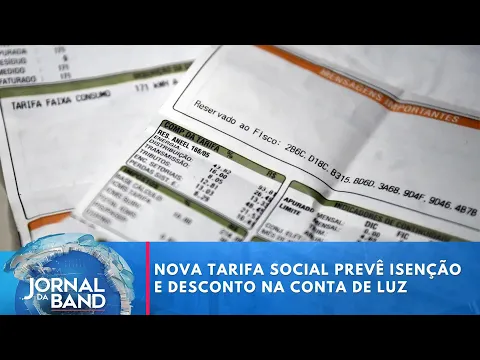

Strategic Relevance of MP 1,300 and Its Impacts on the Electric Sector
The allocation of R$ 300 million from the UBP of hydroelectric plants to reduce the electricity bill in Pará via MP 1,300 represents a significant advancement in Brazilian energy policy. The measure promotes tariff modicity, strengthens technical regulation, and contributes to regional development.
More than numbers, it is a concrete action that directly impacts the lives of consumers, making energy more accessible and fair. With ANEEL overseeing the management, there is greater assurance that resources will be applied responsibly and focused on public interest.







-

Uma pessoa reagiu a isso.