





 Portuguese
  English
  Spanish
 5 min of reading
  0 comments


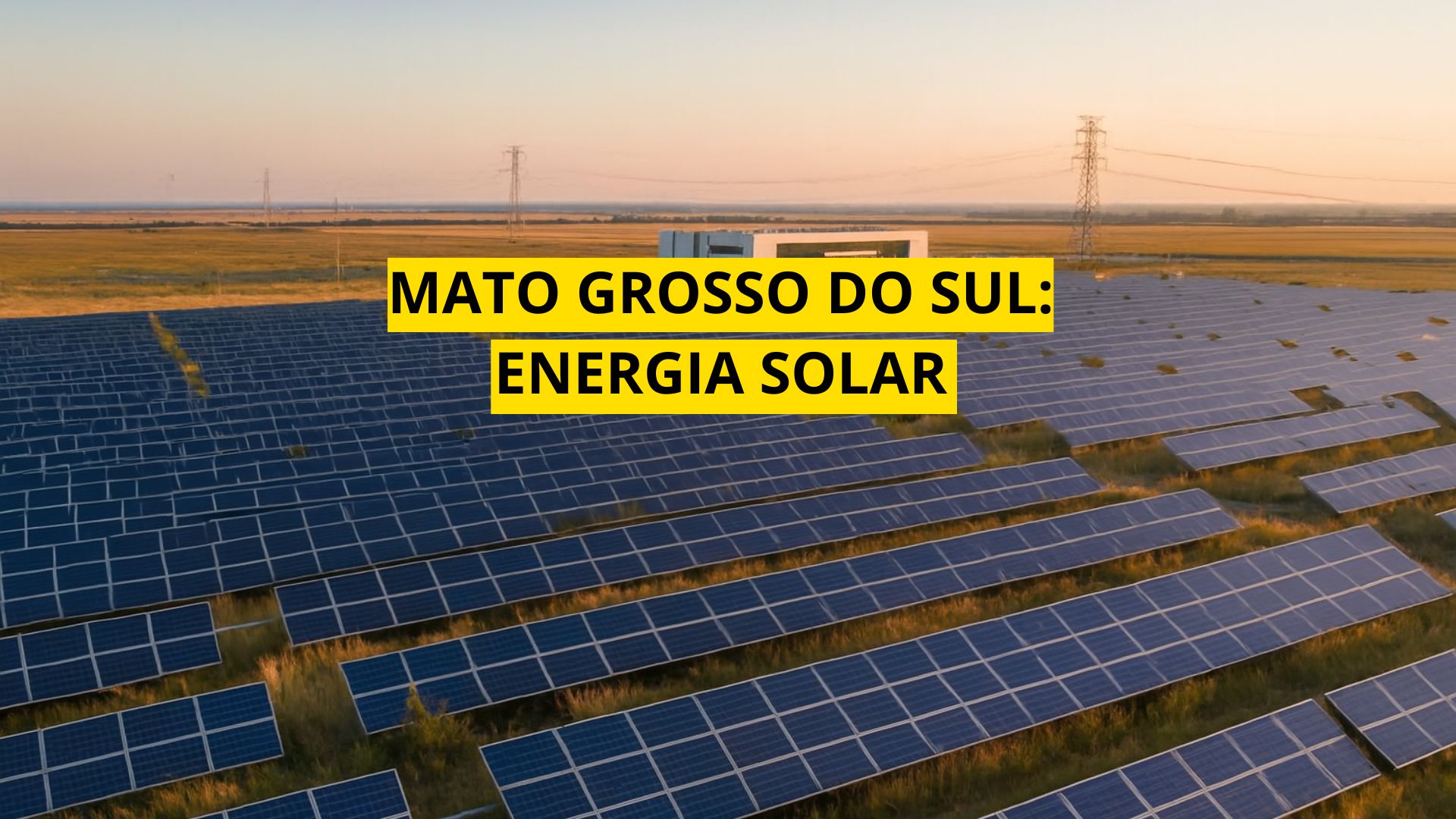
Mato Grosso do Sul Allocates R$ 32 Million for Solar Energy Project, Boosting Energy Transition, Promoting Sustainability, and Benefiting Rural Communities
In a historic initiative, the Government of Mato Grosso do Sul signed a Protocol of Intent on September 22, 2025, with the National Institute for Colonization and Agrarian Reform (Incra), allocating R$ 32 million in investment for the installation of solar energy in one thousand rural homes, focusing on sustainability and social inclusion.
The action, coordinated by the State Housing Agency (Agehab), marks a milestone in the state’s housing and energy policy, promoting energy transition in vulnerable communities and strengthening the commitment to sustainable development.
Solar Energy as an Instrument of Social Transformation
The project foresees the installation of photovoltaic kits in housing units in quilombola communities and rural settlements. The initiative also includes the donation of state land to the Quilombola Condominium Tia Eva, located in Campo Grande.
-
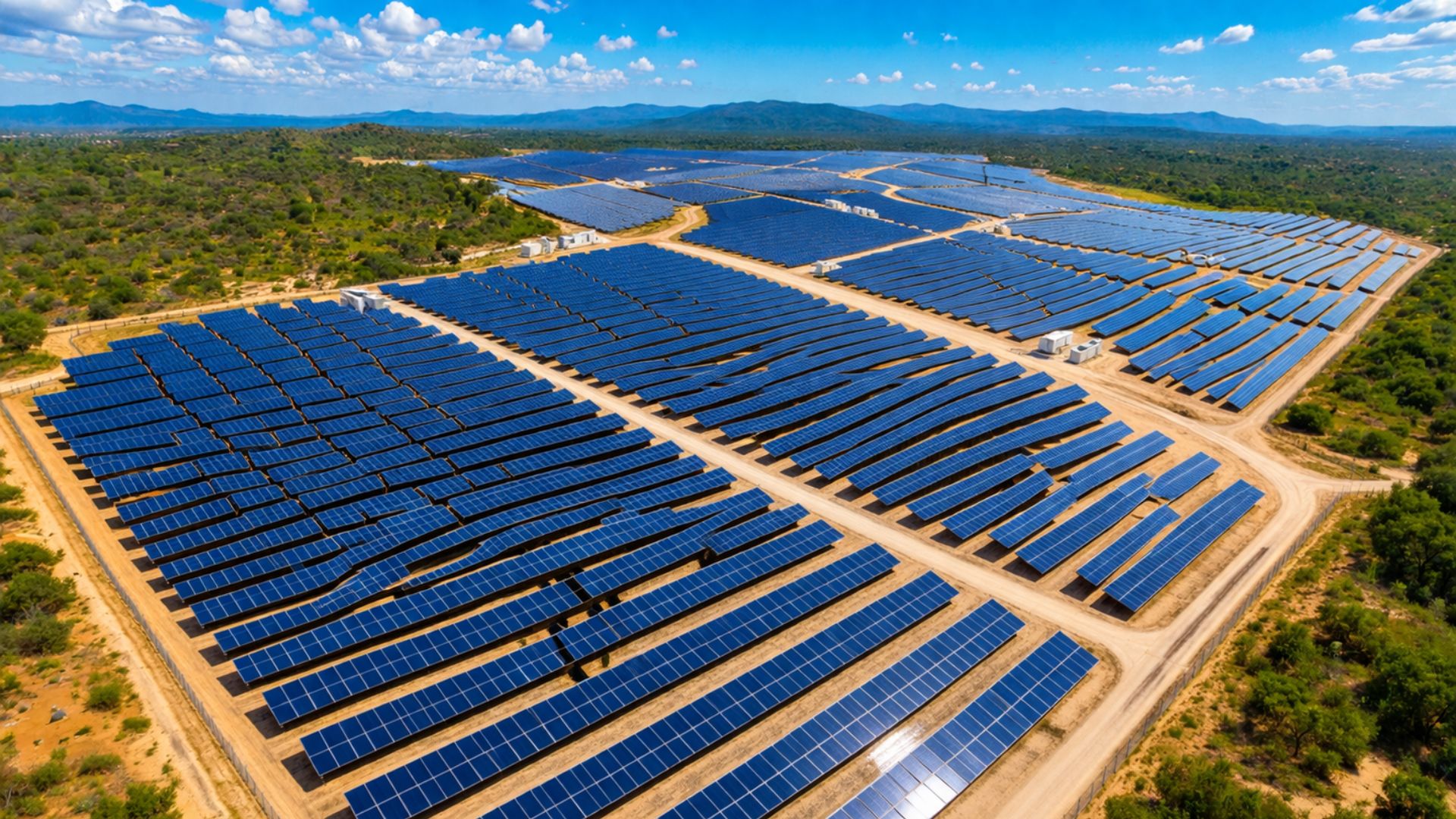
The Sol do Agreste Photovoltaic Complex begins operations in Pernambuco and accelerates the expansion of solar energy in Brazil, directly impacting the reduction of emissions and strengthening the sustainable energy matrix.
-
Renewable energy advances over protected areas in Brazil, and a survey by the Energy Transition Observatory reveals silent impacts that challenge environmental conservation and pressure sensitive traditional territories.

-
Rio Grande do Sul accelerates energy transition: State invests in renewable technologies and consolidates decarbonization strategies and pathways to attract billions in new industrial investments.

-
With 160,000 m² of collectors, an area larger than 20 football fields, Silkeborg, in Denmark, hosts a solar thermal plant that heats 19,500 homes and could become the largest solar heating plant in the world.


According to Vice Governor José Carlos Barbosa, solar energy systems will be installed in one thousand homes, as well as the formalization of the donation of land for the Quilombola Condominium Tia Eva — a historic measure that strengthens social inclusion and promotes sustainability.
Solar energy not only reduces electricity costs but also provides energy autonomy for families living in areas distant from major urban centers, where access to the conventional power grid is limited or non-existent.
Public Investment and Direct Impact in Mato Grosso do Sul
The amount of R$ 32 million will be applied over two years, without direct transfer of resources, which optimizes the use of public funds and ensures greater agility in the execution of the project.
The expectation is to directly benefit about 300 homes in the first phase, with expansion planned as partnerships and infrastructure evolve.
During the event to sign the protocol, property titles were also handed to families in Sidrolândia, Nioaque, and Campo Grande, in addition to concession contracts for farmers in Dois Irmãos do Buriti. These actions reinforce the government’s commitment to land regularization and strengthening family agriculture.
Social Inclusion and Women’s Empowerment in Rural Areas
Another highlight of the ceremony was the launch of the Fomento Mulher program, aimed at the financial autonomy of women in rural areas. The initiative offers subsidized credit and technical training, promoting female entrepreneurship and income generation.
Minister Simone Tebet, present at the ceremony, emphasized: this protocol symbolizes progress in social justice and demonstrates how constructive dialogue can contribute to building a fairer and more inclusive Brazil.
The social inclusion promoted by the project goes beyond the installation of solar panels. It involves the appreciation of traditional communities, respect for cultural diversity, and encouragement of active participation of women in building a more sustainable future.
Energy Transition and Sustainability as Public Policy
The adoption of solar energy in rural homes in Mato Grosso do Sul represents a significant step in the state’s energy transition. Photovoltaic technology contributes to environmental preservation, reduces greenhouse gas emissions, and improves the quality of life for the families benefited.
According to data from the Brazilian Association of Photovoltaic Solar Energy (ABSOLAR), Brazil surpassed 37 GW of installed capacity in solar energy in 2025, establishing itself as one of the world leaders in distributed generation. Mato Grosso do Sul, with its high solar incidence, is one of the states with the greatest growth potential in this sector.
Sustainability and Local Job Creation
The installation of photovoltaic kits will allow families in remote areas to access clean and reliable energy, reducing dependence on polluting and unstable sources. The project also promotes technical training and local job creation, strengthening the economy of the communities involved.
Training local labor for the installation and maintenance of solar systems is one of the project’s pillars. This ensures that the investment generates lasting benefits and that communities can take ownership of the technology, creating job and income opportunities.
Additionally, environmental sustainability is reinforced by reducing fossil fuel use and valuing renewable sources, aligning with the United Nations Sustainable Development Goals (SDGs).
Mato Grosso do Sul as a National Reference in Solar Energy
With this initiative, Mato Grosso do Sul positions itself as a national reference in adopting public policies focused on solar energy and sustainability. The state demonstrates that it is possible to reconcile economic development with social and environmental responsibility.
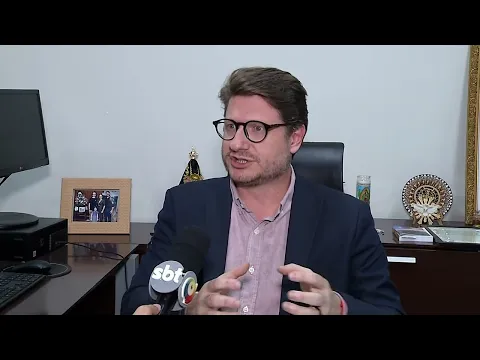
The director-president of Agehab, Ubiratan Rebouças Chaves, highlighted that the initiative promotes the use of clean energy and reduces inequalities in rural areas. The partnership between the State Government, Incra, and the Ministry of Agrarian Development demonstrates the importance of articulation between different spheres of government.

Data and Statistics Reinforcing the Relevance of the Investment
- Brazil has over 3.4 million solar systems connected to the power grid.
- Distributed generation accounts for about 60% of the installed capacity of solar energy in the country.
- Mato Grosso do Sul has already surpassed 1.6 GW of installed power in solar energy generation.
- The savings generated by photovoltaic systems can reach 95% in the electricity bills of benefited families.
- The installation of solar systems can reduce up to 1.5 tons of CO₂ per household per year.
These data demonstrate that the investment in solar energy is not only viable but essential to promote a sustainable and inclusive development model.
A Fairer and More Sustainable Future in Mato Grosso do Sul
The investment of R$ 32 million in solar energy in Mato Grosso do Sul marks a milestone in building a more sustainable and innovative state. The joint action between state, federal governments, and local communities shows that it is possible to align economic development with social and environmental responsibility.
By transforming rural homes with clean energy, Mato Grosso do Sul provides a concrete example of how the energy transition can be inclusive and effective. The initiative promotes dignity, autonomy, and quality of life for historically marginalized populations while strengthening the local economy and preserving the environment.






-

Uma pessoa reagiu a isso.