





 Portuguese
  English
  Spanish
  5 min of reading
  0 comments


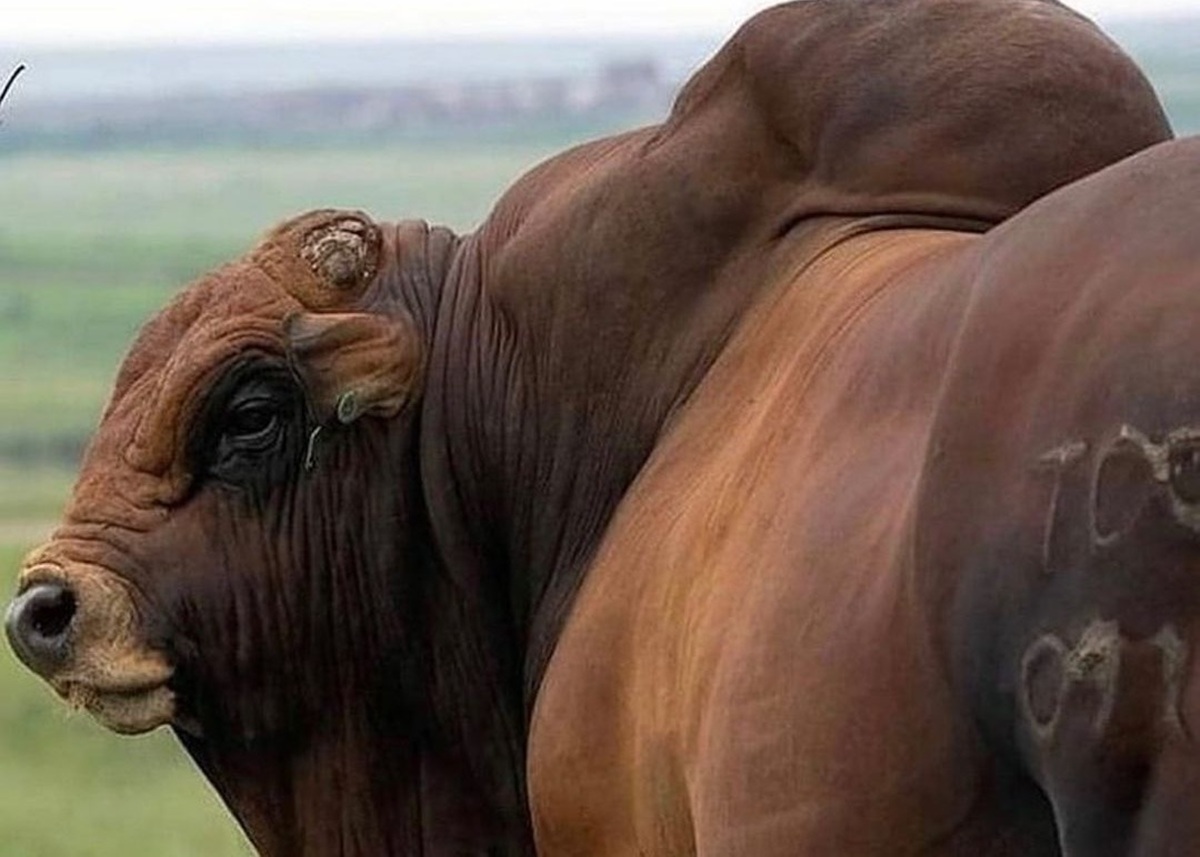
Boran Breed Arrives in Brazil After Unprecedented Import, Promises Heat Resistance, High Fertility, Heavy Calves, and Premium Marbled Meat
The Brazilian beef cattle industry is constantly seeking new genetic alternatives that combine hardiness, tropical climate adaptation, and productivity. The Boran breed, originating from East Africa, arrived in Brazil in June with expectations of transforming part of the national herd and expanding options for breeders.
First Steps in Brazil
The Boran has sparked curiosity among Brazilian cattle ranchers due to its resemblance to Nelore and its traits valued in tropical systems.
The introduction of the breed in the country took place through Paraguay, which facilitated the import of the first embryos.
-
The sugar-energy sector advances with agricultural technology, but agricultural productivity still raises concerns.

-
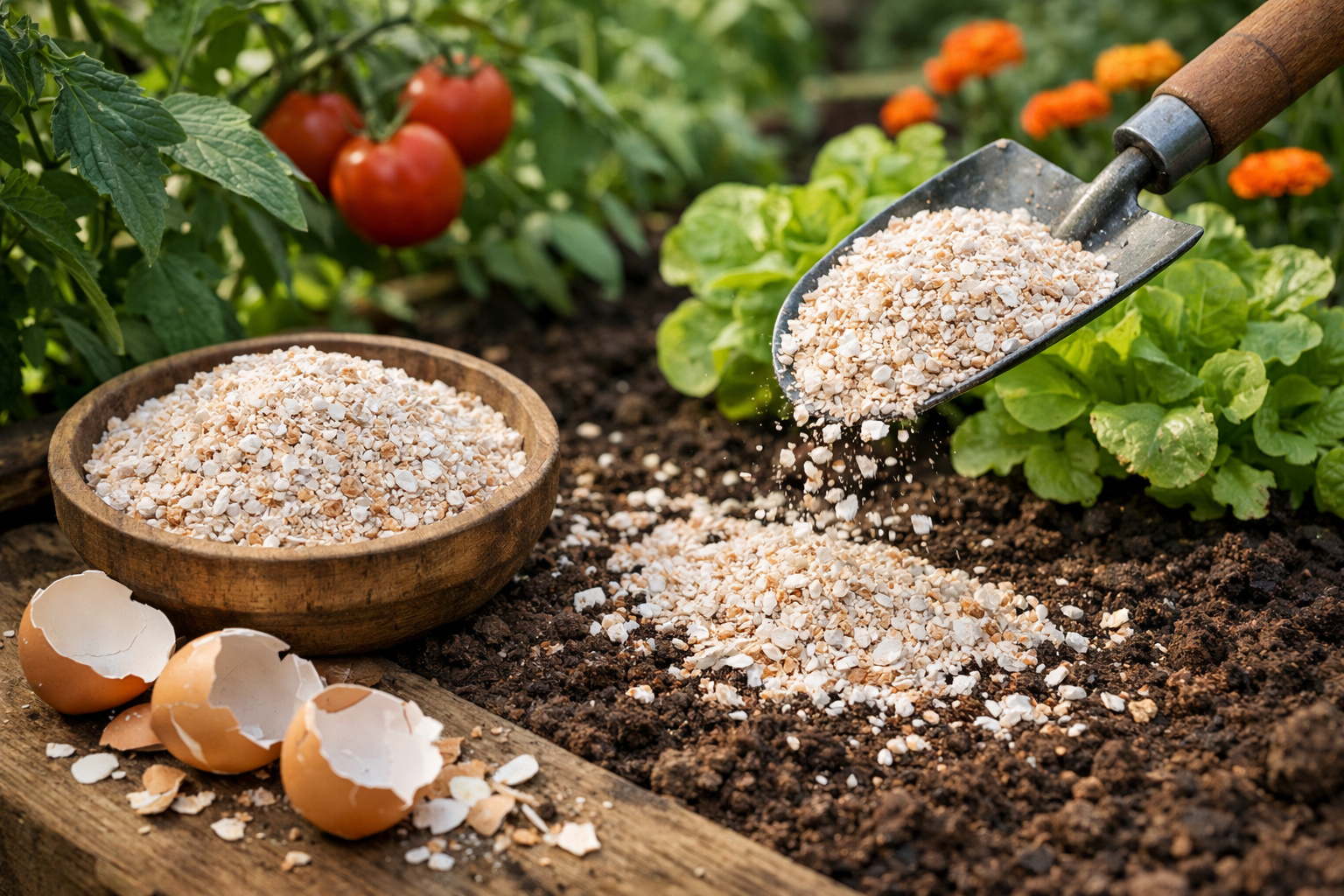
The eggshell that almost everyone throws away is made up of about 95% calcium carbonate and can help enrich the soil when crushed, slowly releasing nutrients and being reused in home gardens and vegetable patches.
-
This farm in the United States does not use sunlight, does not use soil, and produces 500 times more food per square meter than traditional agriculture: the secret lies in 42,000 LEDs, hydroponics, and a system that recycles even the heat from the lamps.

-
The water that almost everyone throws away after cooking potatoes carries nutrients released during the preparation and can be reused to help in the development of plants when used correctly at the base of gardens and pots, at no additional cost and without changing the routine.


A report by Record Brasília showed that two of the first national breeders to receive this genetic material operate around the Federal District.
At a farm located 100 km from Brasília, the work began with recipient cows resulting from crosses between Sindi and Nelore.
This crossbreeding favors good milk production, docile temperament, and higher pregnancy rates. This facilitates the raising of quality calves and strengthens the foundation for the Boran breed embryos.
From Research to Insemination
Diego Mendes, a fourth-generation cattle rancher, encountered the Boran in the year 2000.
Interest arose from the advantages: resistance to extreme climates, high fertility, efficient weight gain, and high-quality meat.
Determined to bring this genetics, he traveled to Australia and then to South Africa, where he followed the development of the local herd.
In 2010, he submitted the first import request, but bureaucratic issues hindered progress.
Only 15 years later did the embryos arrive at the farm.
Paraguayan veterinarians brought 108 embryos, of which 27 were transferred to prepared recipients.
The pregnancy diagnosis will be performed 28 days after insemination, and the first calves are expected to be born in the first half of 2026.
The planning considers the conditions of the Midwest, especially the dry season.
Breeders believe that the animals will perform well from birth to final fattening for slaughterhouses.
According to the breeders, the introduction of the breed represents an unprecedented milestone in the country and reinforces the search for high-quality beef.
Economic Characteristics of the Boran
Producers emphasize that Boran cows can wean calves weighing up to 50% or more of their own weight, a rate considered highly efficient.
Additionally, the meat has superior fat cover and marbling, attributes valued by the market.
The expectation is that the genetics will bring gains in productivity, higher profitability per hectare, and diversification of the national herd, especially in regions facing thermal stress and limited pastures.
The Role of Paraguay
After two years of negotiations among breeders and regulatory bodies, Paraguay completed the first export of Boran embryos to Brazil.
The operation involved 174 units and received support from Senacsa, the Rural Association of Paraguay, and reproductive biotechnology companies.
The Boran Paraguay, responsible for the export, celebrated the achievement on its social media.
The company described the moment as historic, highlighting the efforts of pioneers like Jacob Brits, Manfred Hieber, Jorge Brixner, Horst Escher, and Edwin Peter.
According to the statement, Fazenda Gerani acts as the genetic nucleus of the breed in Paraguay, being a key player in consolidating the country as a high-value genetic material exporter.
Origin of the Boran Breed
The Boran breed originated in East Africa, in countries such as Ethiopia, Kenya, and Somalia.
It is considered a zebu breed (Bos indicus) and has been raised for centuries by African nomadic peoples. Its consolidation as a pure breed dates back over 1,300 years.
Natural selection in arid environments, with high temperatures and scarcity of food, shaped an extremely hardy cattle adapted to tropical conditions.
Physical Characteristics
The Boran has a medium build but with great productive efficiency. Females weigh between 380 and 450 kg, while males can reach 600 to 850 kg under traditional raising conditions.
The coat is generally light, white, or beige, although there are also animals with gray or reddish tones. This light color helps with heat tolerance. The horns are short and well placed, and the hump is present but less pronounced than in breeds like Nelore.
Another highlight is the good carcass conformation, which ensures superior yield and valued cuts.
Resistance and Hardiness
The Boran stands out for enduring high temperatures and long periods of drought without compromising its productivity. It is resistant to tropical diseases, including parasitic sickness and tick infestation.
Furthermore, cows are recognized for their maternal ability: they produce enough milk for strong calves, which wean heavy and healthy.
Another important factor is longevity, as they remain fertile and productive for many years.
Unlike other zebu breeds, the Boran exhibits meat with good fat cover and marbling, attributes that meet the demand for premium cuts.
This reinforces the breed’s potential to serve both the domestic market and premium meat exports.
Potential in Brazil
The arrival of the breed opens avenues for new crossbreeding, especially with Nelore, which is dominant in Brazil. The proposal is to combine African hardiness with the already established traits of the national zebu.
In the Midwest and Northeast, where thermal stress and poor pasture quality are ongoing challenges, the Boran may represent a strategic enhancement.
The breeders involved in the process believe that this genetics will complement Brazilian cattle ranching and help maintain the country’s global leadership in beef production.
In Brazil, the expectation is that the breed will not replace Nelore but will become an important ally in diversifying the herd.
The multiplication efforts are set to expand in the coming years, spreading the genetics to different regions.
With the start of the productive cycle anticipated for 2026, the country awaits the first calves of the Boran breed.
The expectations are high, and producers believe that Brazil can once again take a leading role in the global cattle industry, now with the contribution of this African genetics.










-

3 pessoas reagiram a isso.