





 Portuguese
  English
  Spanish
  3 min of reading


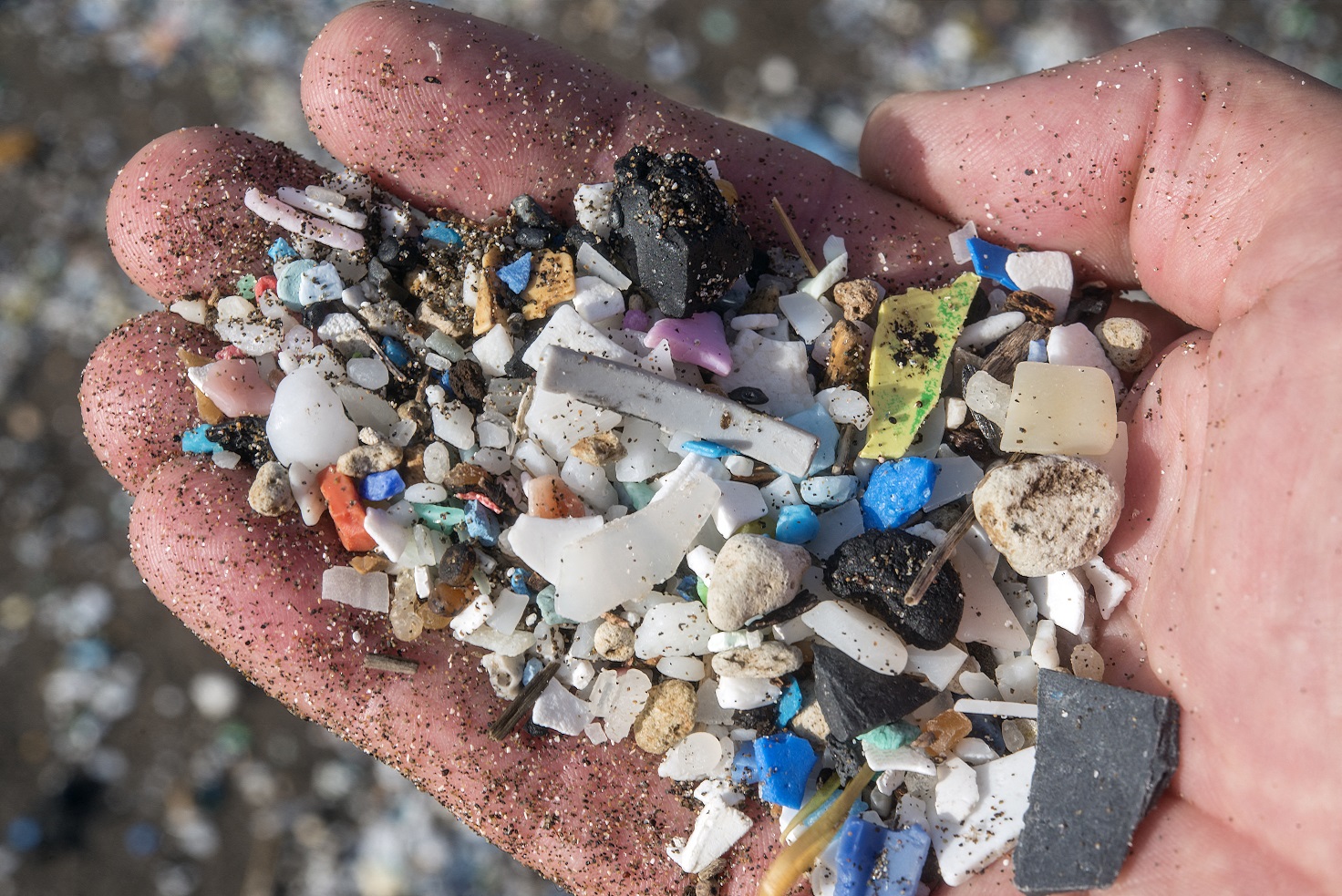
According to the Press Release from Radici Plastics, the company has a strong environmental responsibility, which makes them interested in constantly innovating and creating methodologies to make the company increasingly sustainable in its actions. Additionally, they show that they are using only items that come from 100% renewable energy sources such as solar and wind.
Radici Plastics has been seeking opportunities to build and neutralize all of its plastic emissions in the environment. Many companies aim to achieve this type of reduction by the year 2030. Therefore, they are betting on projects before it is too late. According to the brand, it is estimated that over 62% of all products that have emitted carbon dioxide have been reduced in their quality. And this is not the only positive aspect about the institution: they have reportedly been able to use at least 8.6% less water across the entire plastic production chain.
The Radar TV program features several interviews with professionals working with the institution, highlighting the brand’s need for innovation regarding its use of energy and water in the processes.
Video: Radar TV Program Interviews Luciano Radici


What is Radici Plastics and when did the company enter the market?
The Radici group entered the market in 1941, with a strong intention to make the plastic production market much more environmentally friendly and sustainable. From the beginning, engineers developed techniques to ensure that the environment was not harmed, even with the strong growth of the institution in the plastic products sector. Nowadays, plastics are one of the biggest contributors to soil and ocean pollution. Microplastics release substances that are toxic and harmful to humans.
-
Renewable energy advances over protected areas in Brazil, and a survey by the Energy Transition Observatory reveals silent impacts that challenge environmental conservation and pressure sensitive traditional territories.

-
Rio Grande do Sul accelerates energy transition: State invests in renewable technologies and consolidates decarbonization strategies and pathways to attract billions in new industrial investments.

-
With 160,000 m² of collectors, an area larger than 20 football fields, Silkeborg, in Denmark, hosts a solar thermal plant that heats 19,500 homes and could become the largest solar heating plant in the world.

-
A study reveals the expansion of renewable energy procurement in Brazil and shows how companies are taking advantage of opportunities to reduce expenses, ensure energy efficiency, and strengthen strategic environmental commitments.


Thus, it is important to emphasize that, in order to reduce the impacts being caused to the environment since the brand’s inception, they began to create truly effective strategies with the help of engineering.
To give you an idea, it was in 1981, about 40 years after its founding, that the brand began producing certain types of polymers. Polymers are large chains of carbon and hydroxyls that take years to decompose in the environment.
In 2012, they published the first “Sustainability Report.” This report contained data showing more about the effects caused thus far by the brand’s environmentally friendly actions. They also developed the In Nova program, which aimed to bring sustainable techniques to viewers interested in learning more about the topic.
What is Renewable Energy and What is Its Importance in Our Daily Lives?
Renewable energy is crucial for maintaining a sustainable and viable environment for humans. In summary, some practical examples include solar energy, which requires an investment of around R$30,000 for homes with monthly expenses of around R$550, and wind energy, which is still criticized for its significant noise pollution, which harms people living nearby and animals. Birds are the most affected by this type of energy.










Seja o primeiro a reagir!