





 Portuguese
  English
  Spanish
  3 min of reading
  0 comments


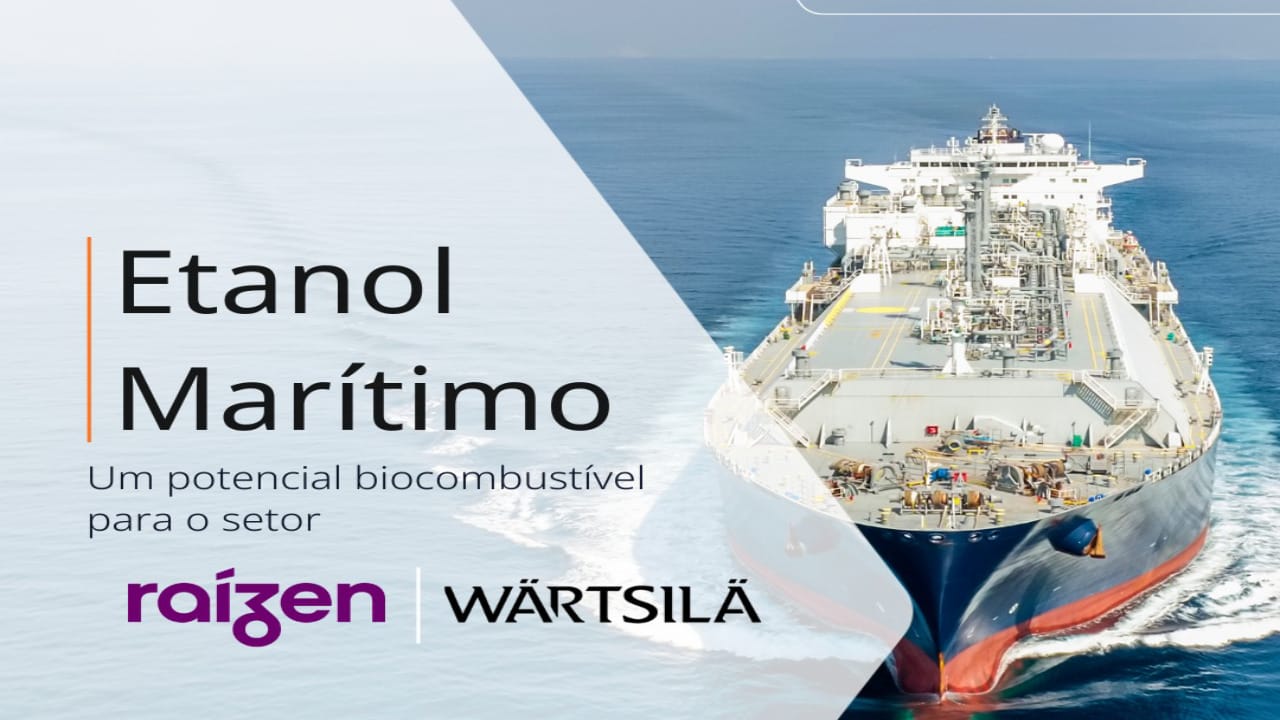
Raízen and Wärtsilä Promise to Change the Course of the Industry: Ethanol-Powered Ship Reduces CO2 Emissions by Up to 80% on a Standard Route from Brazil to Europe
A new decarbonization pact is here to change the course of the industry! In an unprecedented effort to combat rising greenhouse gas (GHG) emissions in maritime transport, Raízen – the world’s largest ethanol producer – and the naval equipment giant Wärtsilä have signed an agreement to explore the potential use of ethanol as marine fuel and advance the construction of the world’s first ocean-going vessel powered by cellulosic ethanol (E2G).
This partnership, known as the “Decarbonization Agreement,” not only promises a more sustainable future for offshore transport but also has the potential for a positive impact on the reduction of carbon emissions globally.
The importance of this project is undeniable, as maritime transport accounts for approximately 3% of global GHG emissions. To address this crisis, the International Maritime Organization (IMO) has set ambitious targets to reduce carbon emissions by 40% by 2030 and by 70% by 2050 compared to 2008 levels. The use of ethanol in ships could be a crucial piece of the puzzle to achieve these targets.
-
Brazilian giant expands borders in the Southeast: Petrobras confirms new oil discovery in ultra-deep waters in the pre-salt of the Campos Basin.
-
Alert in the global energy market: Severe tropical cyclone hits the coast and disrupts gas production at major plants in Australia, threatening global supply.
-
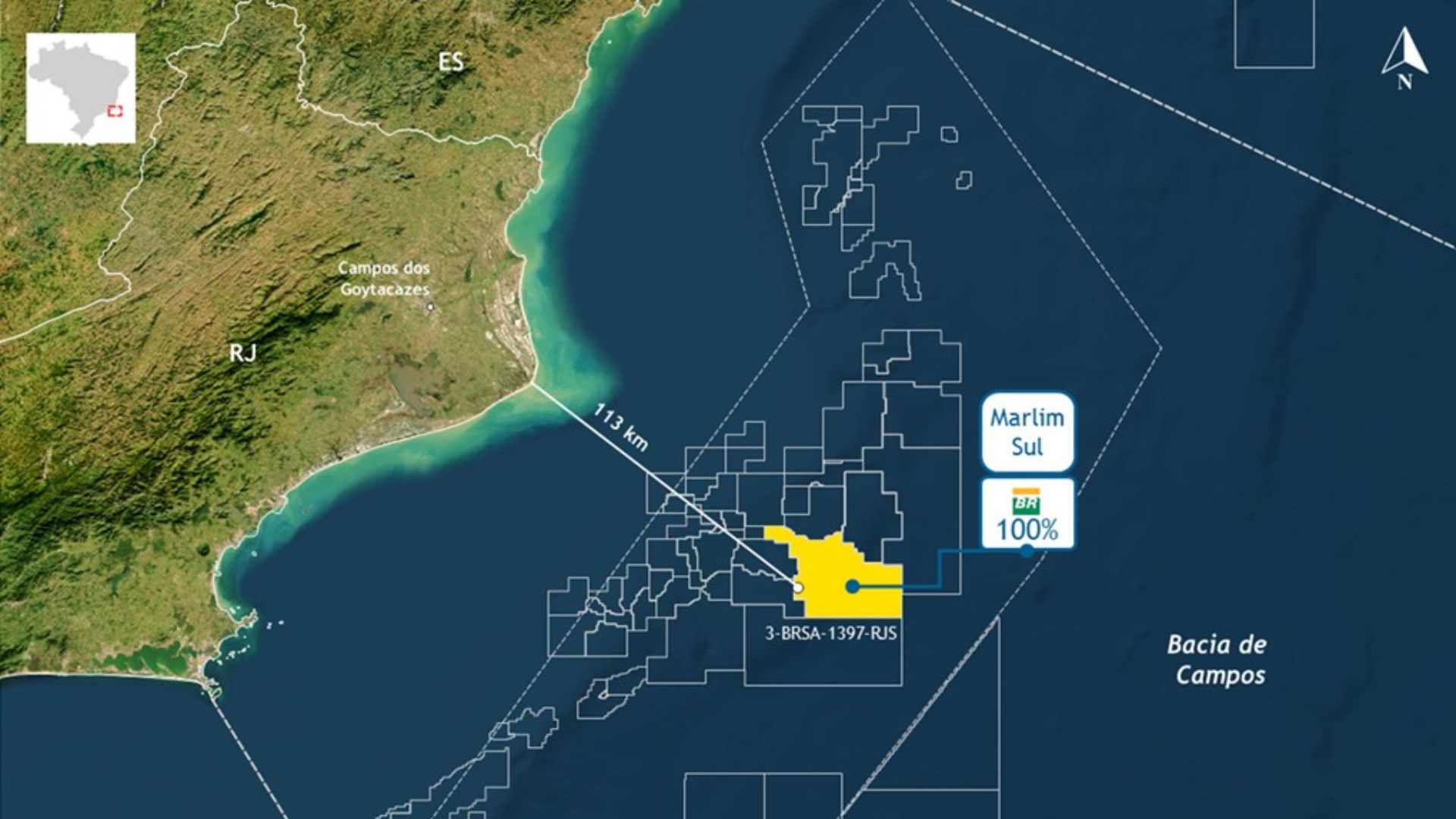
Petrobras finds high-quality oil in the pre-salt at 113 km from RJ and reignites expectations about strategic reserves in the Campos Basin.
-
Ocyan opens registrations for startups focused on innovation in the oil and gas sector and will select projects for Innovation Day with the support of Nexio.


Technology Tests with Ethanol as Primary Fuel Are Being Conducted at Wärtsilä Engine Laboratories
Ethanol, widely used as a biofuel, emerges as a promising option to drive the decarbonization of maritime transport. At Wärtsilä Sustainable Fuels engine laboratories, initial tests are being conducted to assess the performance of ethanol as the primary fuel. This not only demonstrates Raízen’s commitment to innovation but also its role in creating sustainable alternatives to fossil fuels.
With ethanol as a viable contribution to a portfolio of low carbon emission solutions, this collaboration seeks to pave the way for greener and more sustainable maritime transport.
Replacing Fossil Fuel in Ships Promises to Reduce CO2 Emissions by Up to 80% on a Standard Route from Brazil to Europe
The ethanol revolution in maritime transport is underway. Preliminary results from Raízen show that by replacing fossil fuel in ships, CO2 emissions can be reduced by up to 80% on a standard route from Brazil to Europe. This is encouraging news in the search for sustainable and low carbon emission alternatives for the maritime transport industry.
Wärtsilä’s investment in low and zero carbon technologies is a significant step in the right direction. This agreement with Raízen is not just an example of its commitment to sustainability but also a milestone in the evolution of the maritime transport industry. As we move toward a cleaner and more sustainable future, the combination of ethanol and cutting-edge technology is proving to be a powerful duo in the fight against GHG emissions.
Ethanol Could Become the Fuel of the Future, Paving the Way for Cleaner and More Responsible Maritime Transport
The partnership between Raízen and Wärtsilä promises to revolutionize the maritime transport sector by offering a promising alternative to fossil fuels. With a commitment to reducing carbon emissions and supporting the IMO’s targets, this alliance demonstrates how innovation and the search for sustainable solutions can shape the future of maritime transport. Ethanol, with its potential to significantly reduce carbon emissions, could become the fuel of the future, paving the way for cleaner and more responsible maritime transport. This is an important milestone on the journey toward a greener and more sustainable planet.









Seja o primeiro a reagir!