





 Portuguese
  English
  Spanish
  3 min of reading
  1 comment


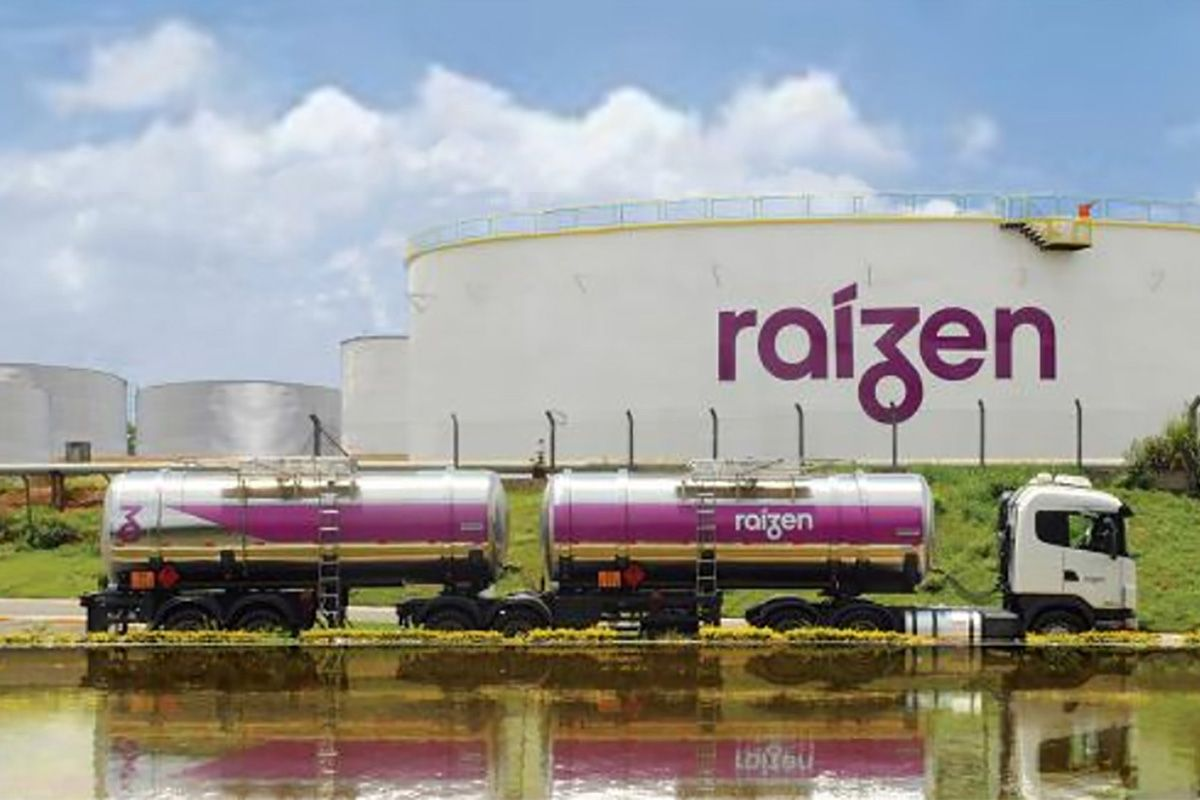


Raízen, The Largest Producer of Ethanol and Sugar in Brazil, Is Selling Renewable Plants and Non-Strategic Assets in a Package Valued at R$ 1 Billion.
Raízen, a joint venture between Cosan and Shell, has been moving billion-dollar figures, but what is really behind its recent decisions to sell renewable plants? The answer may surprise you and goes beyond simple financial issues.
With billions in assets for sale, the agro giant appears to be reassessing its priorities and making room for new moves in the renewable energy market.
According to information from Jornal Valor Econômico, Raízen, the largest producer of sugar and ethanol in Brazil, plans to put on the market a package of distributed generation plants, with an estimated value of R$ 1 billion.
-
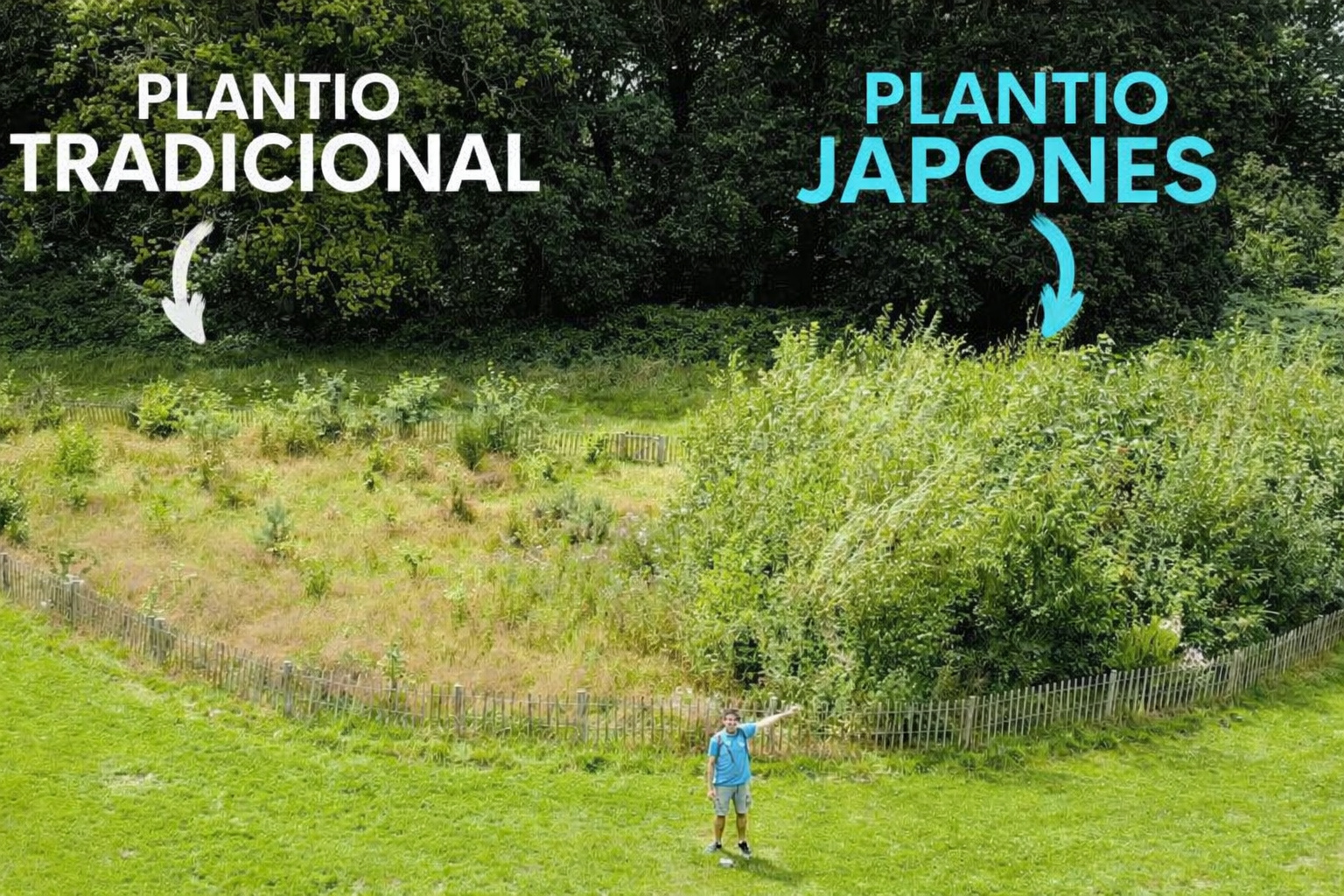
Engineer creates reforestation method that transforms small plots into dense forests in a few years using local biomass and can reduce environmental recovery costs.
-
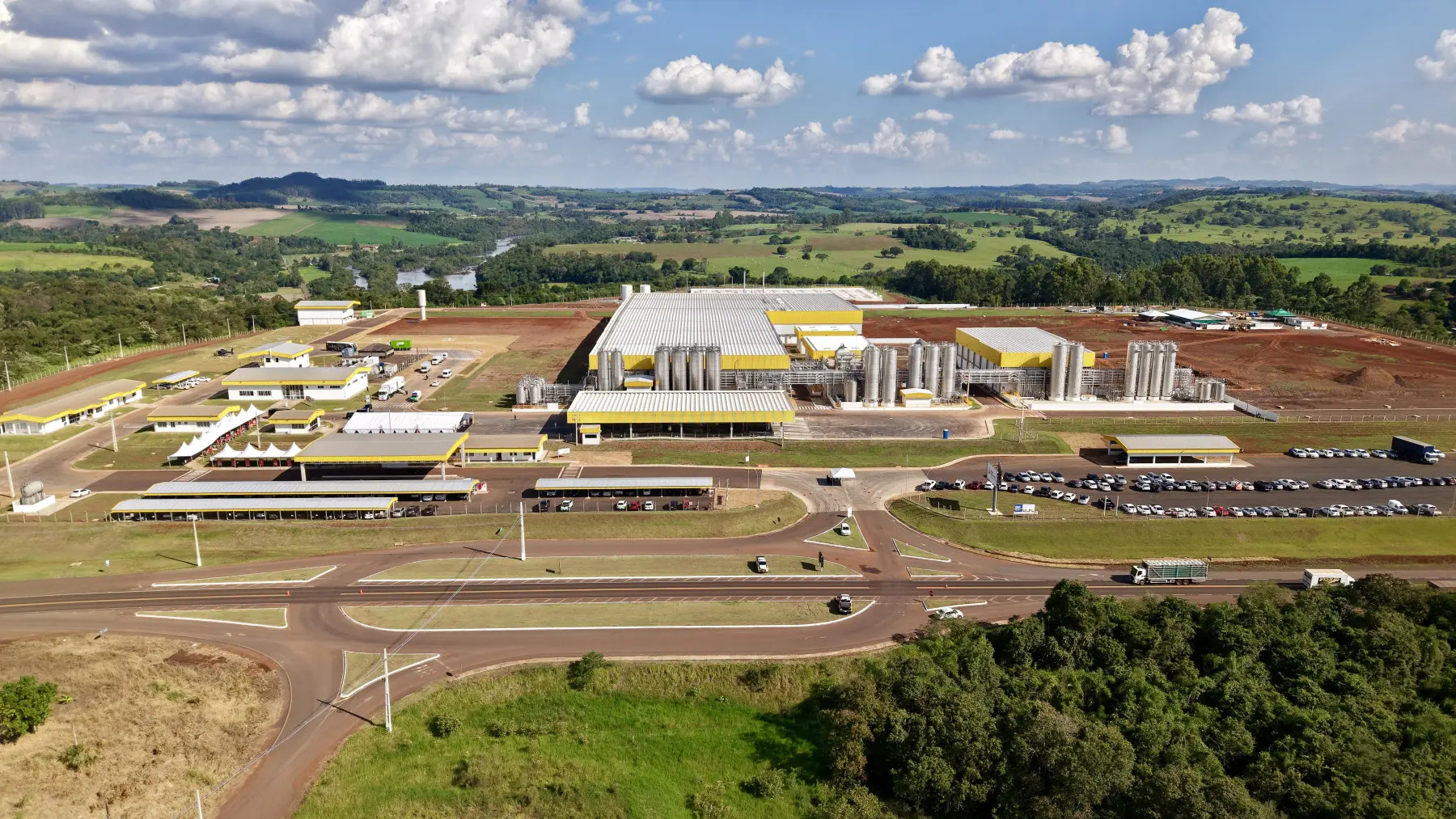
With an investment of R$ 612 million, a capacity to process 1.2 million liters of milk per day, Piracanjuba inaugurates a mega cheese factory that increases national production, reduces dependence on imports, and repositions Brazil on the global dairy map.
-
Alone, the producer applies 7,400 hectares with the T100 drone in an optimized structure, replaces the generator with a silent battery, and demonstrates how technology reduces costs, increases productivity, and even challenges the uniport in the field.

-
China banned the export of 22 tons of meat from Argentina.
This decision is part of a strategy to reduce the company’s debt and concentrate efforts on its core businesses.
The package includes small-sized plants in renewable sources, such as solar energy, small hydroelectric plants (PCHs), and biogas, assets that are part of the Raízen Power division but are not considered strategic for the group.
According to Valor Econômico, sources close to the company revealed that Raízen never intended to operate these assets directly.
The goal is to maintain focus on customer acquisition and renewable energy contracting through operational partners.
Billion-Dollar Operations Throughout 2024
During the year, Raízen made other significant sales. One of the highlights was the transaction of 40 solar plants with Brasol, a company financed by BlackRock and Siemens.
This portfolio totaled a generation capacity of 157 MW and included projects located in the state of São Paulo.
Another milestone was the sale of 31 solar plants to Élis Energia, controlled by the Pátria Investimentos fund, for R$ 700 million.
Although Raízen has not disclosed the value of all its operations, these transactions illustrate the company’s pursuit of deleveraging and optimizing its market performance.
The Leme Plant and the Focus on Second-Generation Ethanol
In addition to renewable plants, Raízen has put up for sale the Leme sugar and ethanol plant, located in the interior of São Paulo.
The unit, which was acquired from Biosev, is also not aligned with the company’s strategic plan. Due to its lack of capacity to produce second-generation ethanol, the group’s main focus currently, the plant has ceased to be a strategic asset.
This move confirms that the company is looking to concentrate efforts on technologies and operations aligned with its long-term priorities, such as producing second-generation ethanol, a more efficient and sustainable biofuel.
Disinvestment Strategy or Repositioning?
While asset sales indicate a need to reduce debt, experts point out that Raízen’s strategy can also be seen as repositioning in the energy market.
According to reports from Valor Econômico, the company is betting on partnerships to operate plants and maintain its renewable energy offering to clients without needing to own all the infrastructure.
The “asset light” (light asset business) strategy is already utilized by various global companies and allows for greater operational flexibility and less financial commitment.
How Does the Market Respond?
These changes occur at a challenging time for the bioenergy sector in Brazil, with fluctuations in sugar and ethanol prices and a constant search for technological innovations.
Investors are paying attention to Raízen’s moves, which, despite being a consolidated giant, is showing a willingness to reinvent itself.
Billion-dollar sales and a focus on innovation may ensure the company’s competitiveness in the long run, but also raise questions about the challenges currently faced.
What to Expect from Raízen in the Future?
With the resources obtained from sales, the expectation is that the company will invest even more in high-tech and sustainable projects, consolidating its leadership in the clean energy sector.
But will this disinvestment strategy compromise Raízen’s future, or are we witnessing the birth of a more efficient and profitable business model? Leave your opinion in the comments and join the discussion!







2nd Generation Ethanol (cellulosic) in the end brings less emissions’ reduction than the conventional ethanol and is a lot more complicated and expensive. The success in betting on this route will depend on advances on this technology in the next 5 to 10 years. It is a difficult decision.