





 English
  Francês
  Alemão
  Italiano
  Japonês
  Norueguês
  Portuguese
  Spanish
  4 min of reading
  0 comments


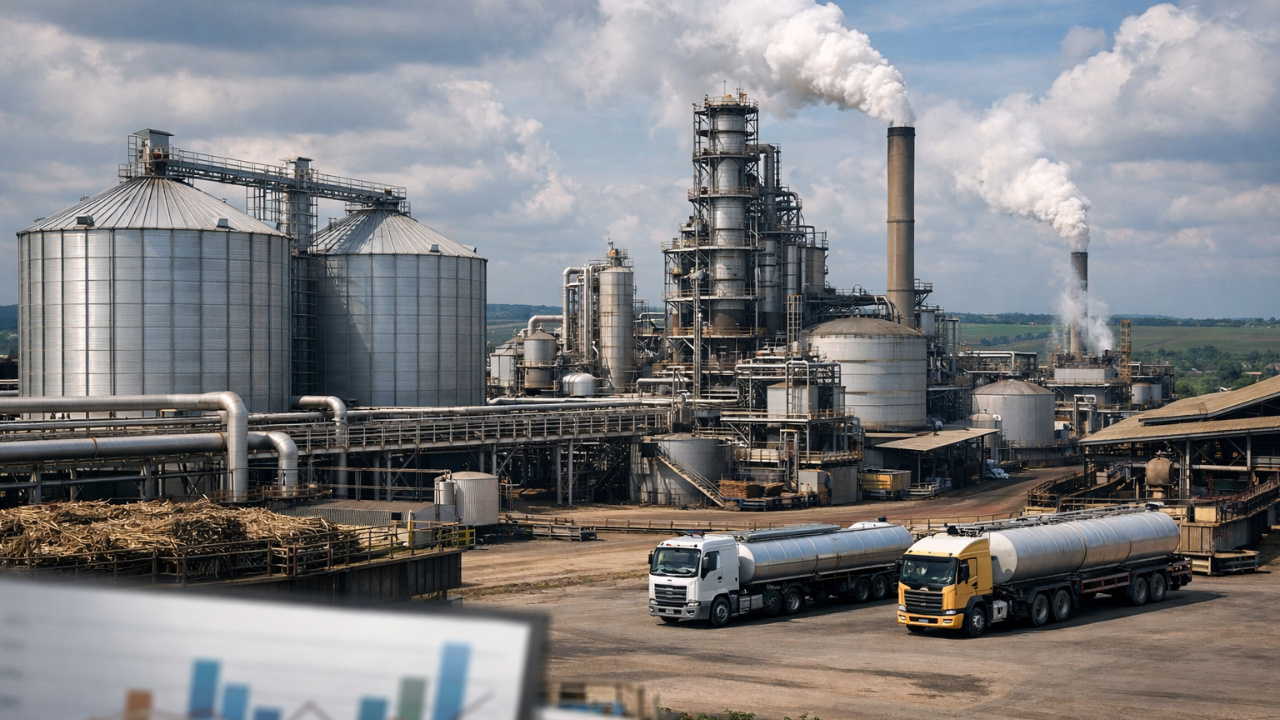
High Debt Pressures Raízen, Which Seeks Recapitalization with Shell Investment to Escape Bankruptcy.
Raízen is negotiating an emergency financial boost with Shell to avoid a possible bankruptcy.
The information came to light in February 2026, when sources close to the negotiations revealed that the oil company is willing to increase the capital in the joint venture with Cosan.
The goal is to contain high debt, recover cash flow, and ensure the company’s operational continuity, which is going through its worst recent crisis.
-
Oncorp wins auction and enables biodiesel and gas thermal plants in Brazil, with strategic projects in Suape and Xavantes Aruanã.

-
Raízen Recovery: Shell Cosan May Reduce Control After R$ 65 Billion Debt

-
Outback Montes Claros: Chain Confirms First Unit in Northern Minas in 2026

-
Inpasa Creates Advisory Council and Brings José Olympio to Strengthen Corporate Governance


Raízen Faces Billion-Dollar Loss and Warns About Continuity
The turning point was the financial result released in mid-February.
At that time, Raízen recorded a net loss of R$ 15.6 billion in the third quarter of the 2025/26 crop year.
Furthermore, the company acknowledged a “relevant uncertainty” regarding its ability to continue operating.
This type of warning is common when there is a significant financial risk, which raised alarms in the market.
Meanwhile, net debt soared to R$ 55.3 billion by December 31.
The combination of high investments, adverse weather, and fires in sugarcane fields reduced agricultural productivity and milling volumes, pressuring cash flow.
Shell Investment Could Reach R$ 3.5 Billion
In light of the situation, the Shell investment has become a central piece in the recapitalization strategy.
Initially estimated at R$ 2.5 billion, the value could reach up to R$ 3.5 billion, depending on the negotiated conditions.
One of the sources indicated that the amount may still change.
This is because the final agreement has not been closed, and the London-listed company would be willing to contribute disproportionately to avoid a financial collapse of the joint venture.
Currently, Shell and Cosan each hold 44% in Raízen, while 12% of the shares are circulating in the market.
Cosan and Rubens Ometto Also Evaluate Investment
On the other hand, Cosan is also studying participation in the recapitalization package.
Even undergoing its own financial restructuring, the group could contribute around R$ 1 billion.
Additionally, businessman Rubens Ometto, chairman of Raízen’s board and a stakeholder in Cosan, is considering investing another R$ 1 billion.
However, this participation depends on a financing agreement still under negotiation.
Despite the negotiations, Shell, Cosan, and Ometto have not officially commented on the matter.
Total Need Could Reach R$ 25 Billion
According to a creditor interviewed by Reuters, the amount needed to stabilize the company is much higher.
The estimate is around R$ 25 billion between new capital and asset sales.
In this context, the sale of operations in Argentina could generate approximately US$ 1 billion.
The funds would help reduce high debt and strengthen cash flow in the short term.
Consulting Firms and Rating Downgrades Pressure Scenario
To evaluate alternatives, Raízen hired the law firms Pinheiro Neto and Cleary Gottlieb, as well as Rothschild & Co as financial advisor.
This move, however, was followed by downgrades in credit ratings.
Agencies such as S&P Global, Fitch Ratings, and Moody’s reduced the company’s rating.
In the report, Moody’s highlighted high leverage, negative cash flow, and high financial costs.
Results below expectations in the sugar and ethanol segment, the company’s main source of revenue, also weighed in.
Recapitalization Seen as Alternative to Bankruptcy
Given the situation, recapitalization emerges as the main alternative to avoid bankruptcy.
This legal mechanism is used by companies that cannot pay their debts and need to renegotiate with creditors.
However, resorting to this process could impact Raízen’s reputation, in addition to raising costs of credit and affecting suppliers.
Therefore, shareholders are attempting a private solution with new investments.
Market Follows Impact on Energy and Agriculture Sector
The crisis at Raízen worries investors because the company is one of the world’s largest sugar producers and a key player in fuel distribution in Brazil.
Thus, an eventual collapse would have effects on agribusiness, the energy sector, and the biofuel chain.
On the other hand, a successful capitalization agreement could restore market confidence.
As negotiations advance, the Shell investment is seen as the decisive factor in defining the company’s future.
The outcome will indicate whether Raízen will be able to reduce high debt and avoid more drastic measures.
See more at: Shell is Ready for Greater Support to Raízen, Sources Say










Seja o primeiro a reagir!