





 Português
  Inglês
  Espanhol
 3 min de leitura
  0 comentários


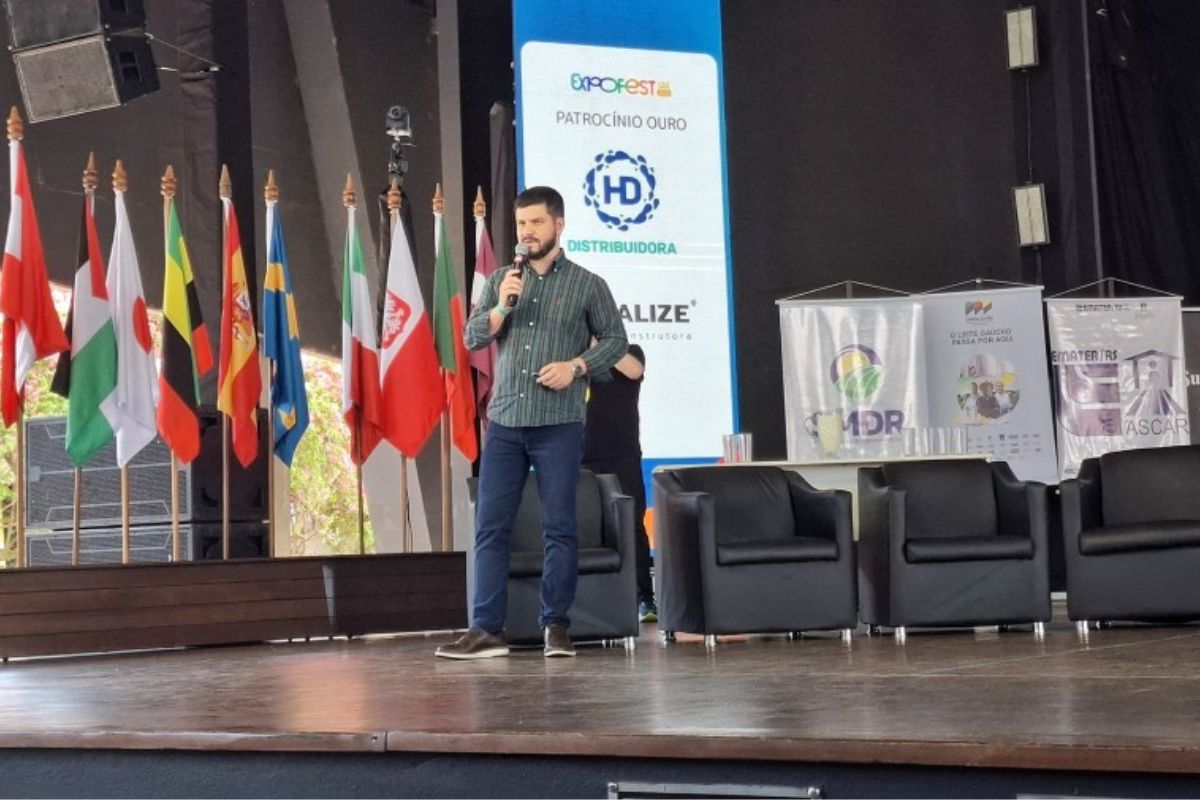
The Advancement of Cattle Traceability in Rio Grande do Sul at an Event in Ijuí Highlights New Technologies, Sanitary Control, and Valuation of Sustainable Dairy Production Until 2032
The cattle traceability in Rio Grande do Sul was the main focus of the Milk Summit Brazil, in Ijuí, bringing together producers, researchers, and authorities, on the last day of October 15th, according to a report published.
The meeting presented the system that follows each animal from birth to slaughter, promoting transparency and trust in the sector.
The deputy secretary of Seapi, Márcio Madalena, explained that the State is in a position to lead the national tracking process.
-
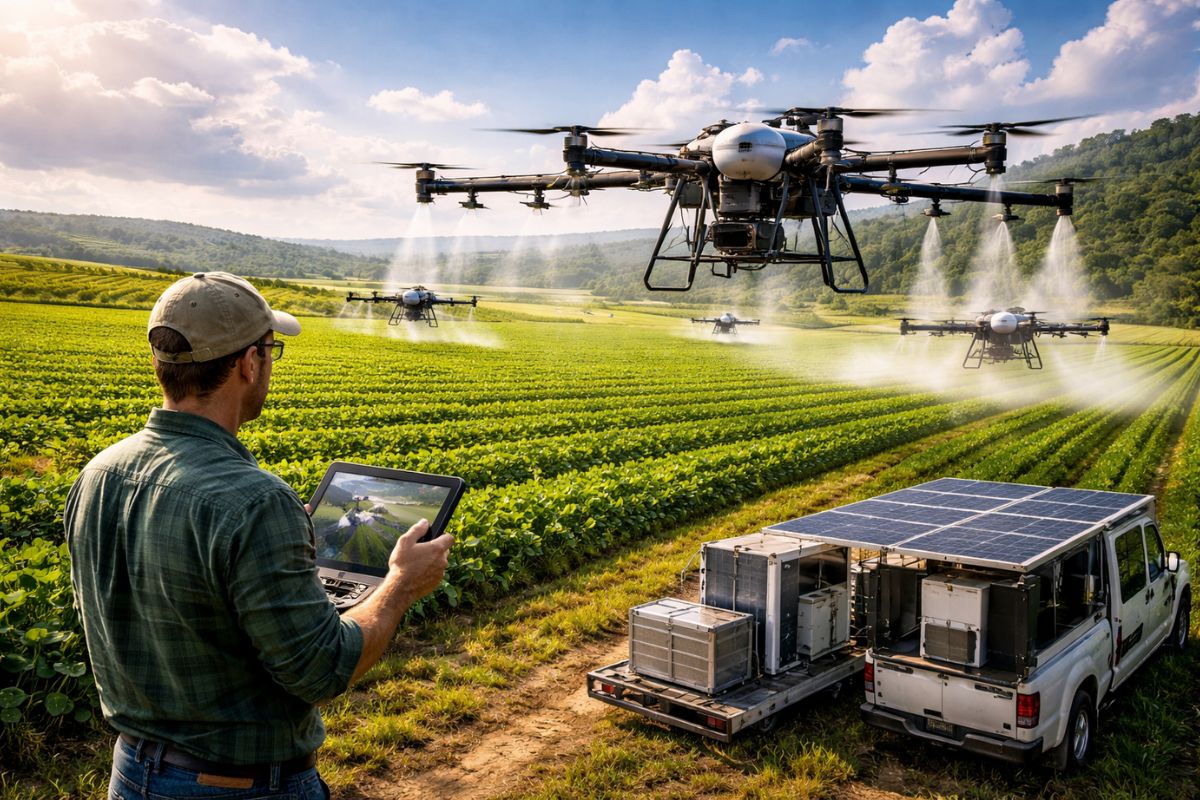
Alone, the producer applies 7,400 hectares with the T100 drone in an optimized structure, replaces the generator with a silent battery, and demonstrates how technology reduces costs, increases productivity, and even challenges the uniport in the field.
-
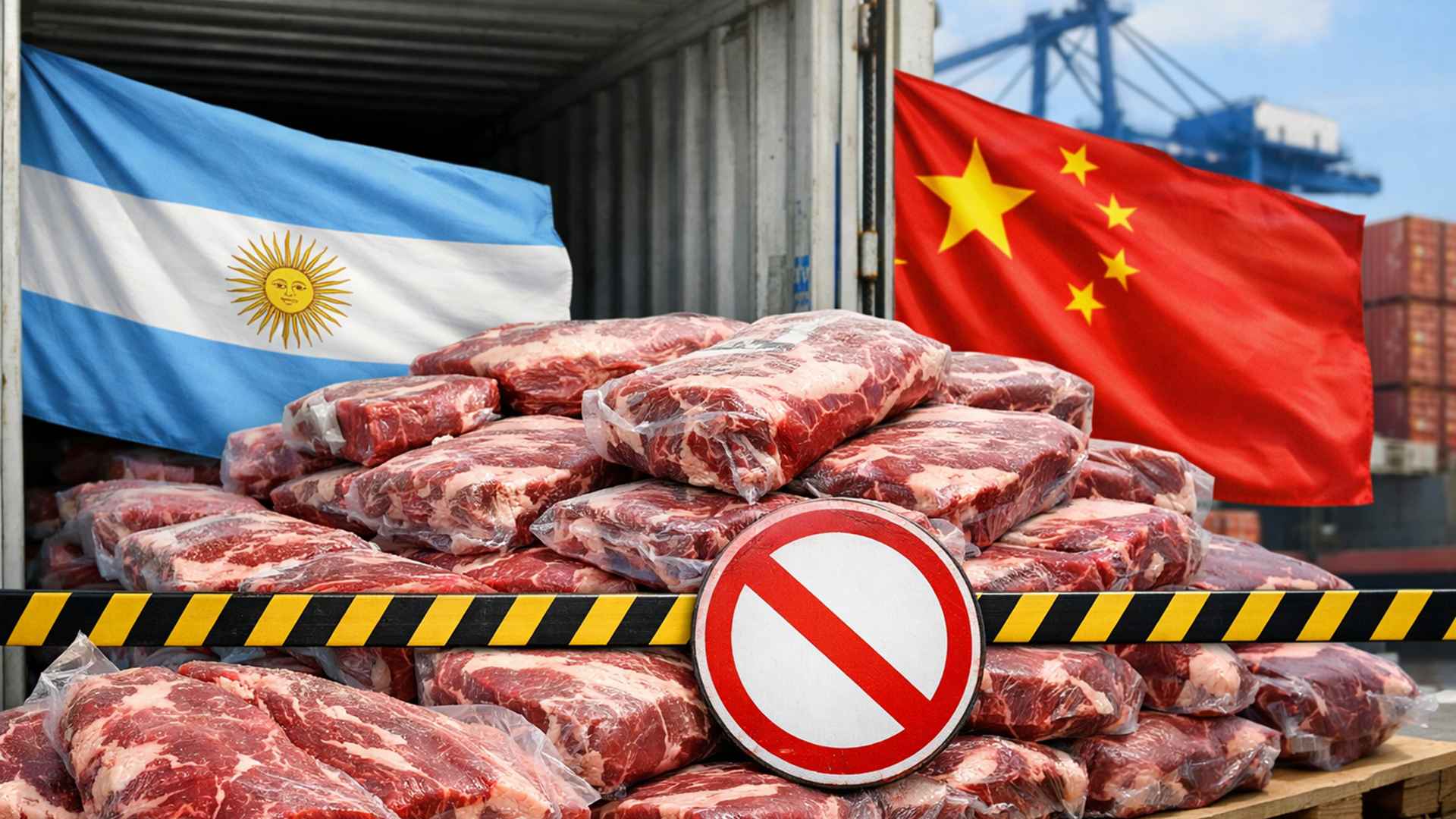
China banned the export of 22 tons of meat from Argentina.
-
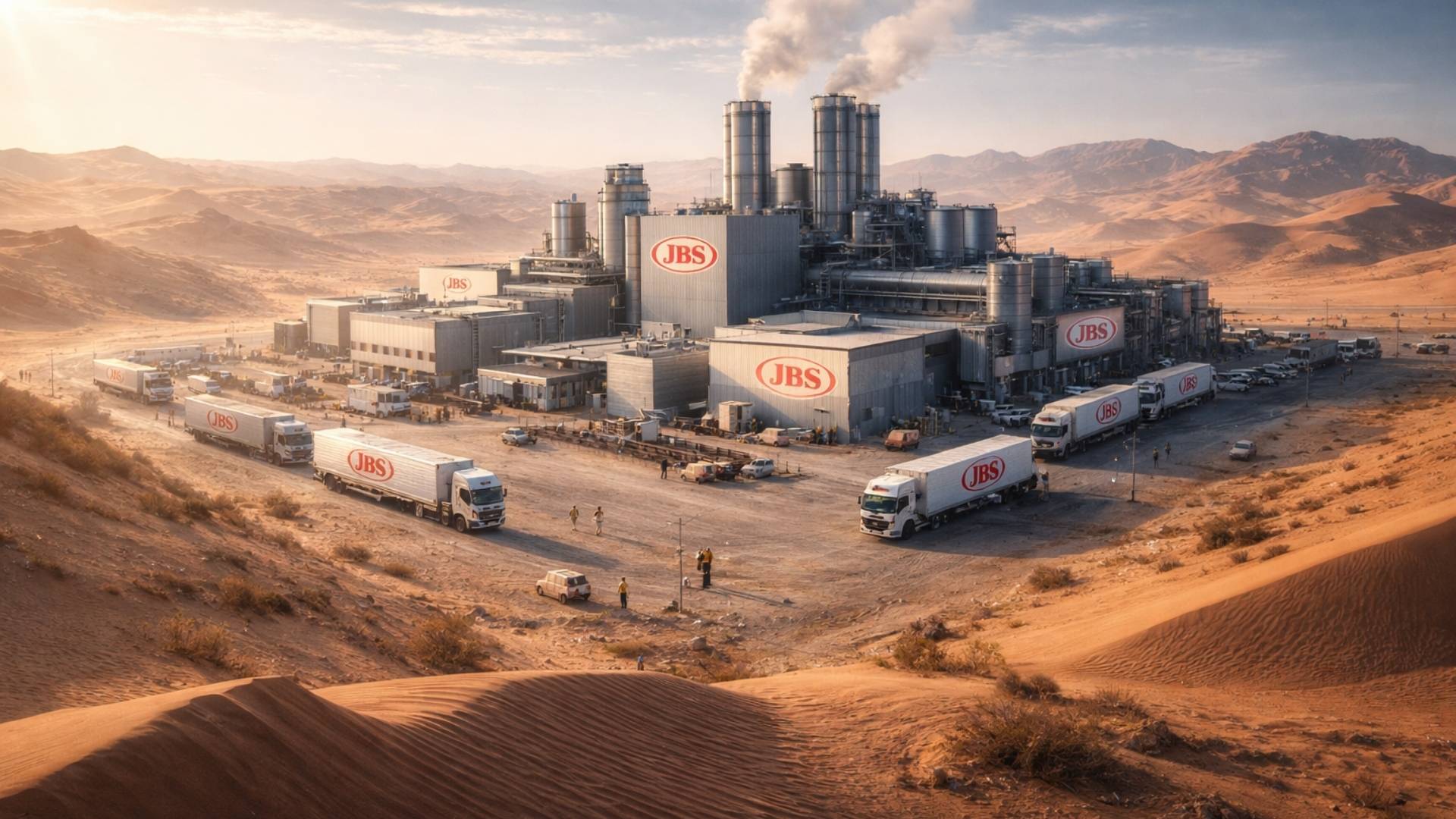
JBS, founded by the Batista brothers, continues to conquer the world: entrepreneurs built a ‘factory in the desert’ creating 3,000 jobs.
-
With only 1% of Brazil’s territory, Santa Catarina has built one of the most competitive industrial parks in the country, with 64,000 companies, nearly 1 million jobs, and a growth rate of 5.3% while the national industry is practically stagnant.


In 2024, the pilot project for Cattle Traceability in Rio Grande do Sul tracked 395 animals in Hulha Negra, using QR nasal biometrics for efficiency testing.
The goal is to expand the technology to 50 private properties in 2025, strengthening the dairy chain and regional sanitary control.
Mandatory Individual Cattle Identification 2032 Expands Cattle Traceability in Rio Grande do Sul
The National Program for Identification and Traceability of Cattle and Buffalo (PNIB) provides for full implementation by 2032, and Cattle Traceability in Rio Grande do Sul is aligned with this timeline.
The system uses electronic tags and digital badges to record information such as age, breed, and vaccination. During the Milk Summit, the advancement of cattle traceability in Rio Grande do Sul was presented, integrating data into an official database, allowing the monitoring of the complete life cycle of the animals.
This individual traceability brings sanitary security, prevents theft, and adds value to dairy and meat production throughout the State.
Sanitary Control of Dairy Production in Rio Grande do Sul Strengthened
The strengthening of sanitary control in dairy production in Rio Grande do Sul is directly linked to cattle traceability in the region, consolidating essential data about each herd.
Seapi coordinates technical groups to improve the system and is already testing QR nasal biometrics in the field. At Expointer, the project demonstrated the importance of cattle traceability in this gaucho state to ensure quality and transparency.
The official records allow tracking movements and certifications, ensuring that consumers know the origin of the milk and meat they consume.
This modernization reinforces the State’s commitment to animal health and international competitiveness.
Benefits for Cattle Producers: Cattle Traceability and Market Demand for Proof of Animal Origin in Rio Grande do Sul
The benefits for cattle producers are multiplying with the expansion of cattle traceability.
The system simplifies herd management, reduces losses, and improves rural management efficiency. In 2025, 50 private properties will participate in the new cycle, covering dairy, beef, and finishing systems.
Since 2017, CCGL has already traced 128,914 animals in 1,187 properties, an example of pioneering adherence to cattle traceability in beef
This advancement meets the demands of a market that requires proof of animal origin, strengthening the Pampa biome and recognizing gaucho livestock as a sustainable and innovative model.
The expansion of cattle traceability in Rio Grande do Sul represents a historic transition towards a safer, traceable, and valued sector, consolidating the State’s leadership in national dairy production.









Seja o primeiro a reagir!